
Selling the same SKUs as everyone: differentiate on data, not price
When distributors carry the same SKUs as three competitors, product data is the only lever left besides price — for search, AI answer engines, and margin.
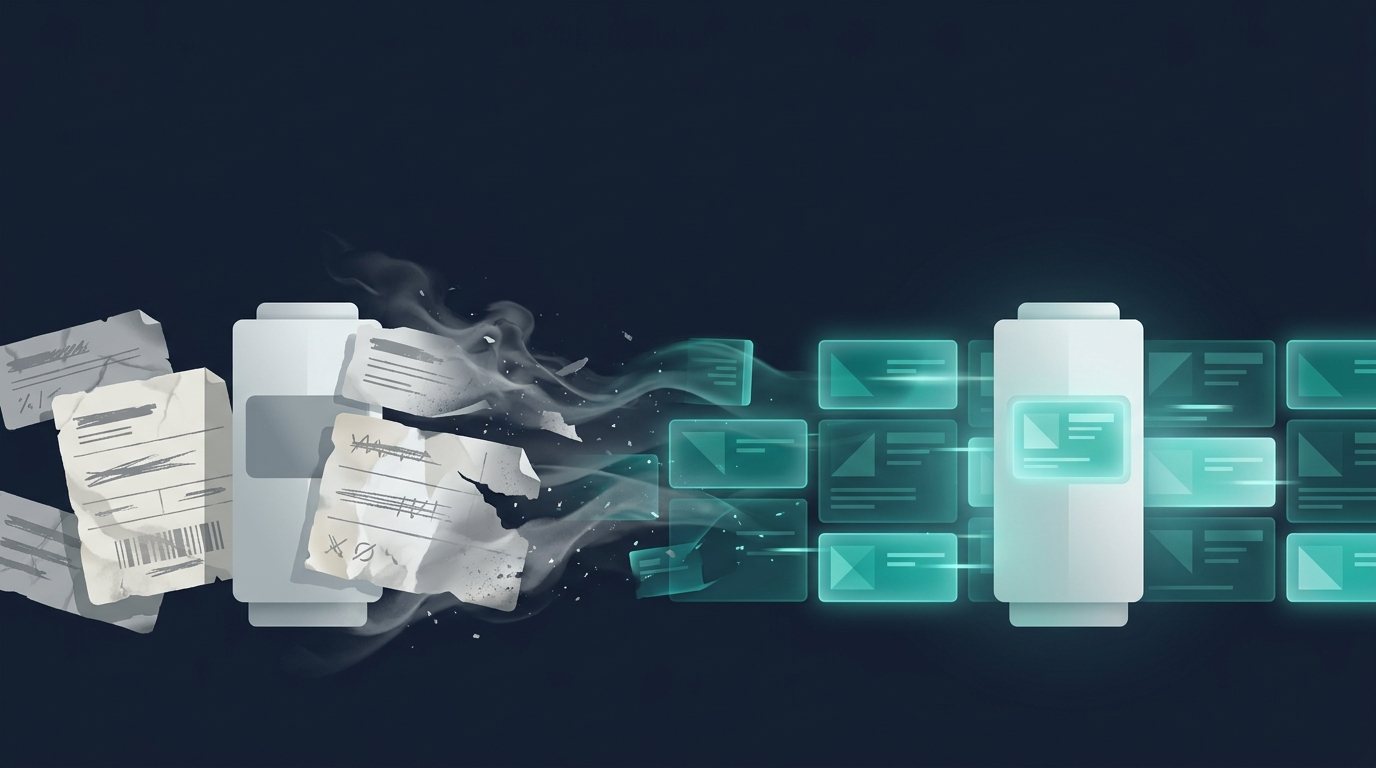
Pull the same manufacturer part number up on three distributor sites. You'll get three pages, three different descriptions, one identical physical product. Same GTIN, same specs, same box. What's different is the attributes, and whether a buyer — human or AI — can actually tell what the thing does from the page.
When the SKU can't be the differentiator, product data is the only lever left besides price. And price is a race to zero.
The commoditization math hasn't changed. Who sees it has
Multi-line distribution has always meant overlapping catalogs. What's new is how fast a buyer can check you against the distributor next door — mid-quote, on a phone, before they've hung up.
That speed has a price. When a customer asks you to match a quote that's 8% lower, matching it can wipe out most of the margin on that account. Bizowie's breakdown of the distributor's pricing dilemma walks through exactly how thin that math gets once price transparency turns every negotiation into a commodity negotiation. It's not hypothetical: BlueLinx, a public building-products distributor, reported gross margin down 190 basis points year over year in Q1 2025 — a filed number showing what that pressure looks like on an income statement.
If price is the only variable a buyer can evaluate, price is what they'll decide on. The fix isn't a sharper pricing algorithm. It's giving buyers something else to weigh — which means the data has to actually say something.
What "the same SKU" looks like on two different pages
Here's a fastener line item as it typically arrives from a supplier feed — and what it looks like once the missing structure gets pulled from the spec sheet and datasheet that already existed, just not in the feed.
Raw feed description:
SS 1/4-20 X 1 HEX HD CAP SCR
Enriched attribute table:
| Attribute | Value |
|---|---|
| Product type | Hex head cap screw |
| Material | 18-8 stainless steel |
| Thread size | 1/4-20 |
| Length | 1 in |
| Head style | Hex |
| Drive type | External hex |
| Finish | Passivated |
| Compliant standards | ASME B18.2.1 |
The left column is a string a human has to squint at. The right column is searchable, filterable, answerable. Same physical part, same SKU cost — wildly different odds of surfacing when a search, human or machine, narrows by thread size and material.
Ask an answer engine, not just a search box
A growing share of B2B research starts in a chat window now, not a search bar. Forrester's most recent buyers' journey research found buyers are nearly twice as likely to name generative AI or conversational search as their most meaningful research source — ahead of vendor websites, product pages, and sales reps (Forrester: From Keywords to Context). 95% of B2B buyers say they plan to use generative AI somewhere in a future purchase.
Try the buyer's actual query: "which distributors carry a passivated 1/4-20 x 1 stainless hex cap screw compliant with ASME B18.2.1." An answer engine pulling from structured, attribute-complete pages can name your SKU with confidence. Pulling from a bare description string, it can't extract enough to cite you at all — it just skips the page. Ambiguous data creates a hallucination risk the model would rather avoid than resolve. Distributors watching AI-referred traffic show up in their analytics for the first time are running into this exact filter, whether they've diagnosed it or not.
That filtering isn't cosmetic. Research on AI-driven B2B discovery has found brands that appear in an AI system's cited sources convert at meaningfully higher rates than the same content ranking organically. Being the answer beats being a link — and complete attribute data is the entry ticket to being citable at all.
Margin follows differentiation, not the other way around
None of this requires ripping out how you already manage product data. It requires treating the description field as a liability when it's the only thing separating your SKU from a competitor's identical listing. Check these against your own catalog:
| Signal | What it costs you |
|---|---|
| Description-only records, no structured attributes | Filtered out of faceted search and AI retrieval alike |
| Inconsistent units/abbreviations across suppliers | Buyers can't compare you to a spec sheet, so they don't try |
| Missing GTIN/identifier fields | Delisted from marketplace and comparison feeds outright |
| No compliance/standard callouts | Loses procurement queries that filter by standard first |
Fixing this at scale is genuinely tedious work. Manual enrichment of a single SKU, done properly against source documents, tends to run 30-45 minutes by hand — which is exactly why most catalogs stay half-done. But it's not a multi-year systems project either. It's closer to weeks, once someone commits to running it as an ongoing process instead of a one-time cleanup.
Where Anglera fits
Your PIM or your flat file already holds the raw material: the spec sheets, the supplier feeds, the half-finished descriptions. Anglera plugs into whatever you're already running — or starts from nothing more than an export — and does the unglamorous work. Scoring every SKU for completeness. Extracting the missing attributes from documents that already contain them. Keeping that data current as suppliers push updates.
It doesn't replace your system of record. It makes the data inside it something buyers, and the AI systems increasingly standing in for buyers, can actually act on. When the SKU is identical to three competitors', the catalog that reads clearest wins the query — and the margin that comes with it.