
Catalog & PIM Ops
Why PIM implementations fail (and the failure that hides in the data)
PIM implementations fail from scope creep, no data owner, over-customised models, underestimated integrations and weak adoption, and most of all from bad data.
For
Product data, enrichment, and discovery for B2B distributors selling the same SKUs as everyone else.
PIM implementations fail from scope creep, no data owner, over-customised models, underestimated integrations and weak adoption, and most of all from bad data.
Prioritize SKUs to enrich by value times gap: score revenue, search demand, margin, returns and channel blockers, then multiply by how much data is missing.

Electrical distributors get manufacturer content from IDEA Connector (the IDW), then fill gaps with ETIM feeds, manufacturer portals and content providers.

Bad B2B product data comes from ERP item masters built for orders, supplier files in many formats, free-text specs, no data owner, and cleanups that decay.

Yes, when each AI-generated attribute traces to a source document and passes schema, conflict, and confidence checks. Untraced values need human review.
Distributors sync ERP item data to their site via a native connector, middleware, a PIM in the middle, or scheduled file exports. The ERP owns price and stock.
Stop editing supplier titles. Parse them into attributes, normalize units and abbreviations, then generate every title from one formula per category.

A product taxonomy decides which category a product belongs to; an attribute schema defines the fields every product in that category must carry.

Self-serve AI tools publish $0.30 to $0.75 per SKU; technical B2B items run several dollars each once review and upkeep count. Pricing models and the math.
List each PPE certification as structured fields: the standard with its edition year, the exact rating earned, and the approval ID, verified against the source.
Plumbing wholesalers get manufacturer content via price files, EDI 832, spec sheets, content providers, and the ASA template, then fill PVF attribute gaps.

A PIM stores, governs and publishes product data. Enrichment is the work of finding, extracting and validating the attribute values that fill it.
Running a PIM takes five roles: a product data owner, data stewards, catalog specialists, a PIM admin and an integration owner. Headcount hinges on enrichment.

Usually yes, if catalog size and channels justify one. But a PIM stores data and will not fill gaps: define the model, enrich in parallel, load clean.

Most PIM implementations take 2 to 6 months for a first release; enterprise multi-channel programs run 6 to 12 months. Data readiness sets the date.

PIM implementation runs about $30,000-$150,000 mid-market, often 50-200% of first-year licence, on top of licences from free to $300,000+ a year.

Offshore product data entry runs about $0.20 to $2.00 per SKU on published rate cards, at $4 to $8 an hour. QA, rework and spec changes decide the real cost.

MRO distributors run millions of SKUs by classifying each item, applying a per-class attribute template, automating supplier intake and enriching continuously.

MRO data cleansing turns free-text spare parts records into one structured record per part: classified, noun-modifier described, deduplicated, enriched.

Measure product data accuracy by checking a random sample of attribute values against a source of truth, then report the error rate with a confidence interval.

LBM dealers need nominal and actual sizes, species, grade, treatment, selling units, code documents, account pricing and live inventory on each SKU online.

Lighting distributors store manufacturer IES files as SKU assets, then extract lumens, CCT, CRI, efficacy and DLC status into filterable fields per variant.

Jan/san distributors keep product data in an ERP item master, a PIM or ecommerce layer, and supplier feeds, then normalize case pack, SDS, and specs.

HVAC distributors key each replacement part to the OEM numbers it replaces, the models it fits, and specs like voltage, HP, RPM, rotation and refrigerant.

HVAC distributors list AHRI-certified matchups as records linking outdoor unit, coil or air handler, and furnace to a reference number and SEER2/EER2/HSPF2.

Manufacturers send product data to distributors via spreadsheets, EDI 832 catalogs, GS1 GDSN data pools, industry hubs like IDEA, content providers, and APIs.

Manual enrichment of 50,000 SKUs takes roughly 3,300 to 25,000 hours, 4 to 30 minutes per SKU by depth. Here is the per-SKU math, FTE count and timeline.

Foodservice equipment dealers pull manufacturer data from AutoQuotes, KCL, Specifi and the FEDA Data Portal into ERP and quoting, then enrich it for ecommerce.
Fluid power distributors keep part numbers and stock in the ERP, specs in a PIM or site, and decode model codes into pressure, port, and seal fields.
Fastener distributors manage thousands of SKUs by storing each part as structured attributes per category, then generating titles, filters, and feeds from them.
Run OCR and table extraction on the spec sheet PDF, then map cells to your attribute schema, normalize units, split model rows into SKUs, and validate.

Yes. Enrichment is work done to product data and a PIM is where it is stored, so you can enrich an ERP export or CSV and load it into ERP, store, or feed.
Deduplicate a product catalog in three passes: match on GTIN or manufacturer plus normalized MPN, fuzzy-match the rest, then human-review the ambiguous band.
Before a PIM migration: inventory sources, dedupe SKUs, normalize units and values, map to the target model, fill required fields, test-import, then load.

B2B site search usually fails on catalog data: unnormalized part numbers, missing cross-references, free-text specs and missing trade synonyms.

B2B buyers filter on fit and compatibility, dimensions, ratings and certifications, material, connection type, and pack quantity. Here is why SKUs drop out.

B2B buyers ask ChatGPT to frame a category, build a supplier shortlist and compare vendors; the engine runs web searches and cites pages with specific facts.
Yes, if AI writes from verified attributes extracted from datasheets. From only a part number and ERP short text, it produces plausible specs that may be wrong.
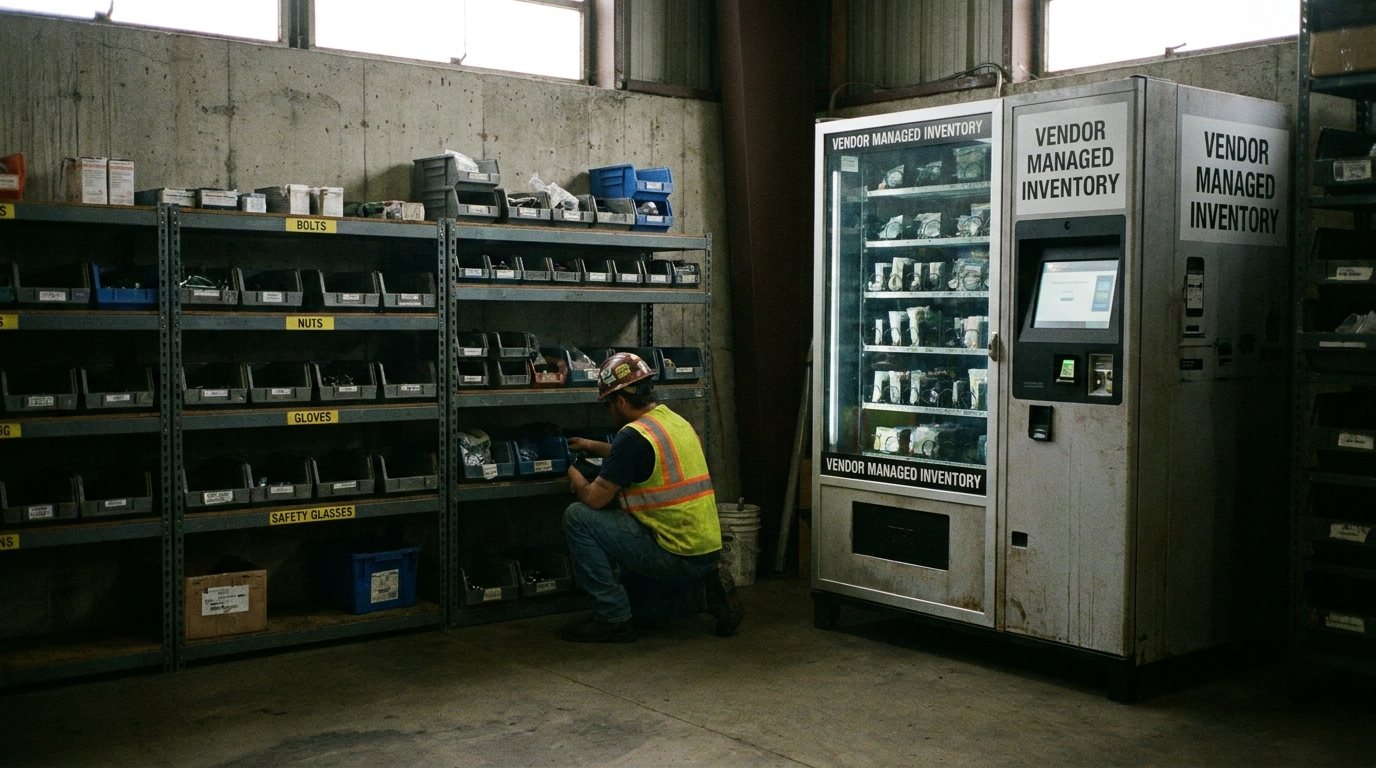
29 distributors win by embedding in the customer's process via vending, VMI, and private label. Two got measured for digital readiness, and the split is instructive.

29 PE-backed distributors grow by acquiring, not merchandising. Only 4 carry a measured score -- here is what the Digital Readiness Index found in them.

Thirteen distributors sell self-serve from massive catalogs instead of sales reps. Only four were scored, and the archetype's median sits below the index-wide median.

36 distributors that sell engineering, not SKUs. Most are private and unranked, and the four we measured split around the index median for a structural reason.

70 distributors win by being closest to the jobsite. How the branch-density model runs, its capital trade-off, and what its Digital Readiness Index scores reveal.

46 distributors compete on national buying power and centralized DCs. Only 14 could be measured for digital readiness — and that gap is the real story.
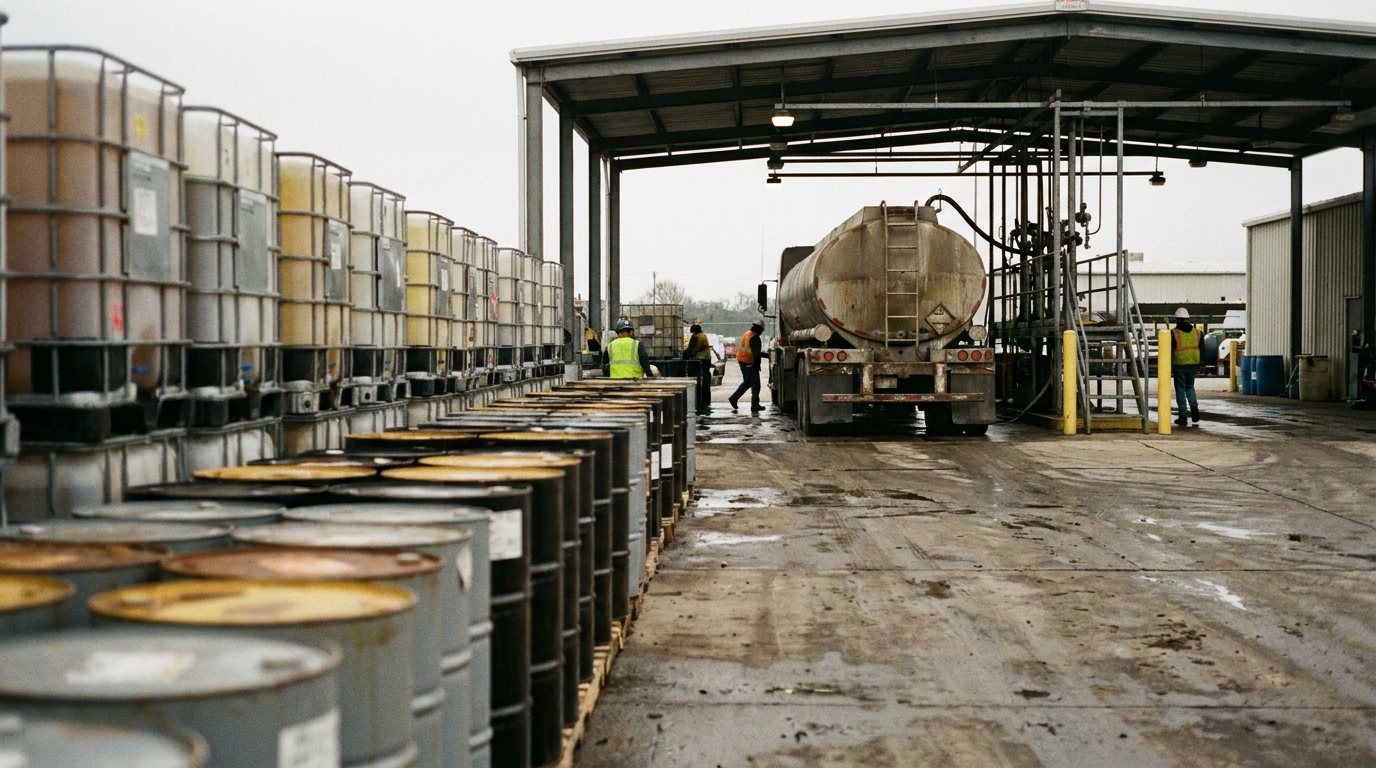
Twenty lubricants and fuels distributors ranked by archetype, in the one Top Distributors 2026 vertical where the Digital Readiness Index came back empty.

Twelve food and beverage distributors ranked by revenue and archetype, with a Digital Readiness Index read on the two whose catalogs have been sampled.
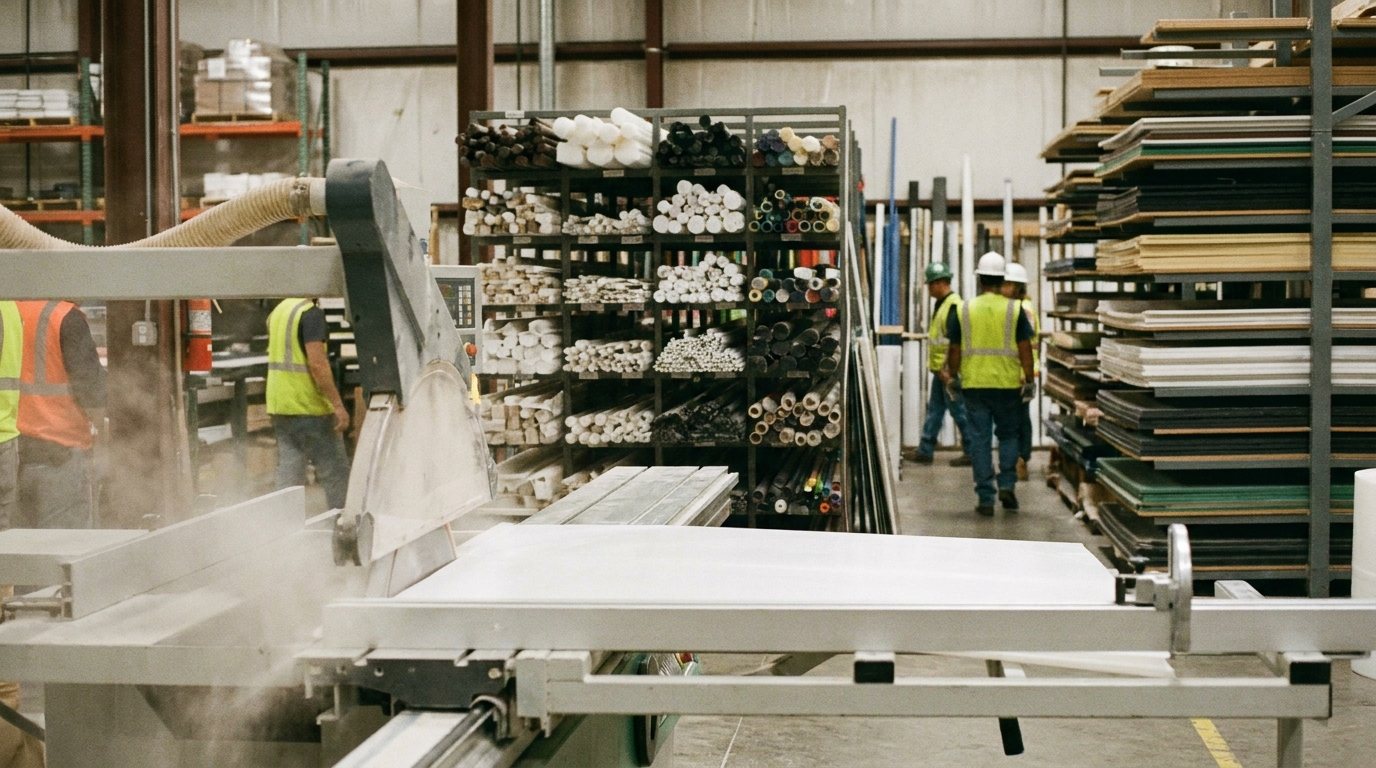
Curbell just acquired Interstate Plastics, but the Digital Readiness Index scores the target higher than the buyer, and both trail a ten-branch acrylic specialist.

Four PE ownership changes hit specialty adhesives distribution in 15 months, yet the Digital Readiness Index shows the operating model barely moved.

Mansfield Energy made the 2026 MDM Lubricants and Fuels list still family-run, sixty-nine years after starting as a Cities Service franchise in Georgia.

Eighteen gas and welding distributors ranked and scored. F.W. Webb outscores Fastenal and Airgas on digital readiness despite a fraction of their revenue.

Guttman Holdings made MDM's 2026 Lubricants & Fuels list after 90 years as a family business, then handed full ownership to its 270 employees through an ESOP.

Apex Oil survived one of the era's largest private Chapter 11 filings, then built a diversified trading house. Now it's on MDM's 2026 Lubricants & Fuels list.

McKesson, Cencora, and Cardinal Health lead this vertical by revenue, yet none carry a Digital Readiness score. Only one company in the vertical earned one.

The Chefs' Warehouse hit $4.1B by staying curated for chefs instead of chasing broadline scale, and by staying family-run after going public.

United Natural Foods fused two 1970s co-ops into a $31.8B grocery distributor, then wired its growth to one customer, Whole Foods, through 2032.

Three mergers reshaped JanSan, packaging and disposables distribution in 18 months. See the 2026 ranking, archetypes and Digital Readiness Index scores.
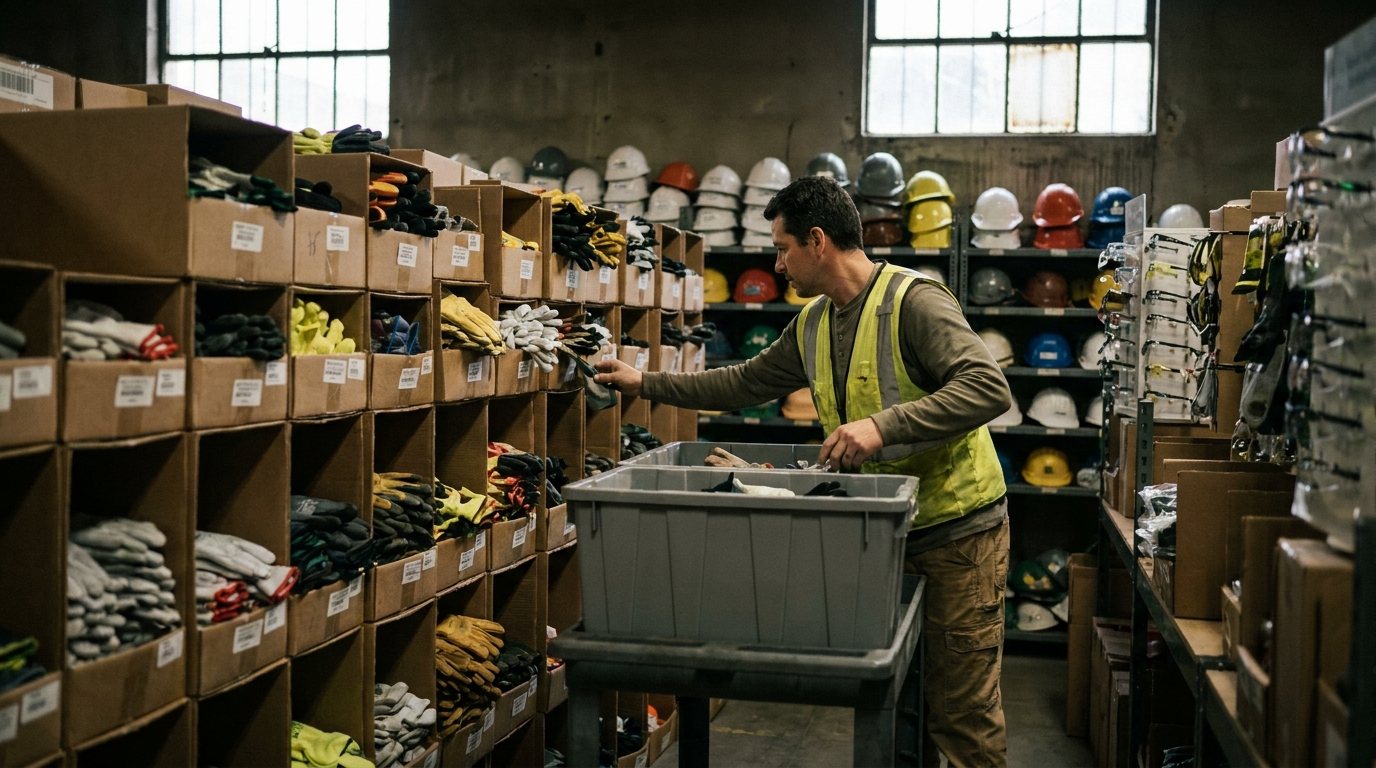
Grainger and MSC lead a Safety vertical where seven of twenty distributors sell managed PPE programs and revenue size stops predicting digital shelf scores.

Tricon Energy made the 2026 MDM Top Distributors lists in Plastics and Lubricants & Fuels. Here's the take-title trading model behind its $14B climb.
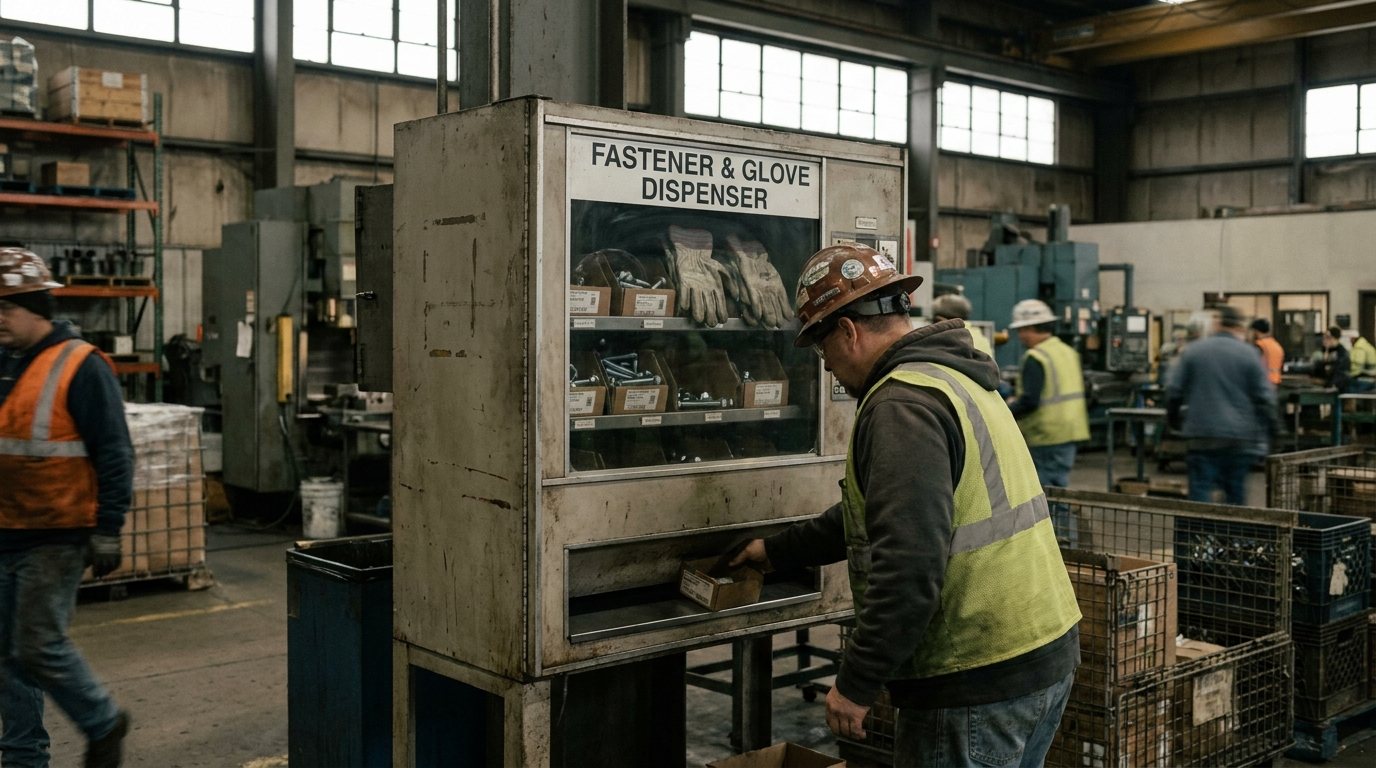
Only 5 of fasteners' 20 largest distributors could be scored for digital shelf readiness. The other 15 explain why: most of this vertical isn't a catalog business.

Charbone set out to make clean hydrogen in Quebec. A global helium shock turned it into a welding-gas distributor on MDM's 2026 Top Distributors list.
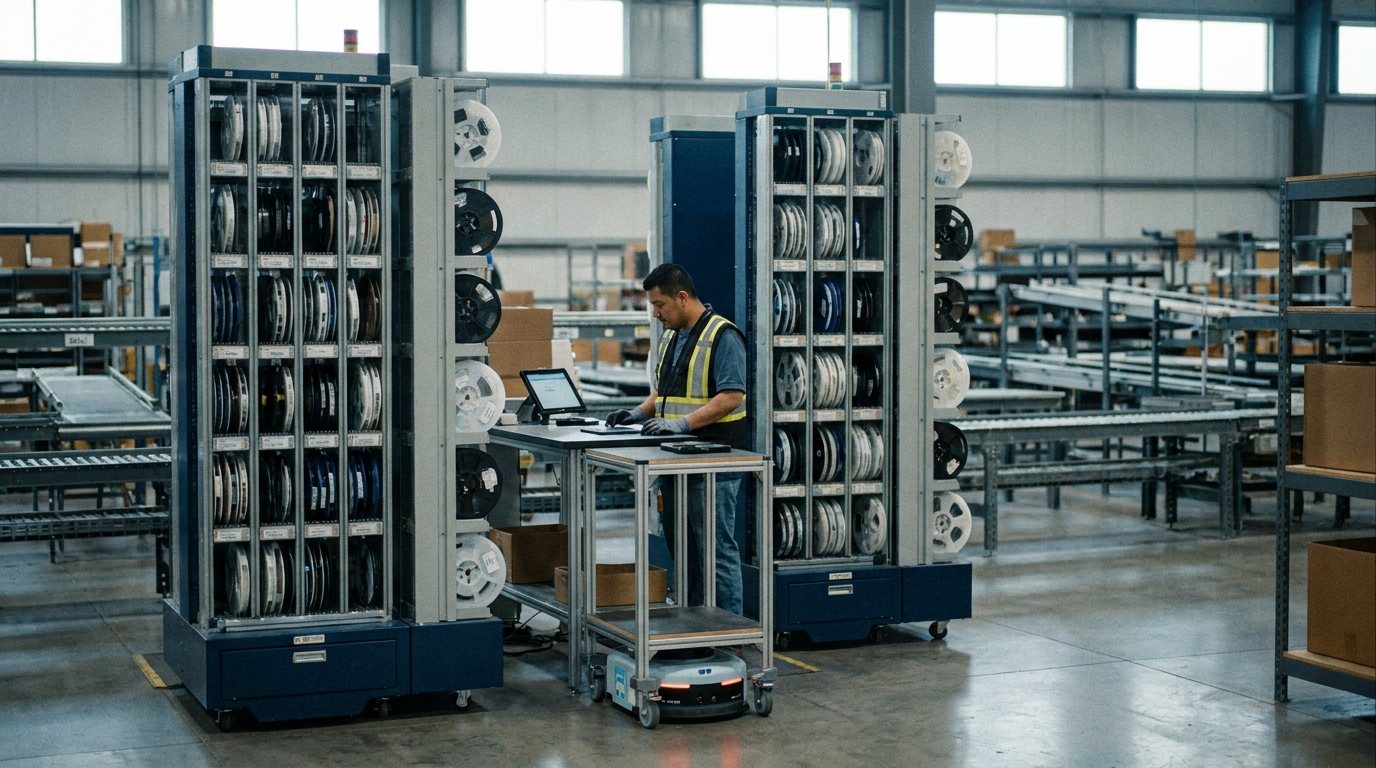
Electronics distribution ranked by revenue, archetype, and a measured Digital Readiness Index — where deep catalogs and thin ones score closer than expected.
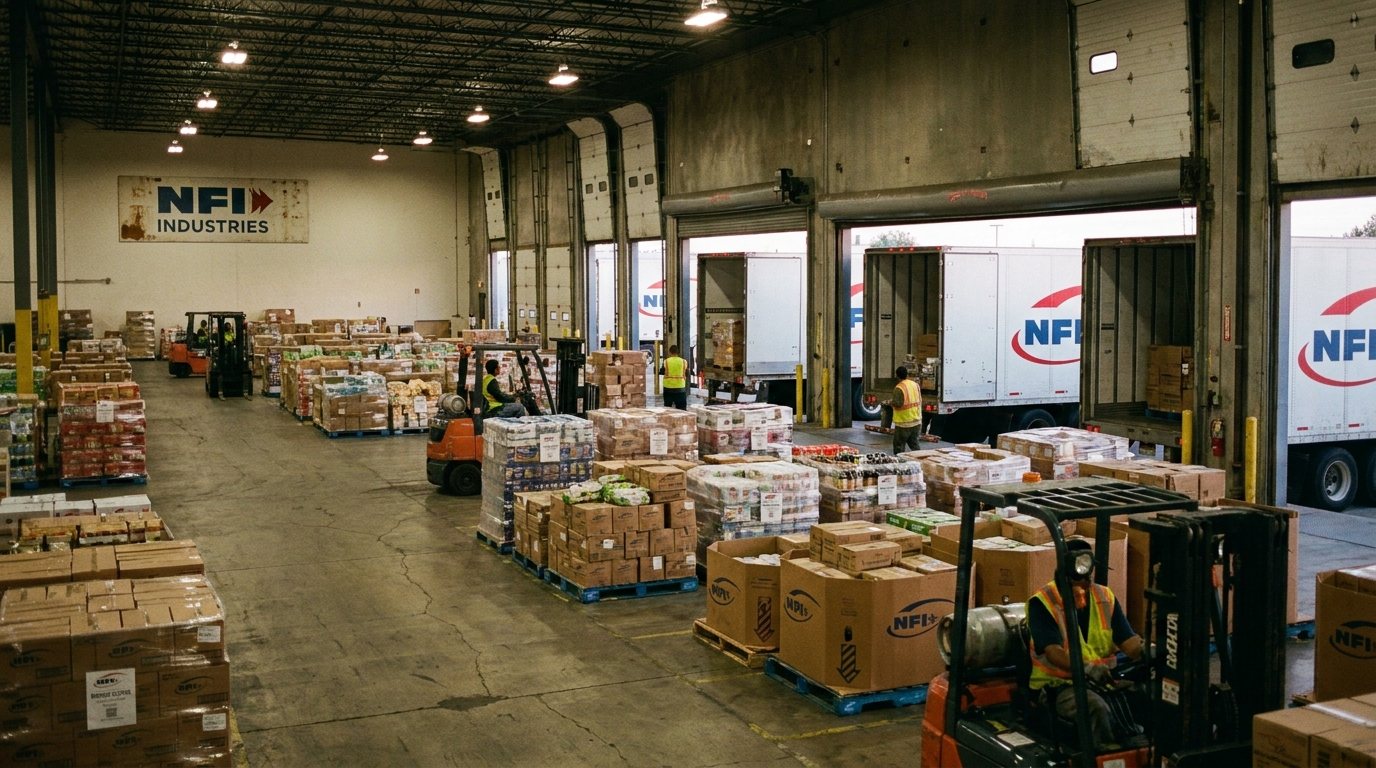
NFI Industries ranks #14 on MDM's 2026 Jan-San list without selling a single cleaning product. Here is how a fourth-generation trucking family built that model.
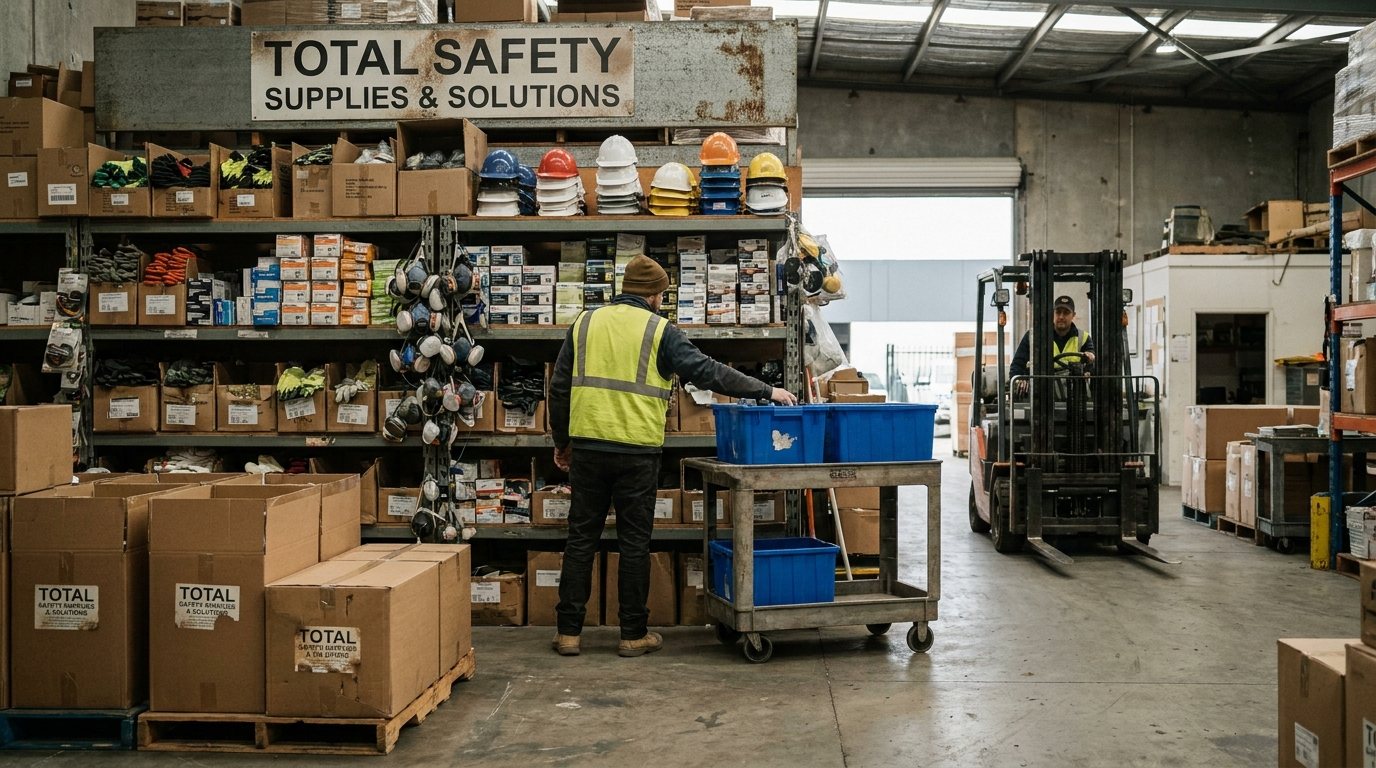
Ranked #17 in Safety on MDM's 2026 Top Distributors list, Total Safety Supplies & Solutions just became its own company after 43 years inside a services parent.
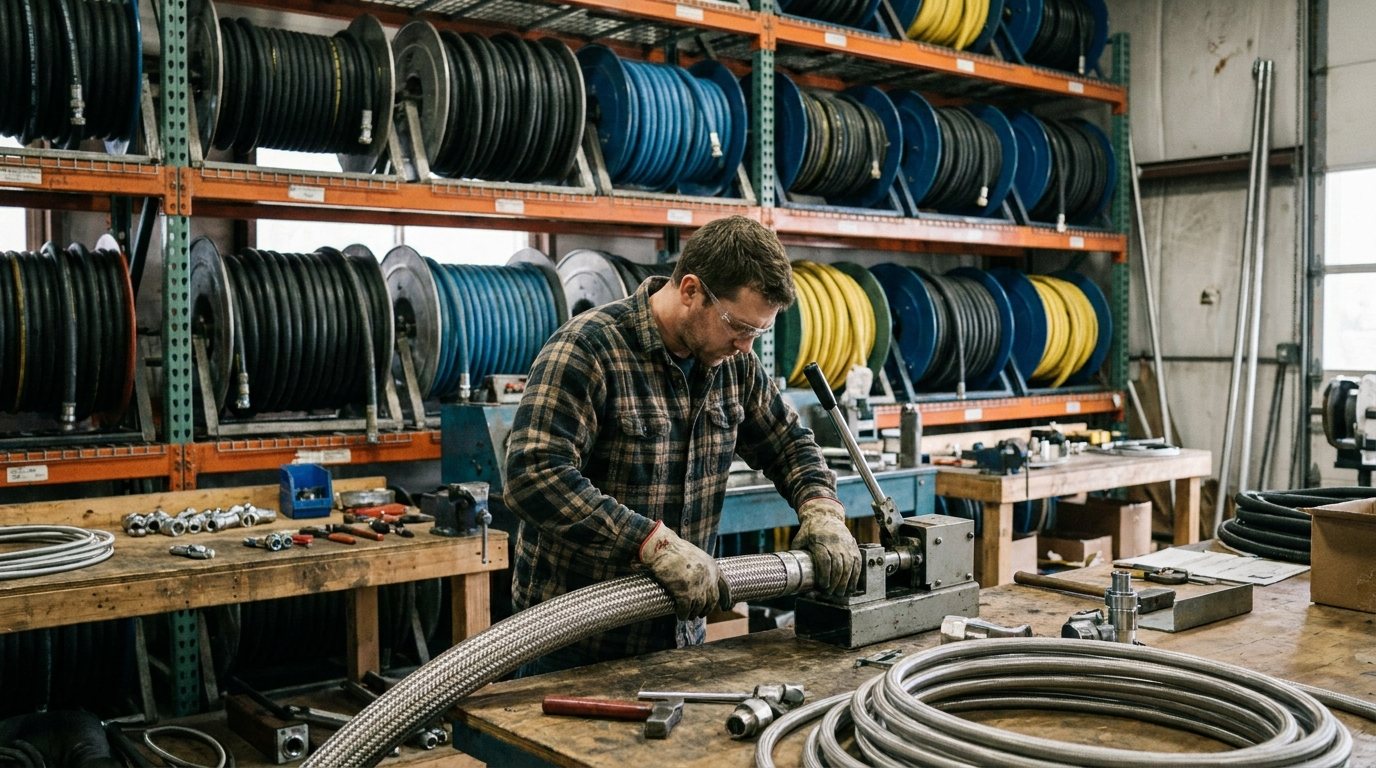
Eight major hose and fluid-power distributors ranked and scored, with a Digital Readiness Index read on why only two of them carry a measurable catalog score this edition.
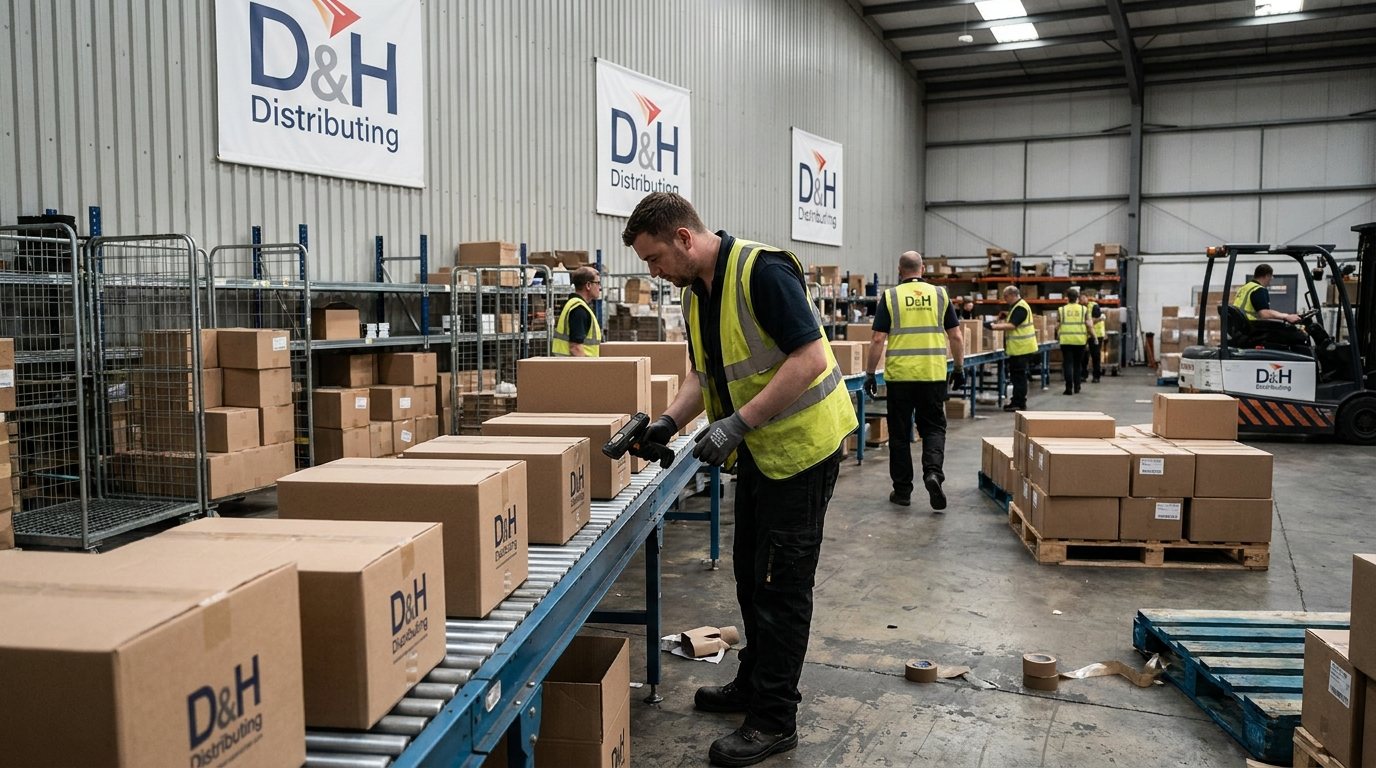
D&H Distributing ranks #5 in Electronics on MDM's 2026 Top Distributors list. Its real story is 108 years of staying family-and-employee owned in a PE-rolled sector.

Ranking North America's largest fluid power and hydraulics distributors by revenue, operating model, and a measured Digital Readiness Index of their product pages.

Ranking and Digital Readiness scoring for the ten largest Power Transmission & Bearings distributors, from Grainger to family-owned specialists like BDI and Purvis.
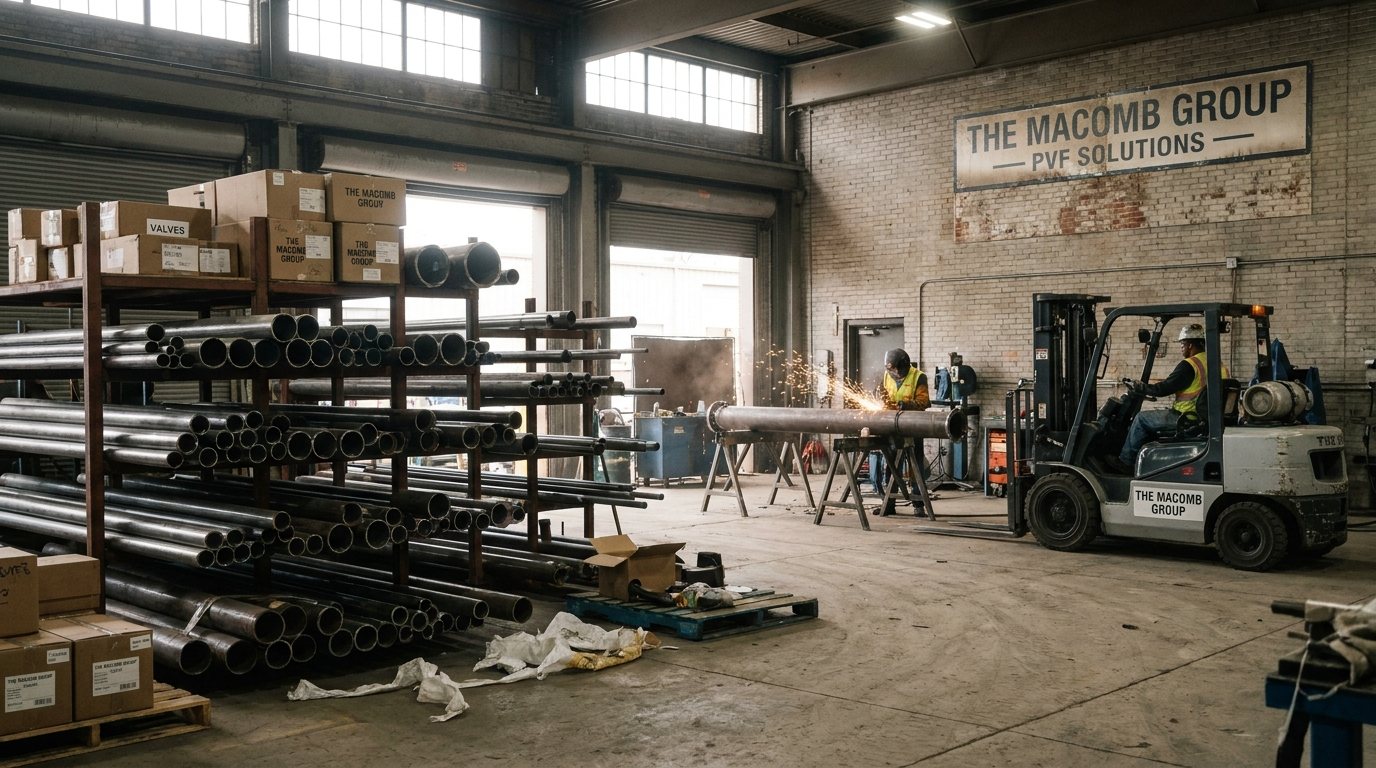
The Macomb Group grew from a 1991 leveraged buyout by two childhood friends into a 32-branch PVF distributor, ranked No. 8 in MDM's 2026 rankings.
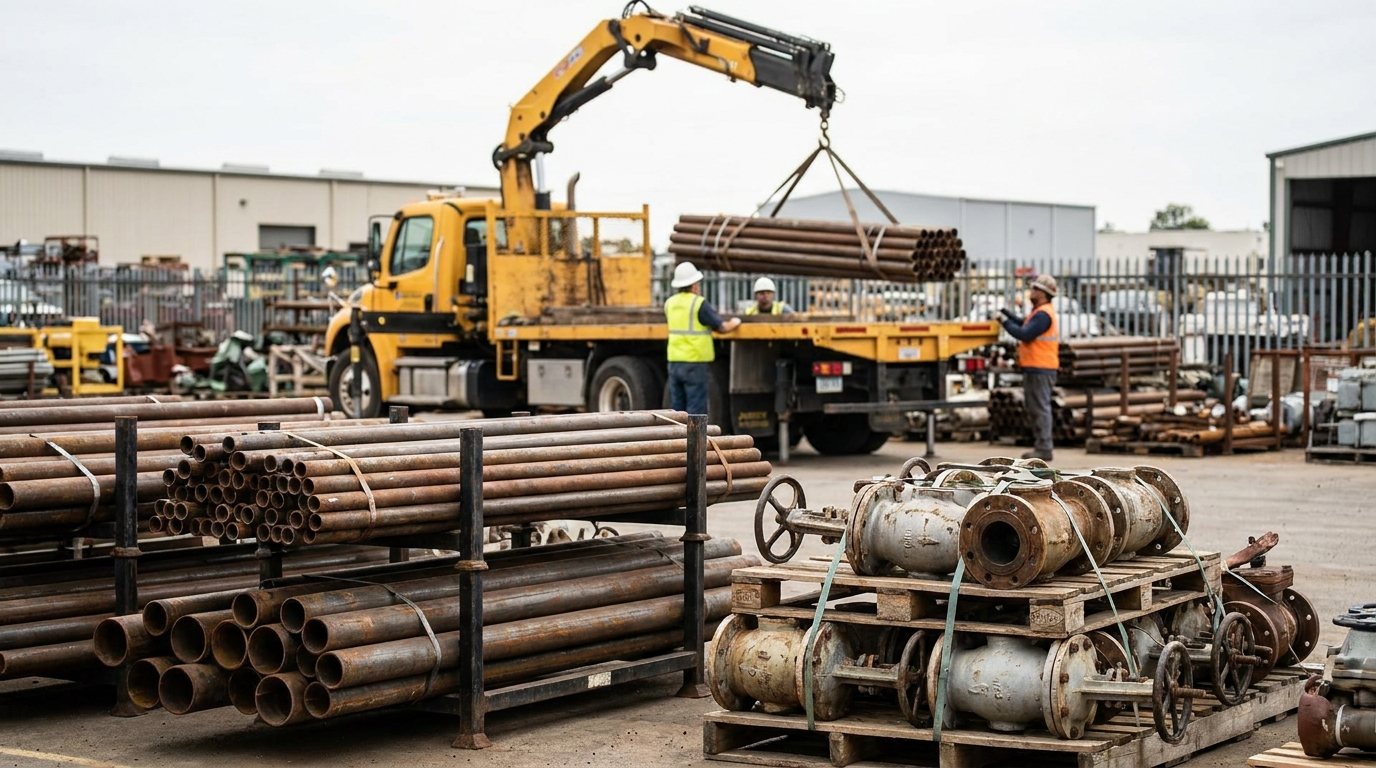
Eight major PVF distributors ranked by revenue and archetype, with the Digital Readiness Index showing why most of the vertical's scale sits behind a login wall.

Industrial Piping Specialists ranks #6 in PVF on MDM's 2026 Top Distributors list. Here's how a private, Tulsa-founded oilfield distributor stayed independent.
ASAP Network hands member dealers import-ready files for 303 aftermarket brands. Here is what that actually gets you, what it structurally cannot get you, and what to add.

Six leading plumbing distributors ranked and scored on the Digital Readiness Index — where a $2.6B family business out-digitizes a $31.3B public giant.

Mingledorff's spent 87 years as Carrier's exclusive Southeast distributor, then Home Depot's SRS bought it. Inside the acquisition and the model that built it.

We rebuilt our own crawler to measure 73 distributor storefronts. 37 let a plain HTTP client reach a product page. The other half needed proxies, headless browsers, or a second unblocking vendor — infrastructure no AI shopping agent has.
A trail rider, an upfitter, a shop foreman, a fleet manager and a restorer ask five different questions about one part number. Network files answer the average. Here's what per-persona enrichment looks like.
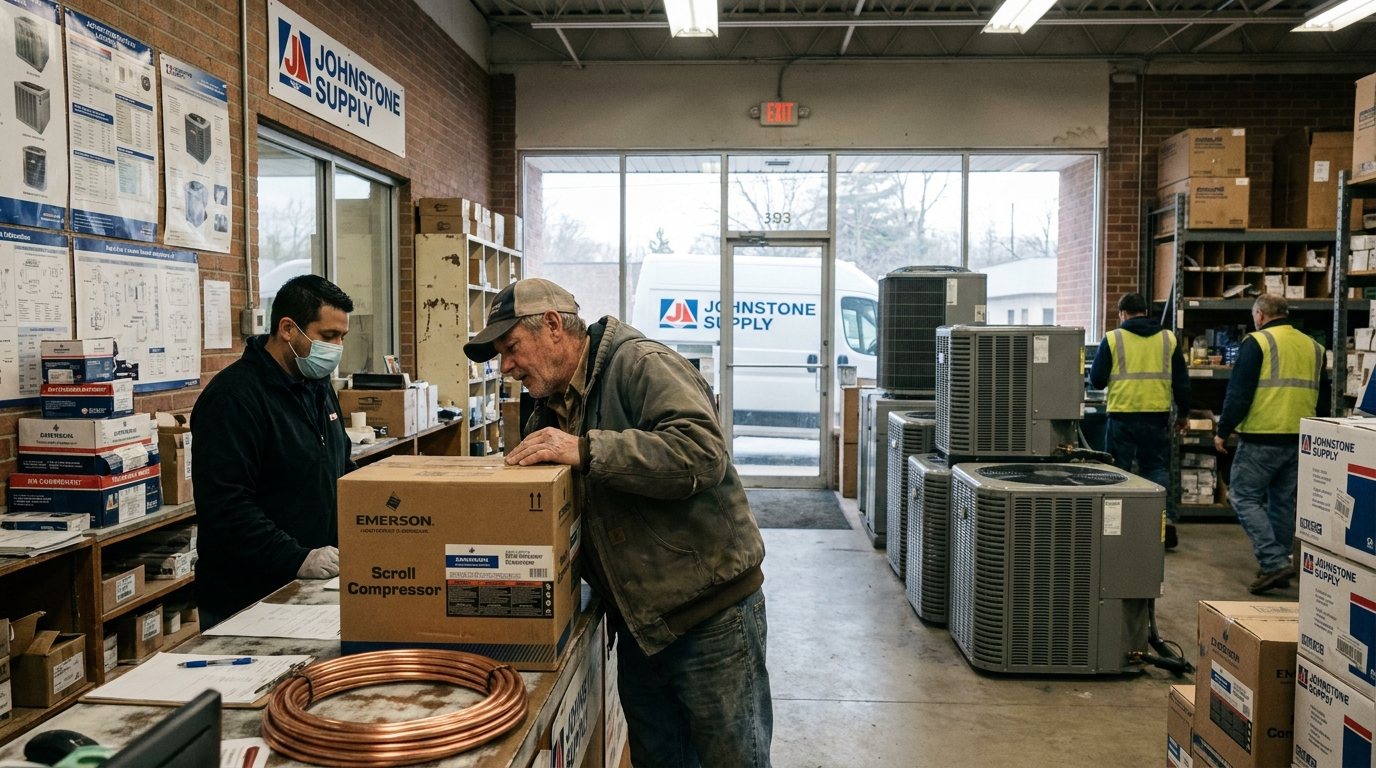
Johnstone Supply ranks HVACR #2 on MDM's 2026 Top Distributors list. Its real edge is an owner-operator model few rivals in the vertical have copied.
Fitment data gets your part into the filtered result. It does nothing to decide between the four parts that all fit. That second layer is where aftermarket catalogs lose the sale.
Grainger tops HVACR's Digital Readiness Index at 66, ahead of every specialist, while Ferguson, the vertical's largest revenue player, scores lowest at 58.

McCoy's Building Supply ranks BM #19 on MDM's 2026 Top Distributors list. How a fourth-generation Texas family kept it after Home Depot nearly ended it.

Twenty major building materials distributors ranked by revenue and archetype, with a Digital Readiness Index read on why only one carries a score so far.
Ferguson and Grainger top MRO distribution's revenue table but land at opposite ends of the Digital Readiness Index across the 25 companies on the MDM MRO list.
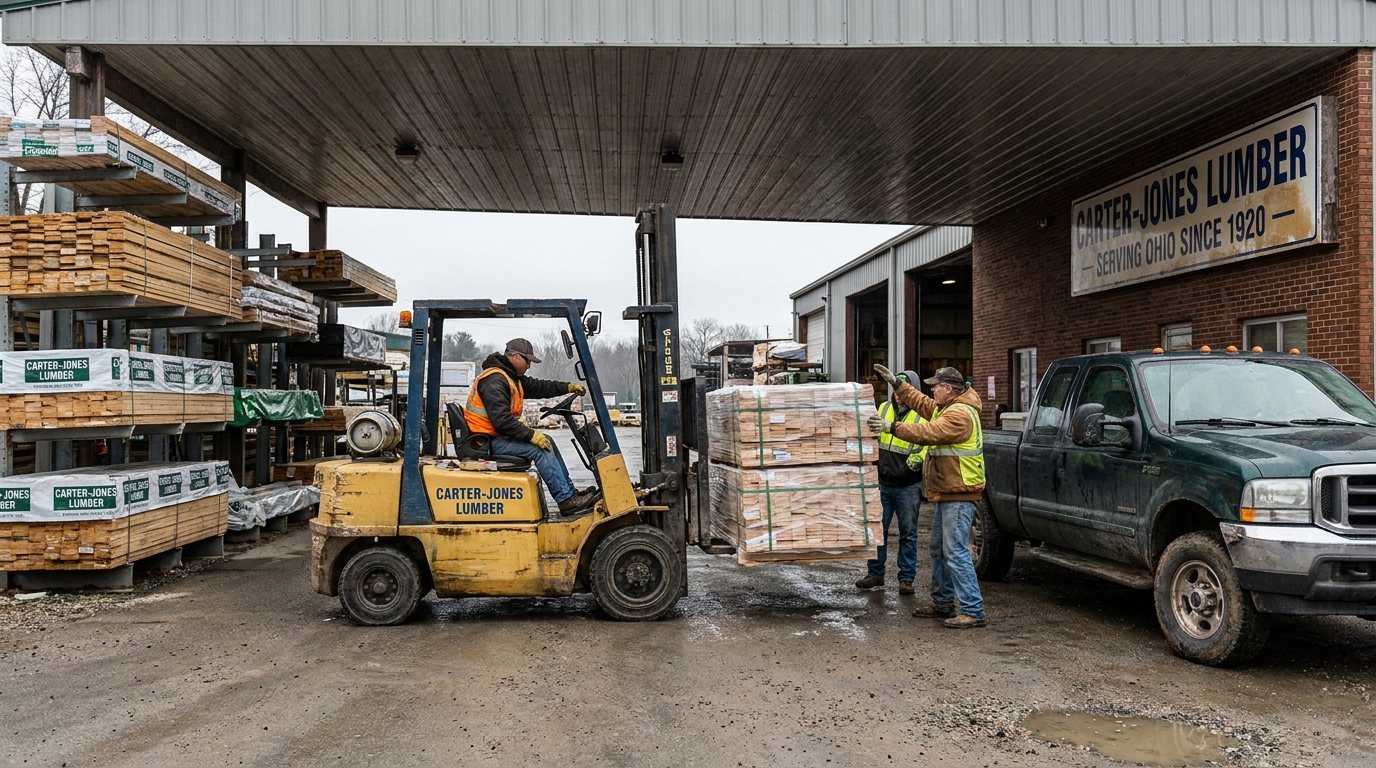
Carter-Jones Lumber ranks BM #13 on MDM's 2026 Top Distributors list. Still family-run after 94 years, it buys yards and keeps their names on the sign.
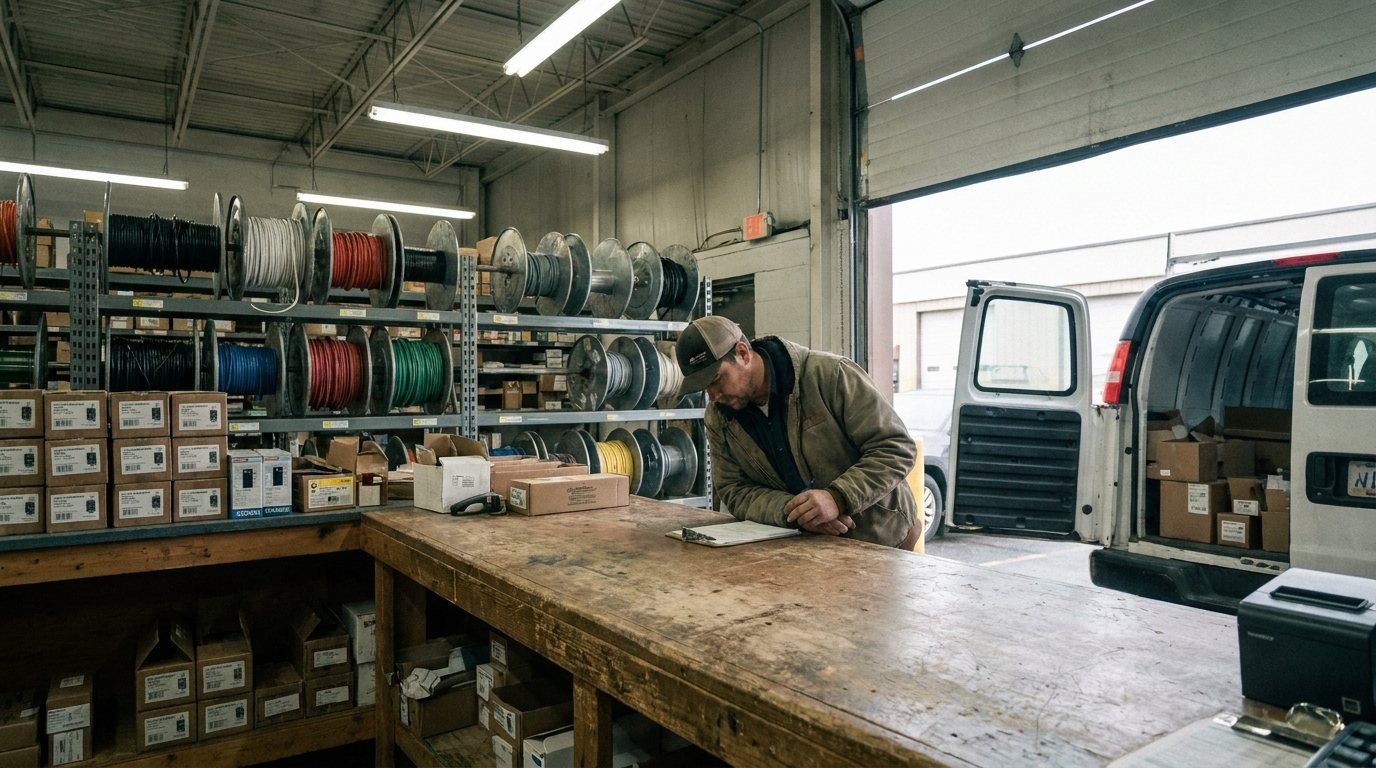
Six of 40 electrical, data, and security distributors now hold a measured DRI; Grainger leads at 66, while the group's biggest name, Wesco, scores lowest at 40.
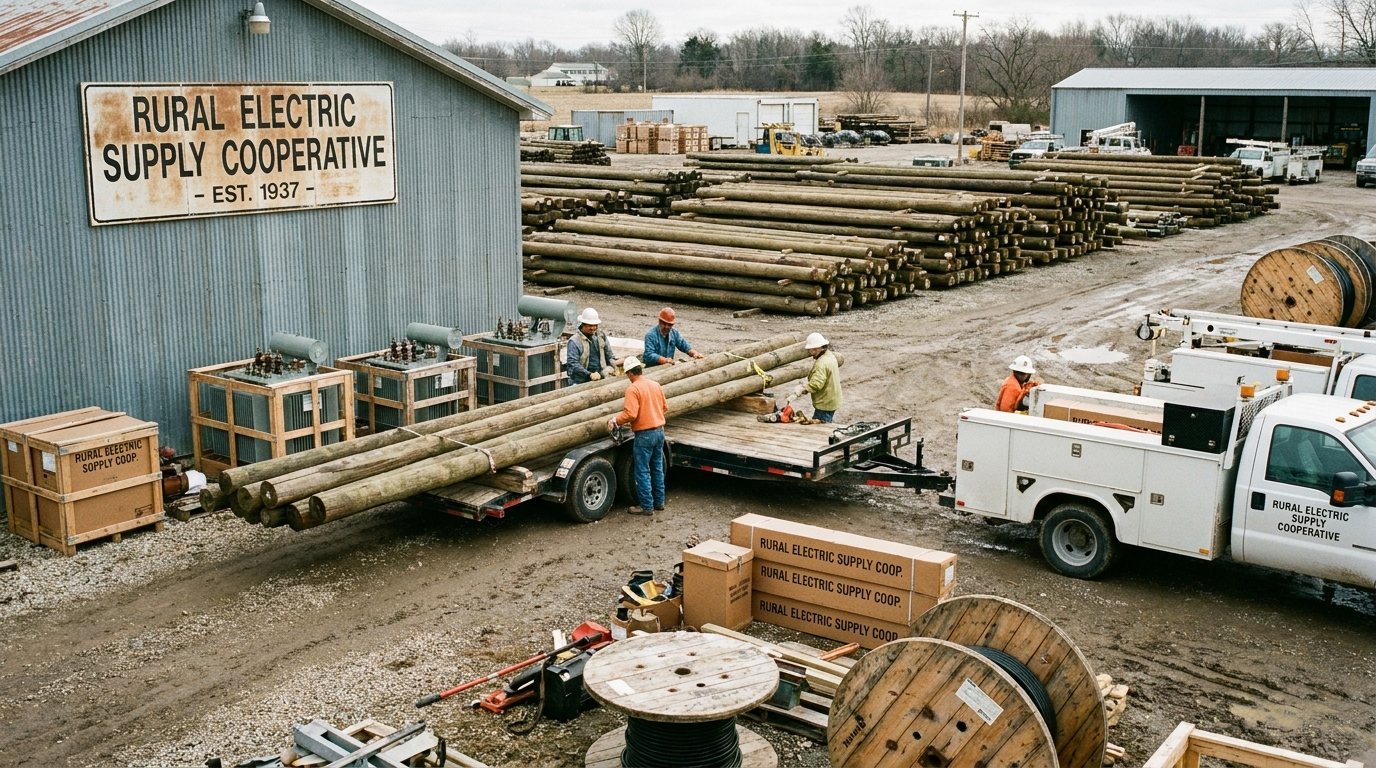
RESCO ranks #37 on MDM's 2026 Electrical Top Distributors list. Its cooperative-to-cooperative supply chain beat the industry's worst transformer shortage.
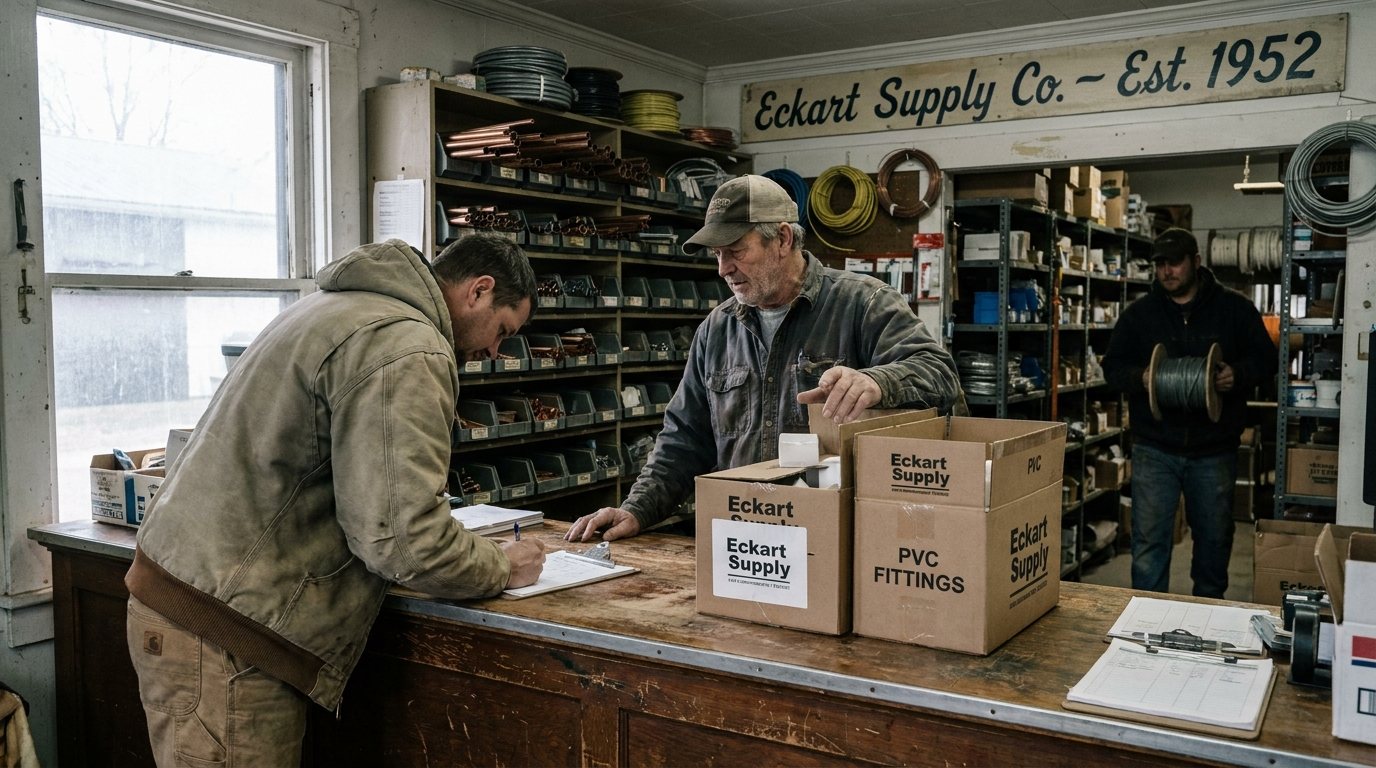
Eckart Supply ranks No. 29 on MDM's 2026 Electrical Top Distributors list. Here's how a 1962 Indiana supply house built a roll-up on succession gaps.

Ferguson leads industrial supply by revenue but posts the weakest product-data score of the group. Grainger, MSC and F.W. Webb top the Digital Readiness Index.
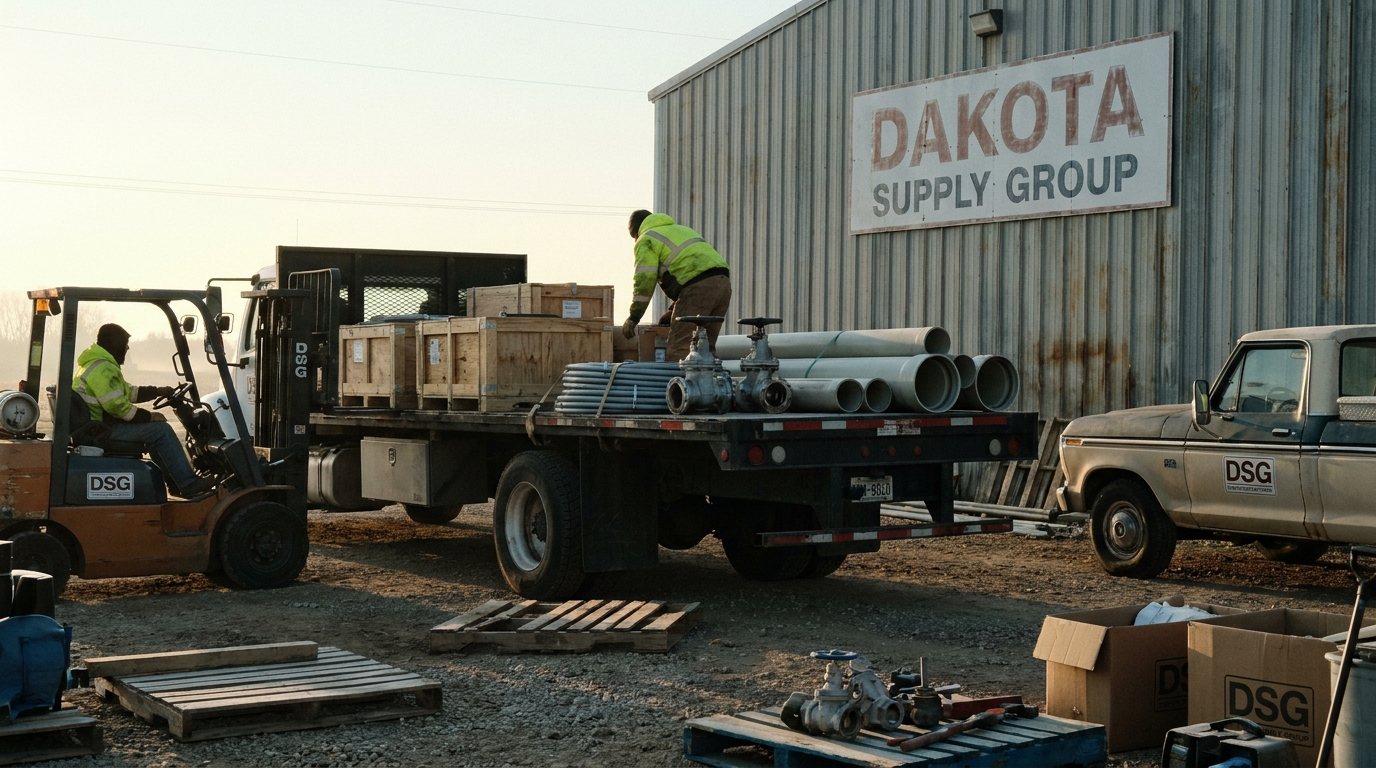
DSG ranks No. 27 on MDM's 2026 electrical distributors list. Its real story is the eight ownership changes that pushed employees to buy the company back.
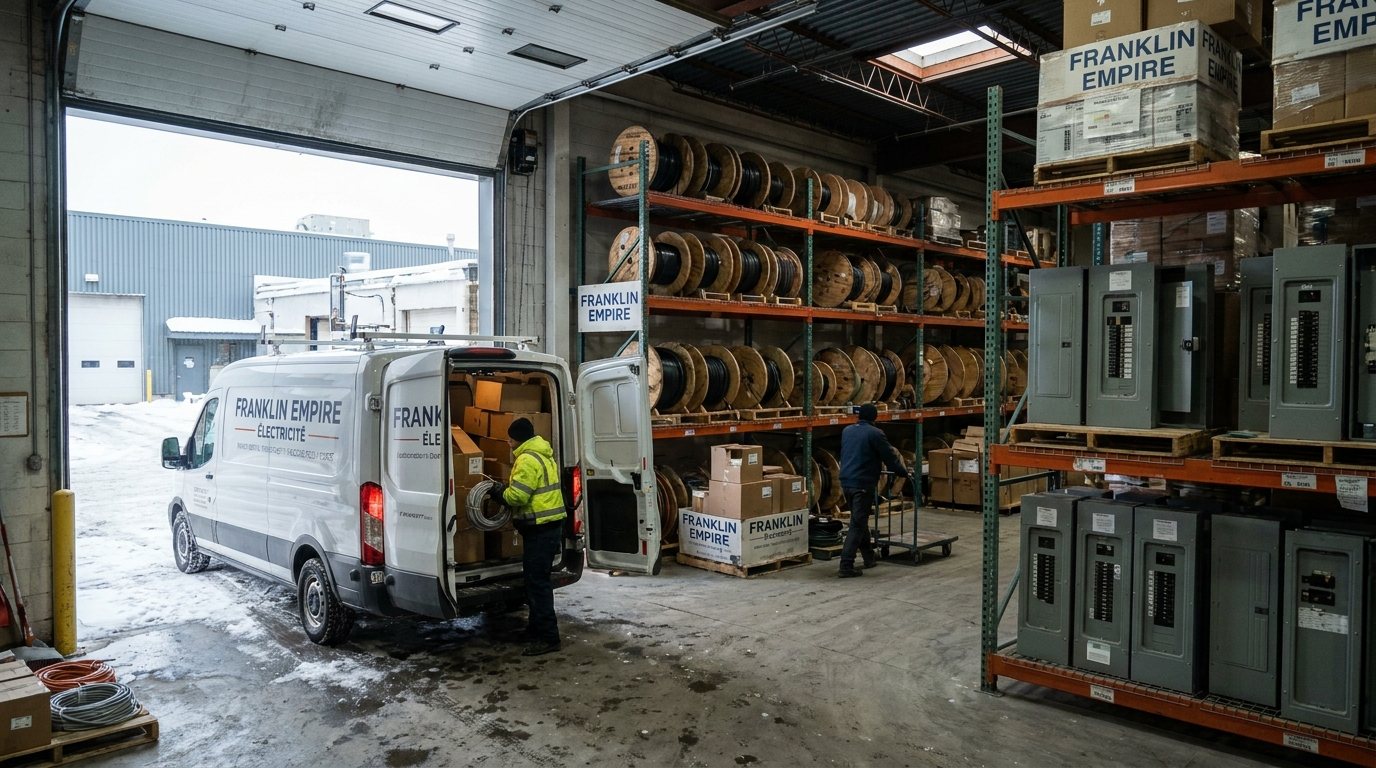
Franklin Empire ranks #23 on MDM's 2026 electrical list. Here's how the fourth-generation, family-owned Montreal distributor stayed independent.
We sampled live product pages from 37 major distributors and scored identifiers, content, pricing and machine access. Revenue rank barely moved the needle.

Reps don't override list price out of habit. They override it because a thin catalog page can't defend the number — and no pricing engine fixes that.
PIM, enrichment, syndication, feeds, copy generation and digital shelf analytics solve six different problems and share one vocabulary. Here's how to tell which layer is actually blocking you before you sign anything.
Catalogs are organised in manufacturer language and shopped in buyer language. The gap shows up as null-result searches, unused facets, and products that answer engines never surface — and it's fixable in the attribute layer.

Launch, list, or stay out — the marketplace choice actually turns on whether your catalog can produce a syndication-grade product record at all.

Pilots don't die from bad models, they die from output nobody can count. A selection test for which AI project actually ships first, and why.

We measured 37 distributor catalogs against 14 machine-readability signals. Median score: 58/100. Most SKUs are still invisible to AI buying agents.

A sales copilot only knows what your catalog tells it. Before you buy one, audit whether your product data can actually answer a rep's questions.

Agents read fields, not pages. What a distributor or manufacturer catalog actually needs — MPN-first identity, UNSPSC/ETIM classification, spec attributes, UOM and pack hierarchies — and how to get it into schema and feeds.
In industrial distribution, most SKUs will never have a GTIN. Brand plus manufacturer part number is the key that actually resolves — and supersession is what breaks it.

The long tail isn't structurally unprofitable — manual SKU setup is. Automate item enrichment and the tail becomes your cheapest availability moat.

A revenue-weighted sampling audit that tells you whether enrichment is worth funding — which gaps block retrieval, which only weaken it, and what an AI crawler really sees.

Required feed fields make a SKU eligible. Fitment, ratings, certifications, install requirements, and companion parts are what actually win the agent's pick.

Ninety-odd terms from the AI search vocabulary, organized by where they bite in a real catalog — crawler access, rendering, retrieval mechanics, surfaces, the product record, feeds and protocols, entity trust, and measurement. Each term links to a full definition.

Four protocol names land in the same meeting and get treated as one decision. They aren't. Here is which is a feed, which is checkout, which is live data, and what a distributor should ship first.
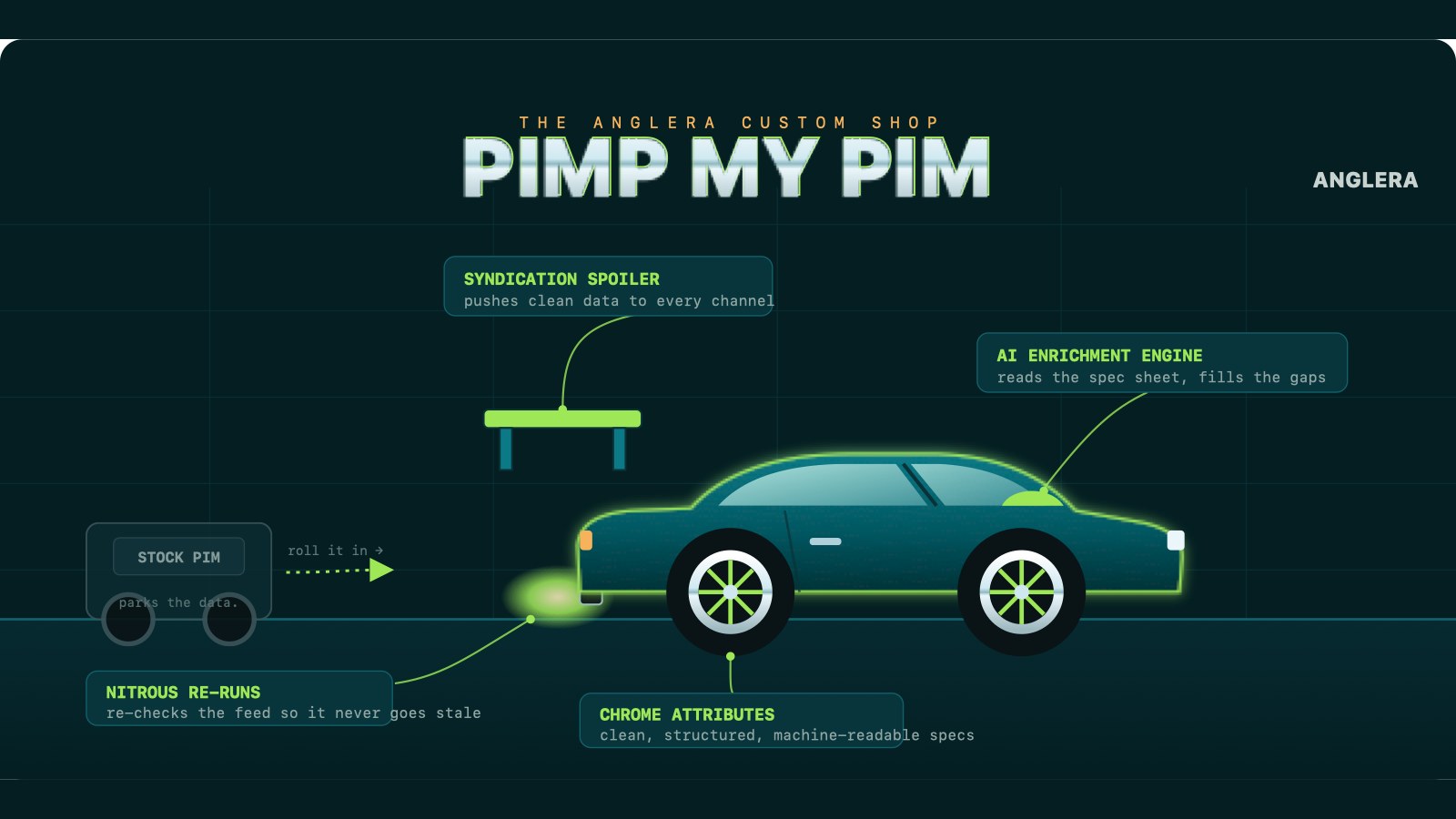
A PIM is a beautiful garage for your product data. It still won't fill the gaps, clean the specs, or push to every channel. Here's the tune-up it's missing.

AI engines don't rank distributor pages, they cite machine-readable specs. Most distributor catalogs aren't built to be cited yet.

Distributors keep giving away the one value-added service buyers will actually pay for: verified product data. Here's the proof and the fix.

Distributors track account churn and miss the real leak: buyers quietly move categories elsewhere for two years before an account ever "leaves.

A specialist's catalog is the new branch — it scales at content cost, not real-estate cost, and it's leaking share from branch-heavy incumbents.

Before touring a robot vendor, audit your item master. Missing weights, dims, and UOM data quietly wreck DC automation ROI models.

Content subscriptions promise a finished catalog. What they deliver is the same catalog as every other subscriber — with the gaps in exactly the SKUs where you make your margin.

Syndicated content makes every distributor's product page identical. Search consolidates duplicates, AI engines cite one answer, and the only lever left is price.

AI shopping assistants retrieve products by noun phrase, not keyword. Here's the five-question anatomy of a product phrase — and the attribute column behind each answer.

Content pools quote manufacturers signed and SKUs in the library. The number that decides your outcome is how much of YOUR item file they match — and why the misses aren't random.

Tariffs don't decide who requotes fast — catalog attributes do. Country-of-origin and cross-reference data are the real tariff-agility gap for distributors.
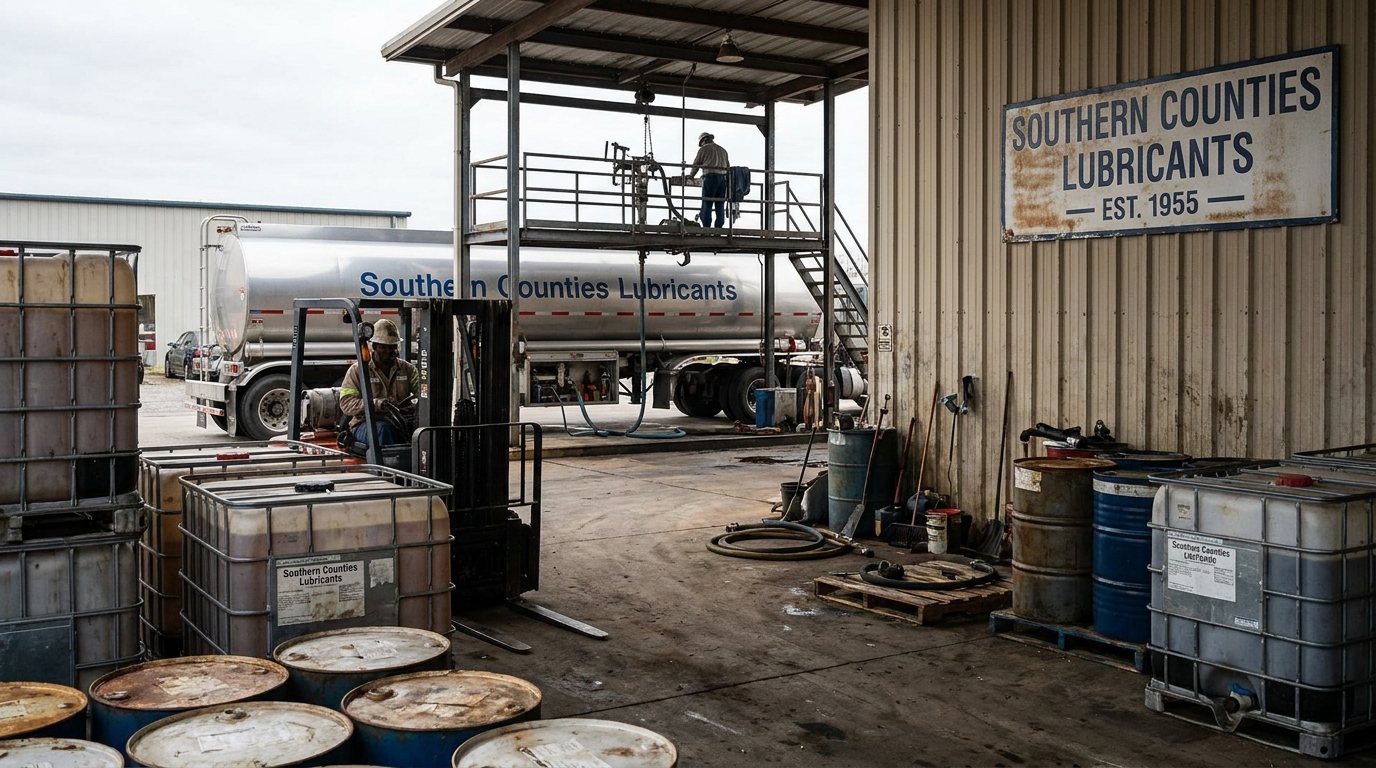
Southern Counties Lubricants made the 2026 MDM Top Distributors list by staying independent while its fuel-side namesake sold to Pilot Company.

Smitty's Supply made the 2026 MDM Top Distributors list in Lubricants & Fuels. Its real story: a van, a nickname, and a bet on selling against itself.

Senergy Petroleum made Modern Distribution Management's 2026 Lubricants & Fuels list. Here is how three mergers under one president built it.
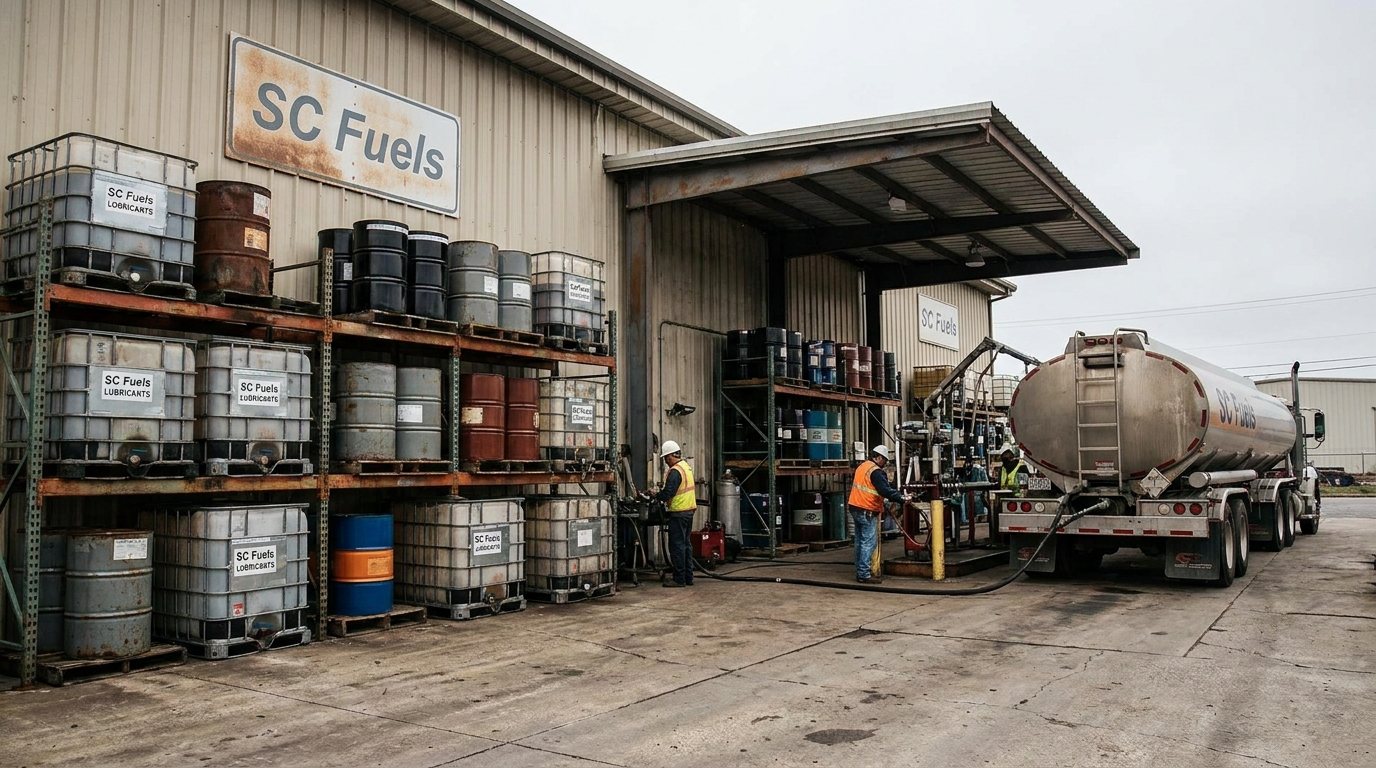
SC Fuels built a West Coast fuel and lubricants network over 95 years, then joined Pilot and Berkshire Hathaway in 2021 and kept acquiring anyway.

Pricing modernization keeps stalling at mid-cap distributors. The real blocker isn't sales culture — it's an item master that can't feed the engine.

Measured data from 200+ distributor sites shows replatforms fail for data reasons, not platform reasons. Audit the catalog before you sign the SOW.
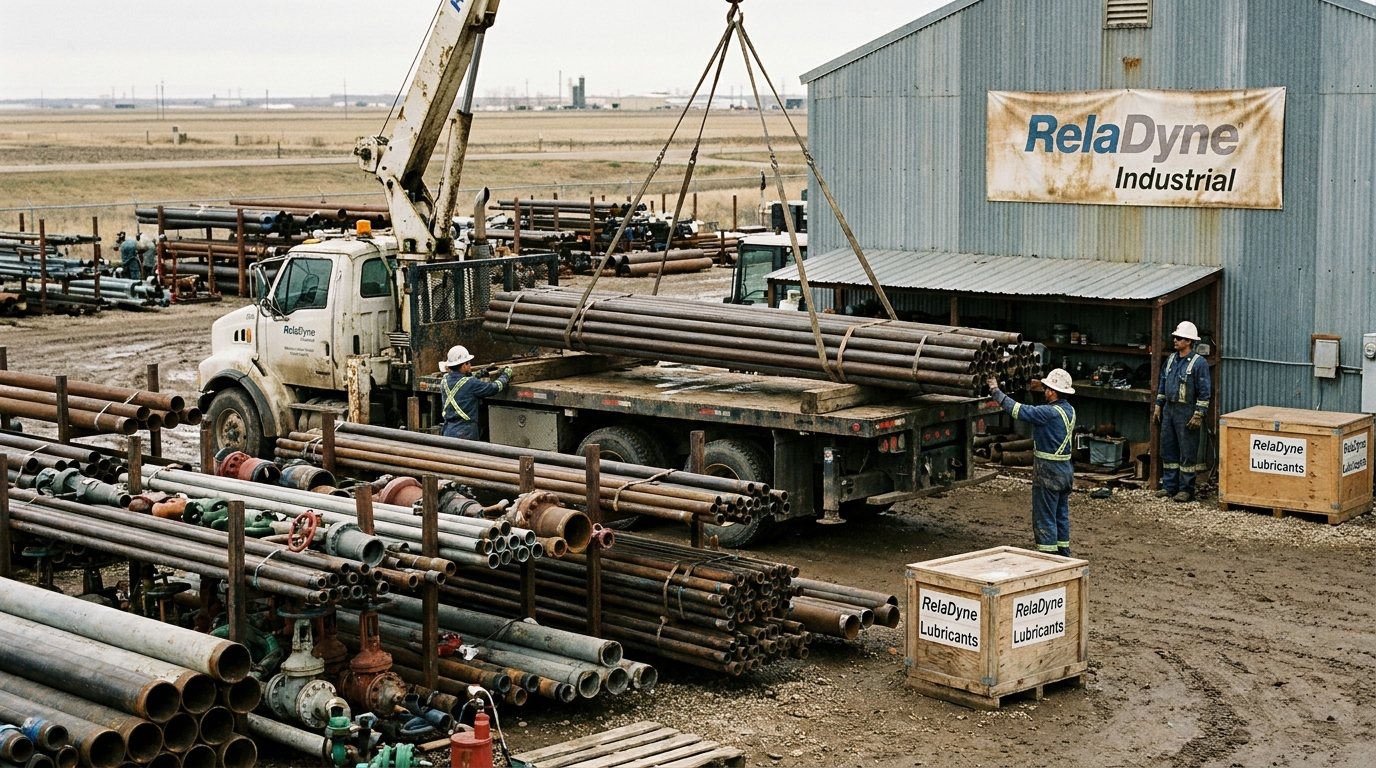
RelaDyne made MDM's 2026 Top Distributors list in Lubricants & Fuels. Its edge isn't the oil in the drum, it's the service wrapped around it.
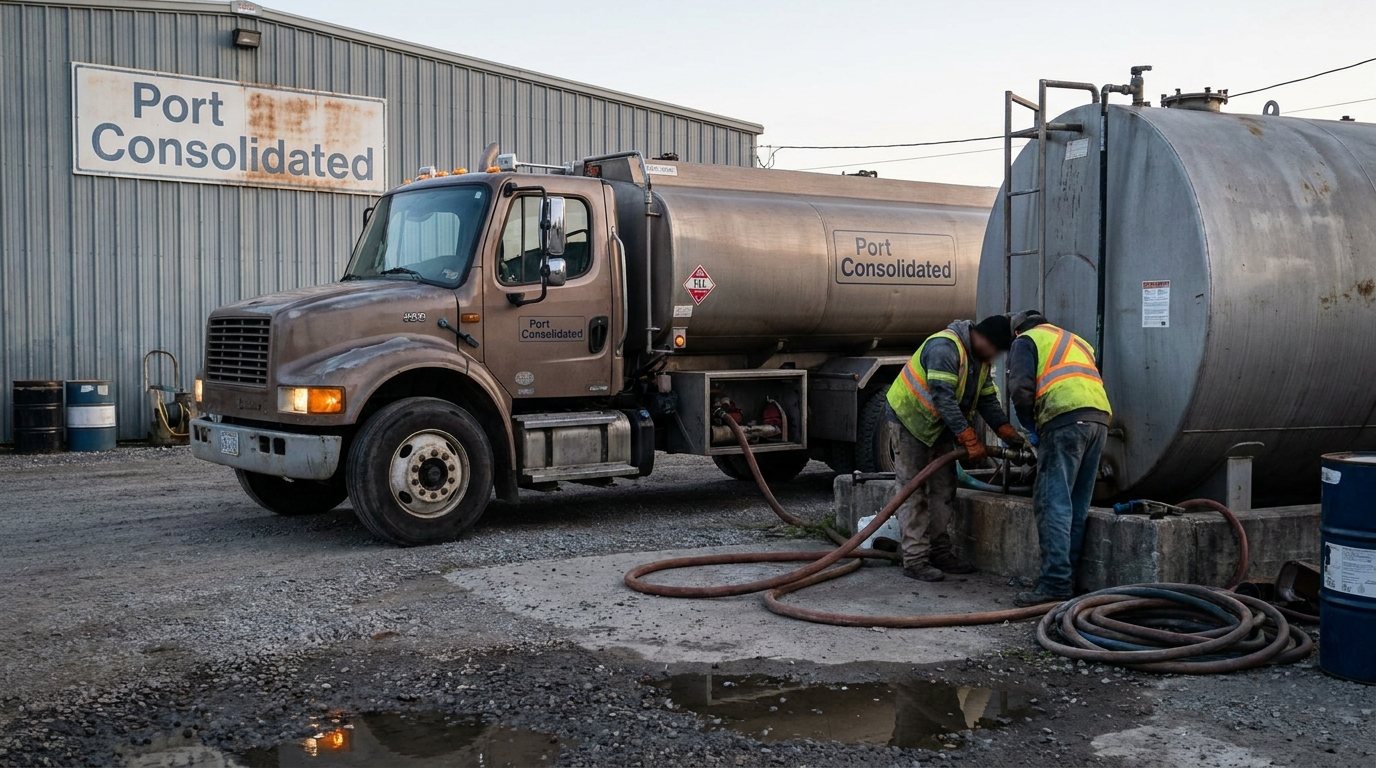
Port Consolidated made MDM's 2026 Top Distributors list in Lubricants & Fuels by staying in Florida and building depth at its ports instead of chasing states.

Pilot Thomas Logistics didn't grow from one shop. It was merged from a Permian Basin fuel jobber and a truck-stop giant's logistics arm in 2014.

Distributor pilots die on the long tail, not the demo. Why production-scoped slices — not cleaner pilots — are the fix, and what it costs to run one.
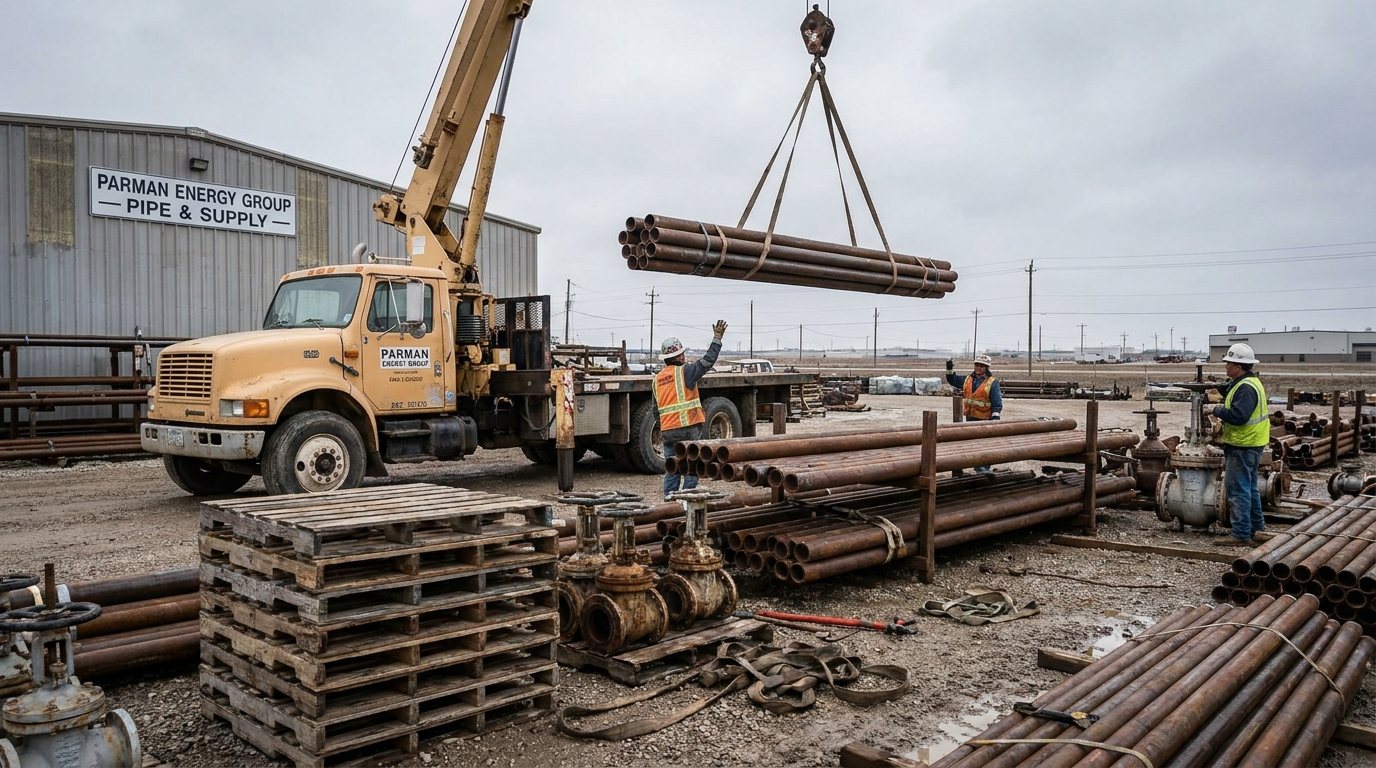
Parman Energy Group made MDM's 2026 Lubricants and Fuels list. Here's how a 1930s Nashville jobber became employee-owned and bought a tractor dealer.

Moove's US arm passed through four private equity owners in 14 years before a Brazilian energy group bought it and retired a 53-year-old name.
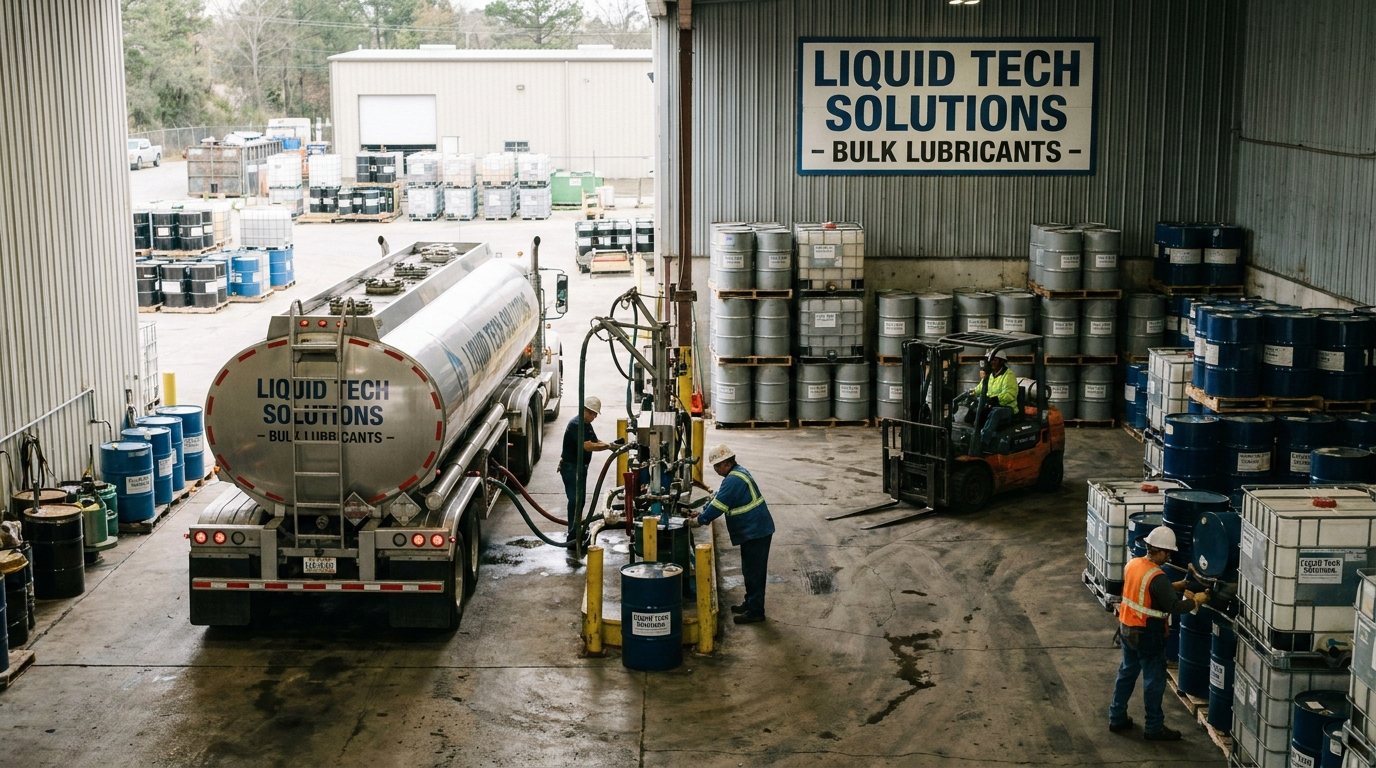
Liquid Tech Solutions made MDM's 2026 Lubricants & Fuels list by skipping branches entirely, building a mobile fueling network through a five-year acquisition run.
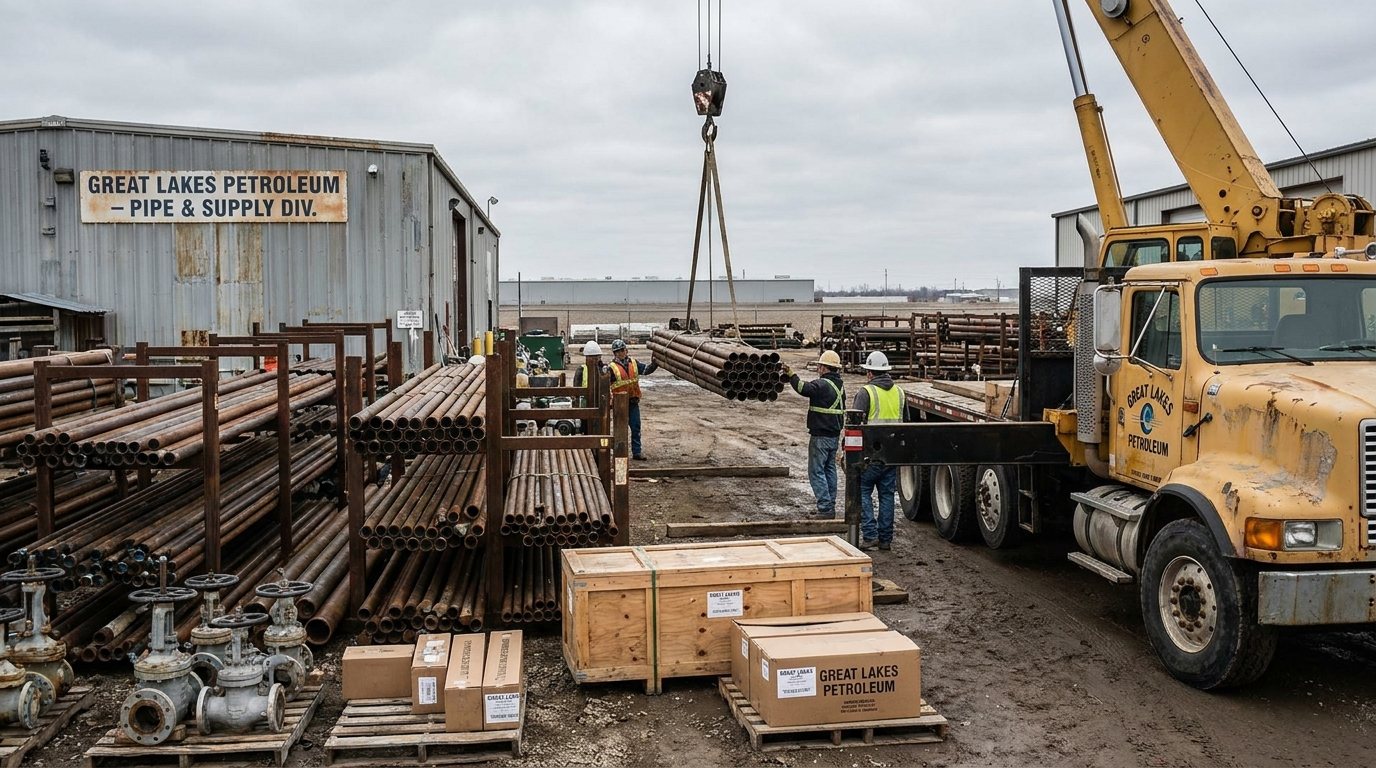
Great Lakes Petroleum made the 2026 MDM Top Distributors list in Lubricants & Fuels. Its real story is a one-truck fuel hauler's slow reinvention.

Going-direct is a channel-economics debate. The real disintermediation risk is at the answer level, and most distributor PDPs are training AI to skip them.

Dilmar Oil Company made MDM's 2026 Top Distributors list in Lubricants & Fuels. Here is how a 90-year-old family jobber built a closed-loop reclamation business.

Colonial Group made the 2026 MDM Top Distributors list in Lubricants & Fuels. Here is how a 1921 Savannah oil startup stayed family-run for four generations.
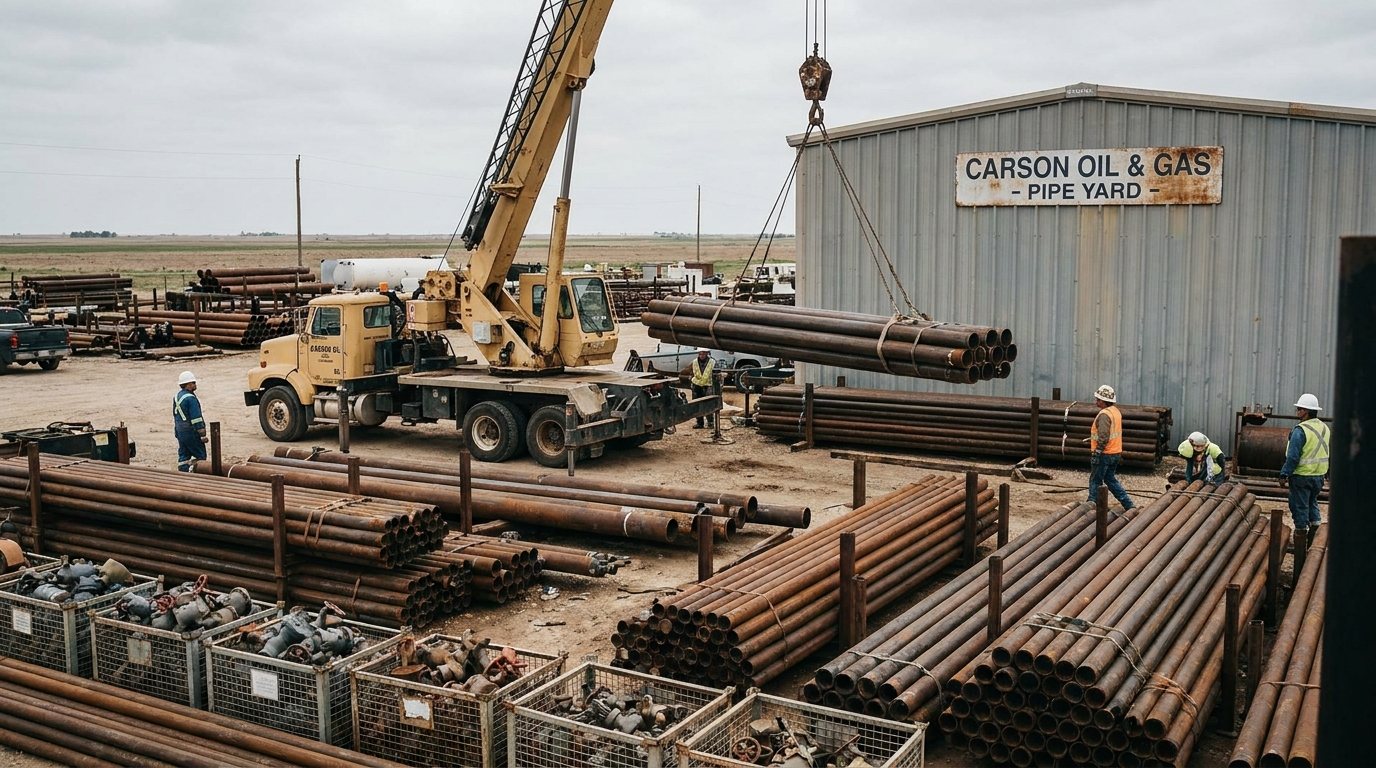
A 2026 MDM Top Distributor in Lubricants and Fuels, Carson Oil has stayed family-owned for 85 years even as ownership passed from one surname to another.

US Foods lands on MDM's 2026 Food & Beverage distributor list at $39.4B. A killed Sysco merger, not a signed one, shaped how the company actually grew from there.
Southern Glazer's Wine & Spirits, named in 2026's MDM Top Distributors Food & Beverage list, was built by merging two rival family firms in 2016.
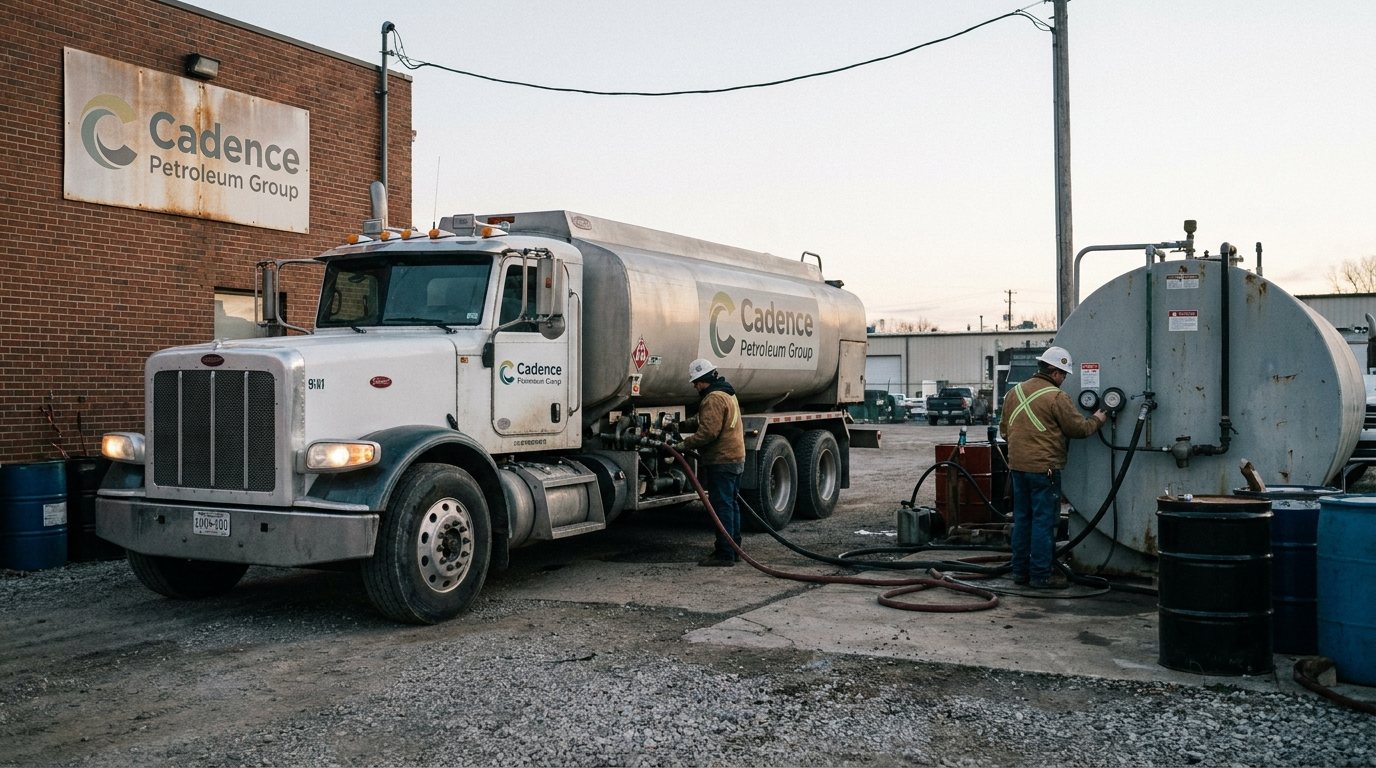
Cadence Petroleum Group made MDM's 2026 Top Distributors list in Lubricants & Fuels. Here's how a 1947 family oil business became a PE roll-up engine.
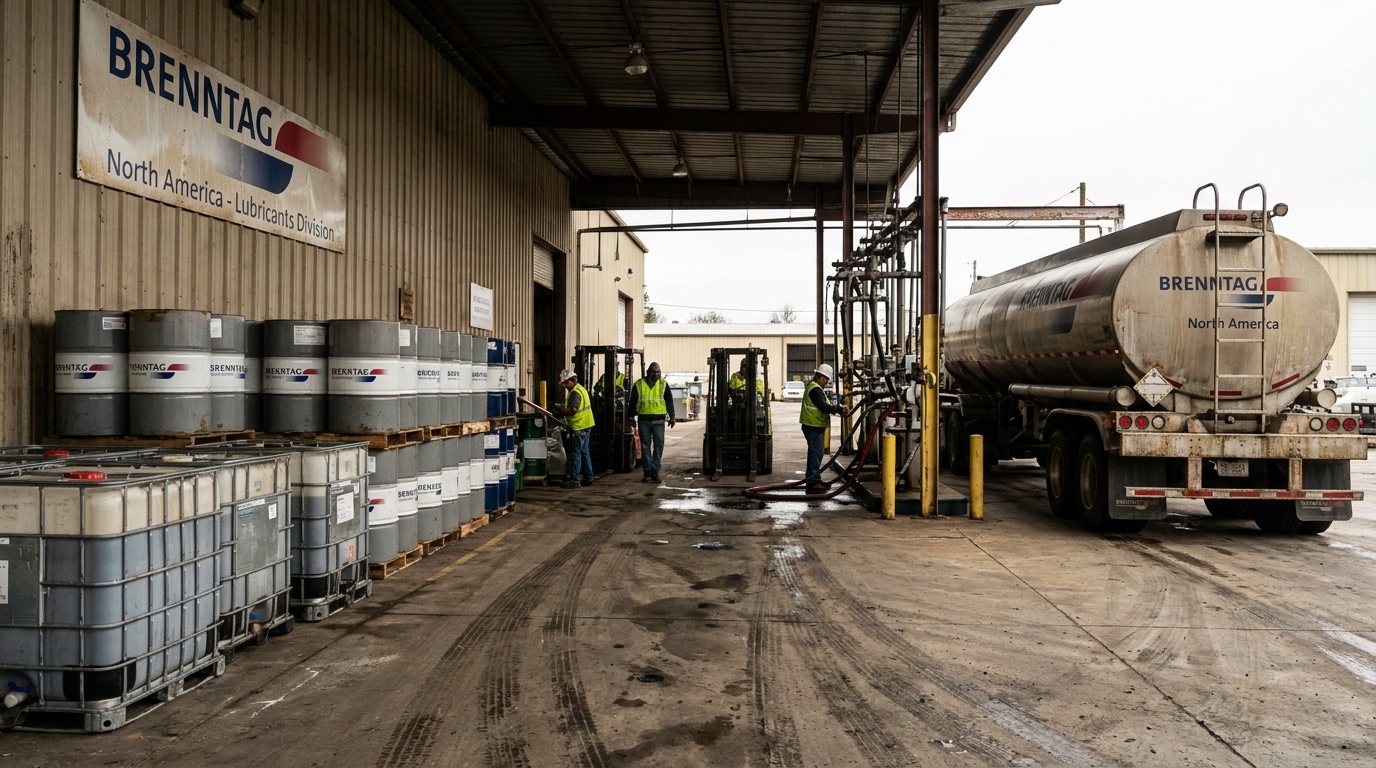
Brenntag North America made MDM's 2026 Lubricants & Fuels list. Its real edge: buy oilfield chemical specialists and keep their names on the truck.

RNDC made MDM's 2026 Food & Beverage list by merger. In 2026 it is unwinding that same footprint, and the reason why is a lesson in three-tier economics.

Performance Food Group made MDM's 2026 Top Distributors list in Food & Beverage. Inside the three-channel roll-up that walked away from a $100 billion merger.

McLane Company made the 2026 MDM Top Distributors Food & Beverage list. Here is how a company Walmart sold in 2003 still supplies Walmart's shelves today.

Sysco tops the 2026 MDM Food & Beverage list. Its local-case-growth playbook and $29.1B Restaurant Depot deal reveal how the broadline giant actually competes.

Data pools give every distributor the same product record. The differentiation, and the returns problem, live in the SKUs the pool never touched.

Gordon Food Service made MDM's 2026 Food & Beverage list while staying private. Here is the operating bet that sets it apart from Sysco and US Foods.

Why the ERP item master was never built to be a catalog, and why waiting for replatforming to finish before fixing product data costs distributors two years.

Dole plc made MDM's 2026 Food & Beverage Top Distributors list. Its real story is a Hawaiian pineapple grower and an Irish family trader merging into one company.

Cross-selling advice hasn't changed since 2012 and neither has the win rate. The fix isn't the rep — it's the incomplete catalog behind them.

Distributors keep blaming CRM vendors and adoption pushes for failed rollouts. The real culprit is an empty product record, not the software wrapped around it.

Breakthru Beverage ranks on MDM's 2026 Food & Beverage list at $8.4B. The real story: a Chicago sports family kept ownership but hired an outsider to run it.

Reps have been told to sell value for 15 years and still lead with price. The problem isn't coaching, it's that the value never made it onto the product page.
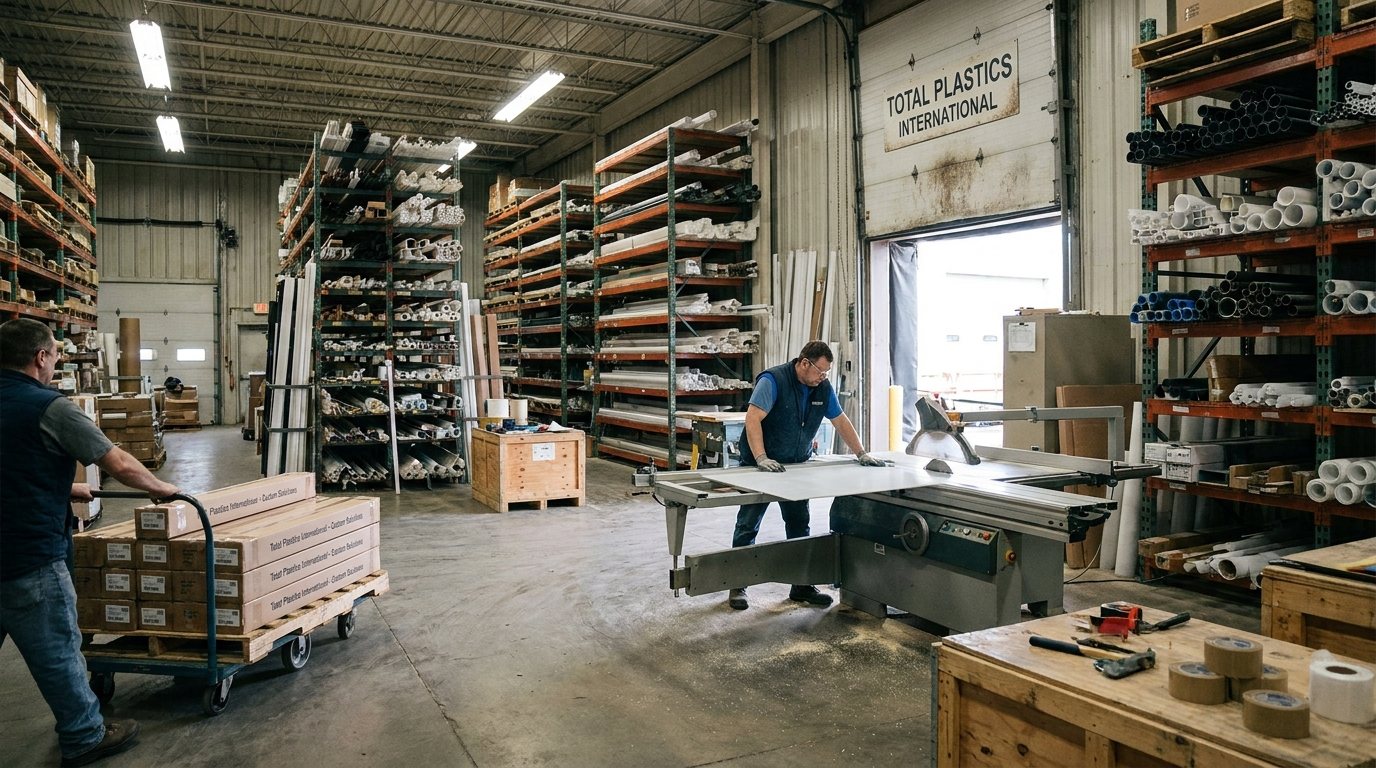
Total Plastics International made MDM's 2026 Top Distributors Plastics list, grown from a 1978 Kalamazoo warehouse without one disclosed acquisition.
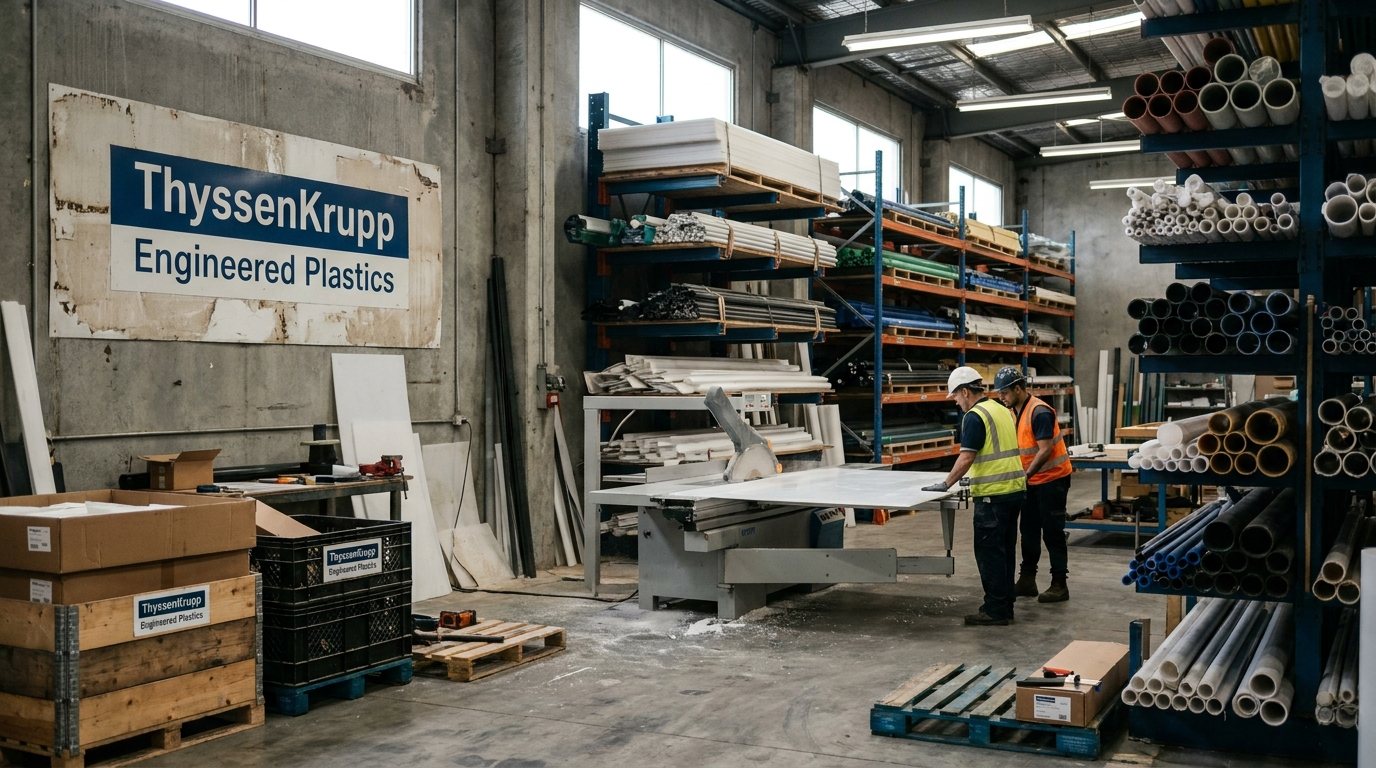
A 1970 plastics shop that became a steel giant's division is now being renamed again, as its German parent spins off as an independent company.

Ben E. Keith made the 2026 MDM Top Distributors Food & Beverage list. Here's how a private, opaque foodservice-and-beer distributor built an estimated $8B business.
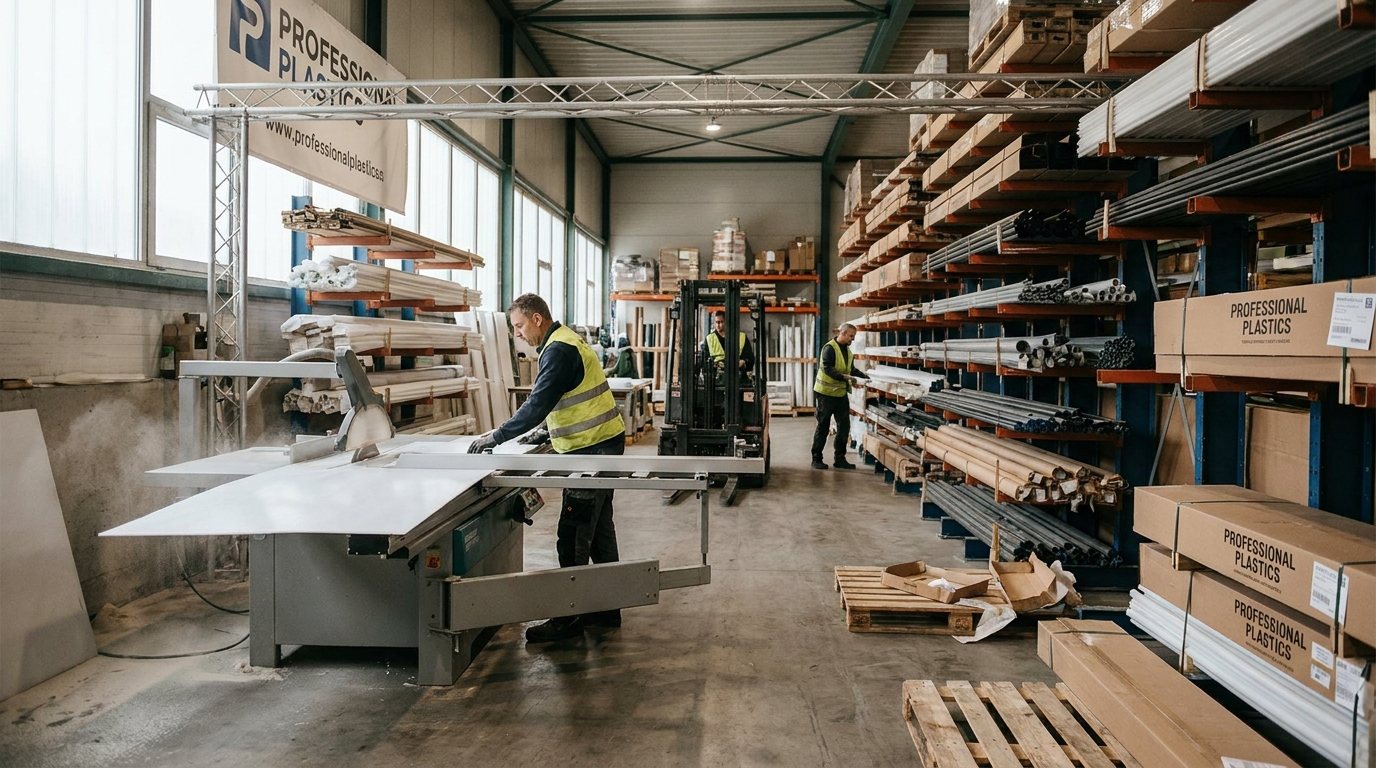
Professional Plastics made MDM's 2026 Top Distributors list in Plastics. How three brothers built a family-run engineering plastics distributor since 1984.
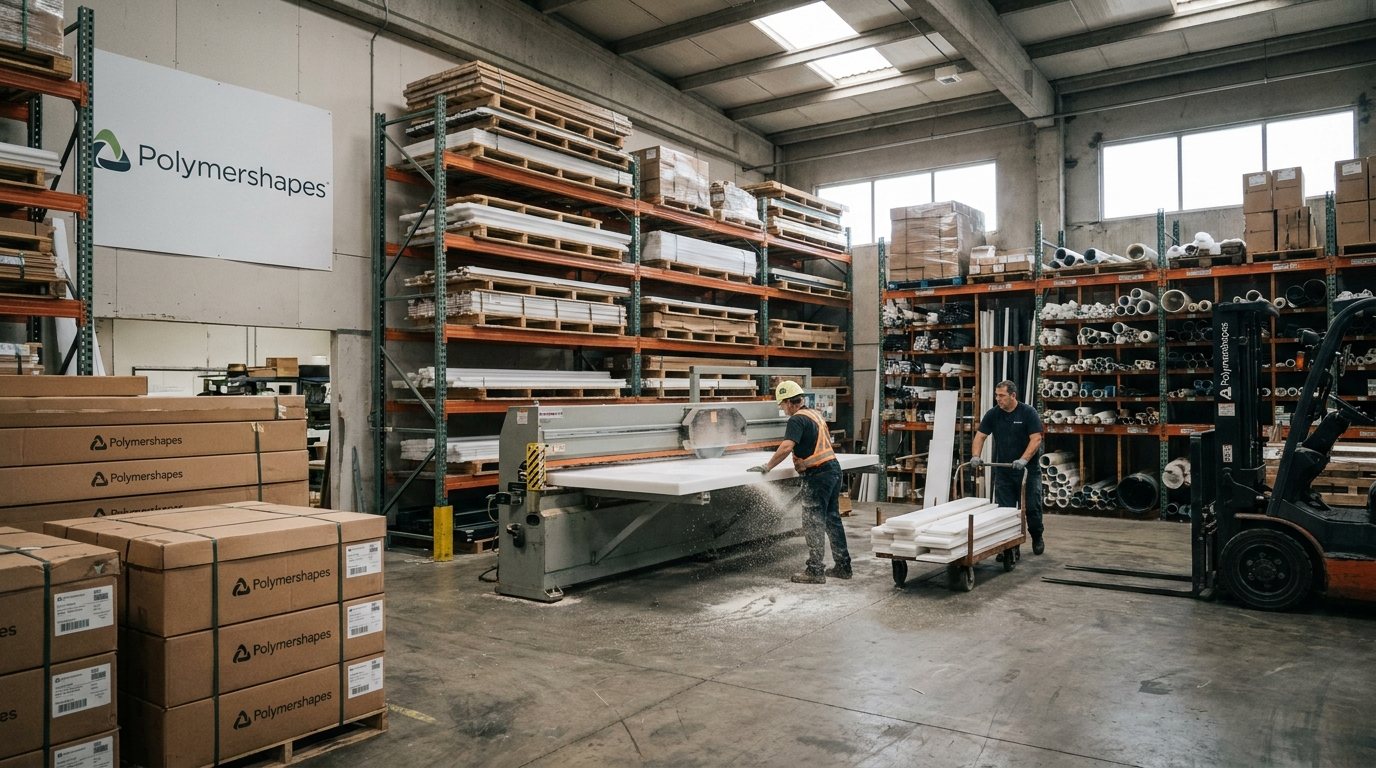
Polymershapes lands on the 2026 MDM plastics list, but its real history is stranger: born from two firms, raised inside GE and SABIC, freed in 2017.
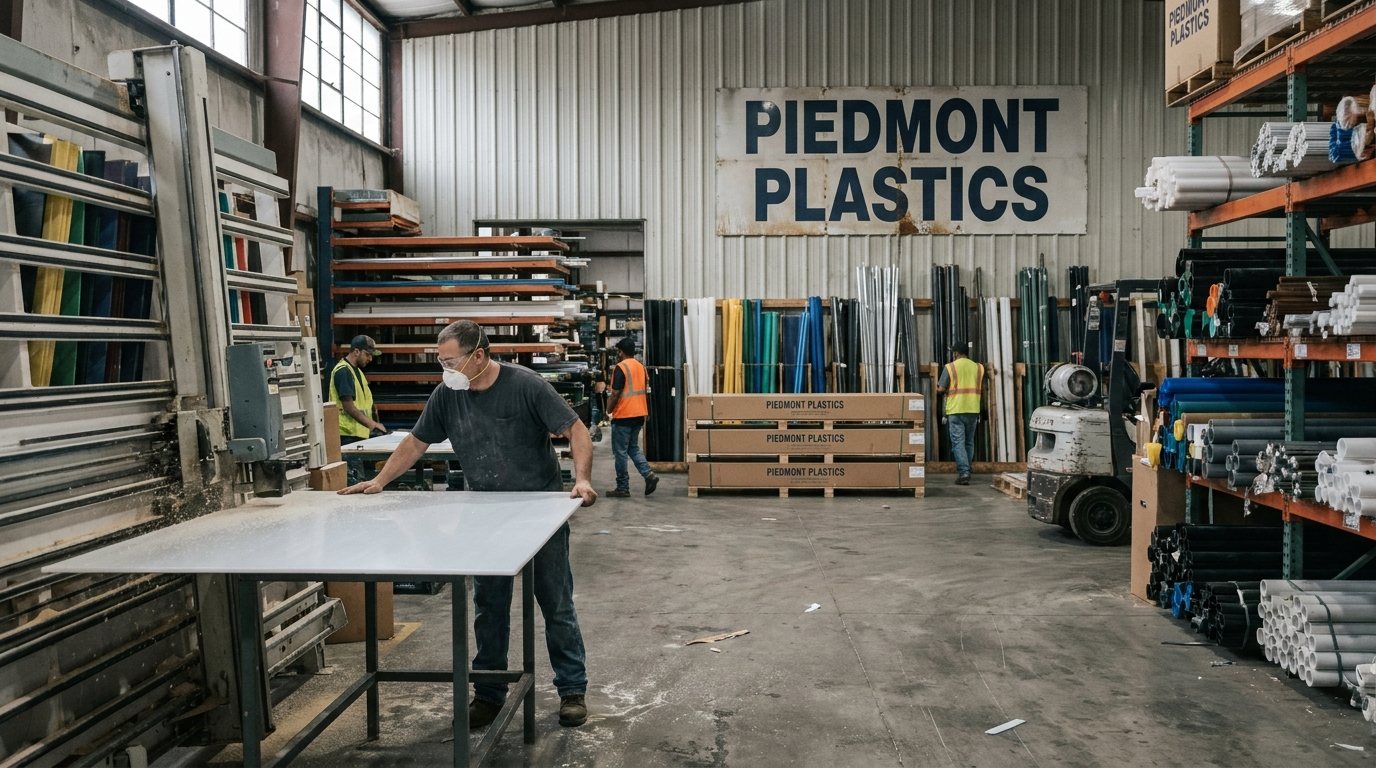
Piedmont Plastics made the 2026 MDM Top Distributors Plastics list. Its real edge: selling the same sheet, rod, and film into whatever market booms next.
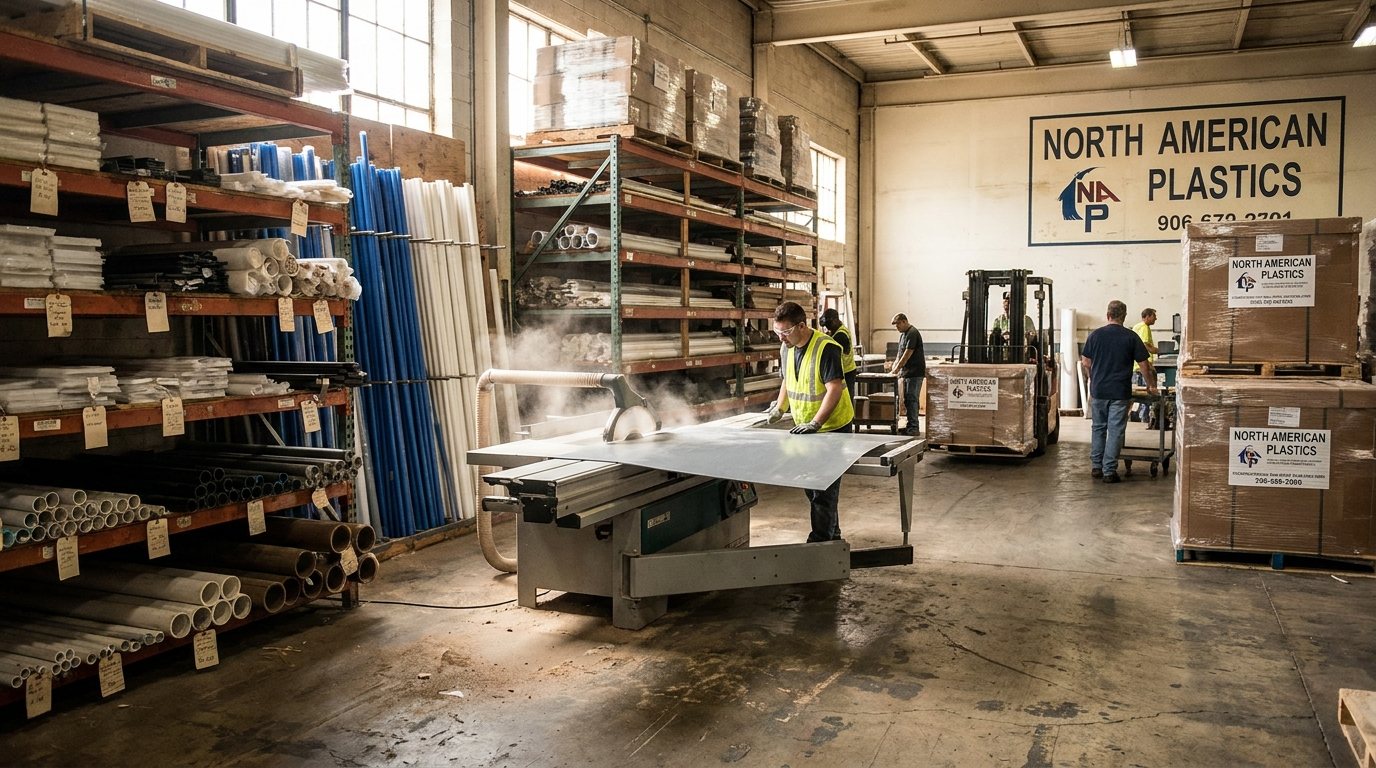
North American Plastics made the 2026 MDM Top Distributors Plastics list by refusing the one thing every rollup usually does: erase the brands it buys.

Before the layoff math, run the self-serve math: cutting cost-to-serve on small orders adds capacity, but only if product pages can close without a rep.

Interstate Plastics grew from a 1980 Sacramento startup into a plastics distributor, then chose a family-owned peer as its buyer instead of private equity.
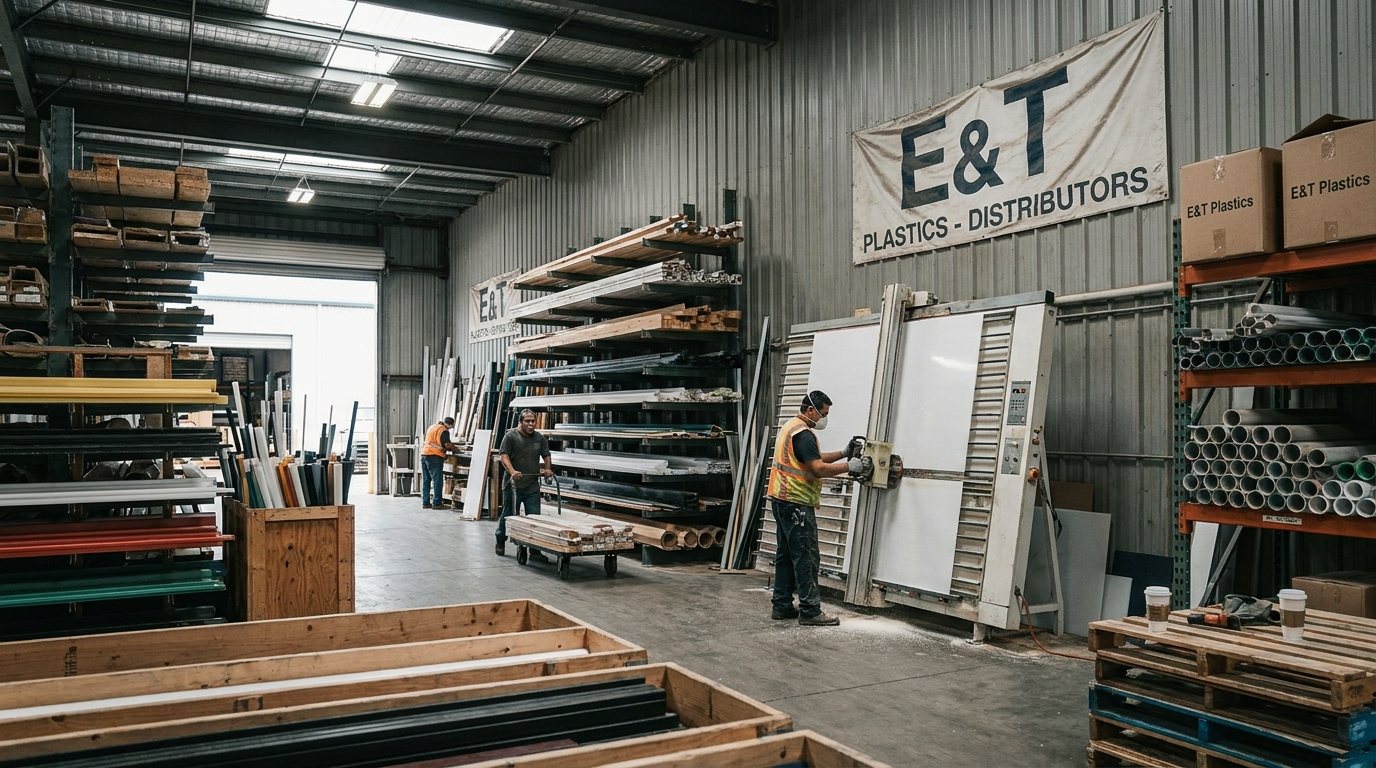
E&T Plastics made the 2026 MDM Top Distributors Plastics list. Its origin story explains a footprint that looks nothing like its bigger rivals.

Curbell Plastics made the 2026 MDM Top Distributors list in Plastics. Its origin story explains why the 80-plus-year-old company still isn't for sale.

Rudolph Bros & Co made 2026's MDM Top Distributors in Specialty Adhesives by selling technical certainty, not tape, and just went 100% employee-owned.
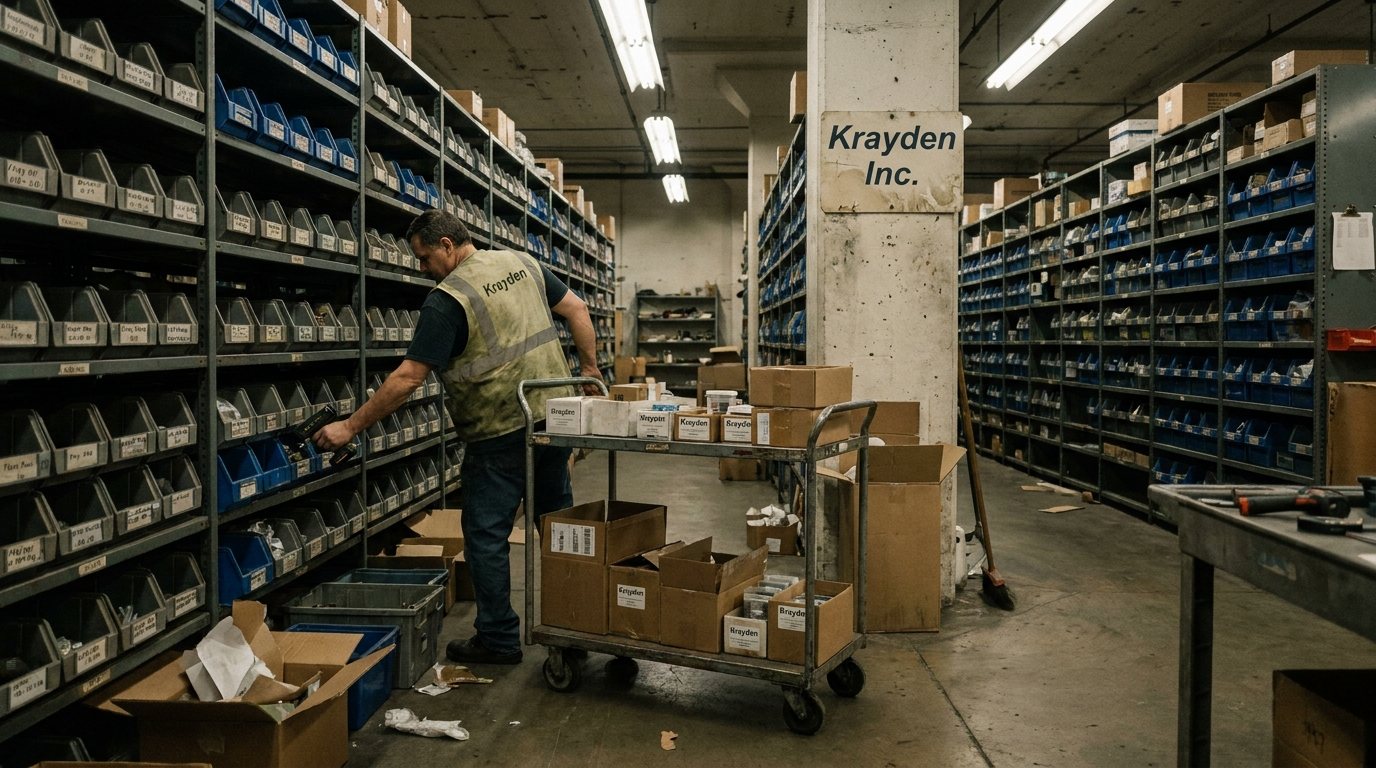
Krayden made the 2026 MDM Top Distributors list in Specialty Adhesives. Its real edge is technical sales for no-fail bonding, not catalog SKUs alone.
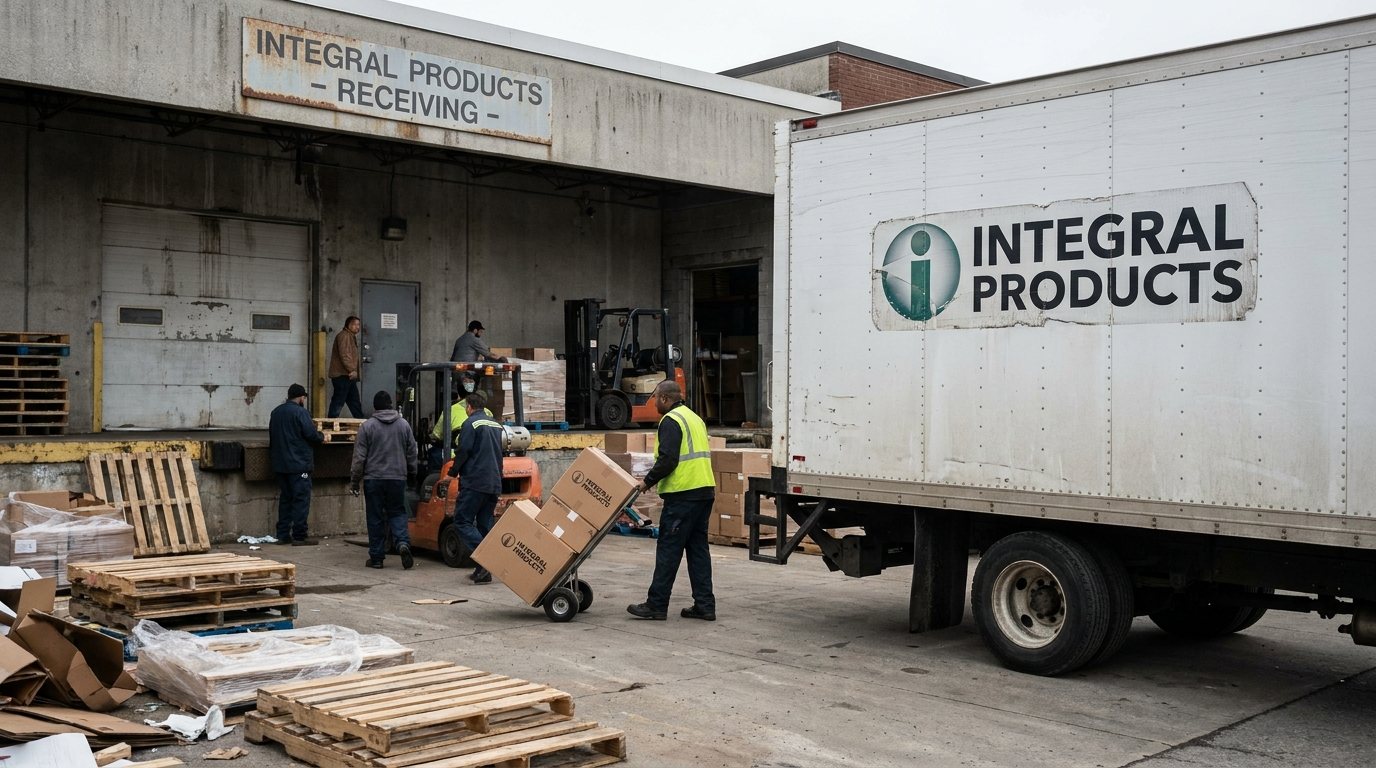
Integral Products made MDM's 2026 Specialty Adhesives ranking from one Harbor City facility, competing on aerospace certification instead of branch count.

Cope Plastics made the 2026 MDM Top Distributors plastics list while staying family-owned through three generations as private equity consolidates rivals.

Amazon Business hit $60B in sales, but the threat isn't uniform. We mapped it against six distributor archetypes and our Digital Readiness Index.

GracoRoberts made the 2026 MDM Top Distributors list for Specialty Adhesives, but the bigger story is six aerospace acquisitions in seven years.
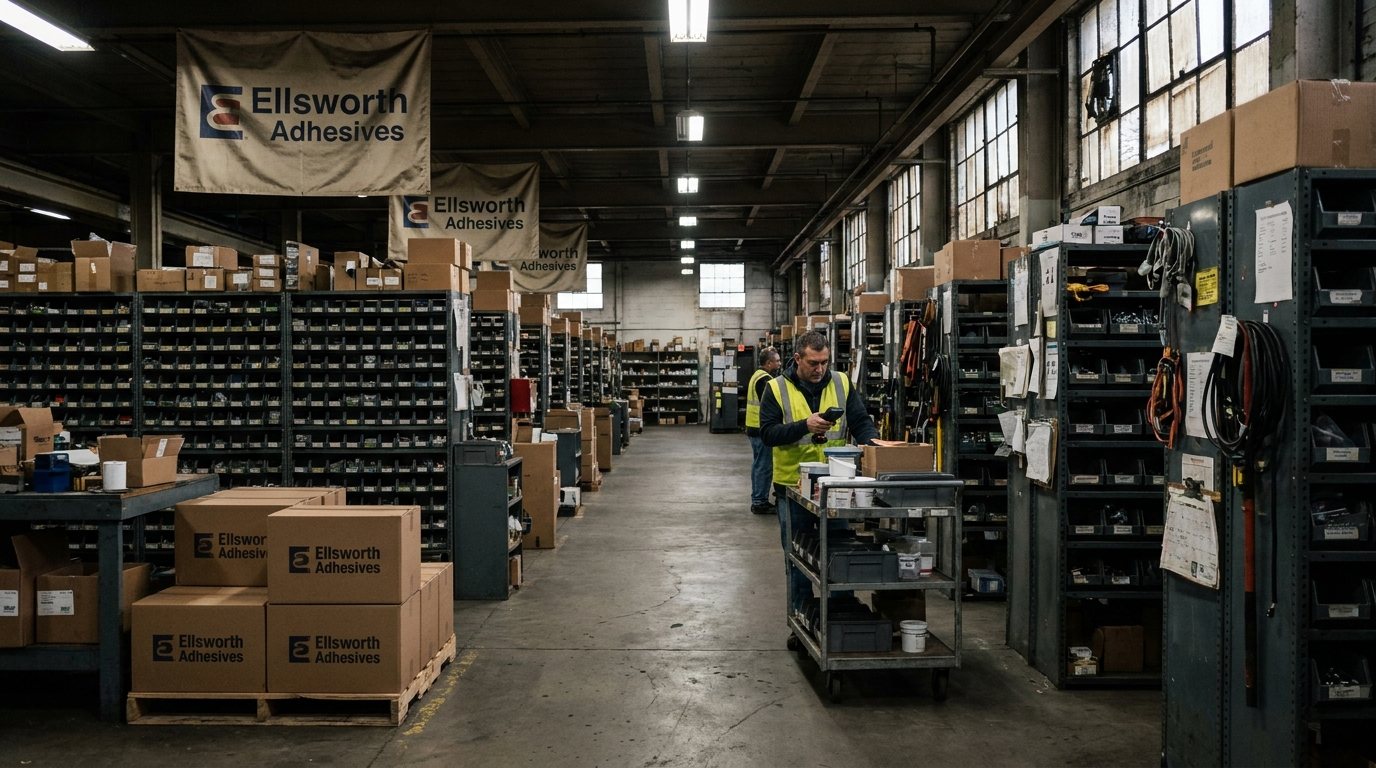
Ellsworth Adhesives made MDM's 2026 Specialty Adhesives list by refusing to pick a chemistry side, stocking 50+ competing adhesive brands under one roof.

DH Sutherland made the 2026 MDM Top Distributors specialty adhesives list from one Oregon building. Here's how a three-generation family firm stayed independent.

Amazon's procurement AI wins on catalog completeness, not price. The threat hits commodity SKUs first — and your technical long tail is the defensible ground.

How Roberts Oxygen stayed family-owned for three generations while Airgas, Praxair, and Linde consolidated the rest of the industrial gas industry.
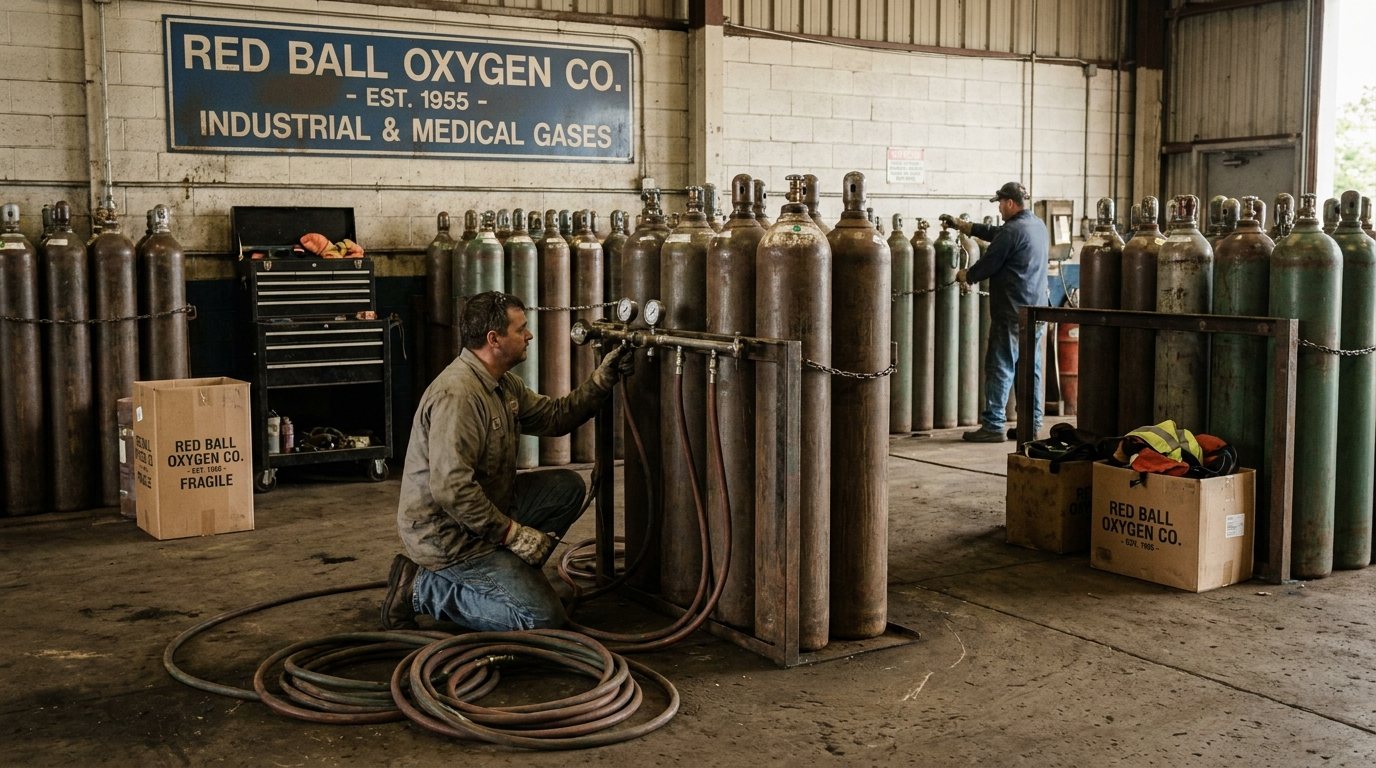
Red Ball Oxygen made MDM's 2026 Top Distributors list in Gases & Welding Supplies. How a Shreveport family business held its ground as the vertical rolled up.

Associated Industries made MDM's 2026 Specialty Adhesives list from a single Wichita site, then quietly became a manufacturer of its own adhesive brand.
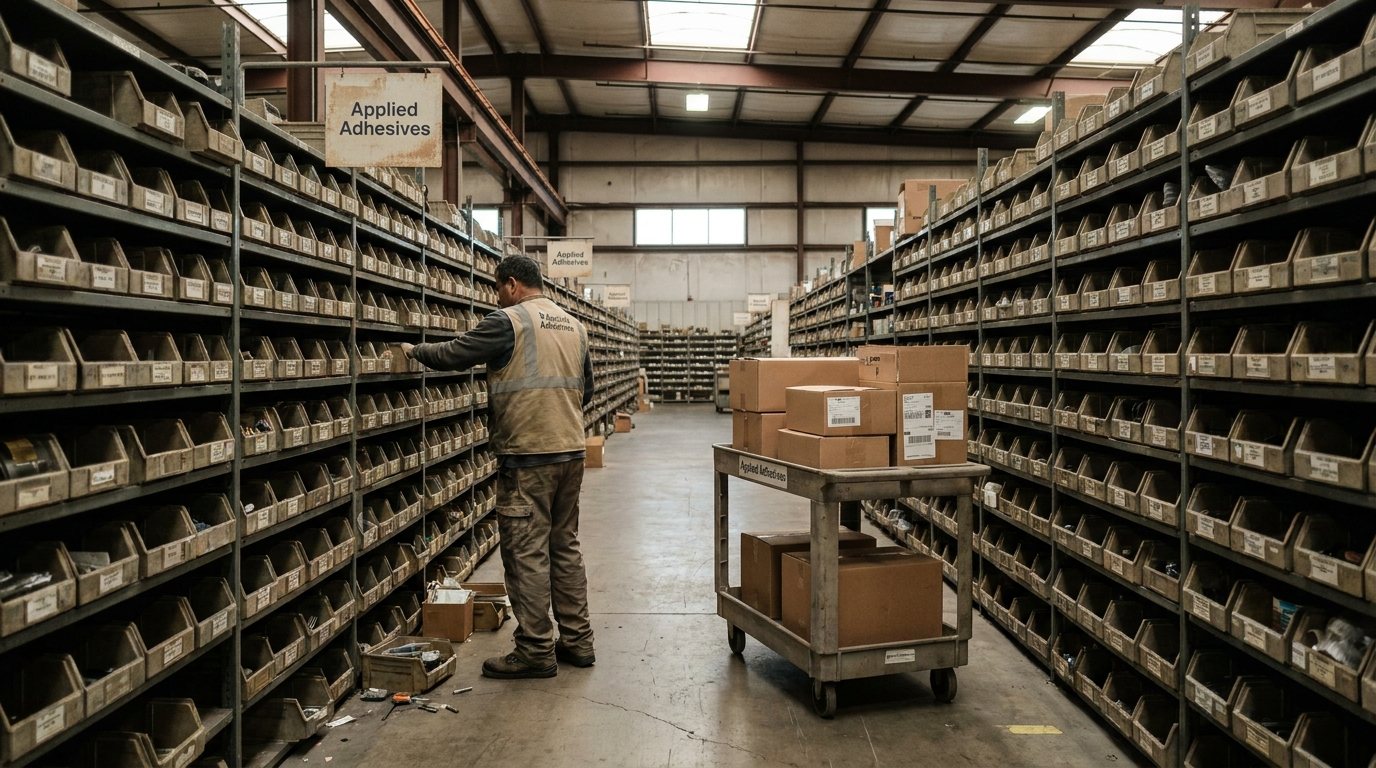
Applied Adhesives made the 2026 MDM Top Distributors list in Specialty Adhesives after 20 years and four consecutive private equity owners. Here's the playbook.
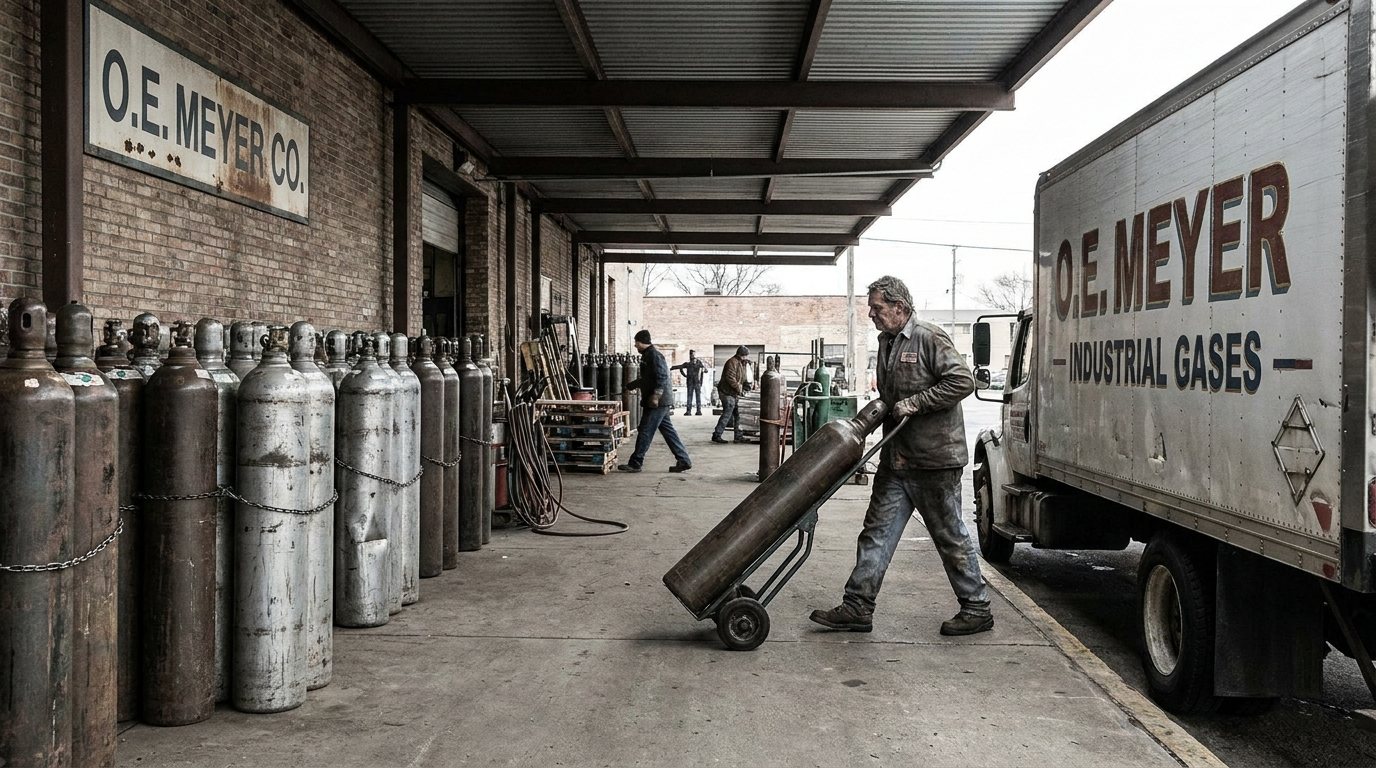
O.E. Meyer made the 2026 MDM Top Distributors gases and welding supplies list. Its real story is the succession bet almost nobody else in the sector made.

Norco made MDM's 2026 top gas and welding distributors list. The sharper story is how a Kissler family business became 35% employee-owned in 2015.
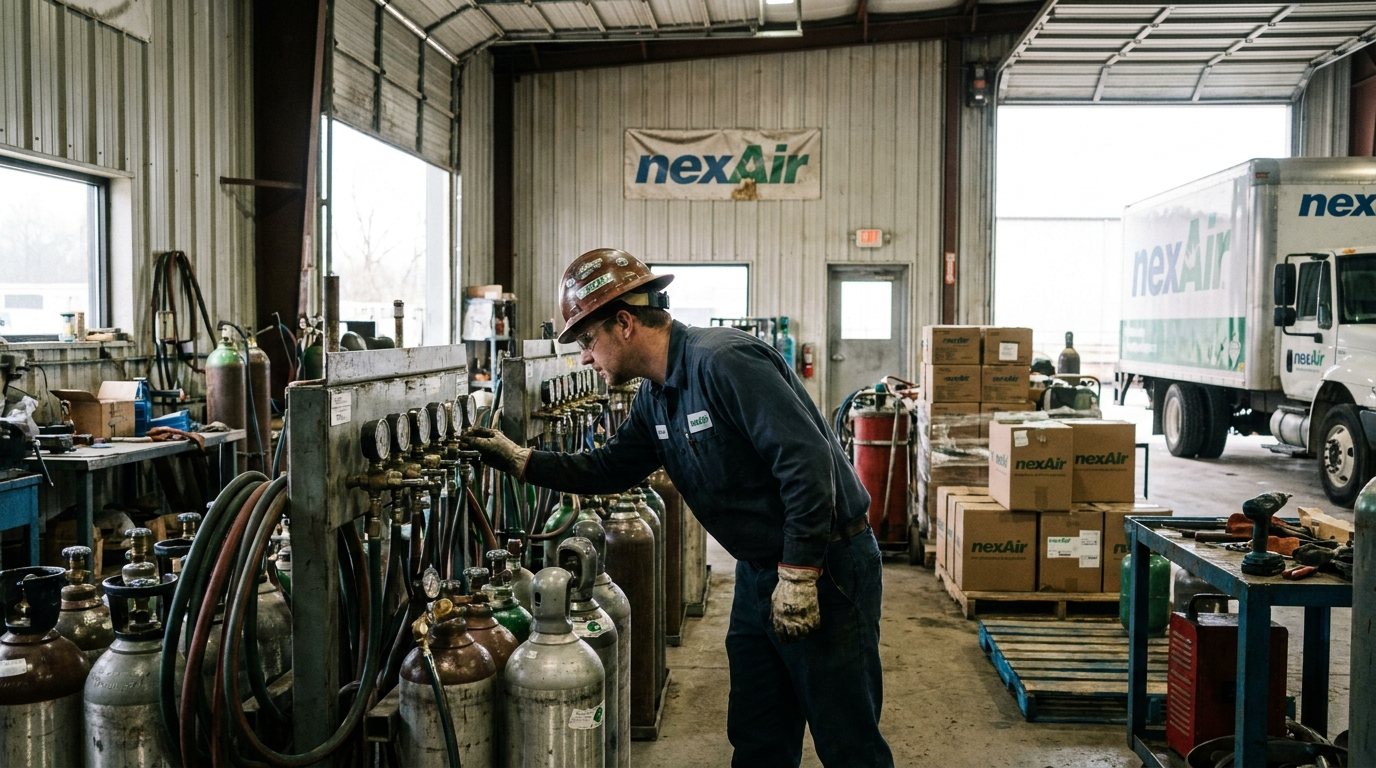
nexAir grew for 80 years as a family business, then became a wholly owned Linde subsidiary in 2023, and still runs and acquires like an independent.

Every keynote at Applied AI for Distributors agreed the real bottleneck isn't the AI model — it's your product data. Here's the part the mainstage left out.
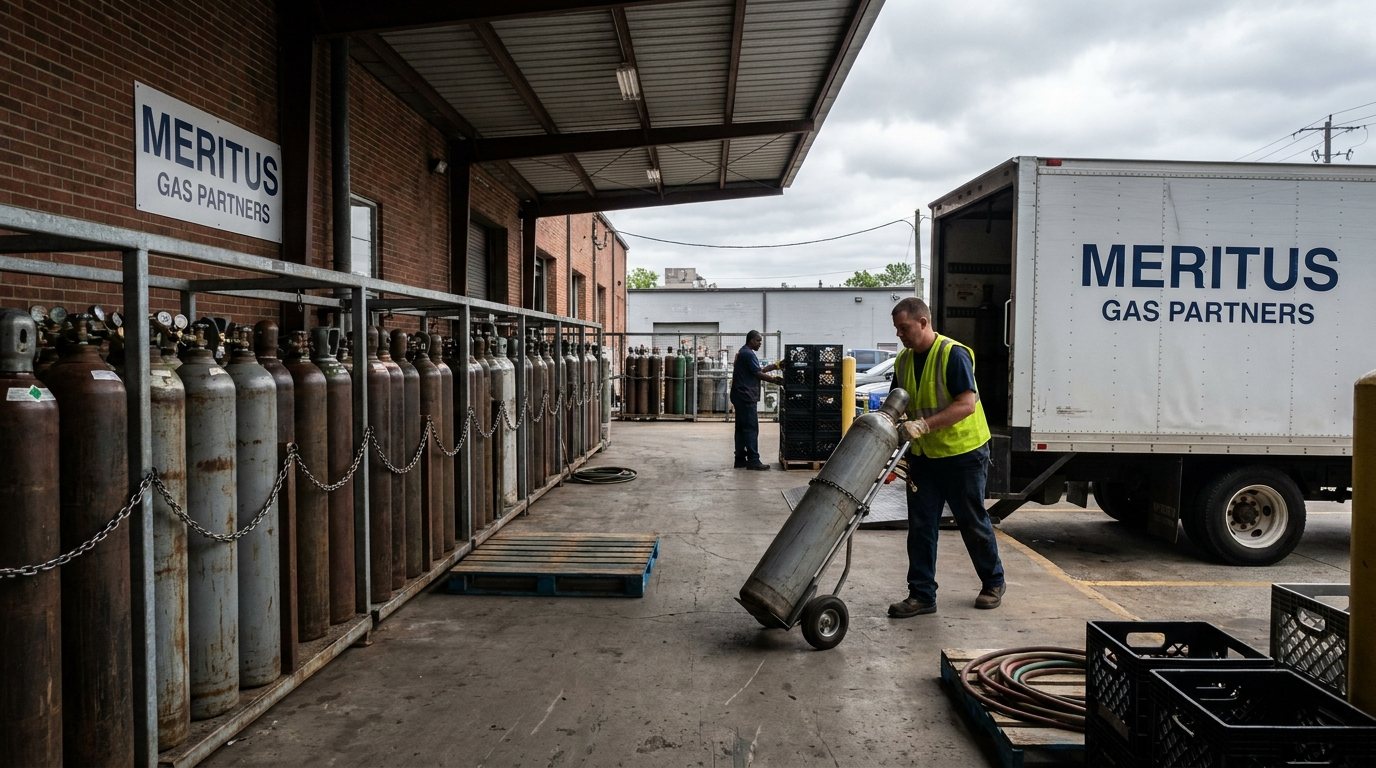
Meritus Gas Partners made MDM's 2026 Top Distributors list in Gases & Welding Supplies by rolling up welding-gas distributors without erasing them.

Matheson lands on MDM's 2026 welding-gas list, but the deeper story is a 1927 US gas pioneer folding its name into a Japanese parent this year.
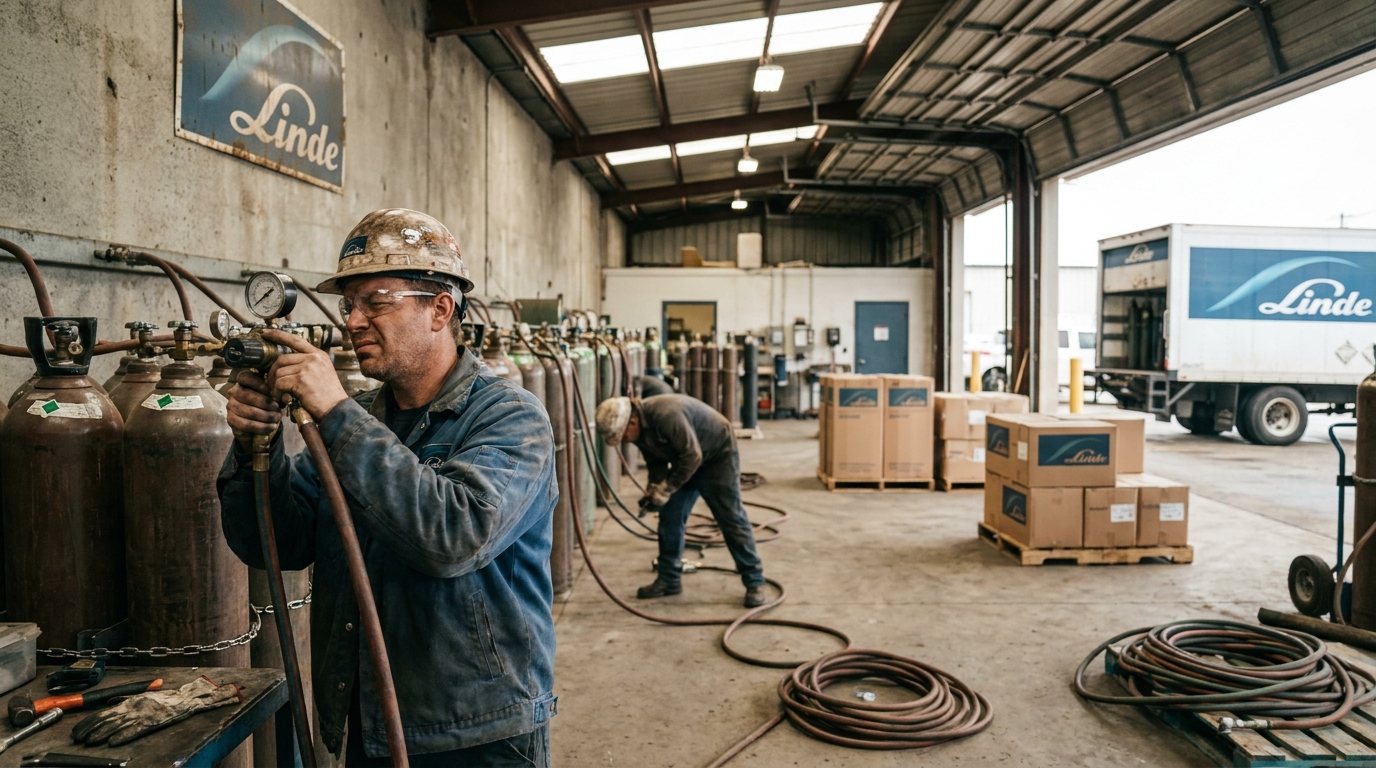
Linde (Americas) lands on MDM's 2026 Top Distributors list for Gases & Welding Supplies. Its real competitive edge traces back to a century-old corporate split.

Founded in 1915 and still Brant family-run, Indiana Oxygen self-funds its growth and builds its own gas plants while rivals consolidate under PE.

General Air made the 2026 MDM Top Distributors gases and welding list without ever leaving Colorado. Here is how 55 years of family and ESOP ownership got it there.
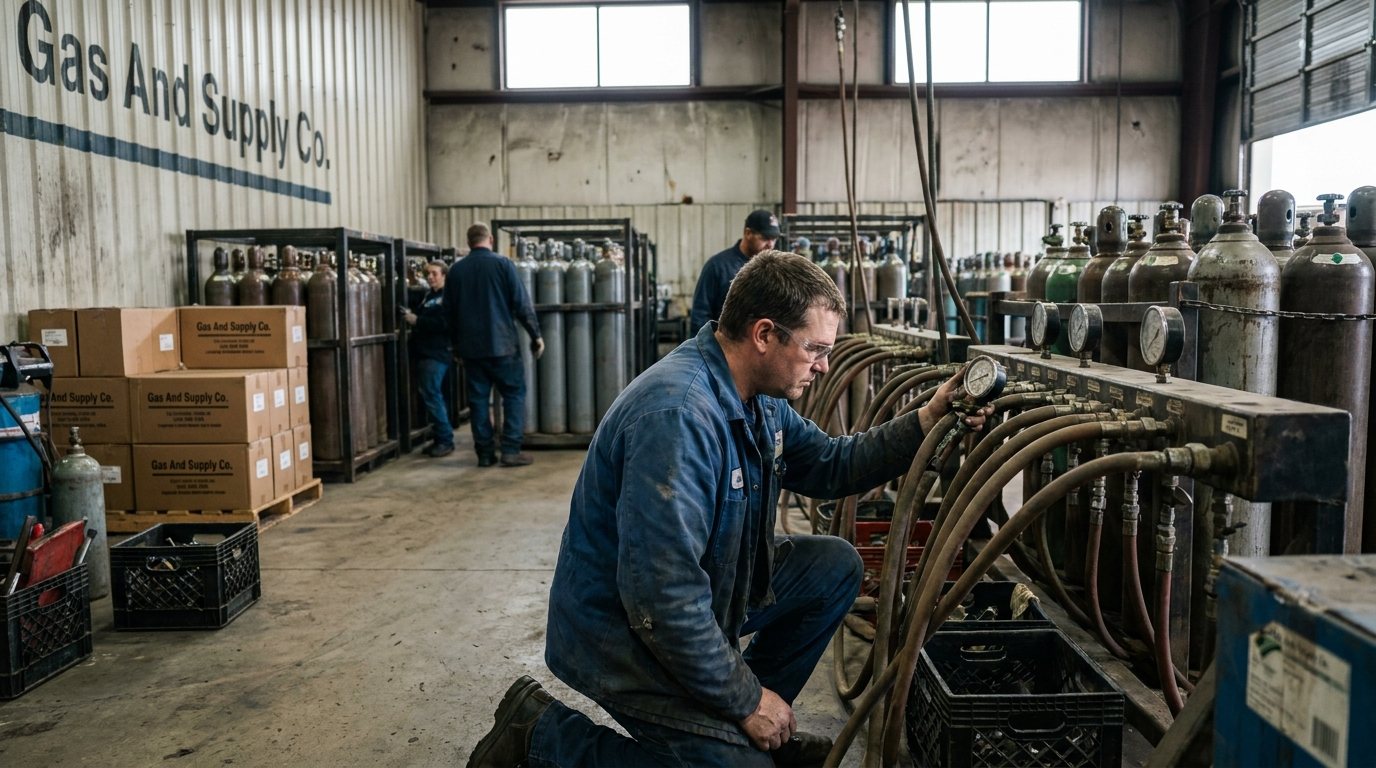
Gas and Supply made the 2026 MDM Top Distributors list in Gases & Welding Supplies by staying private while its whole sector rolled up into three global majors.
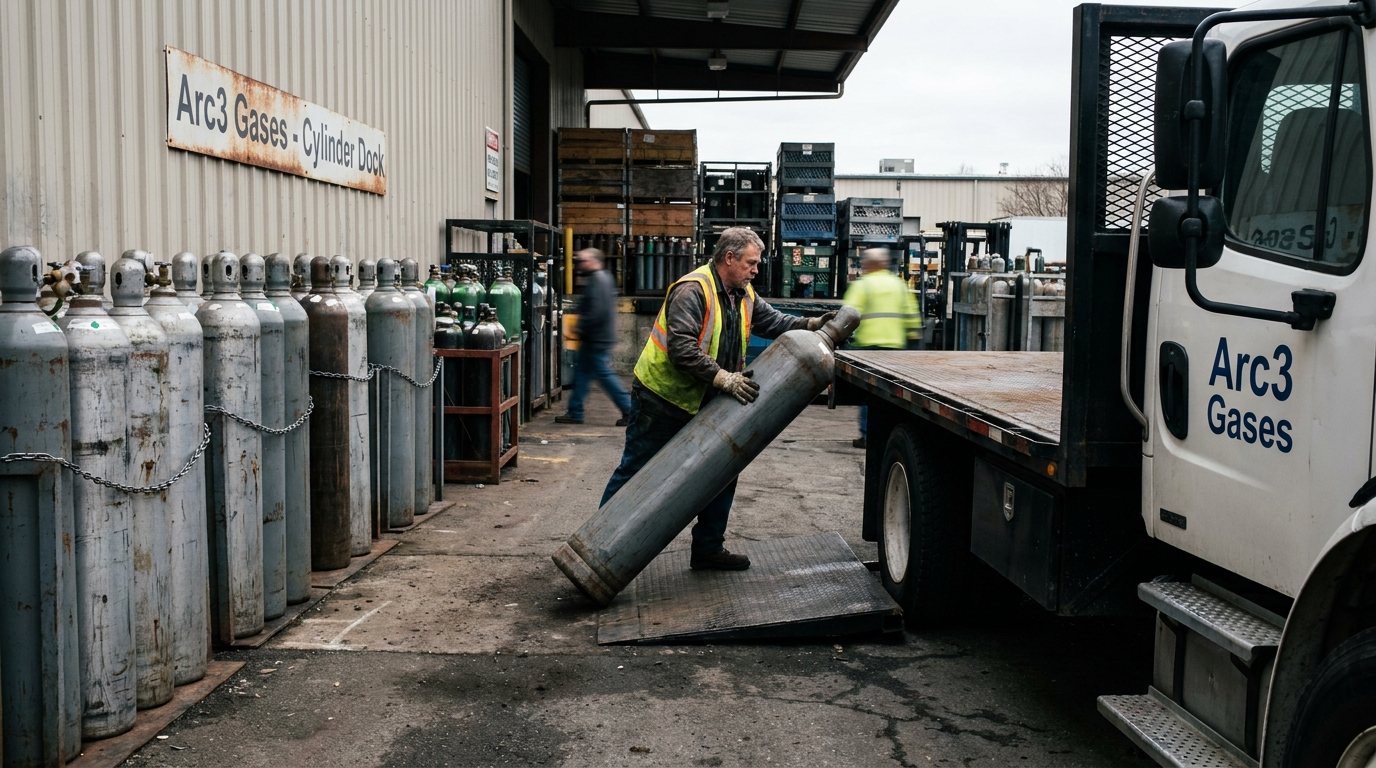
Arc3 Gases ranks among 2026's top welding-gas distributors per MDM. How a 2013 merger of two family firms built a 60-branch, still-independent player.
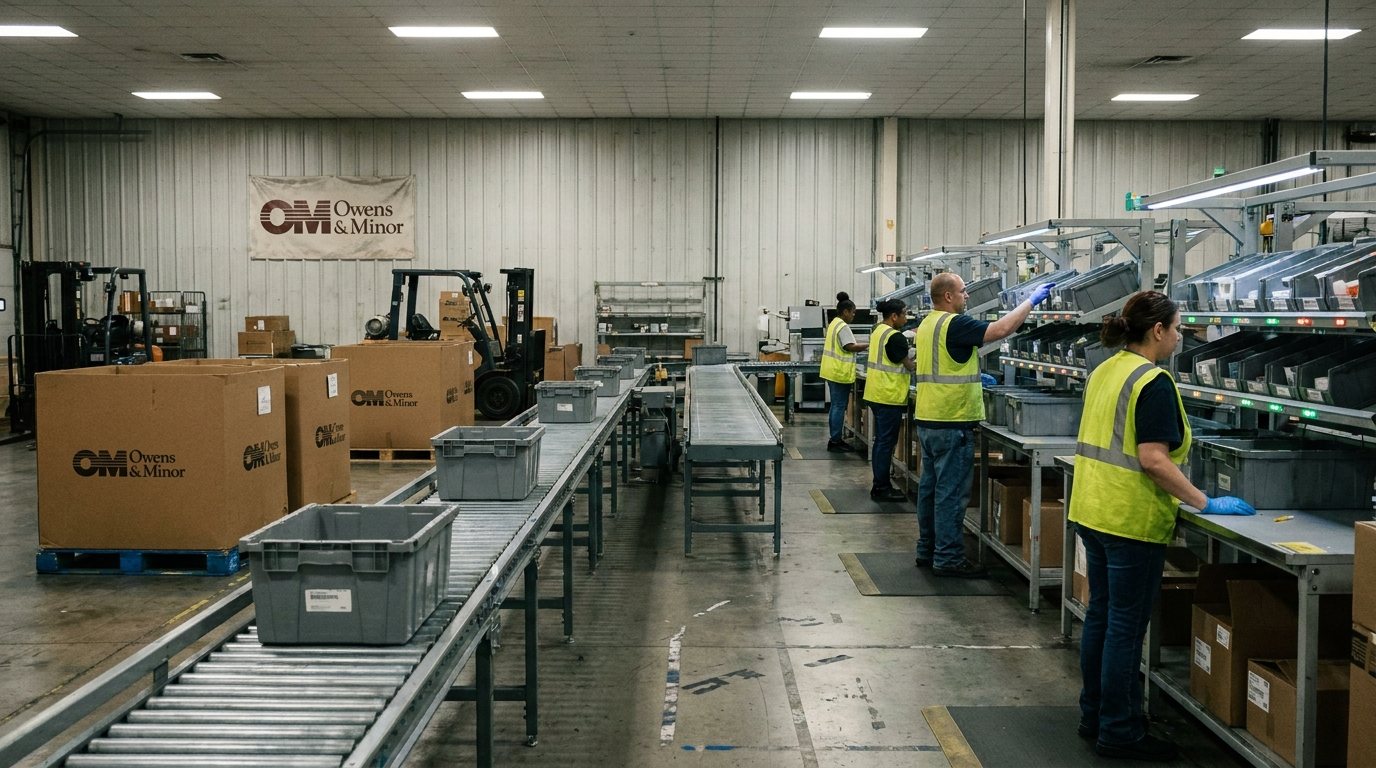
Owens & Minor ranked #7 in Pharma & Healthcare on MDM's 2026 Top Distributors list, then sold its own founding business and brand name to private equity.

DSG's AI Top 25 runs on earnings calls and executive interviews. We scored distributors' live sites instead, and the winners aren't the same companies.

Henry Schein ranks No. 6 on MDM's 2026 Pharma & Healthcare list. The real story: two CEOs in 90 years, 200 acquisitions, and a 2025 handoff to an outsider.

Most distributor CX failures aren't culture problems. They're missing SKUs, specs, and images — and the fix is a catalog audit, not a journey map.

AmeriGas built America's largest propane network as a public partnership, then watched its own parent unwind that structure to save the business it created.
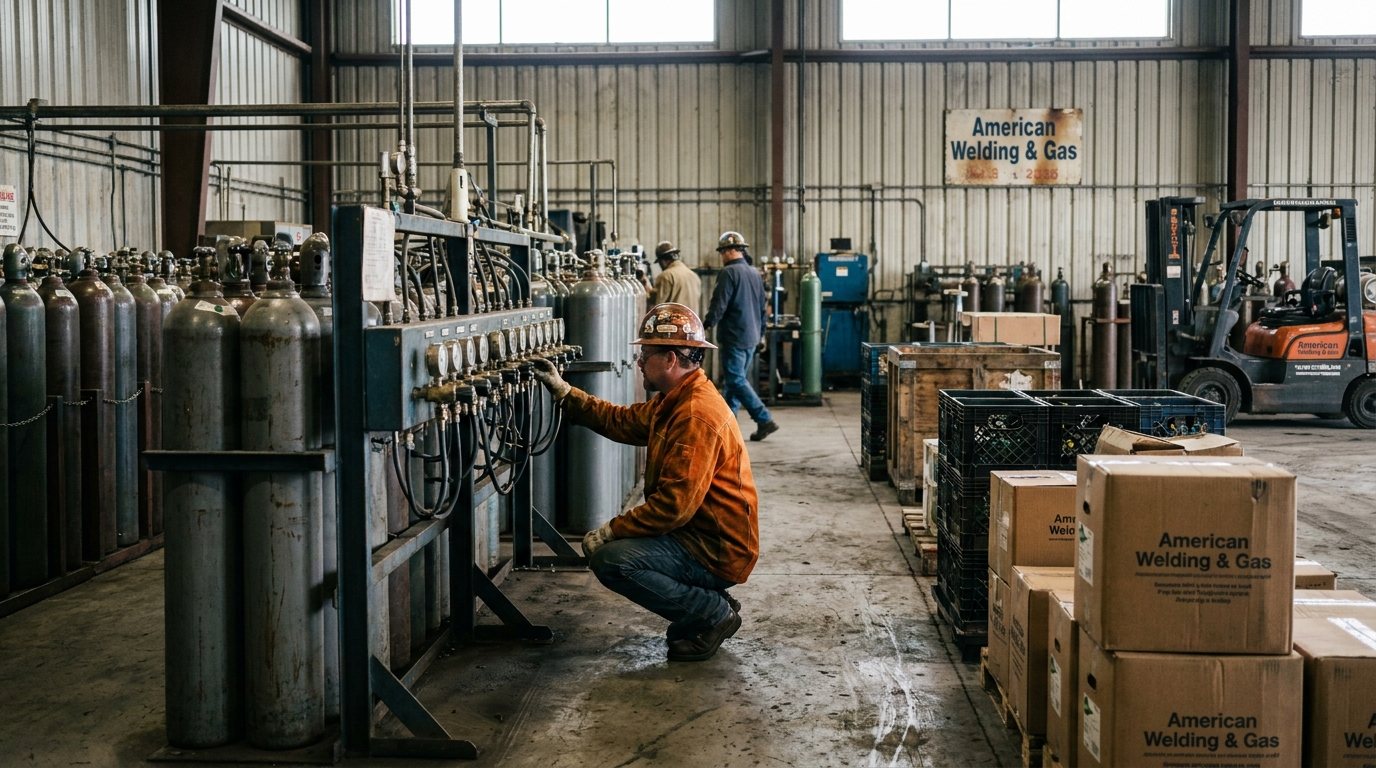
American Welding & Gas made MDM's 2026 Top Distributors list by acquiring its way through a decade of gas-industry consolidation, without ever selling out.

Thermo Fisher Scientific ranks #4 in MDM's 2026 Pharma & Healthcare distributors. Here's how a $44.6B instrument maker also became the channel.
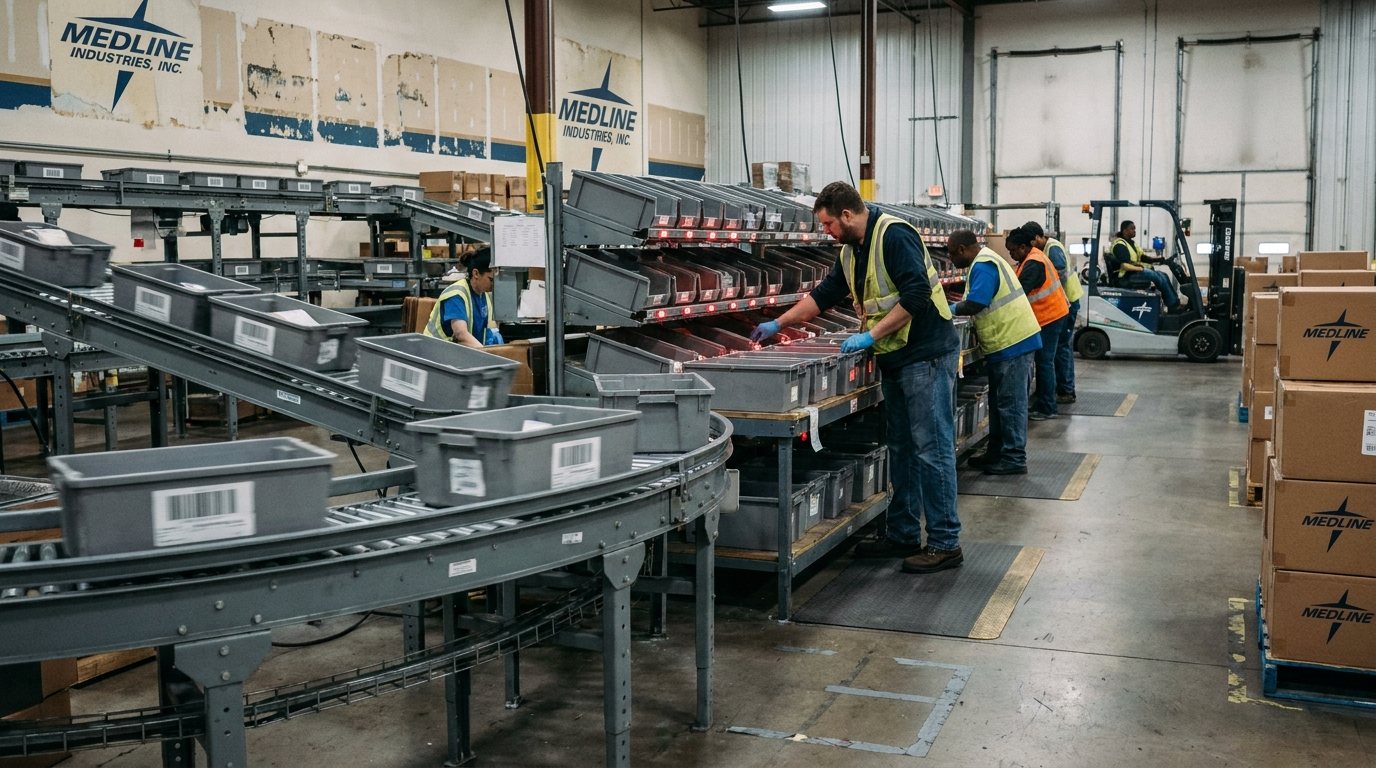
Medline spent 55 years avoiding public markets, sold for $34B in 2021, then IPO'd anyway in 2025 for even more. Here's the strategy behind that detour.

Cardinal Health ranks #3 on MDM's 2026 Pharma & Healthcare list. A look at the decay-driven logistics and 2024 buying spree behind its moat.

The real stakeholder for your product content doesn't work at your company. It's your buyer. Most enrichment scrapes the supplier and reformats it — and never gives the buyer a seat at the table.

Pollock survived 100 years as a family business, then changed owners twice in six years. Here is what its ownership churn reveals about JanSan consolidation.

Network Distribution ranks #5 in JanSan on the 2026 MDM Top Distributors list. Its real edge is an alliance model now being tested by a packaging merger.
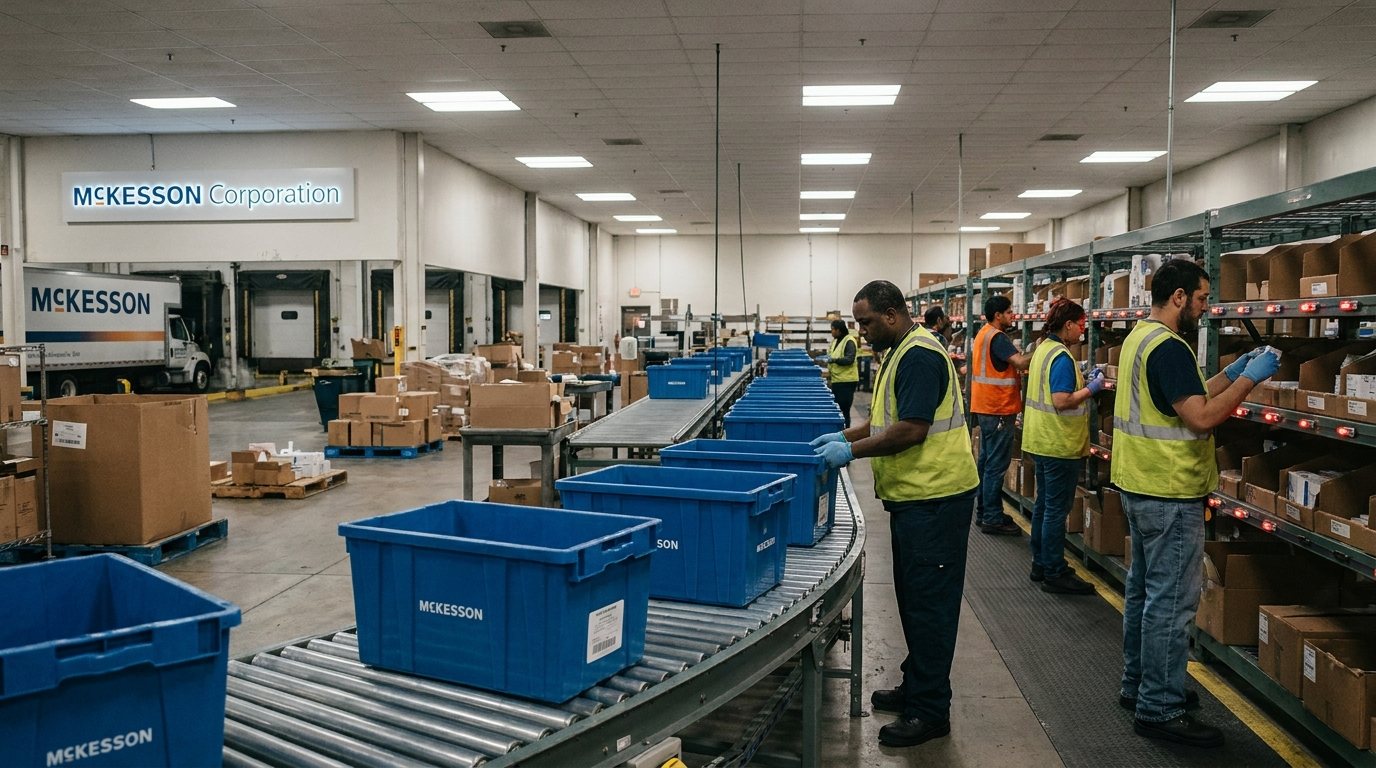
McKesson tops MDM's 2026 Pharma & Healthcare list at $359.1B by owning oncology demand while quietly offloading its lowest-margin commodity business.

Country-of-origin and cert status shouldn't live in a PDF folder. They're SKU attributes, and the 2026 tariff regime just made them double-duty.

Cencora ranks #2 in MDM's 2026 Pharma & Healthcare list. The real story is what the distribution giant is shedding, and what it is buying instead.

Why waiting for clean product data before deploying AI gets the sequence backwards: for catalogs, AI enrichment is the cleanup, not the reward for it.
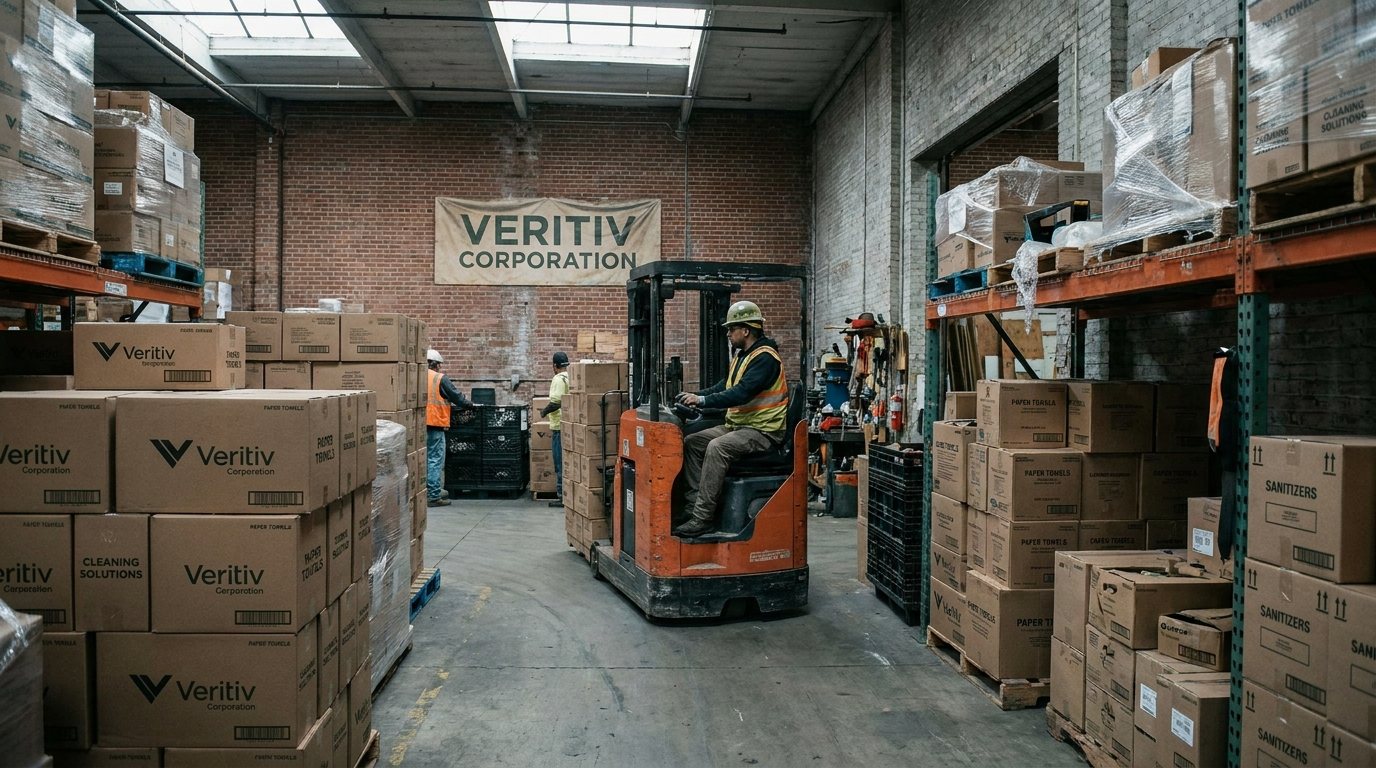
Veritiv ranks #3 on MDM's 2026 JanSan list almost by accident. Here's how a paper-and-print consolidator became a packaging and facility-solutions distributor.

TricorBraun lands at #4 on MDM's 2026 JanSan Top Distributors list while selling no chemicals or paper goods at all, just the containers that hold them.

BradyPlus charted third in JanSan on MDM's 2025 Top Distributors list before merging into Imperial Dade under the Imperial Brady brand. Its real story is a decade of family businesses merging under shared PE ownership.

Uline tops MDM's 2026 JanSan distributor list with no disclosed revenue, no acquisitions, and no discounts. Here is the operating model behind that.

Cost-per-lead assumes a funnel AI search has already broken. Here's the metric distributors should track instead, and how to measure it this quarter.

Supplier data will never be sell-ready by design. Our Digital Readiness Index shows enrichment capability, not supplier ties, decides catalog quality.
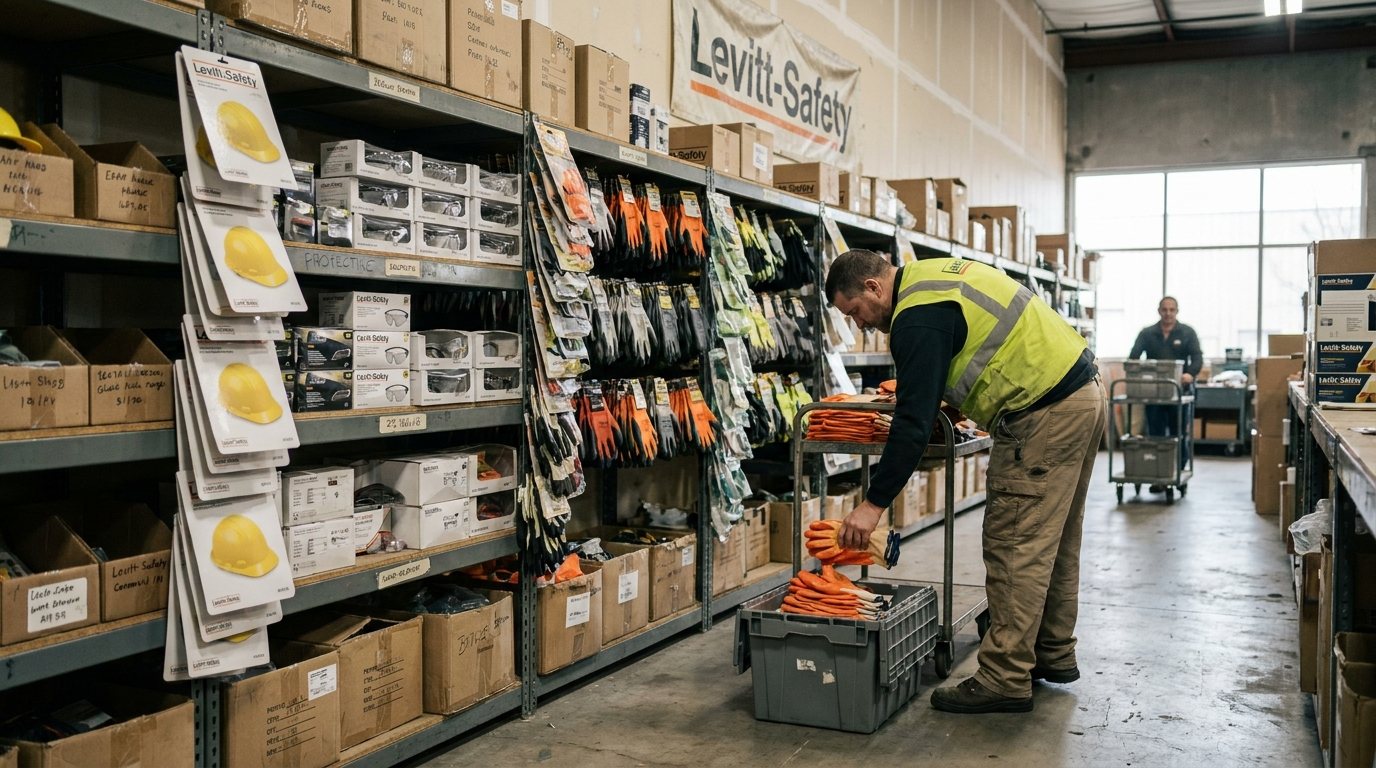
How a 90-year-old, family-owned Oakville distributor built its own manufacturing arm and joined a buying group instead of selling to private equity.
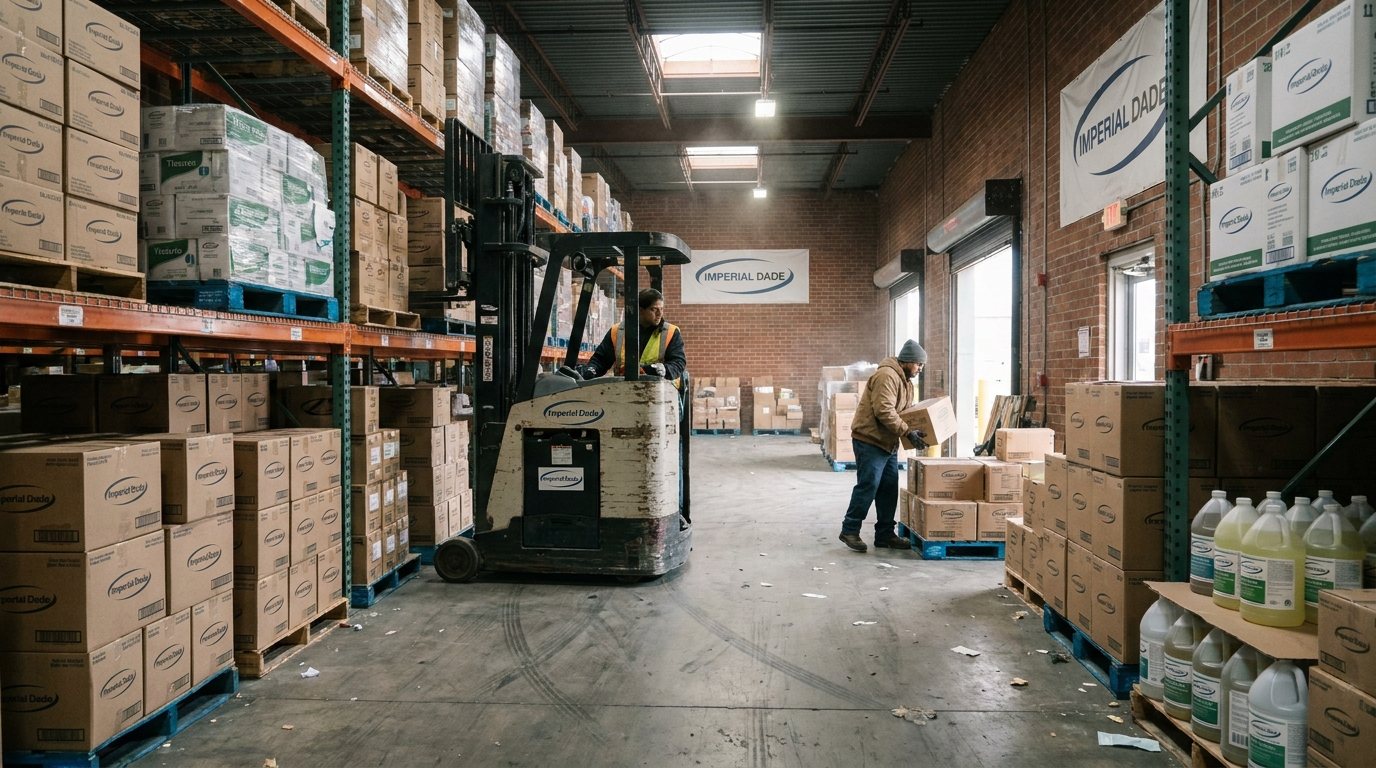
Imperial Dade ranks No. 2 in JanSan on MDM's 2026 list after merging with rival BradyPLUS to form a $10B+ distributor and giving up its own hard-won name.

The 2025 switch from R-410A to A2L refrigerants replaced a generation of model numbers overnight. The distributors winning the aftermath treated it as a product-data problem, not a refrigerant one.
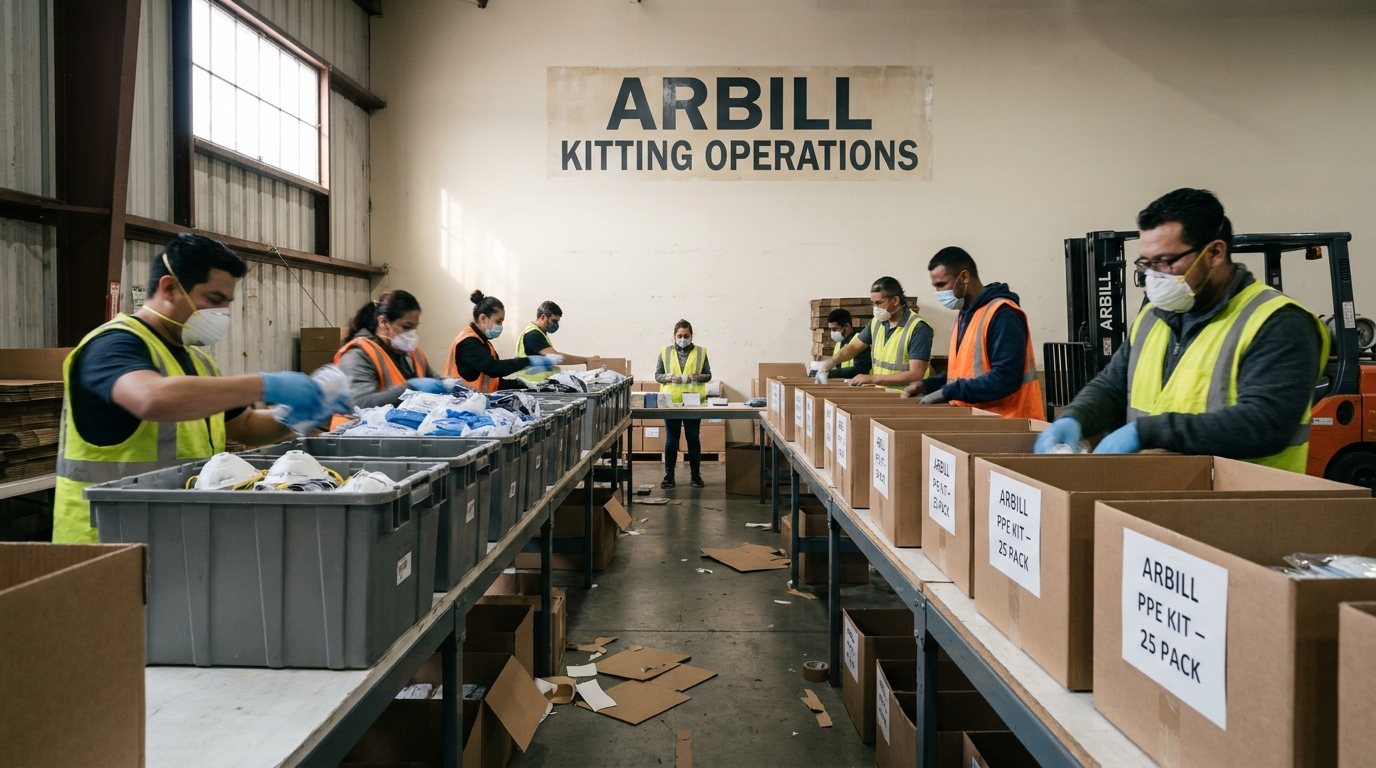
Arbill charted at #19 in Safety on the 2025 MDM Top Distributors list and does not appear on the 2026 lists. Here's how a third-generation glove laundry became a safety-outcomes company.

Confirm buyers and AI agents can actually read your product data: curl, view-source vs rendered DOM, and structured data validators, step by step.
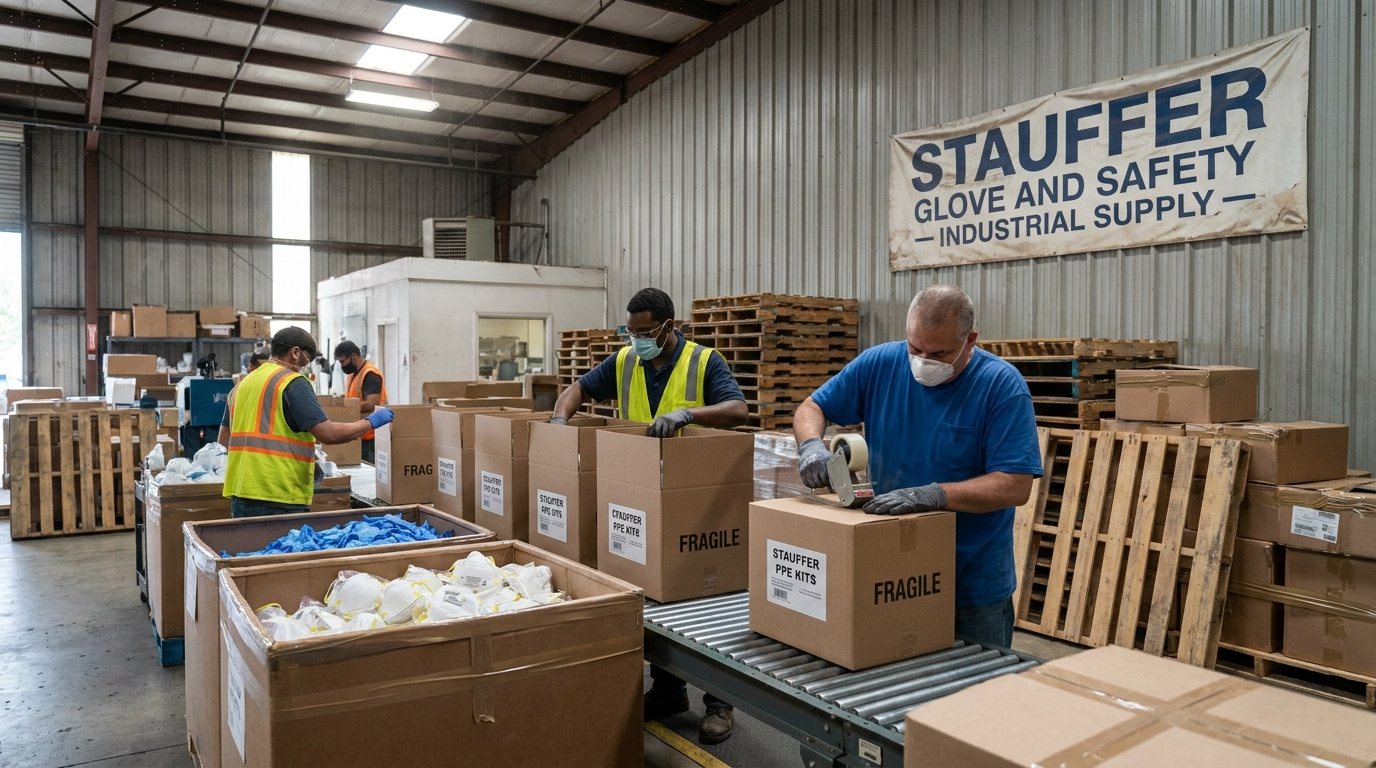
How Stauffer Glove and Safety, family-run since 1907 and ranked #18 in Safety on MDM's 2026 Top Distributors list, stayed independent as its channel consolidated.
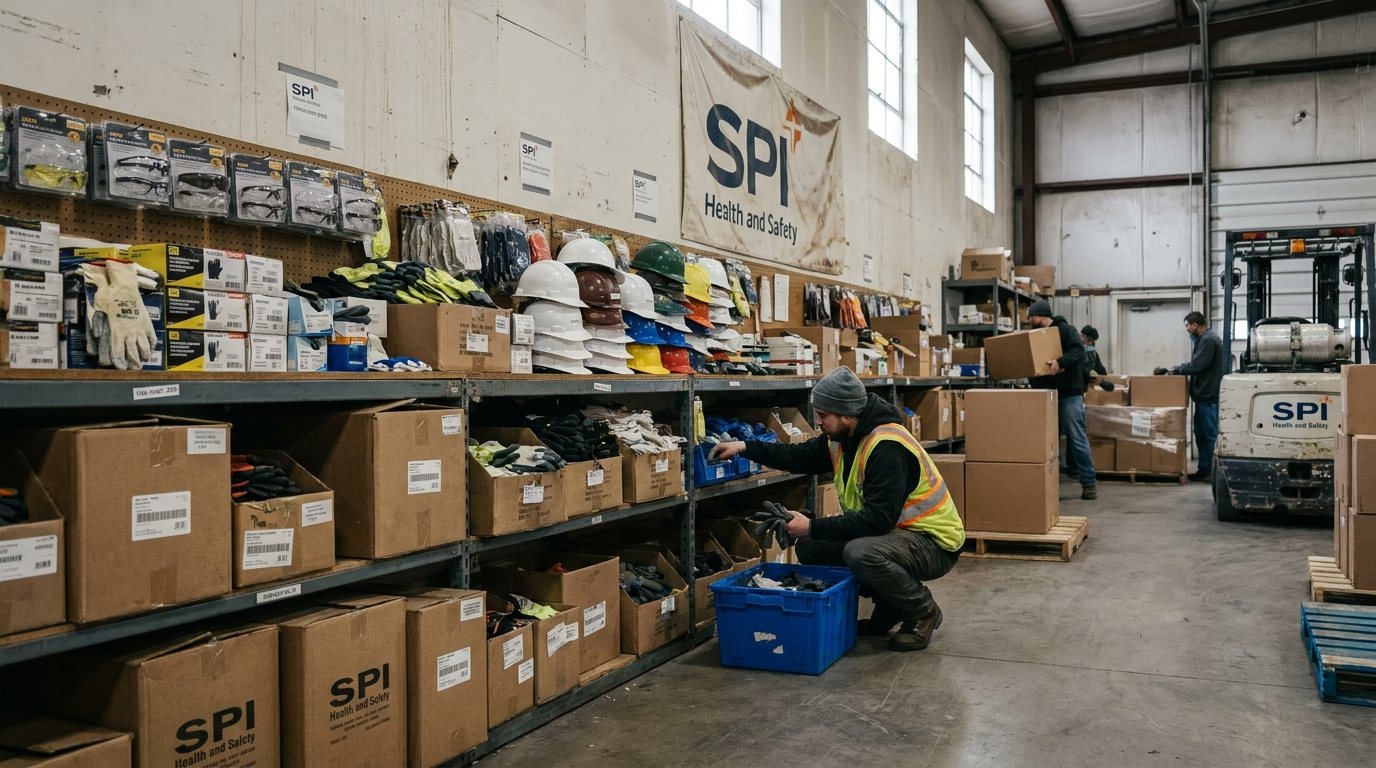
SPI Health and Safety ranks #16 on MDM's 2026 Safety list. Its real edge is a five-decade acquisition engine and a pipeline built to absorb it, not branch count.
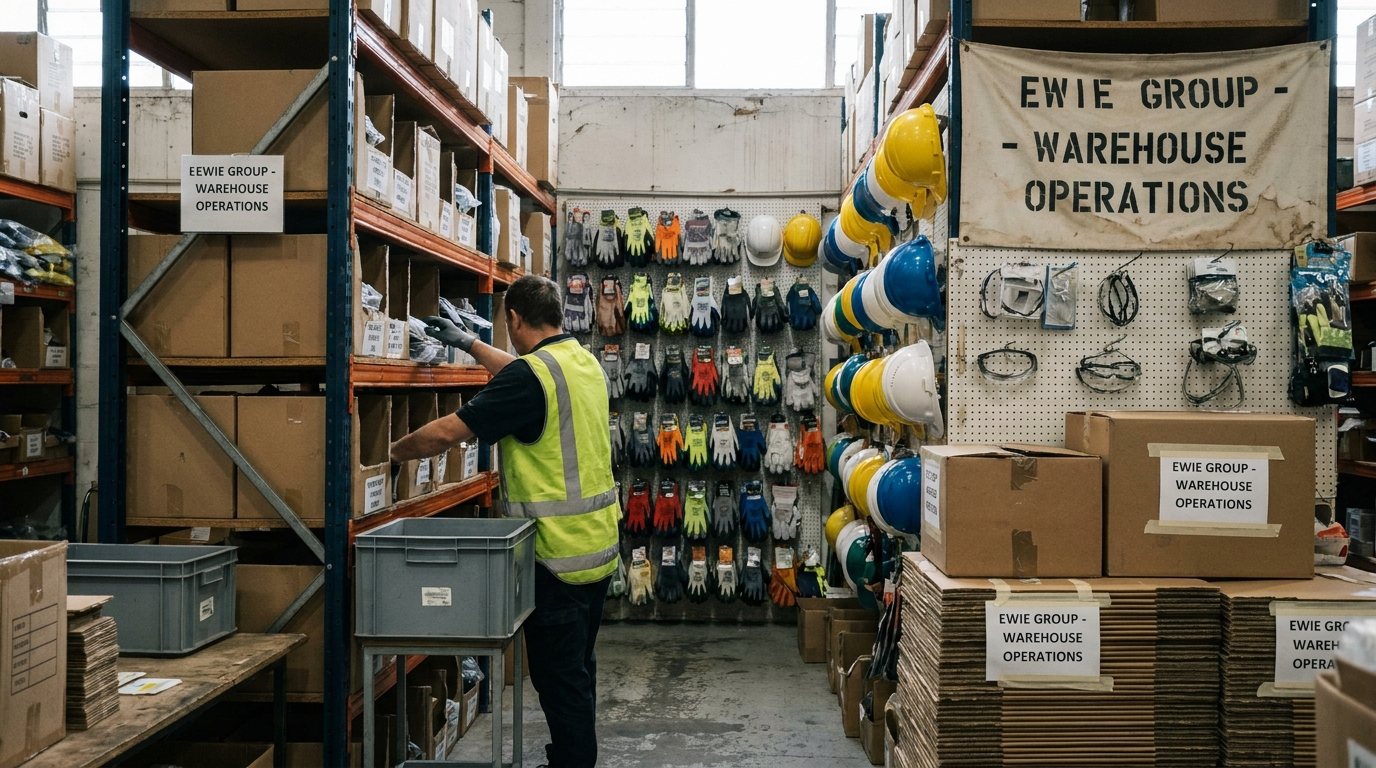
EWIE Group ranks #20 on MDM's 2026 Safety distributors list, yet its real business is tool cribs and vendor-managed inventory, not PPE catalogs.

Why a $150M distributor hiring AI engineers or a Chief AI Officer is copying a $1B+ company's org chart it can't afford to run.
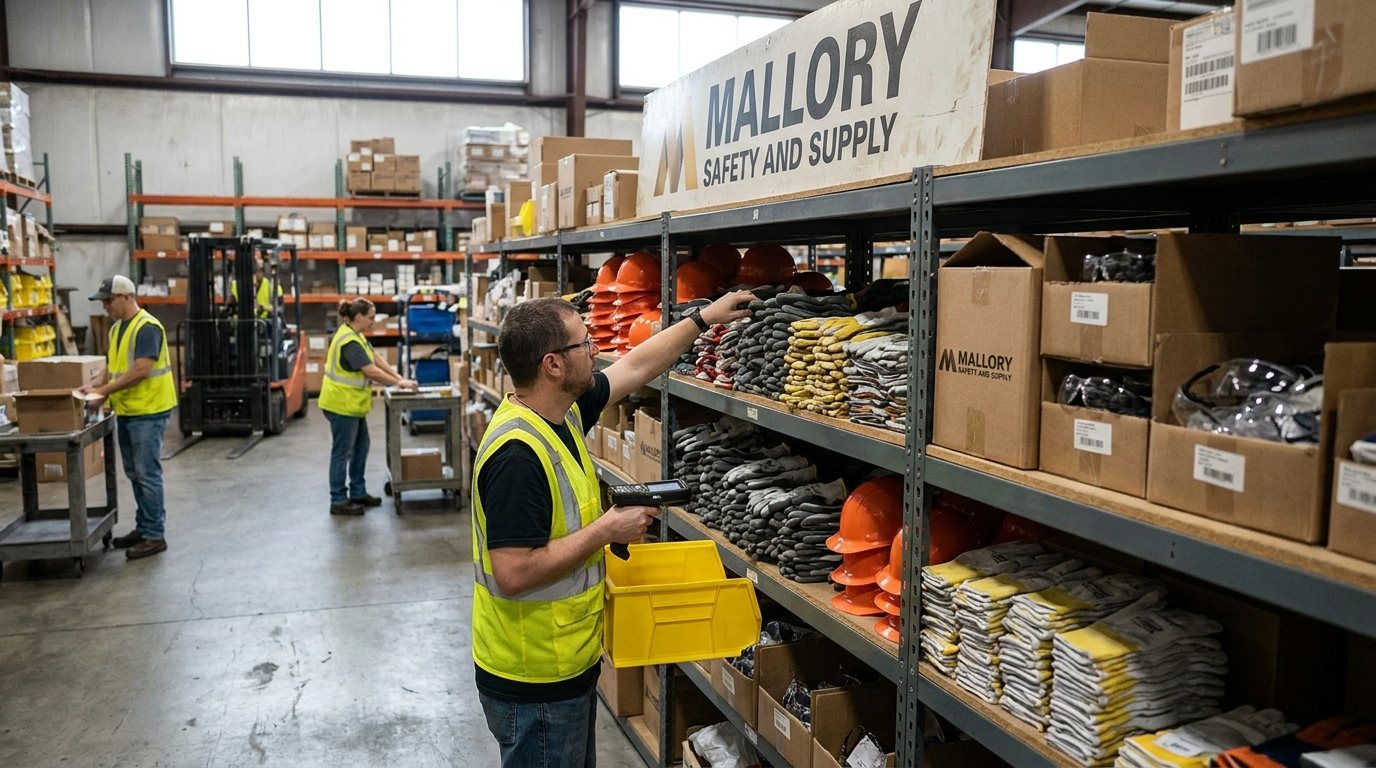
Mallory Safety and Supply ranks among MDM's top safety distributors after 20 acquisitions since 2005, all funded without private equity or a stock listing.
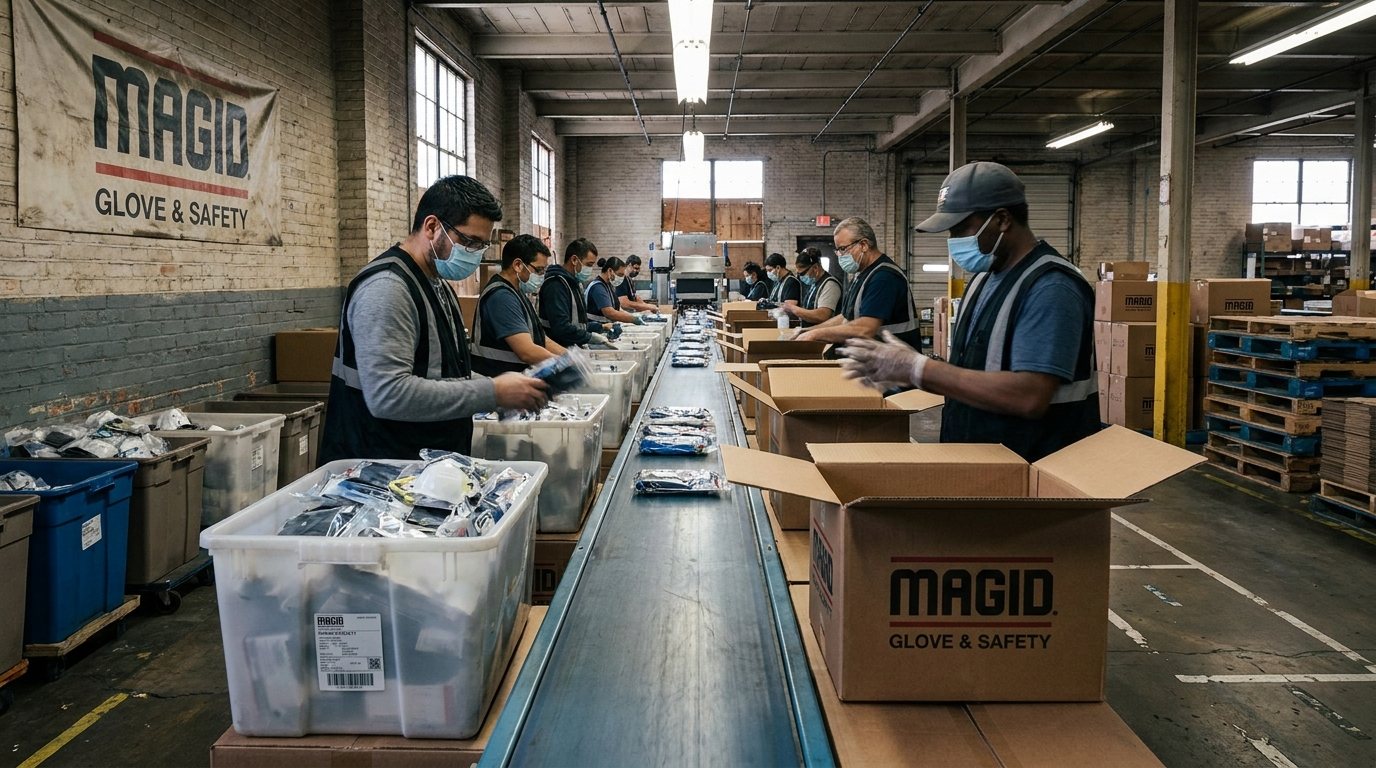
Magid ranks #8 on MDM's 2026 Safety list. How a 1946 Chicago glove shop became a manufacturer-distributor still run by one founding family, four generations on.
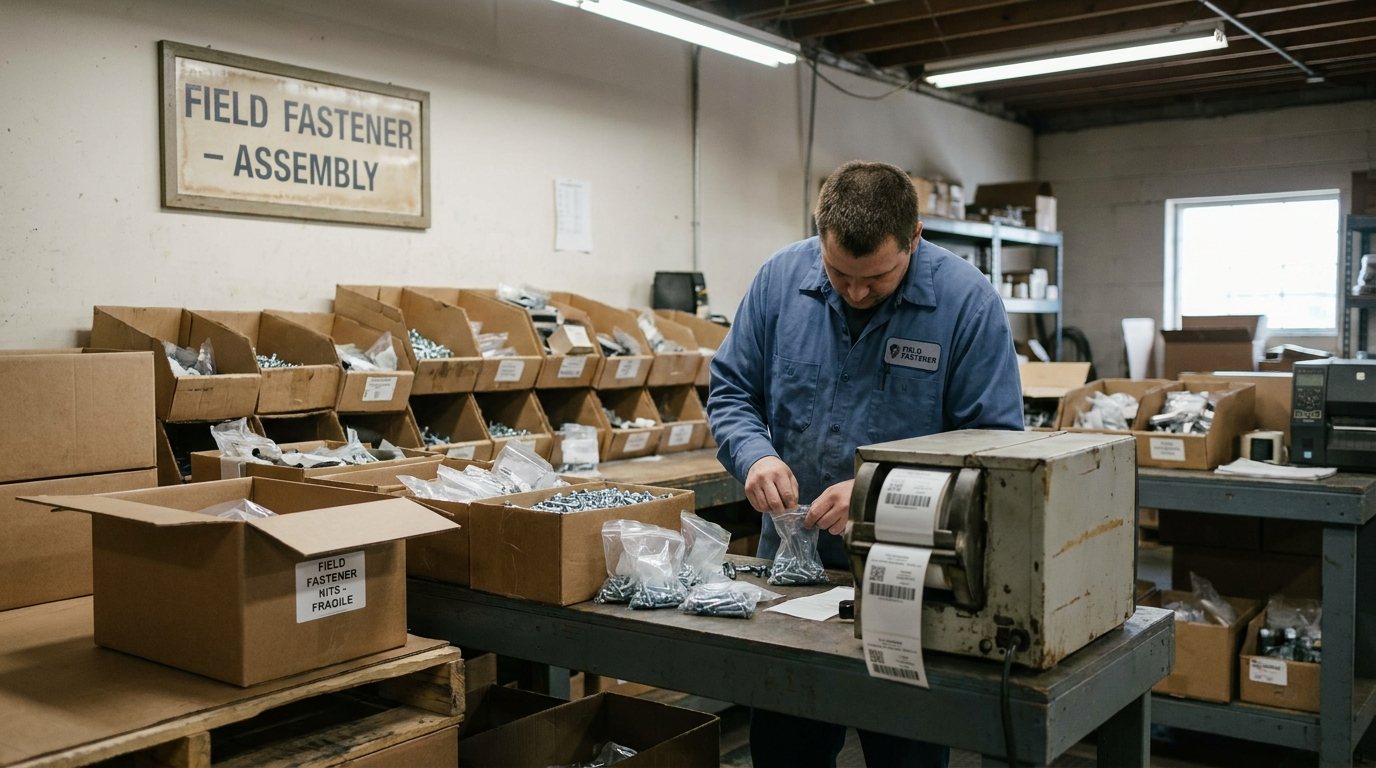
Field Fastener ranked #19 on MDM's 2026 fastener distributor list. Here's how three Derry family generations grew it 20% a year without private equity.

Feed management enriches the printout, not the document. The correction never flows back to your source of truth — so you redo the same work on every channel, forever. Fix it upstream instead.

Aramsco cracked MDM's 2026 Safety and JanSan rankings by running five niche categories as one contractor customer base, then buying rivals' fallout.

How to make Adobe Commerce PDPs agent-readable: structured attributes, complete Product JSON-LD, server-rendered HTML, and clear buyer answers.

Retiring counter pros take cross-reference and fit knowledge with them. The fix isn't a chatbot, it's writing that judgment into catalog attributes.

How GPTBot, ClaudeBot, and Perplexity actually fetch pages, why client-rendered PDP data goes invisible to them, and the SSR/JSON-LD fix that makes it readable.
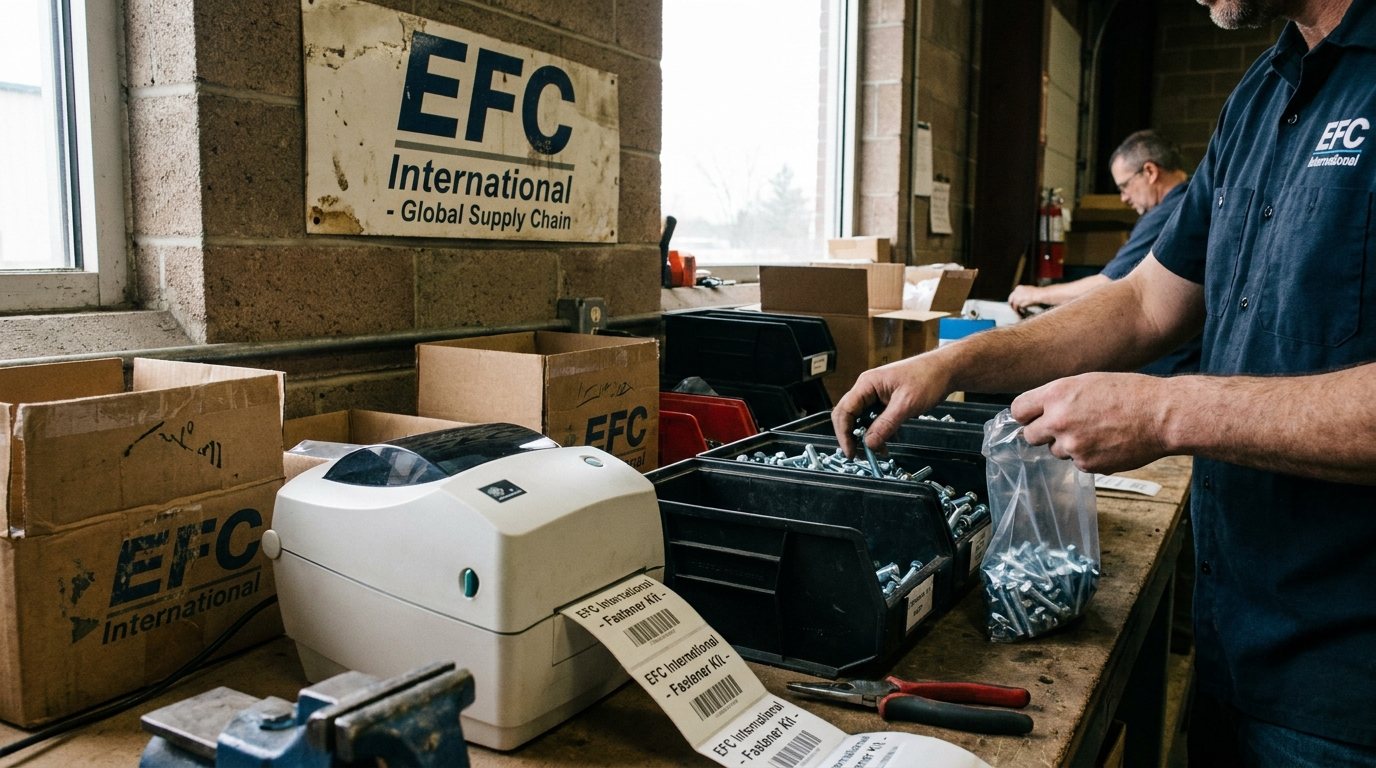
EFC International ranks #13 among fastener distributors on MDM's 2026 list by selling almost nothing to end users. Here's the master-distributor model behind that.
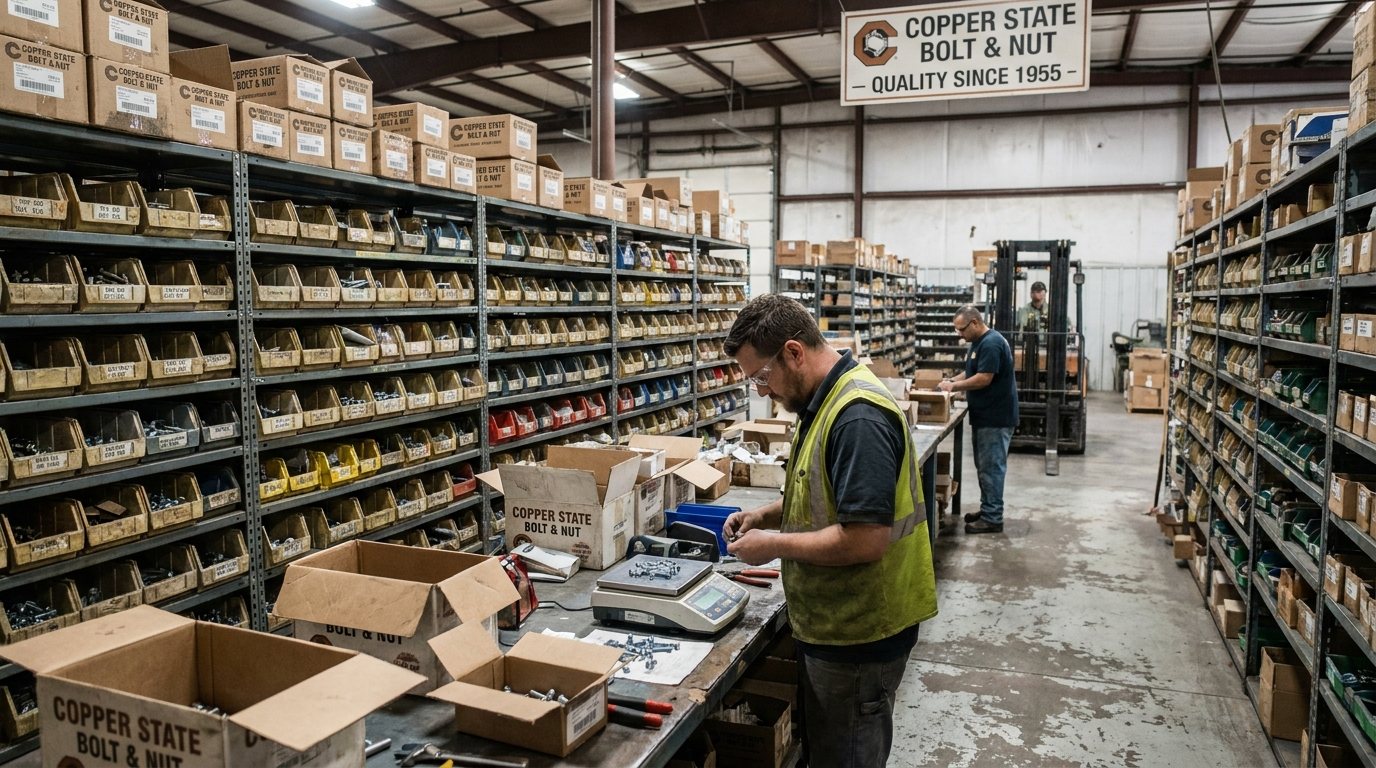
Copper State Bolt & Nut ranks #16 on MDM's 2026 Top Fastener Distributors list. Here is how a family-owned, women-led firm grew without selling out.
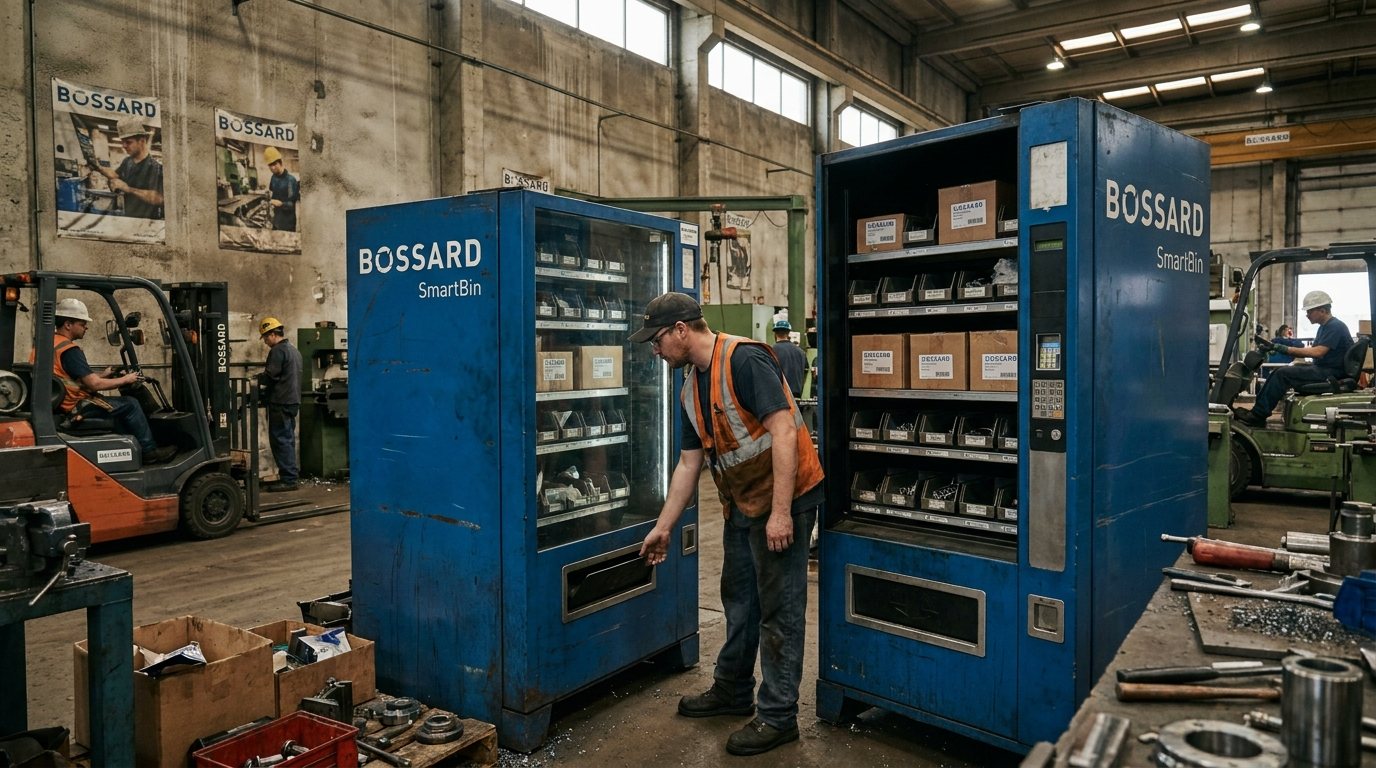
Bossard ranks #14 on MDM's 2026 Top Distributors fasteners list. Its edge isn't branch count or vending fleets, it's engineering embedded in the part number.

Amazon Business hit $60B on catalog structure, not freight. Why distributors should stop matching logistics and start out-completing Amazon's product data.
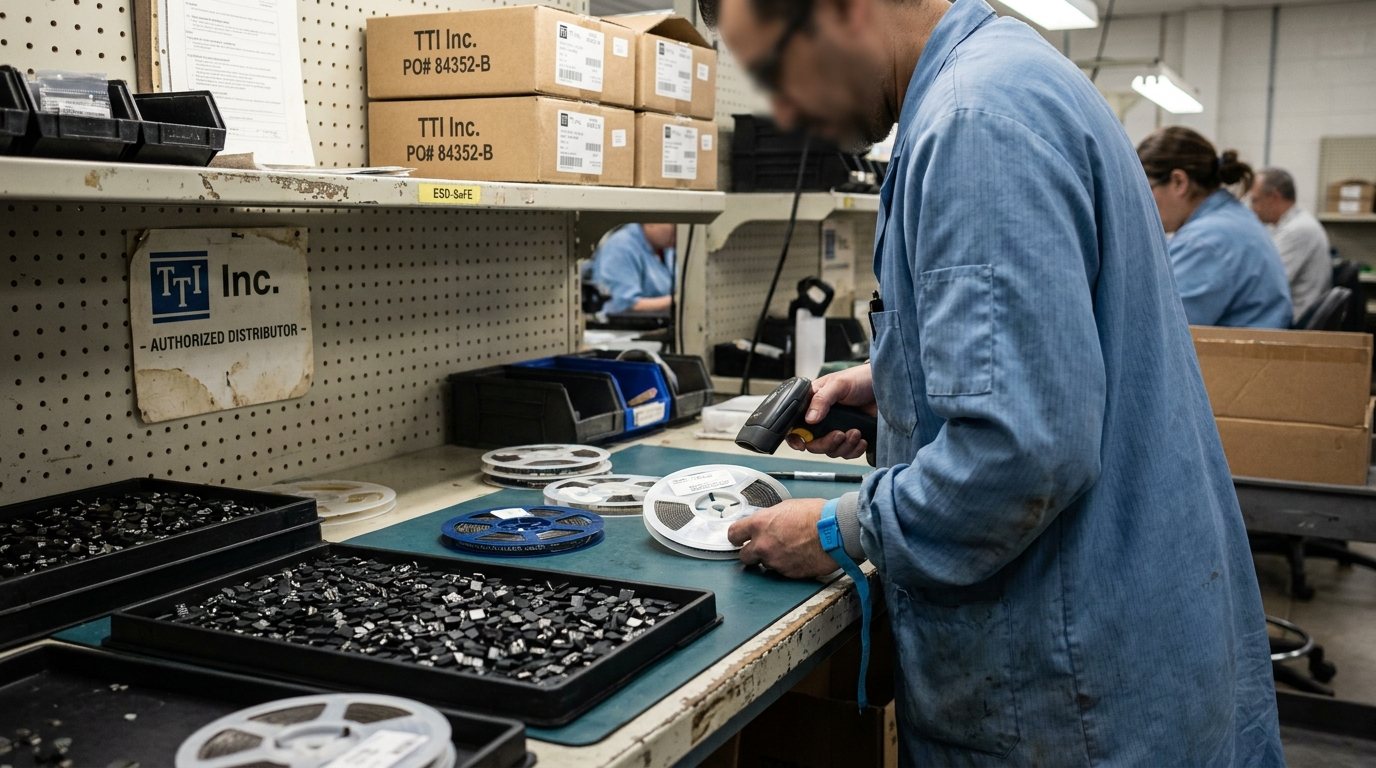
TTI Inc ranks #4 on MDM's 2026 electronics distributor list. Here is how a Fort Worth components house became Berkshire Hathaway's quiet federation of specialists.

Roll-up diligence prices EBITDA and branch overlap but never the item master. Measured data says catalog debt compounds per deal and deserves a dollar figure.

New distributor reps don't ramp slowly because they can't sell. They ramp slowly because nobody memorizes 40,000 SKUs and their substitutes in six months.

Distribution Strategy Group calls rep-free buying a sales-tech problem. Anglera's data says it's a product-page problem — here's the proof.

No new ad budget, no new channel, no replatform. Just the product data you already own, made complete enough to get found, get chosen, and get kept. Here's what that takes — and where the work actually belongs.
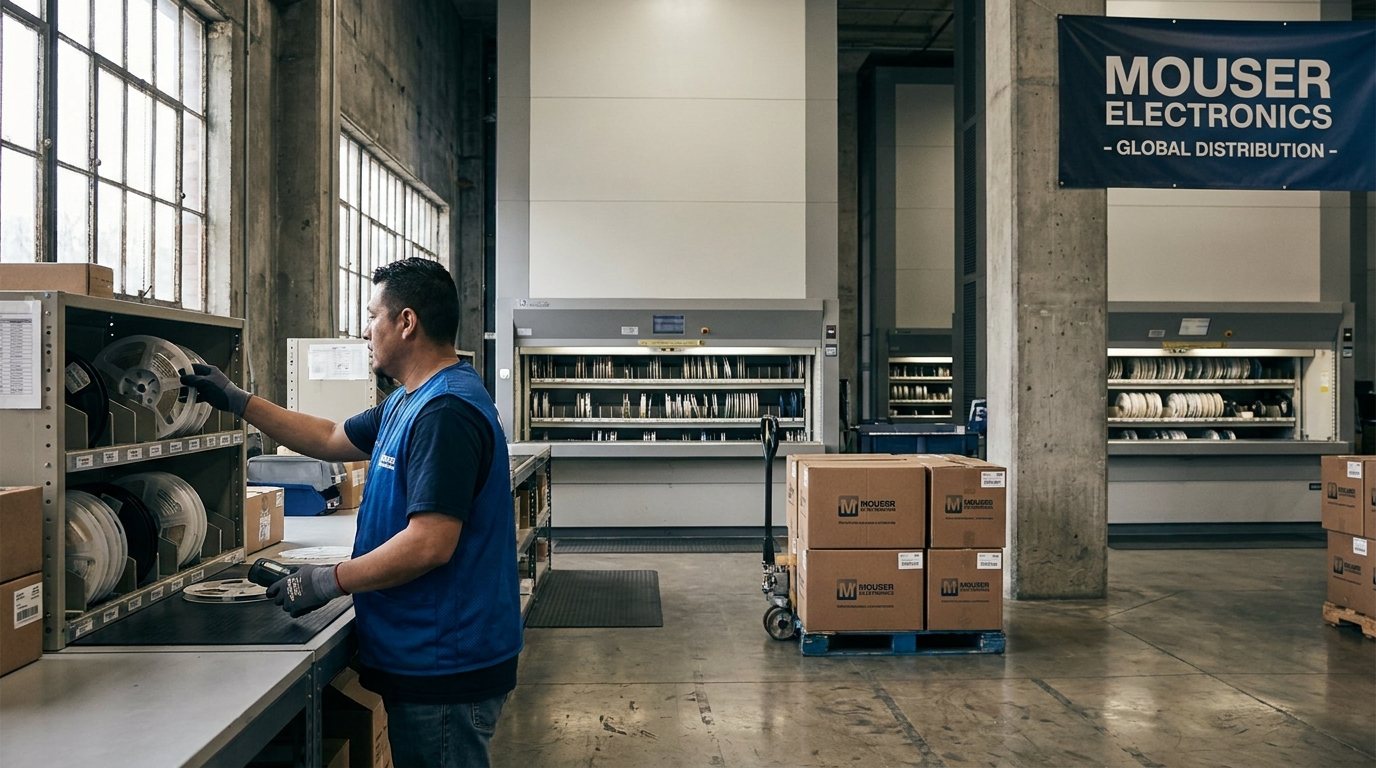
Mouser ranks #8 in Electronics on MDM's 2026 Top Distributors list. How a Berkshire Hathaway subsidiary built its edge around design engineers, not factories.
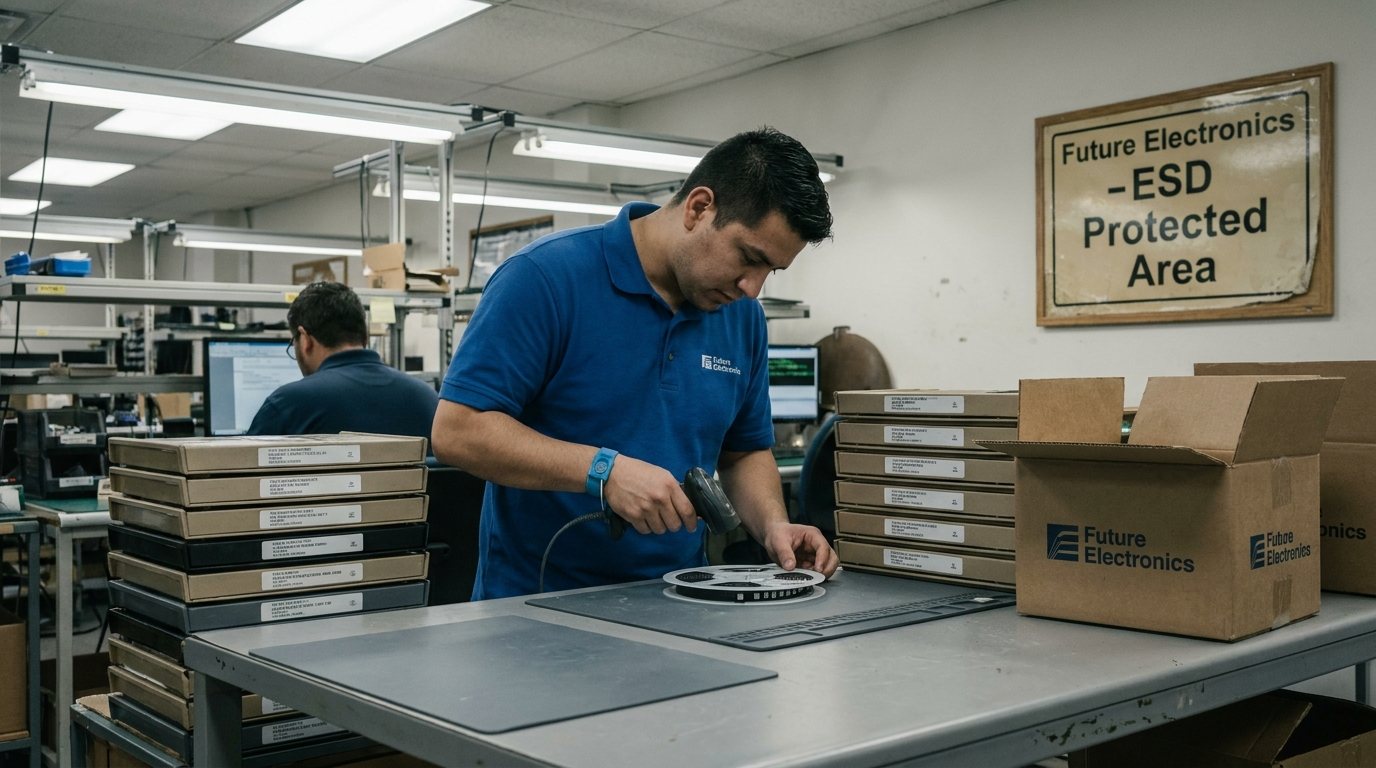
How Future Electronics built a private, debt-free global components distributor from a 1968 Montreal storefront, then sold it after 55 years.
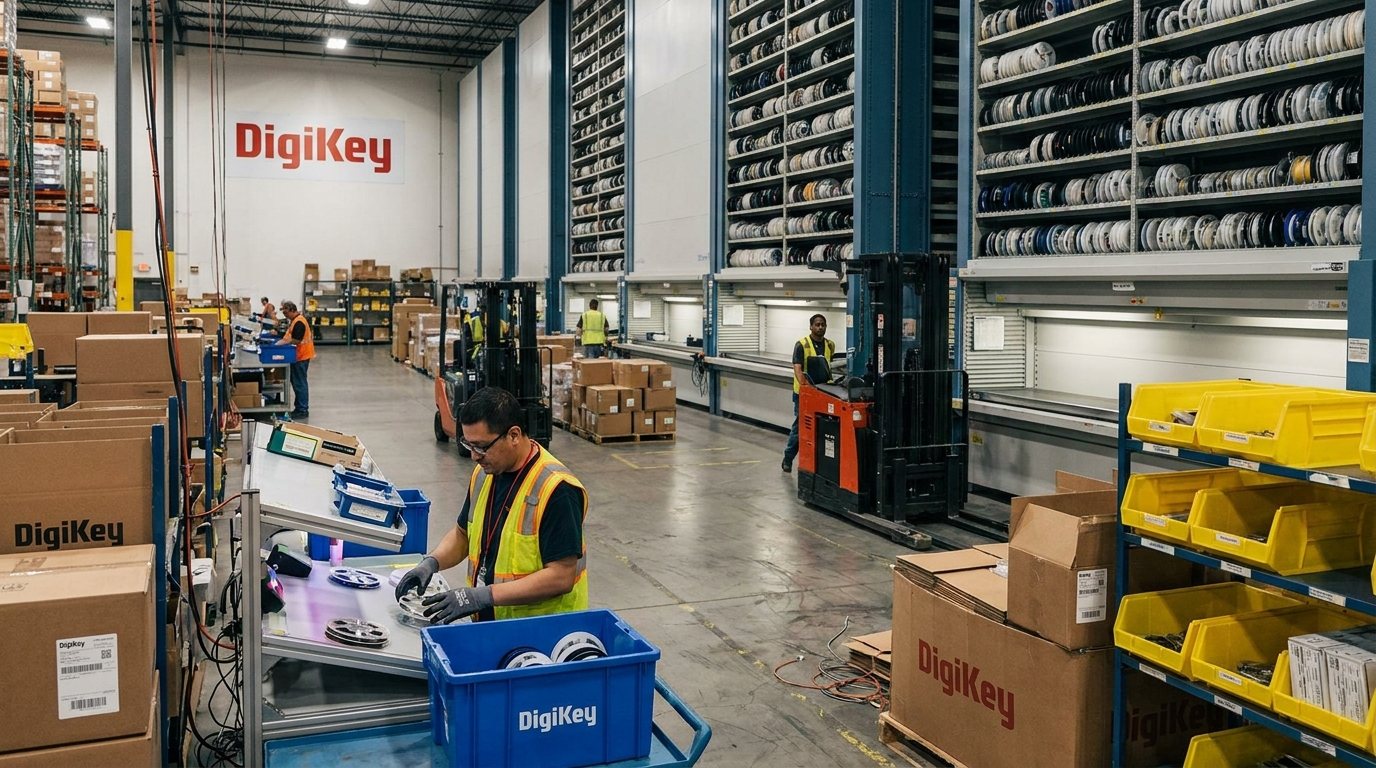
DigiKey ranks #6 in Electronics on MDM's 2026 Top Distributors list. How a family-owned company in rural Minnesota built a one-warehouse global moat.
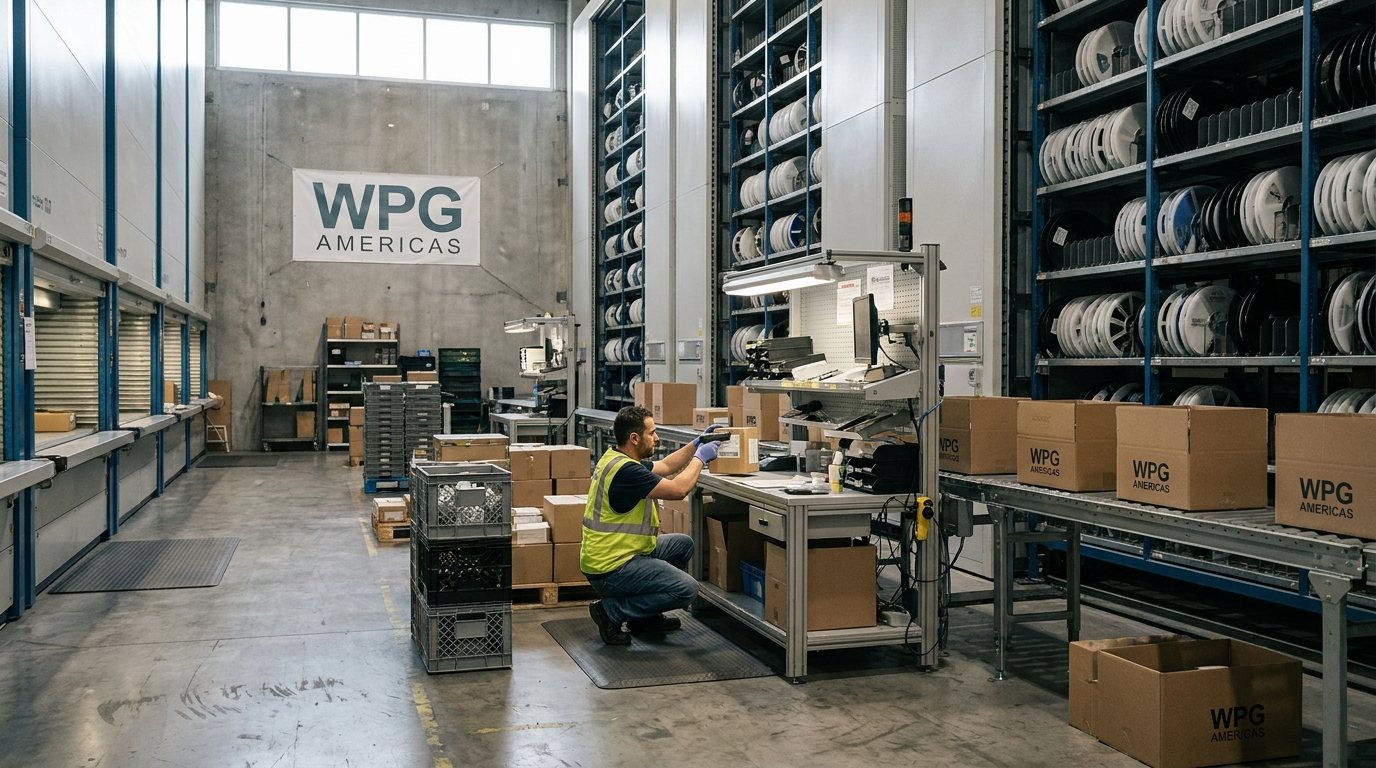
WPG Americas ranks No. 3 in electronics per MDM's 2026 Top Distributors list, 18 years after founding, backed by a parent built to out-compete itself.
The 8 product-data KPIs MRO and industrial distributors should baseline, how to instrument each, and how to attribute lift honestly.

A step-by-step framework for measuring the ROI of product data quality: baseline metrics, isolate lift, and convert enrichment into dollars.

JSON-LD that disagrees with the visible page gets flagged as untrustworthy rather than averaged out. Why drift happens, and how to fix it for good.
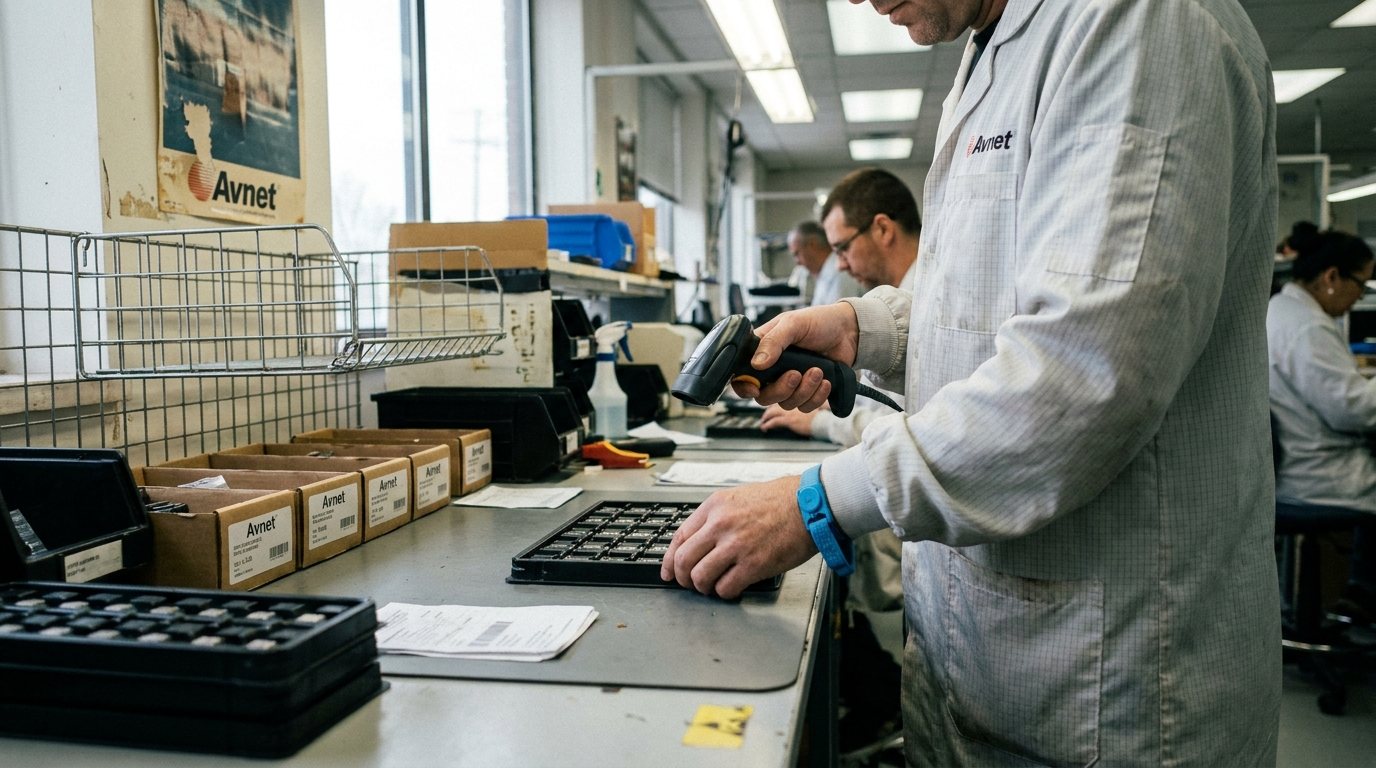
Avnet ranks #2 on MDM's 2026 Electronics distributor list. Its real edge is running a low-margin broadline arm and a high-margin design business as separate brands.
Arrow Electronics ranks #1 in electronics on MDM's 2026 Top Distributors list. Here's how a Radio Row parts shop built the channel's most durable M&A engine.

PIM AI assists a person filling one field at a time. That's genuinely useful — and it's not the same as owning the work across a hundred thousand SKUs. Knowing the difference is the difference between a tool and an outcome.

Product data has one job: get the right buyer to the right product at the moment of intent, then remove every reason not to buy.

A practical framework for building a product-data scorecard that ties completeness, accuracy, and freshness to conversion, returns, and revenue.
Hydraquip ranks #10 in fluid power on the 2026 MDM Top Distributors list. Its real edge is an ESOP structure built to keep acquiring, not get acquired.
Bearing Headquarters Company ranks #10 in power transmission on MDM's 2026 Top Distributors list, still family-owned after 90 years of buying machine shops.

Echelon Supply and Service ranks #7 on MDM's 2026 Hose list. Its real story: a 42-year founder's brand dissolved into a four-company PE platform.

Product catalogs don't stay clean once they're clean. Here's how to measure catalog decay rate and what stale data actually costs in lost sales and returns.
Berendsen Fluid Power ranks No. 9 in MDM's 2026 Fluid Power rankings by running a lean two-hub network and manufacturing its own power units.

Portal adoption plateaus aren't a UX problem. They're a product-data problem, and the next self-service buyer is an AI agent with even less patience for it.
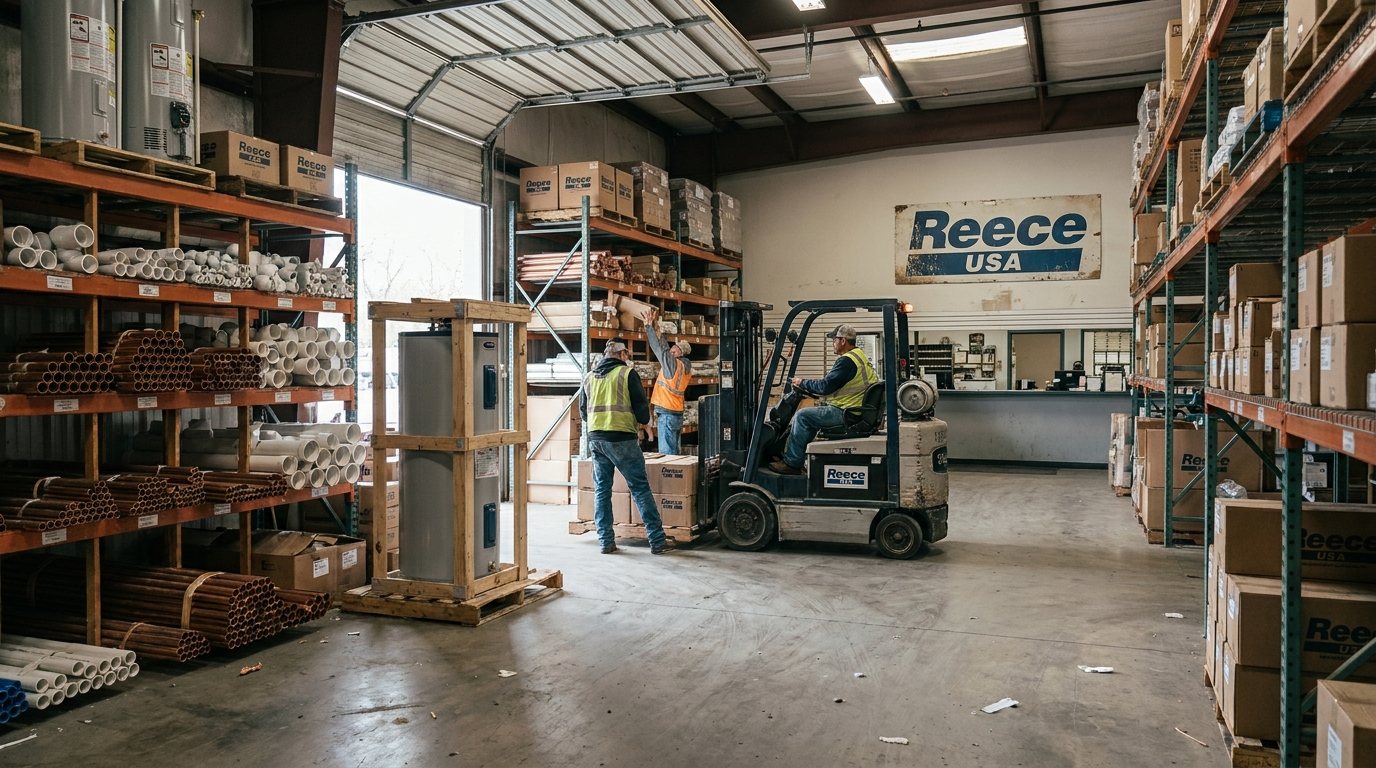
Reece USA ranks #3 in plumbing on the 2026 MDM Top Distributors list. Here is how a 105-year-old Australian family business built it through the MORSCO acquisition.

A distributor's checklist for Optimizely Configured Commerce PDPs: SSR, JSON-LD, canonicals, titles, images, and crawl config buyers and AI agents can read.
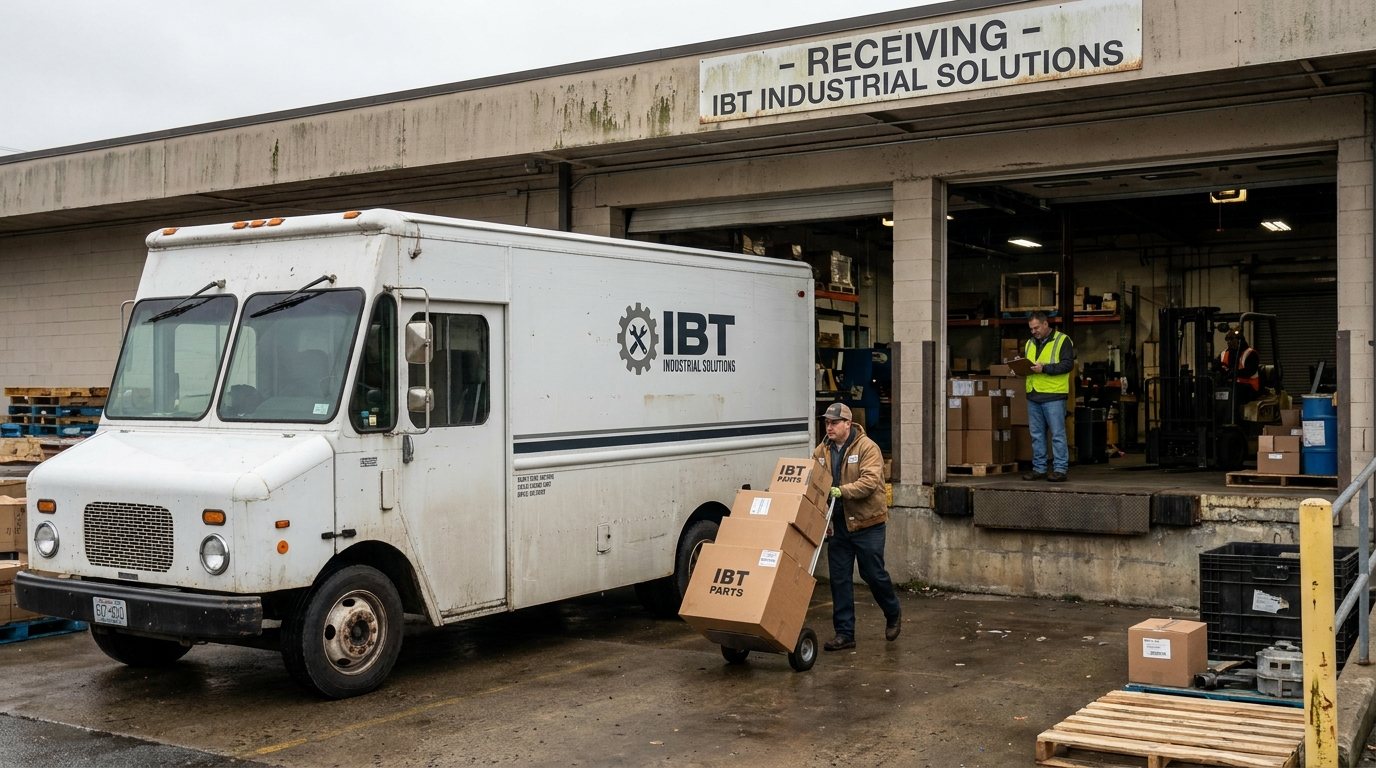
IBT Industrial Solutions ranks ninth on MDM's 2026 Power Transmission list. Here is how a third-generation family distributor avoided the PE roll-up wave.

Wrong specs, fitment, or images cost more than empty fields ever will. Here's the cost math on inaccurate product data, and how to measure it.
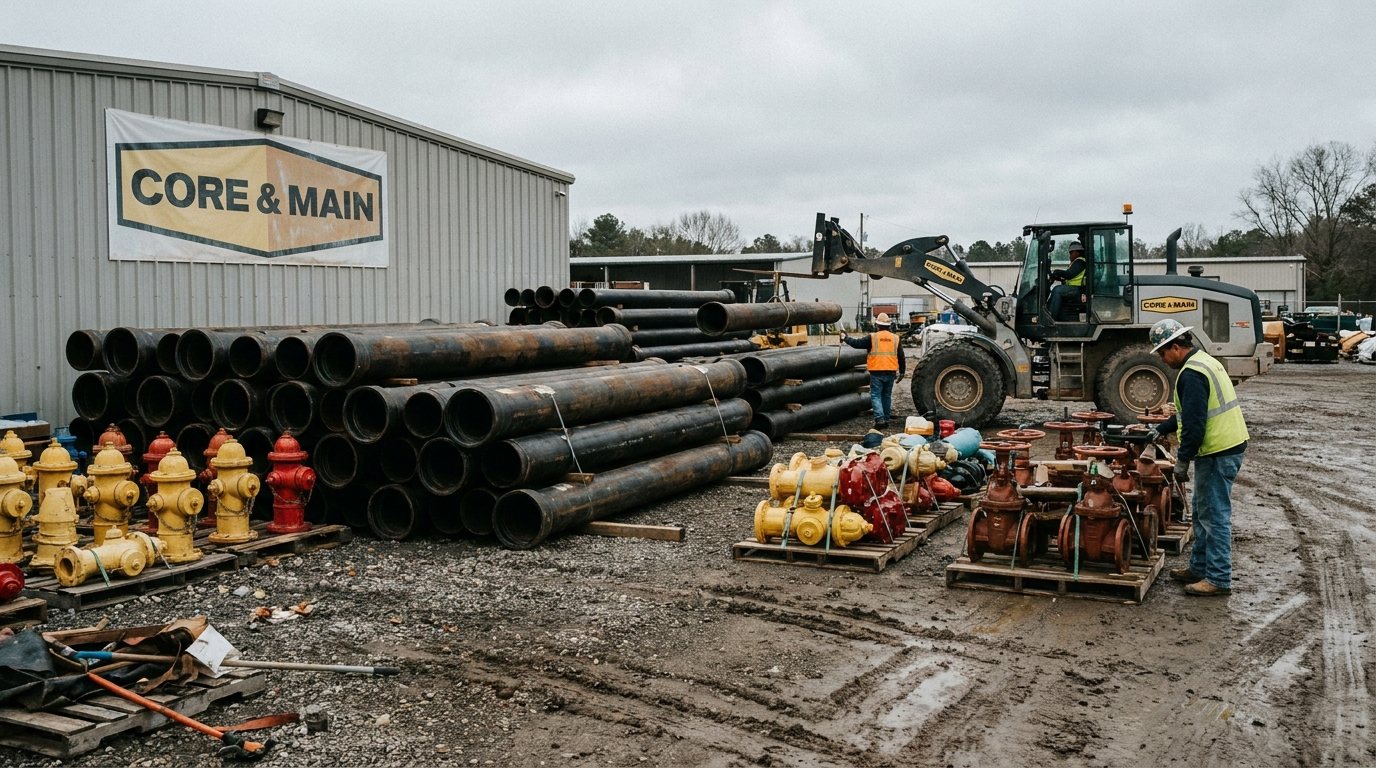
Core & Main ranked No. 2 in PVF on the 2026 MDM Top Distributors list. Its origin story runs through Home Depot, a 2007 buyout, and a 2020 reunion it wasn't invited to.
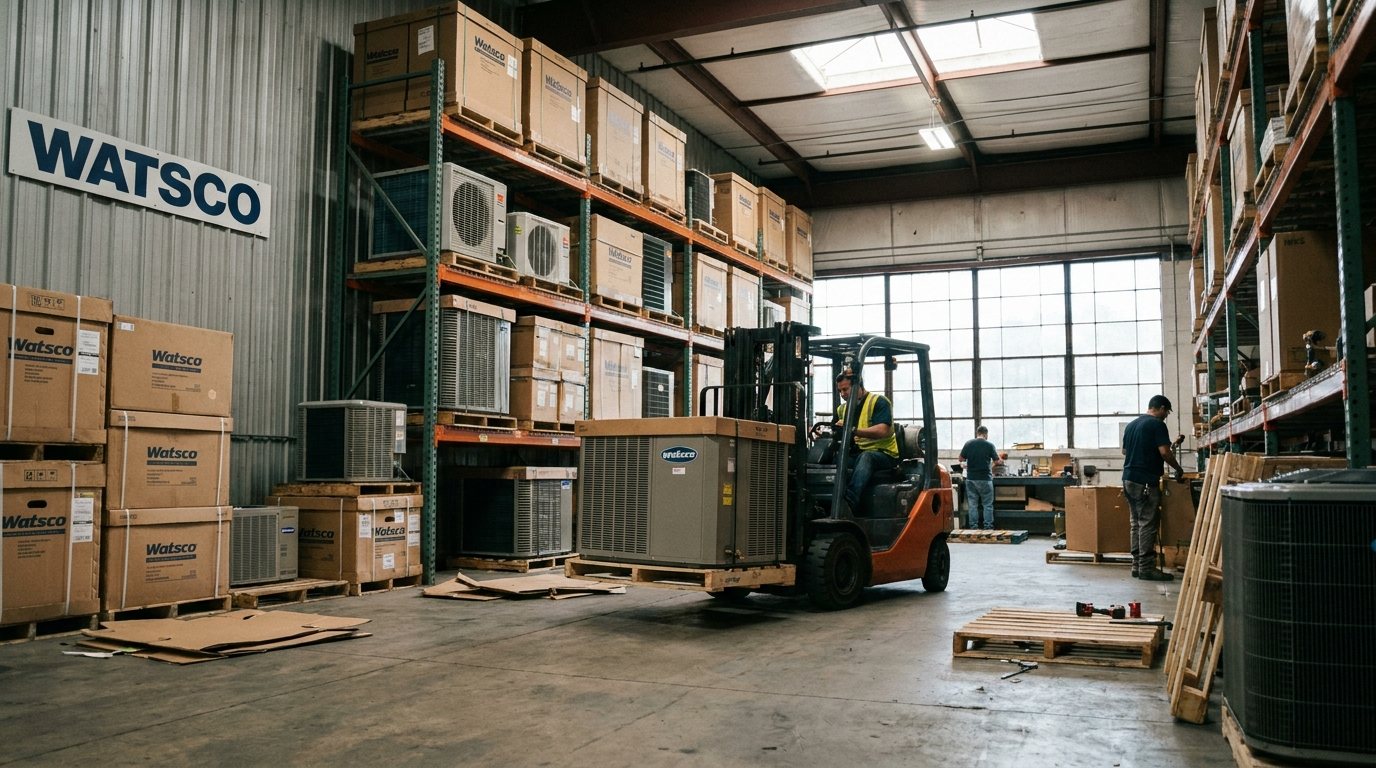
MDM ranks Watsco #1 in HVACR distribution. Its edge: a Carrier joint venture, 36% e-commerce sales, and 50 years of family control amid a consolidating market.

How SAP Commerce Cloud renders PDPs server- vs client-side, why CSR hides product data from crawlers, and how to check with curl and view-source.

How Richards Building Supply grew from one Chicago branch to 60+ locations while staying family-owned as rival distributors sold to Home Depot and QXO.

R.E. Michel ranks #5 on the 2026 MDM HVACR list. Ninety years after a Baltimore oil-burner shop, the Michel family still owns the company outright today.

Quote cycle time isn't a workflow problem. It's a SKU identification problem, and CPQ tools automate the easy half while reps still hand-match the hard part numbers.

Which schema.org Product and Offer fields drive Google rich results and AI citations, how to populate them, and the mistakes that disqualify a page.

Filters and browse paths are how shoppers and marketplaces narrow millions of SKUs down to a handful. Land in the wrong node — or too shallow a one — and you're not ranked low, you're not in the room.

The Master Group ranked sixth in HVACR on MDM's 2026 Top Distributors list. Here's how a Quebec-based specialist is buying its way into the U.S.

JSON-LD, microdata, and visible text explained: what Google, GPTBot, and other AI agents actually parse, and why your markup must match the page.

The product-data KPIs that actually predict revenue, the vanity metrics wasting your team's time, and a four-metric starter scorecard to track both.

Northern Tool + Equipment ranks BM #18 on MDM's 2026 Top Distributors list. Its edge: owning the brands it sells, not just the shelves that hold them.
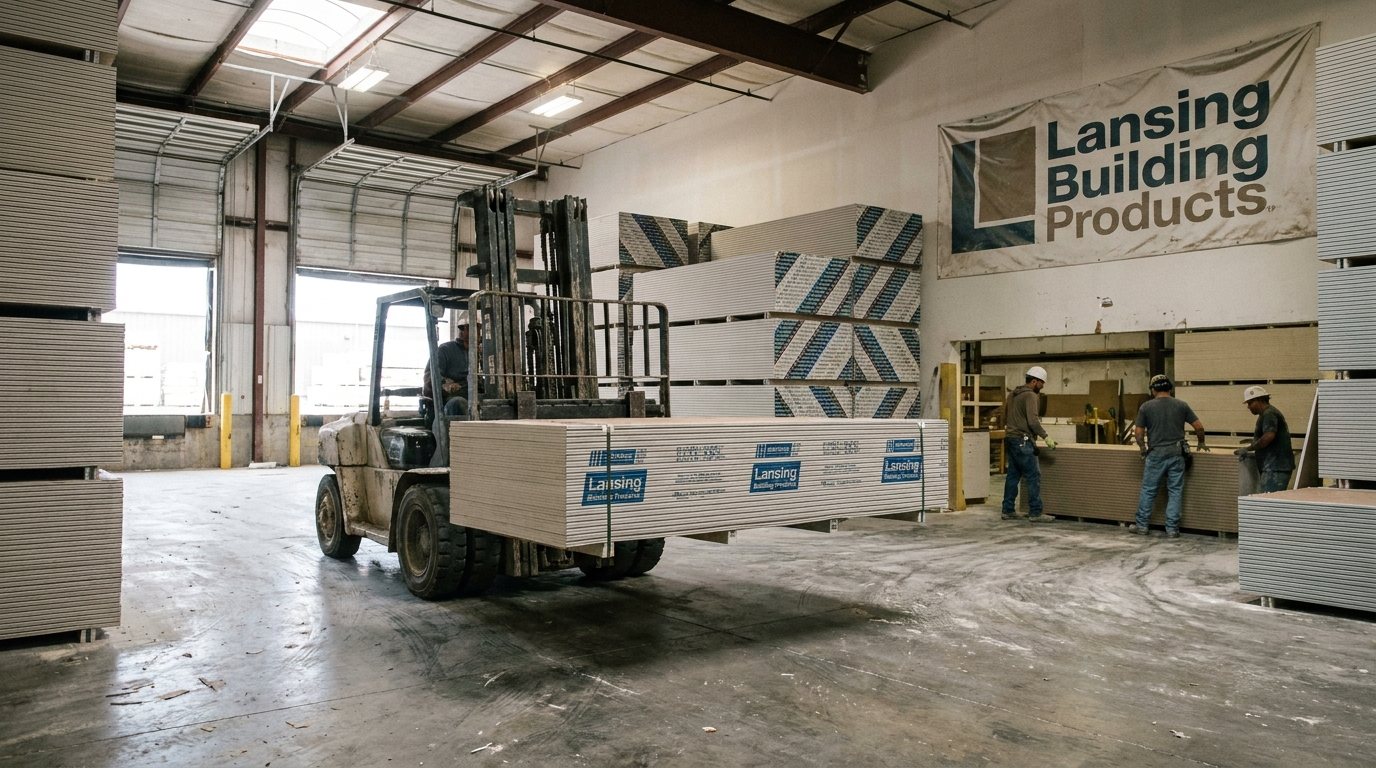
Lansing Building Products ranks #17 on MDM's 2026 building-materials list. How a third-generation family firm used insurer capital to double its branch network.

Gulfeagle Supply ranks BM #15 on the 2026 MDM Top Distributors list. Here's how the family-owned roofing distributor grew while its biggest rivals got bought.

UFP Industries lands on the 2026 MDM Top Distributors list twice. The reason is a single lumber platform sliced into three unrelated markets.

TopBuild ranked #14 on MDM's 2026 Top Distributors building-materials list. Weeks later, the serial acquirer became QXO's biggest acquisition yet.

A grounded ROI framework for MRO and industrial distributors: which product-data metrics move, how to measure them, and how to build a case finance believes.

A platform-agnostic checklist for turning enriched product data into an agent-readable PDP: rendering, JSON-LD, identifiers, media, and Core Web Vitals.

BlueLinx ranks #12 on MDM's 2026 building-materials list. Its real strategy is a decade-long bet to out-grow commodity lumber's boom-bust swings.

How Unilog CX1/CIMM2 renders product pages, why client-only widgets hide specs from crawlers and AI agents, and how to verify with curl and view-source.

SiteOne ranks BM #10 on MDM's 2026 Top Distributors list. How a private-equity carve-out became the landscape industry's only national consolidator.

Kodiak Building Partners ranked #13 among MDM's 2025 top building-materials distributors, then became proof that the roll-up model rolls up its own.

GMS ranked BM #9 on MDM's 2025 Top Distributors list after 50+ acquisitions built it into a wallboard giant, then became 2025's building materials M&A prize.
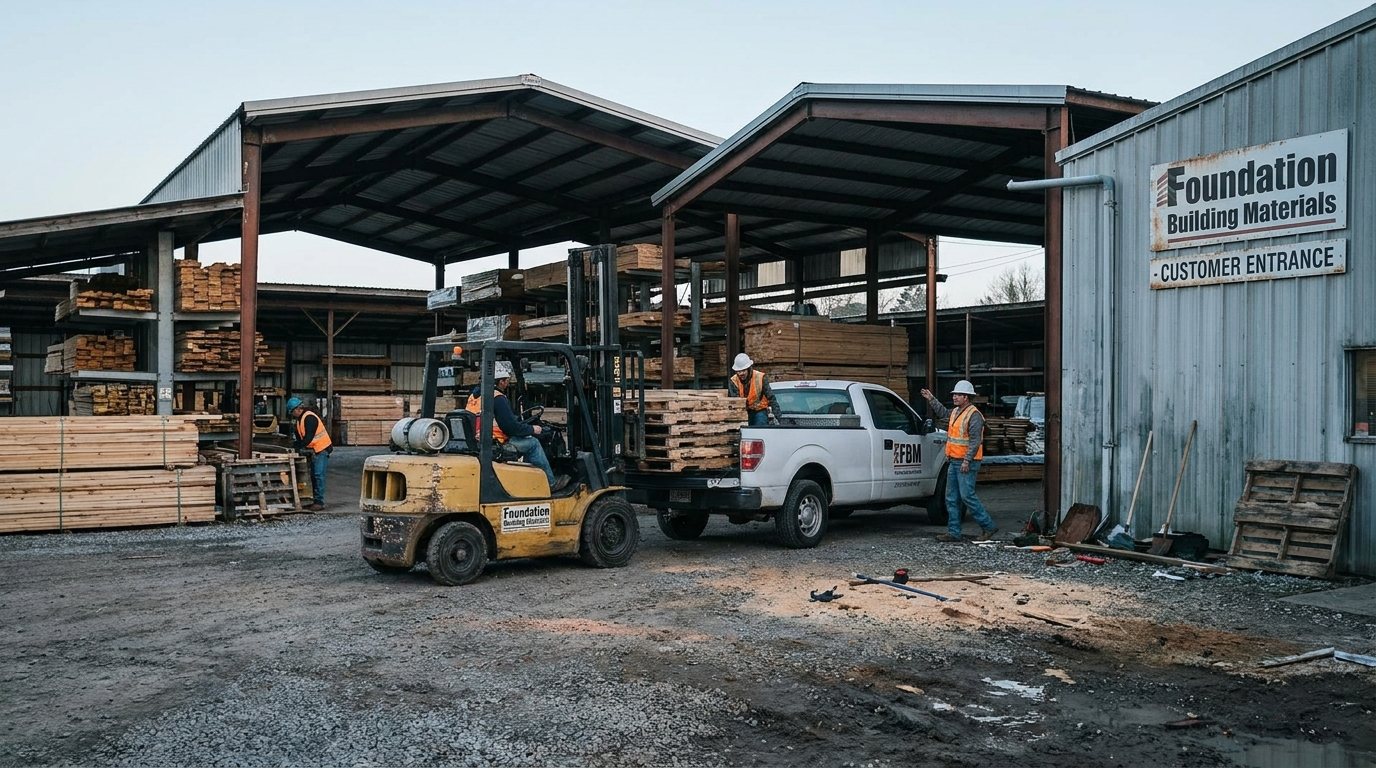
FBM ranks BM #6 on MDM's 2026 Top Distributors list. Its real story is fourteen years of ownership changes that ended with Lowe's paying $8.8 billion.

Data cleansing fixes what's already there. Enrichment adds what was never captured. Most catalogs are spotless and still thin — and a tidy listing with nothing in it converts no better than a messy one.

US LBM ranks #5 in building materials on MDM's 2026 Top Distributors list. Its real edge: buying 80-plus lumberyards and never renaming a single one.

How OroCommerce renders product pages server-side, where headless or custom frontends hide data from crawlers, and how to verify with curl and view-source.

Boise Cascade ranks #9 on MDM's 2026 building-materials list. Its real story is a near-liquidation, a buyout, and a name it had to buy back.
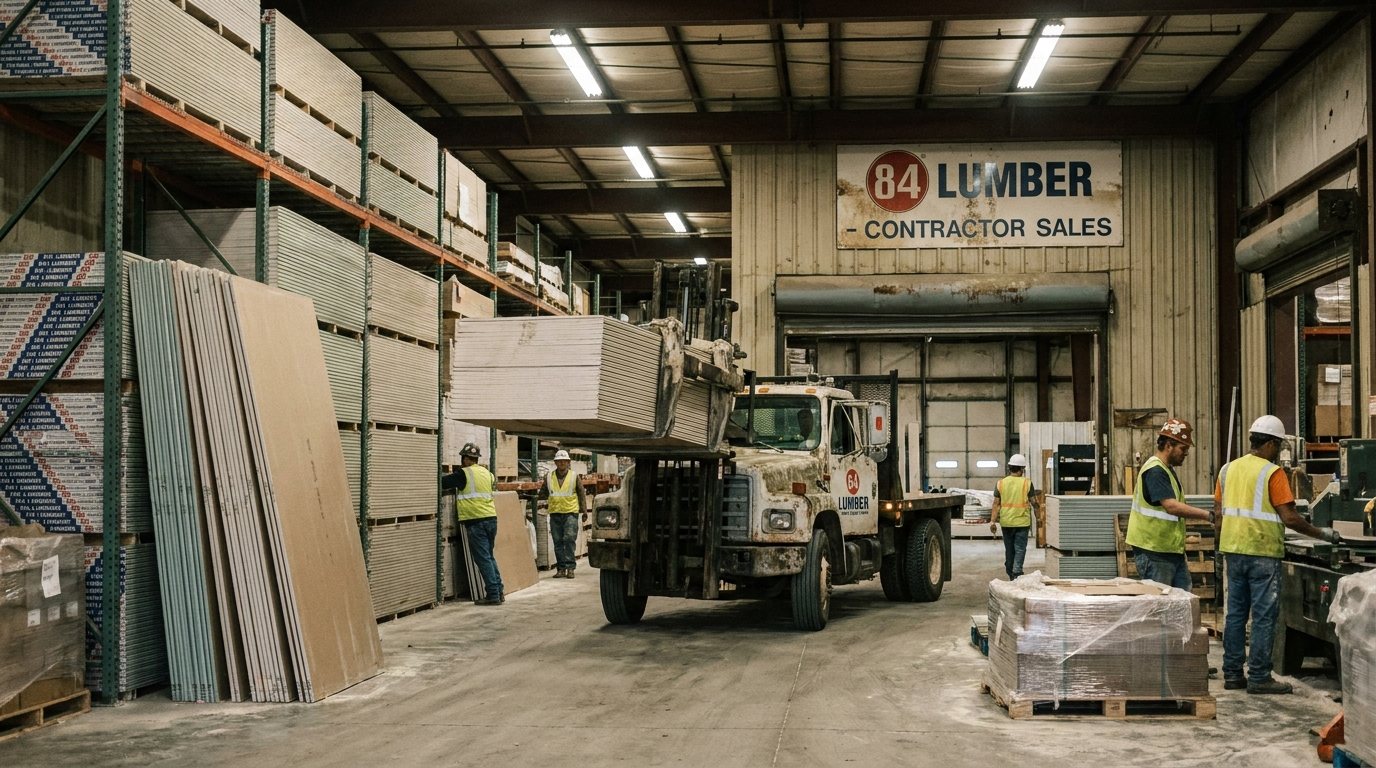
84 Lumber ranks #8 in building materials on the 2026 MDM Top Distributors list. Here is how a family-owned lumber yard reached $5.9B without a single PE dollar.

Swapping the language is the easy 20%. Sizing conventions, units, regulatory disclosures, and the words people actually search — that's the part that decides whether a listing sells or just exists in a new market.
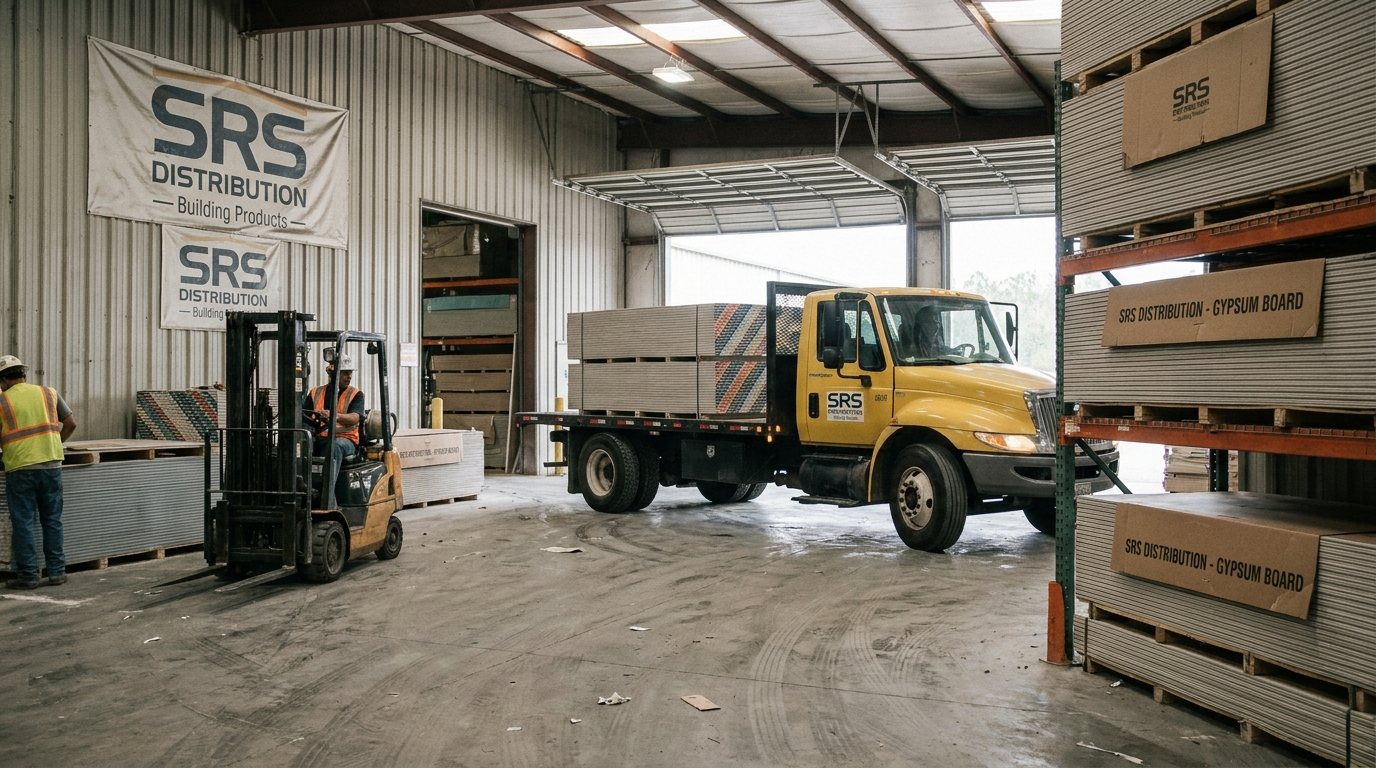
SRS Distribution ranks #3 in building materials on MDM's 2026 list. Owned by Home Depot since 2024, the roofing roll-up just outbid a rival consolidator to buy GMS.
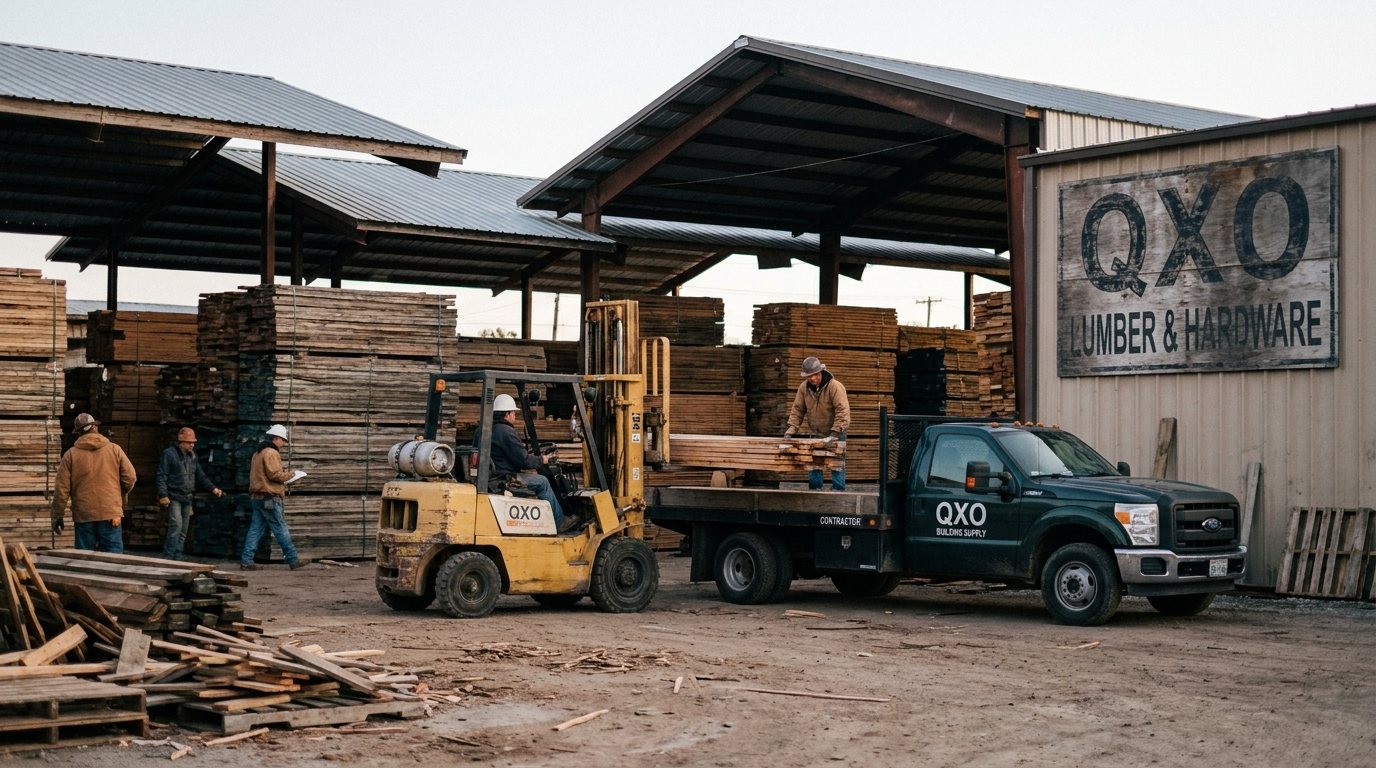
QXO ranks #4 in MDM's 2026 building materials list, but the name masks the real story: a 97-year-old distributor absorbed into Brad Jacobs' latest roll-up machine.

Builders FirstSource ranks #2 on MDM's 2026 Top Distributors list. How a Pulte spinout became a $15B consolidator that buys back more stock than lumberyards.

ABC Supply topped MDM's 2026 building-materials ranking at $20.2B in revenue. The real story is why it never sold while its two biggest rivals did.
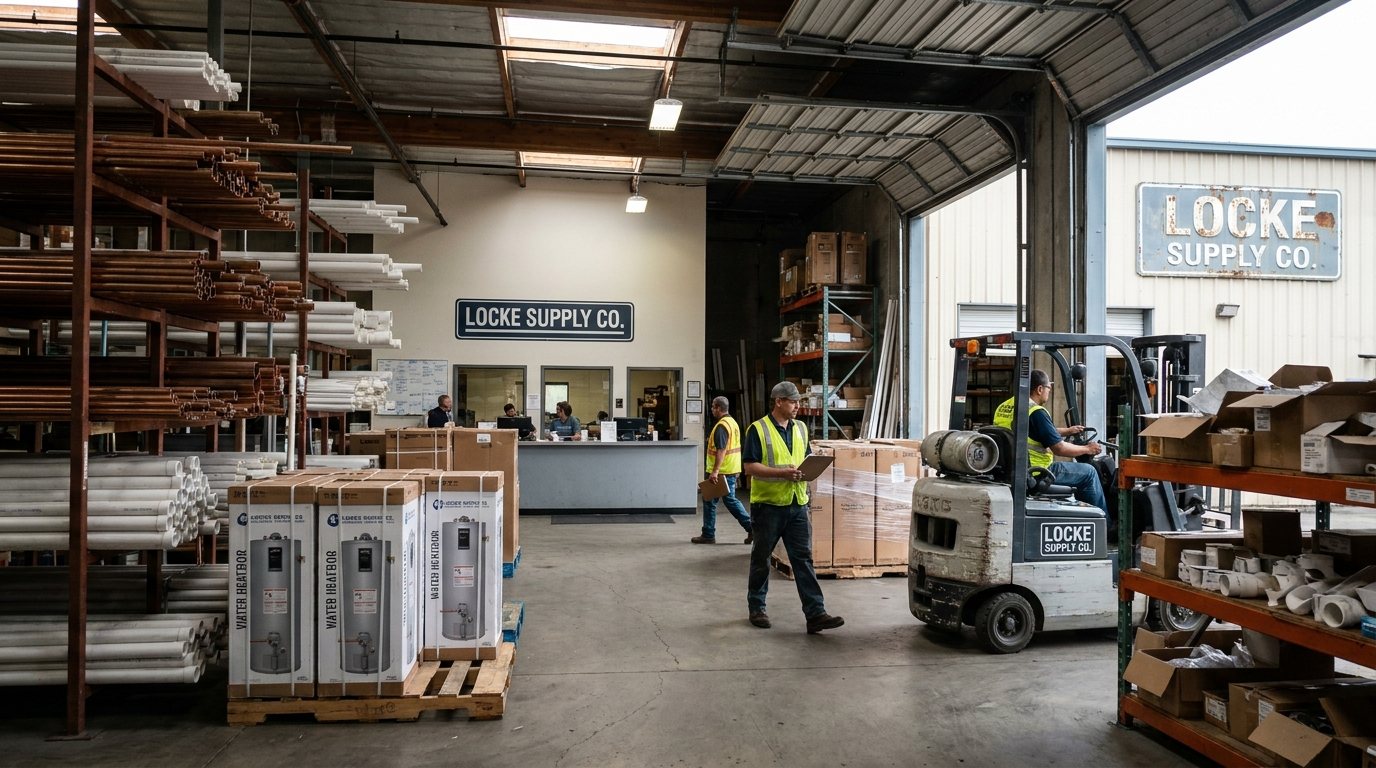
Locke Supply Co charted at Elec #39 on MDM's 2025 Top Distributors list and does not appear on the 2026 lists. Here's how a 100% employee-owned wholesaler built 200+ branches without a PE backer.

Fill rate says a field is populated. It says nothing about whether the value is right, and forecasts built on unverified attributes fail quietly.
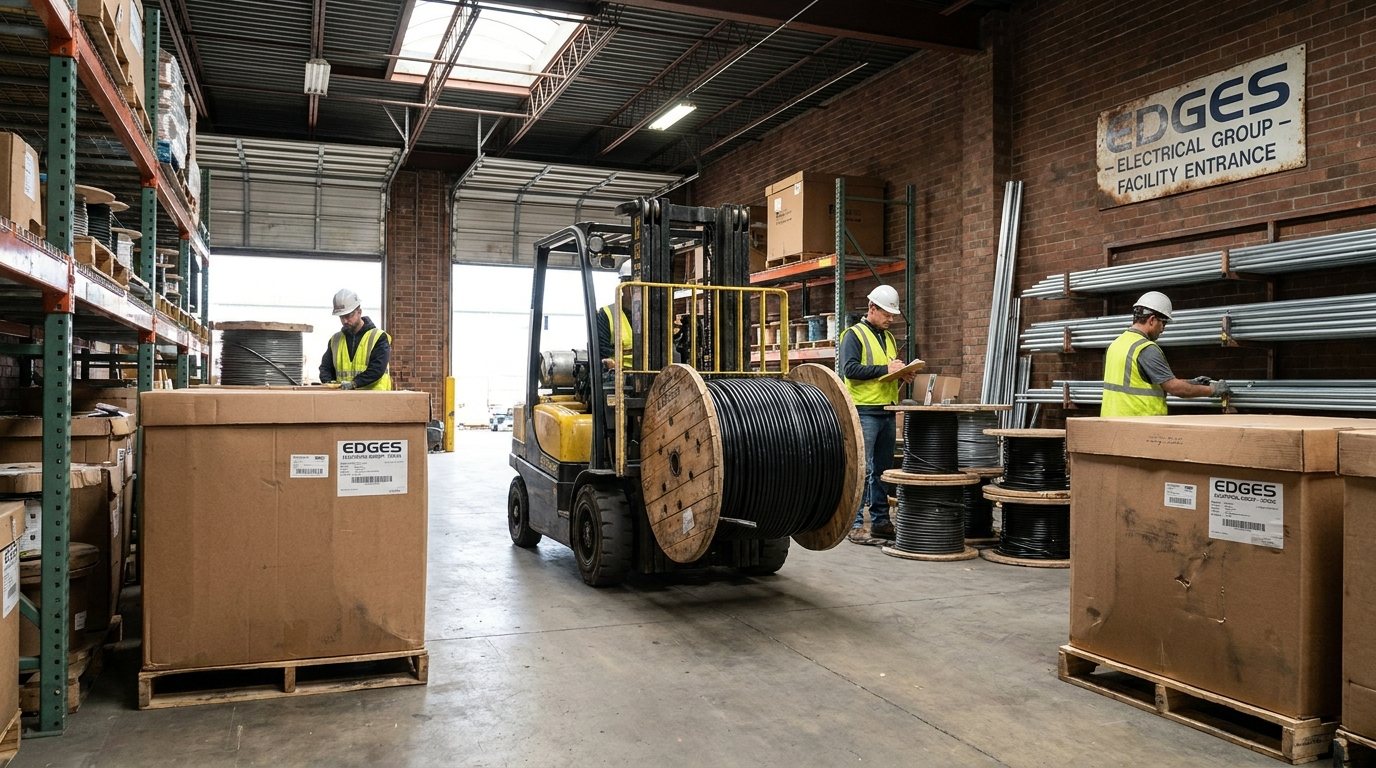
Edges Electrical Group charted at #40 on MDM's 2025 electrical distributor list and does not appear on the 2026 lists. Its history: two Northern California rivals merged, then chose a buying group over a sale
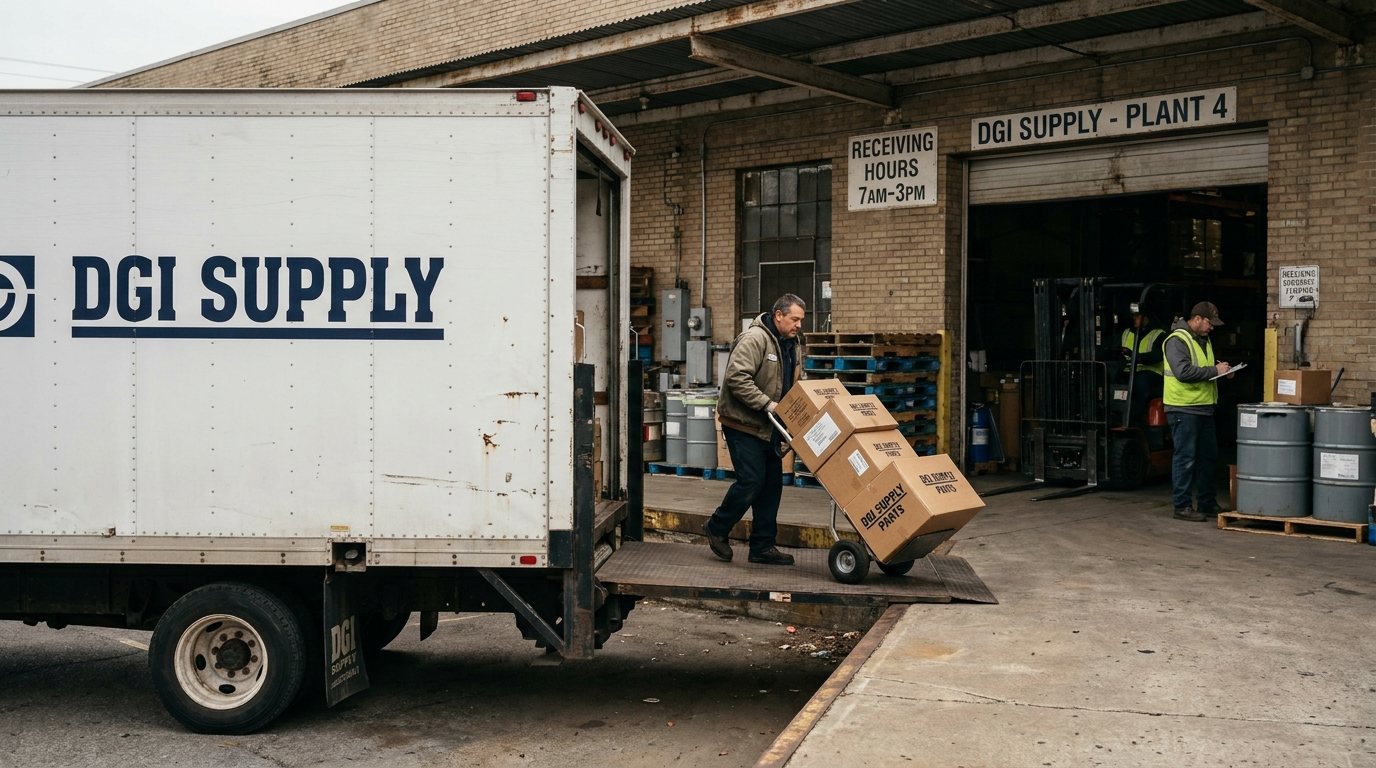
DGI Supply ranks No. 22 on MDM's 2026 MRO Top Distributors list, a century-old, still family-owned distributor that grew up inside a toolmaker.
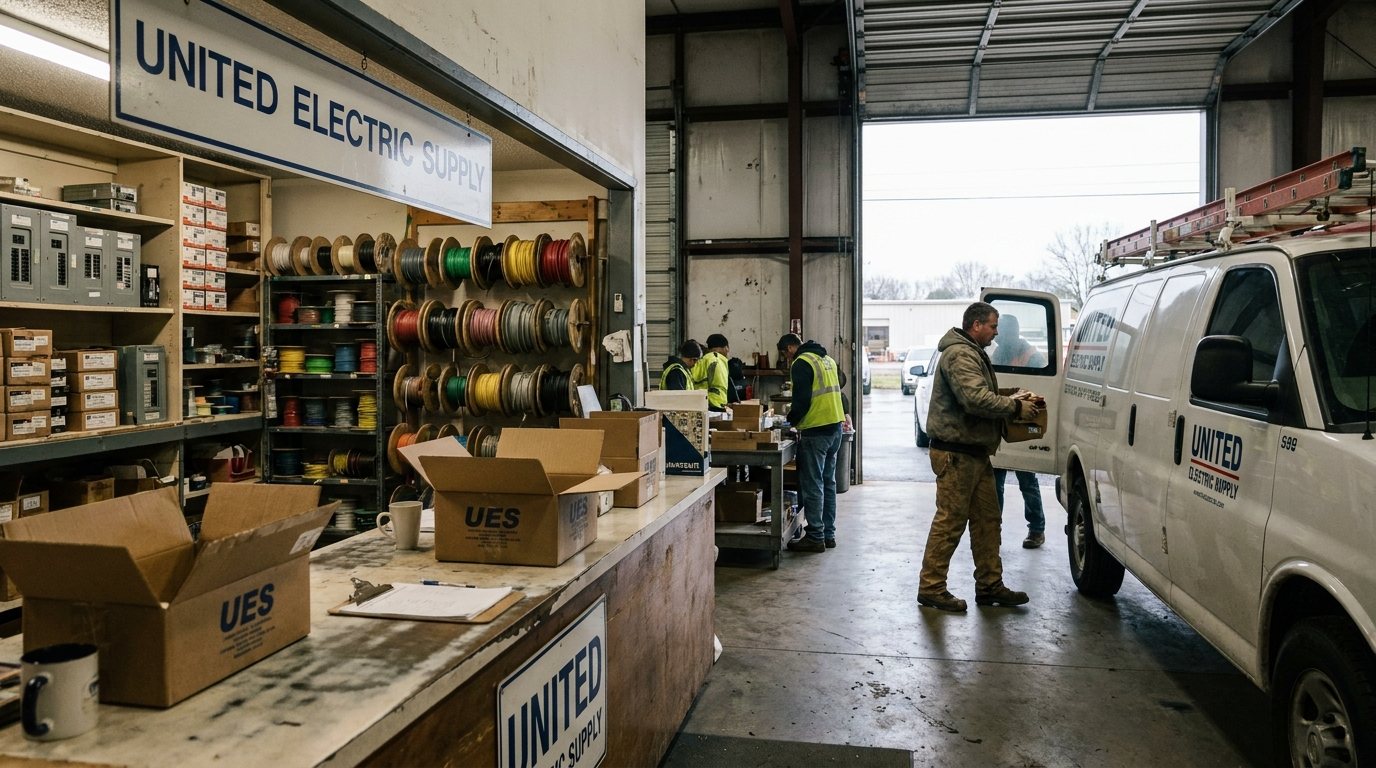
United Electric Supply ranks #39 among electrical distributors on MDM's 2026 list. Its real edge is using ESOP structure as an acquisition currency.
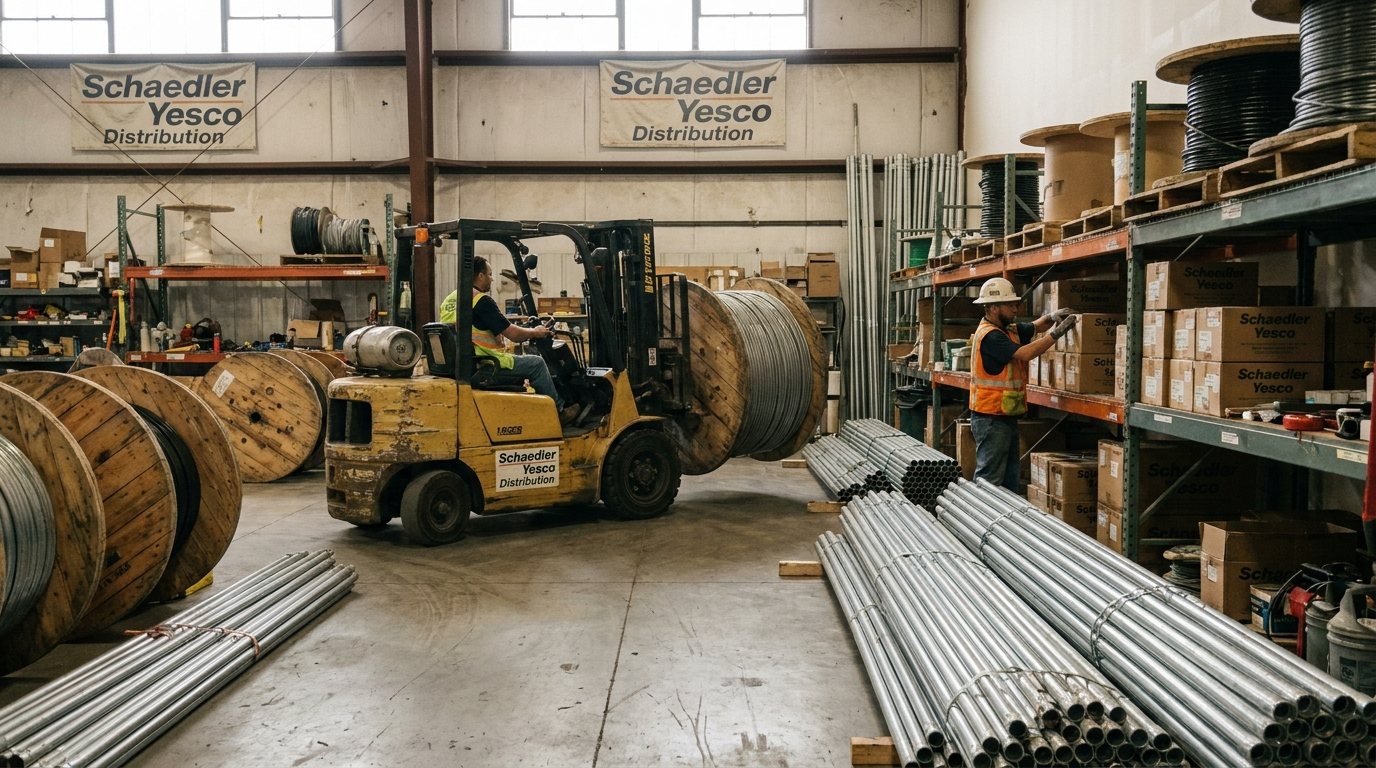
Schaedler Yesco charted at #37 on MDM's 2025 electrical distributor list but doesn't appear on the 2026 list. Its real story is a century-old family firm that became employee-owned without selling out.

A PIM stores product data beautifully. It doesn't gather it, clean it, enrich it, or fix it when it's wrong. That gap is where most catalogs quietly fall apart.

Loeb Electric hit #35 on the 2025 MDM electrical distributor list from four stores in one metro but does not appear on the 2026 list. Here is how a third-generation family business got there.
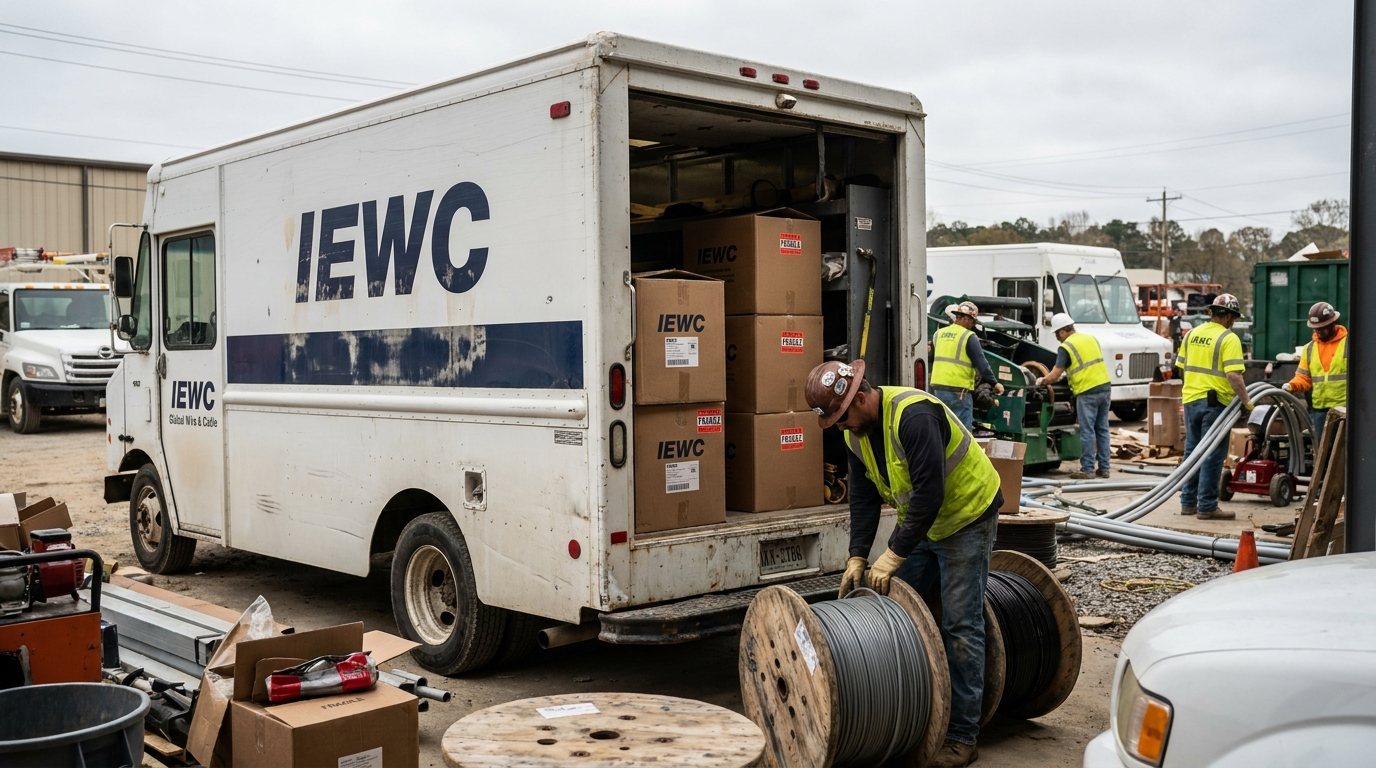
IEWC ranks #28 on MDM's 2026 electrical list. Its real story is a 1985 ESOP bet and a 2025 pivot from distributing wire to manufacturing it.

Google's UCP lets shoppers buy straight from AI Mode and Gemini — but your product feed decides whether you even show up. Here are the 6 things that put you in the cart (and keep you out).

Product copy, imagery, and BOMs disagree constantly. Here is how to detect those conflicts and resolve them with a defined trust hierarchy instead of luck.

The demand you never converted rarely shows up in a dashboard. Here's how to find and size it using zero-result searches, exits, and returns data.
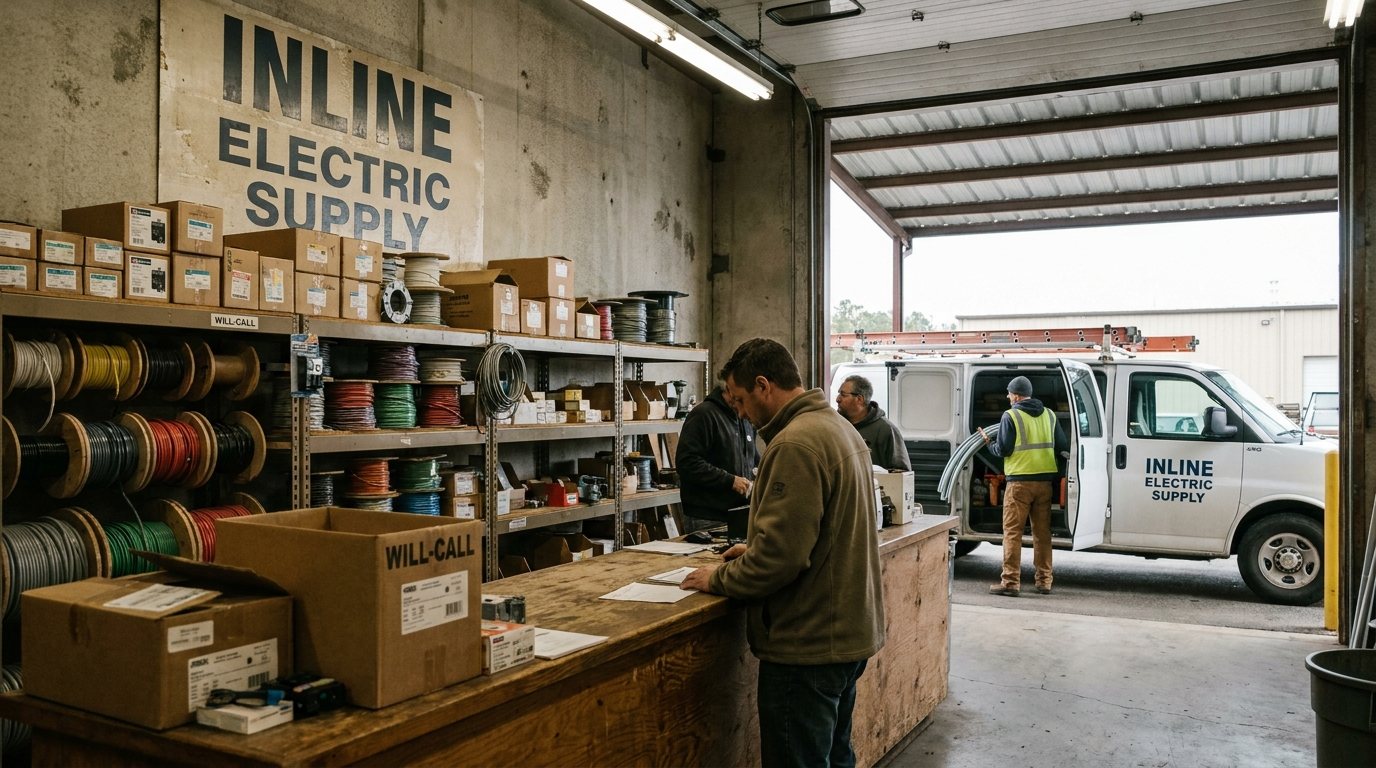
Ranked #34 in electrical on MDM's 2026 Top Distributors list, Inline Electric Supply grew from one Alabama branch to 41 by staying employee-owned.
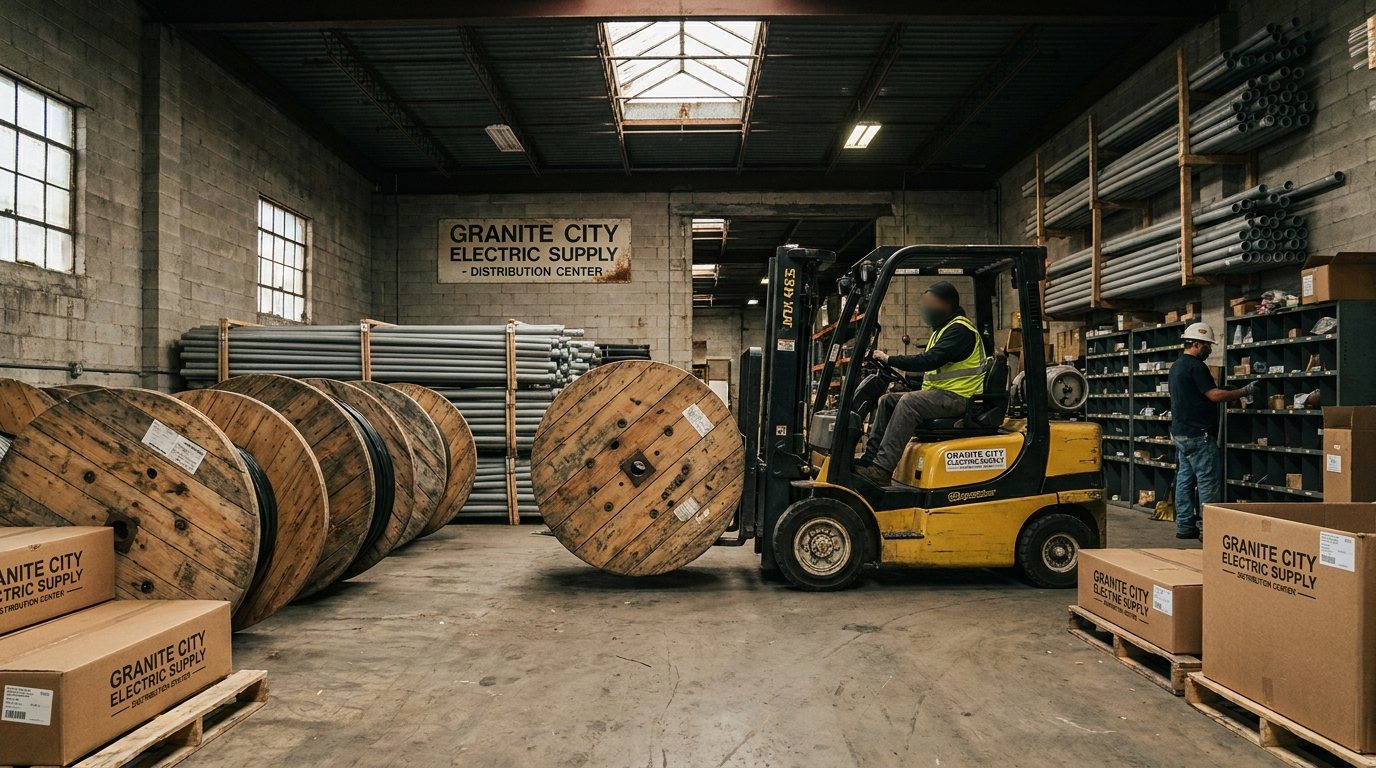
Granite City Electric ranks #40 on MDM's 2026 electrical list. Its real story is how a 1923 family business kept growing without selling out.

In 2023, NAED found poor product data costs electrical distribution over $2B a year. In 2026, that same data decides whether AI engines and a younger generation of buyers ever find you.

How Colonial Electric Supply, No. 35 on MDM's 2026 electrical list, rebuilt itself from a dead company and stayed family-owned through two near-misses.
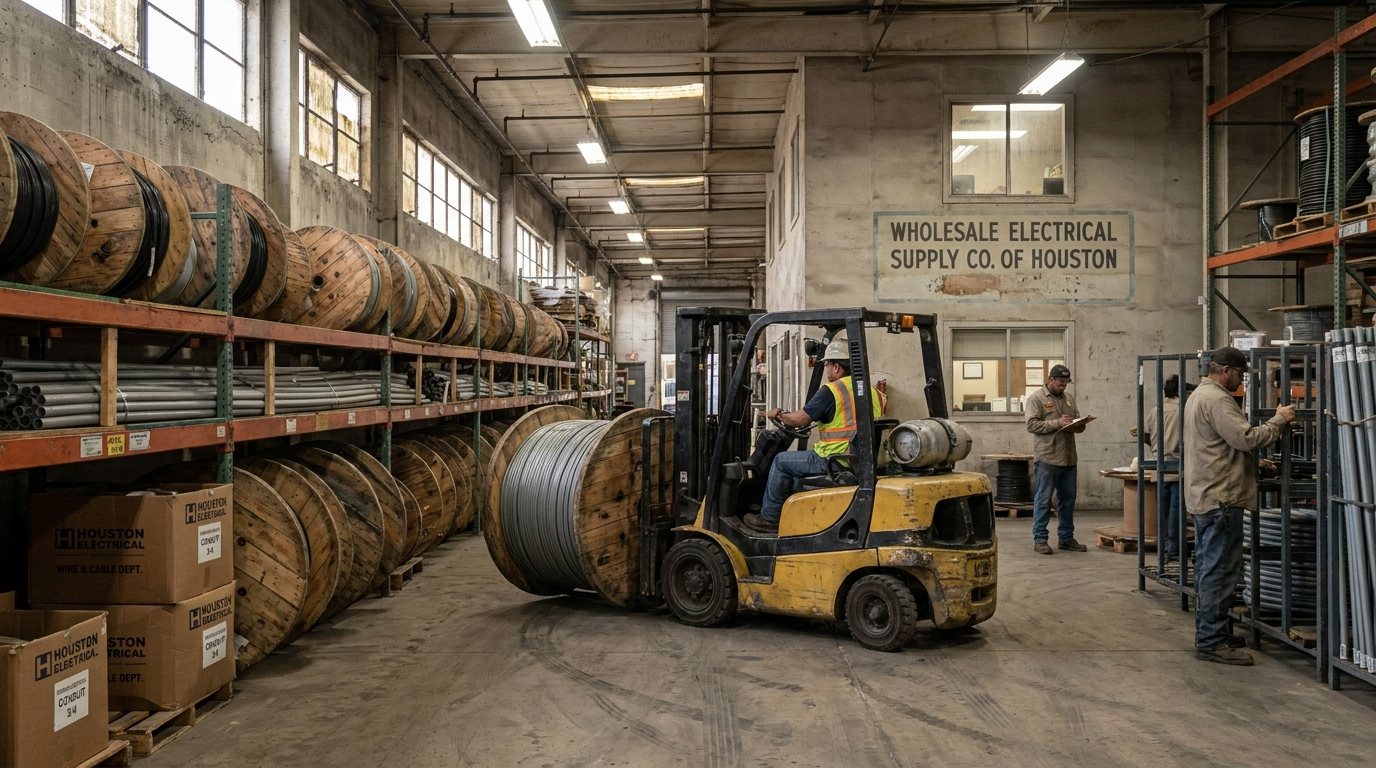
Wholesale Electric Supply is #31 on MDM's 2026 Top Distributors electrical list. Here's how three generations of one Houston family kept it that way.

Founded in 1948 in Appleton, Wisconsin, Werner Electric Supply cracked MDM's 2026 electrical Top Distributors list by following industrial demand, not population.

State Electric Supply ranks #16 on MDM's 2026 electrical distributor list. Here is how a family-owned house from Huntington, WV competes without selling out.

A blank GTIN field doesn't throw an error. It just makes your product harder for a machine to identify, trust, and recommend — so it gets passed over.
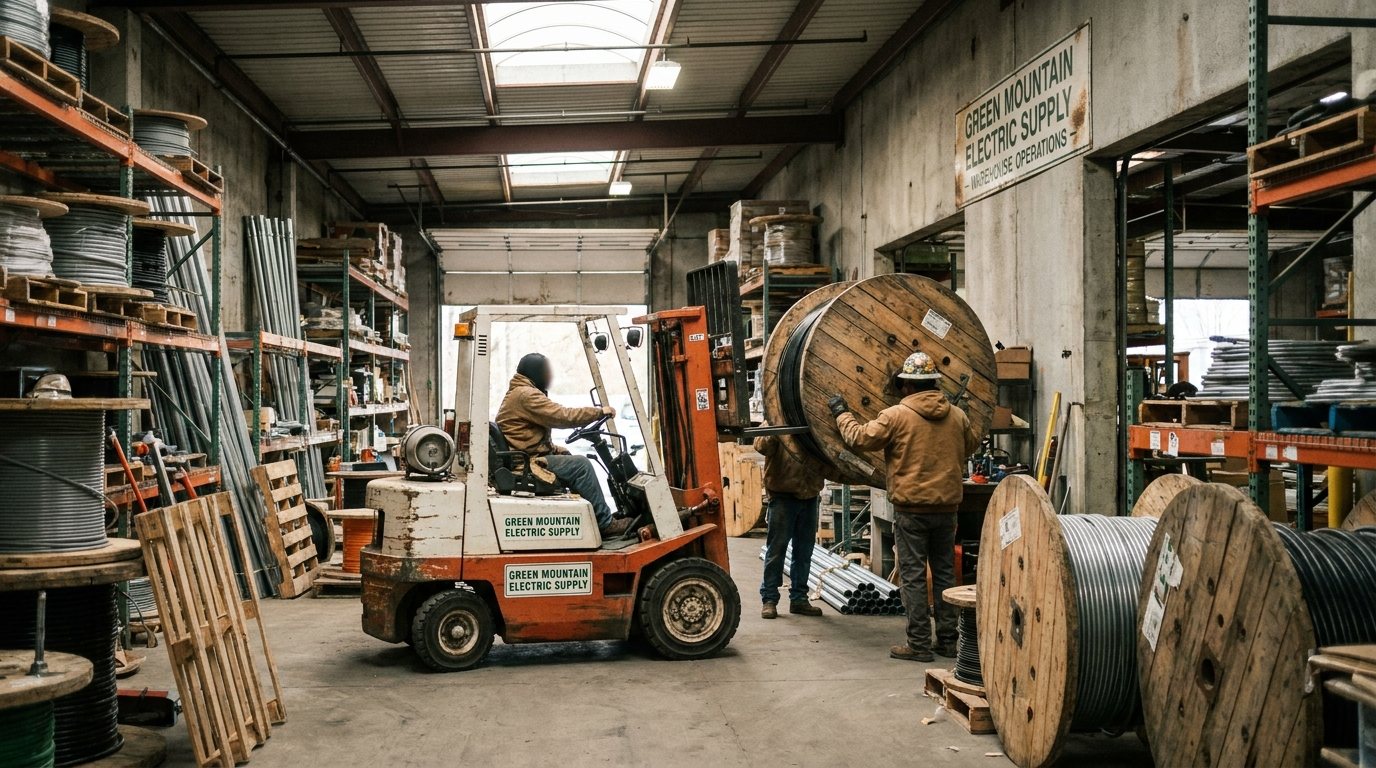
How a family-owned Vermont electrical distributor became one of the industry's most active acquirers without ever selling to private equity.

How to make a BigCommerce catalog agent-readable: structured attributes, Product JSON-LD, and server-rendered content AI shopping agents can actually parse.

How to add schema.org Product JSON-LD on Adobe Commerce PDPs, which fields (gtin, offers, aggregateRating) matter, and how to keep markup synced with the page.

How an enriched product attribute travels from SAP Commerce Cloud's data model to a rendered PDP, across Accelerator and Composable Storefront.

PDP conversion is where product data becomes revenue. Here's which fields move add-to-cart, a before/after page, and how to measure it by completeness tier.
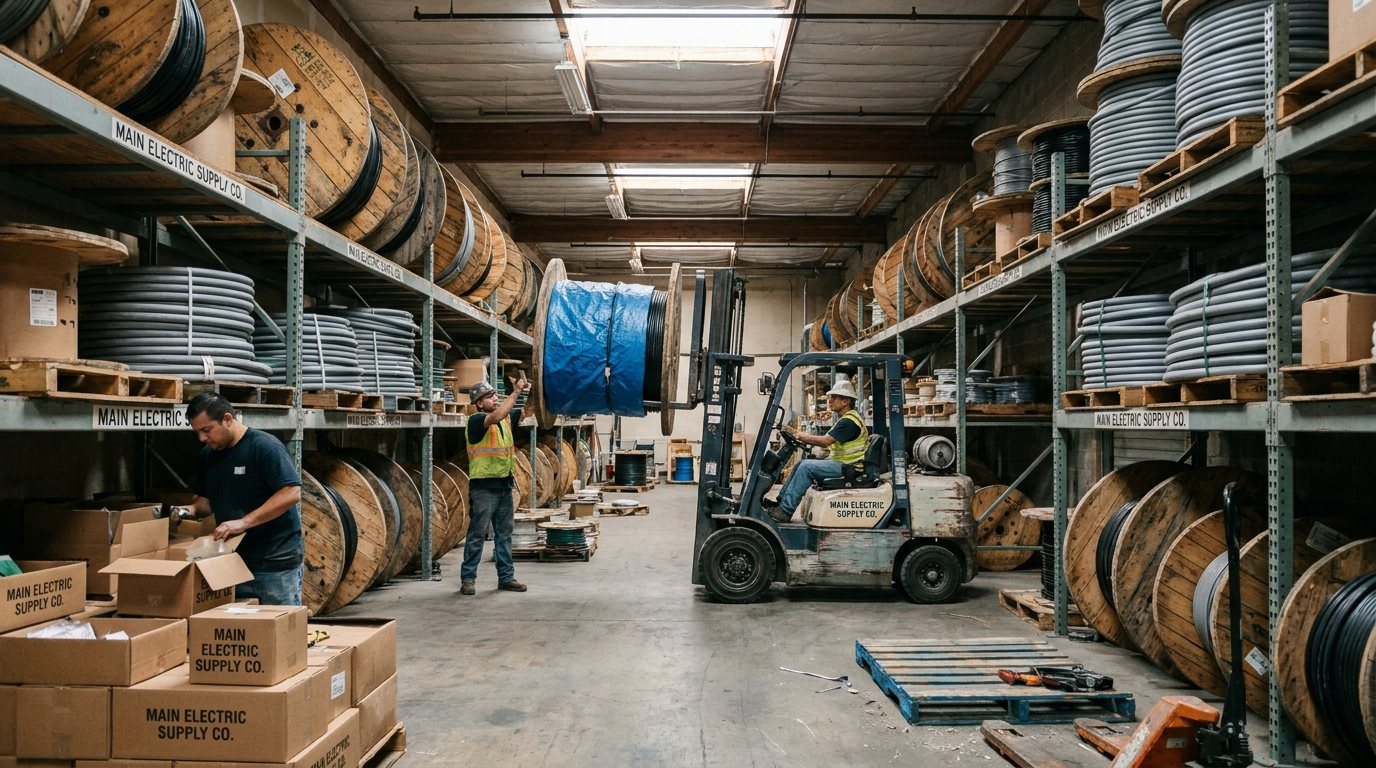
Main Electric Supply hit #24 on the 2026 MDM electrical list by staying private and running three branch brands under one roof. Here is the model.
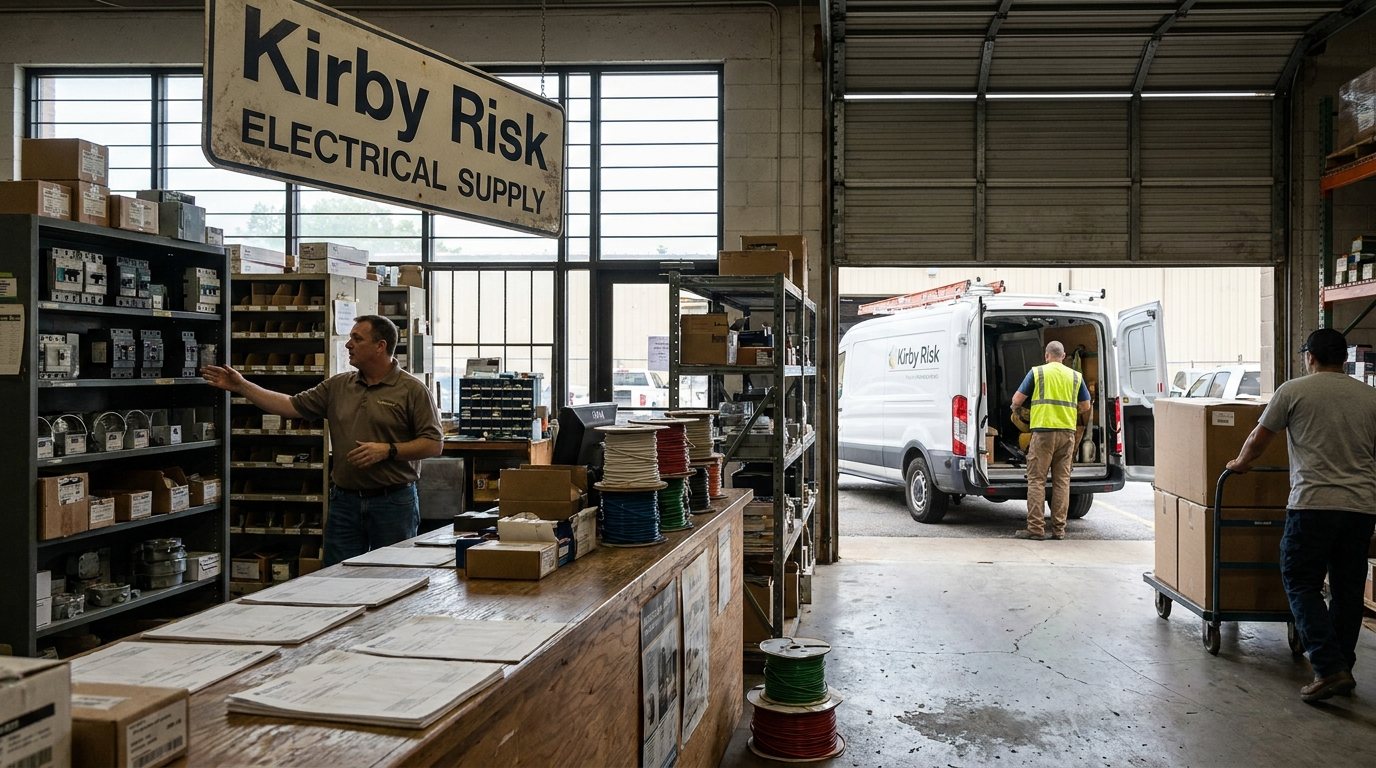
Kirby Risk ranks #26 on MDM's 2026 electrical distributor list. A century in, the company is still Risk-family led, and that tension is the whole story here.

Ten spellings of "short sleeve" split one sales history into ten fragments. Here's why free-text attributes break forecasting and how pick lists fix it.

Dealers Electrical Supply, #25 on the 2026 MDM Top Distributors electrical list, has run 80 years as a private, employee-owned firm that never discloses revenue.

How enriched Akeneo product data flows through channels, exports, and connectors to the storefront — and the six places that handoff quietly breaks.

When an AI agent does the shopping, it never sees your homepage, your hero image, or your brand video. It reads your feed. That's the whole storefront now.
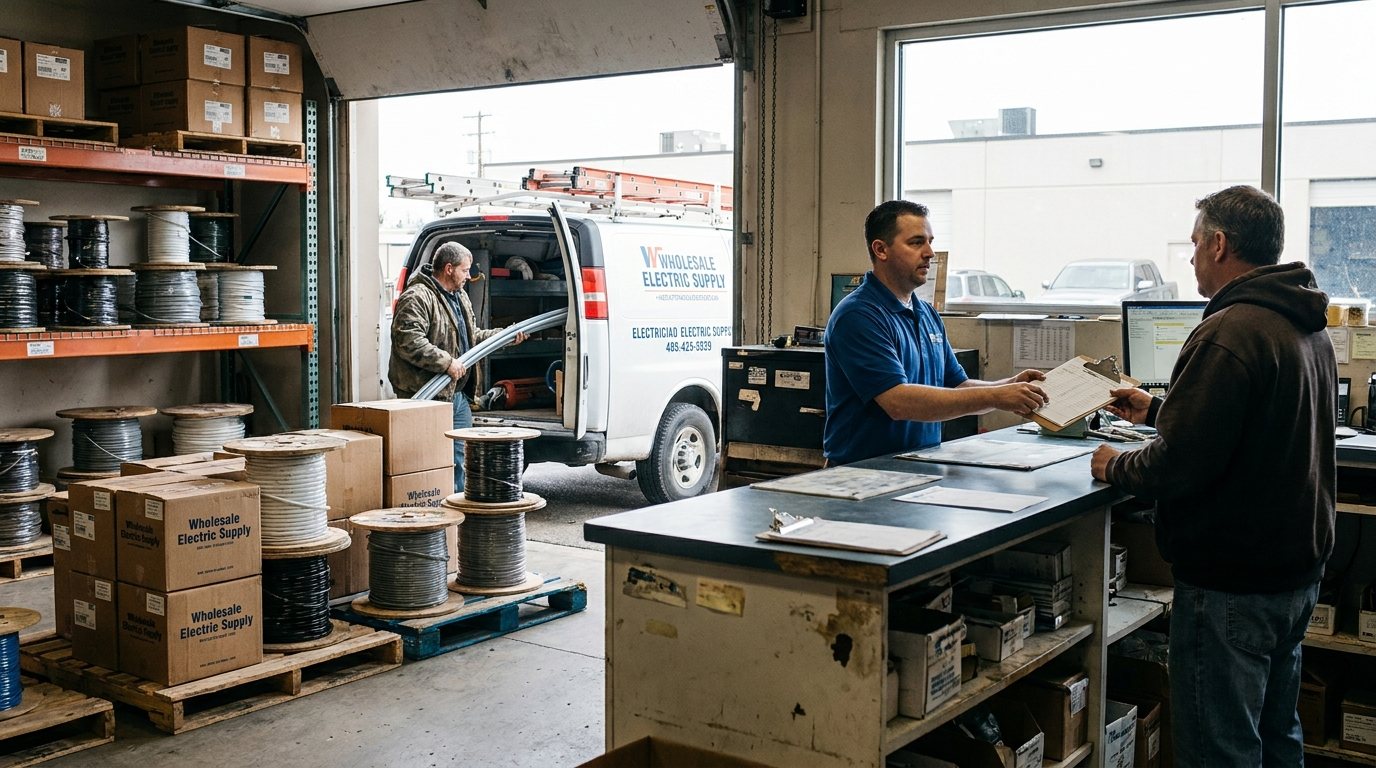
Wholesale Electric Supply ranks #20 on MDM's 2026 electrical list. Here is how a family-owned Texarkana distributor competes without selling out.

Van Meter Inc. ranks #18 on MDM's 2026 electrical list. Here is how a 97-year-old employee-owned distributor avoided the industry's consolidation wave.
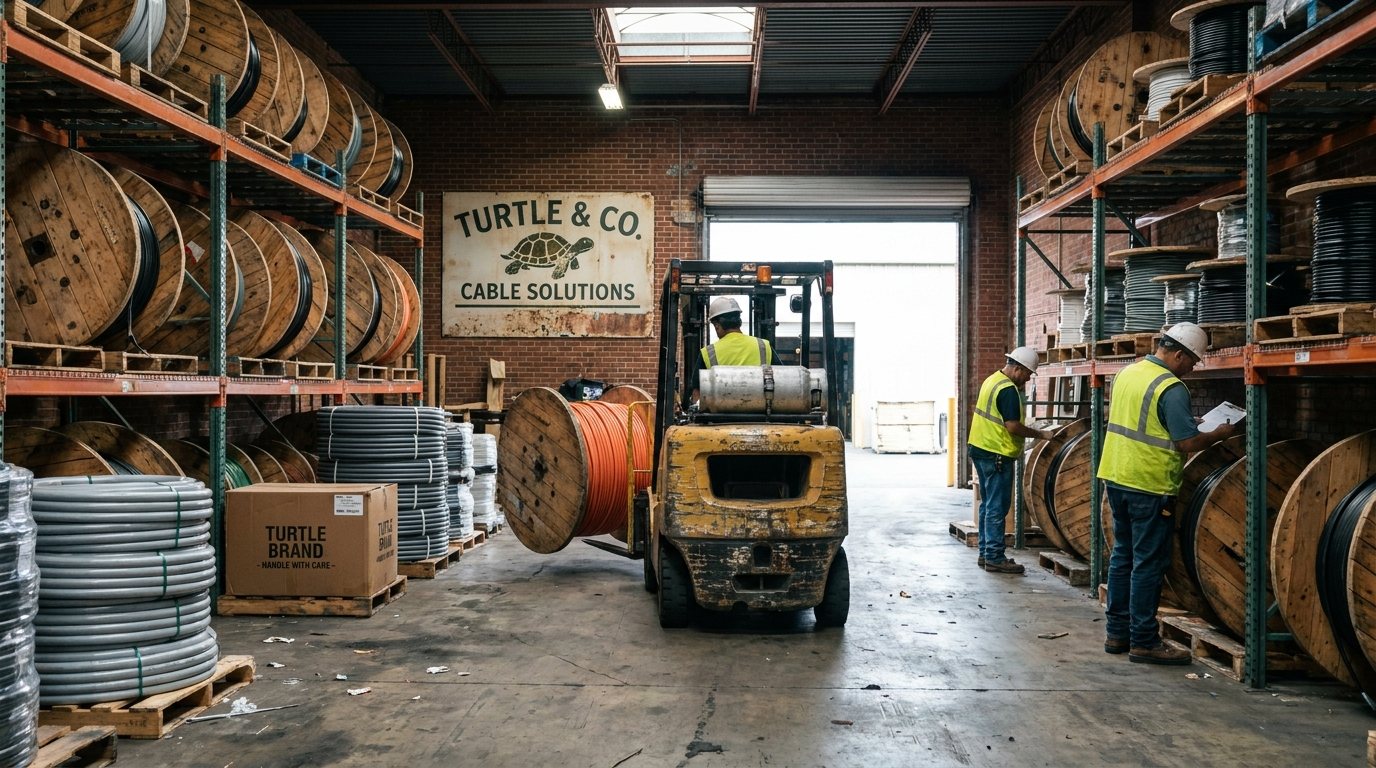
Turtle ranks #19 in electrical on MDM's 2026 Top Distributors list. Its real story is a century of family ownership run mostly by three generations of women.
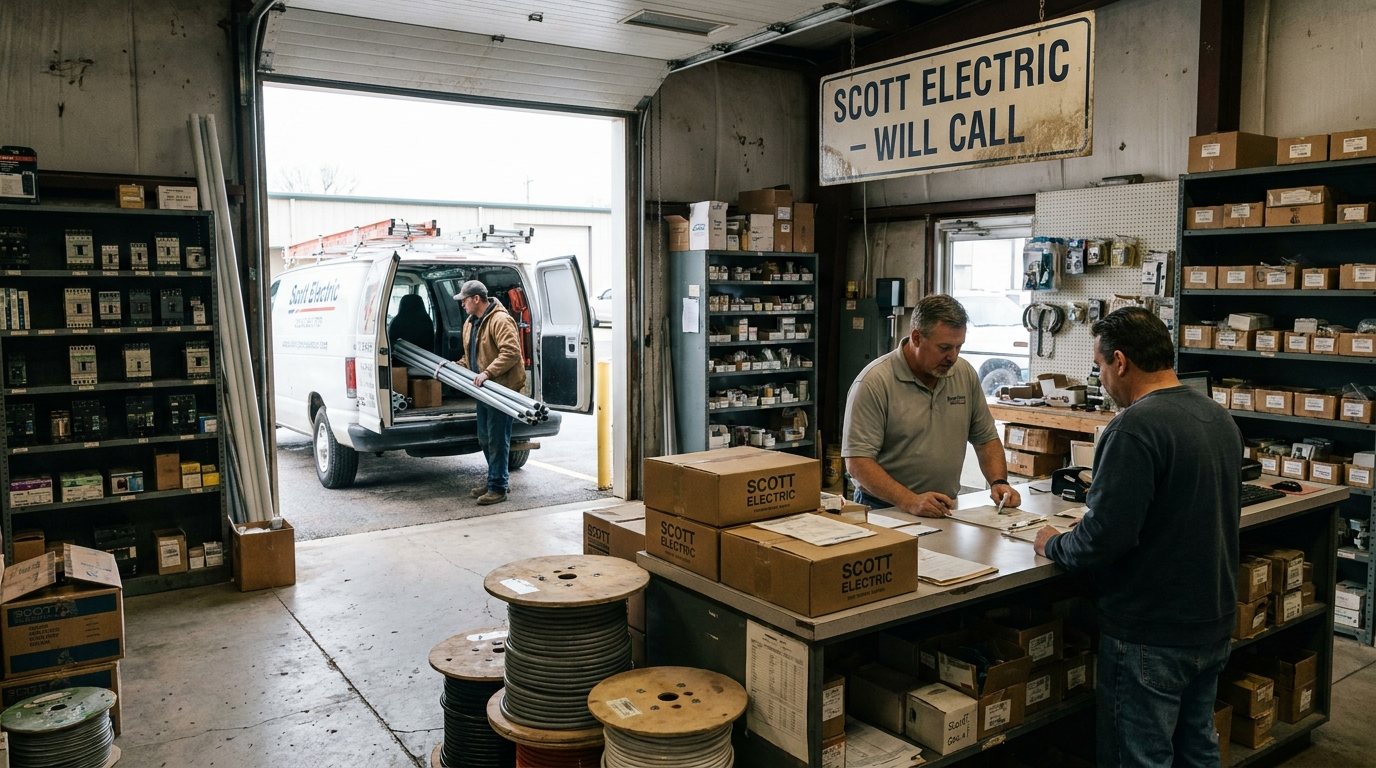
Scott Electric ranks 36th among US electrical distributors on the 2026 MDM Top Distributors list. Here is the model behind an 80-year independent run.
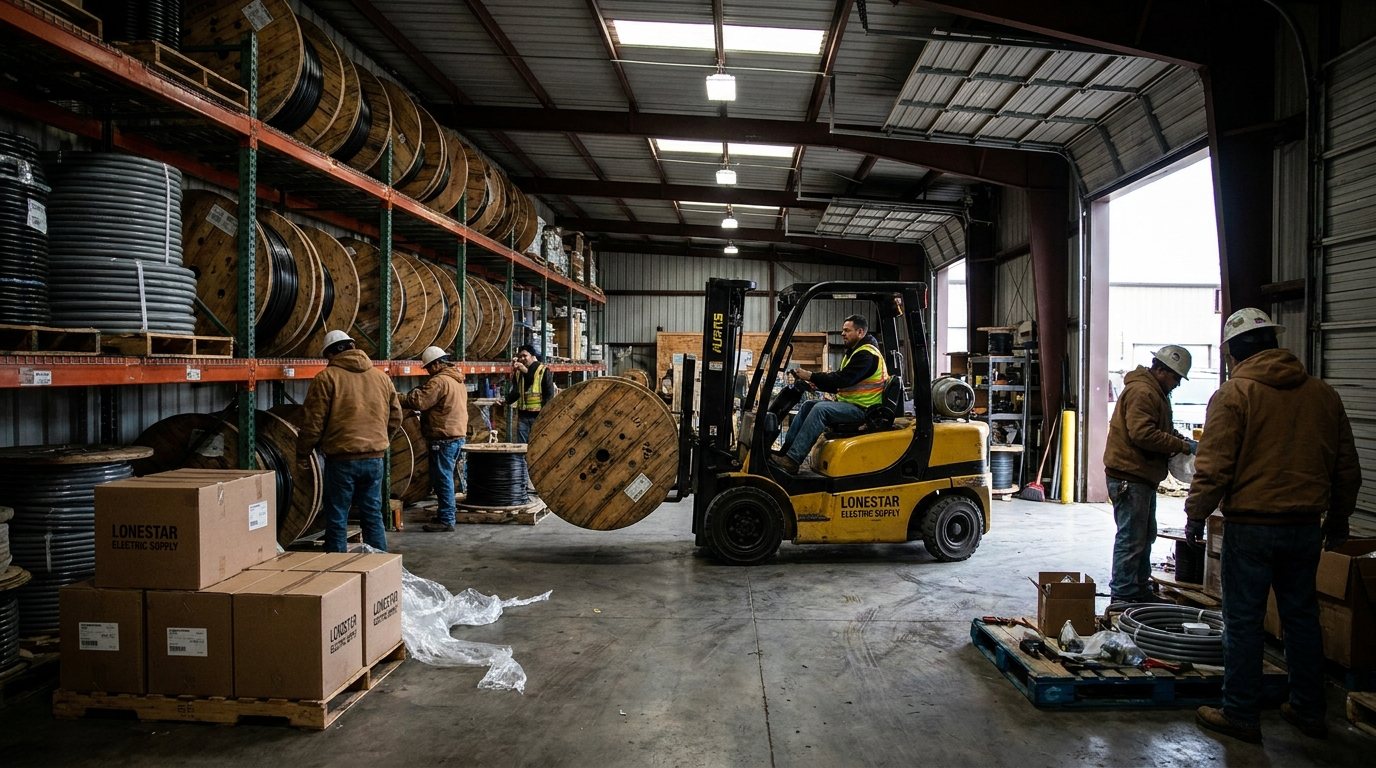
Lonestar Electric Supply cracked MDM's 2026 top 15 electrical distributors just 11 years after founding. Here is the operating model behind the speed.

Kendall Electric ranks #14 on MDM's 2026 electrical list by growing through acquiring fellow employee-owned distributors instead of selling to private equity.
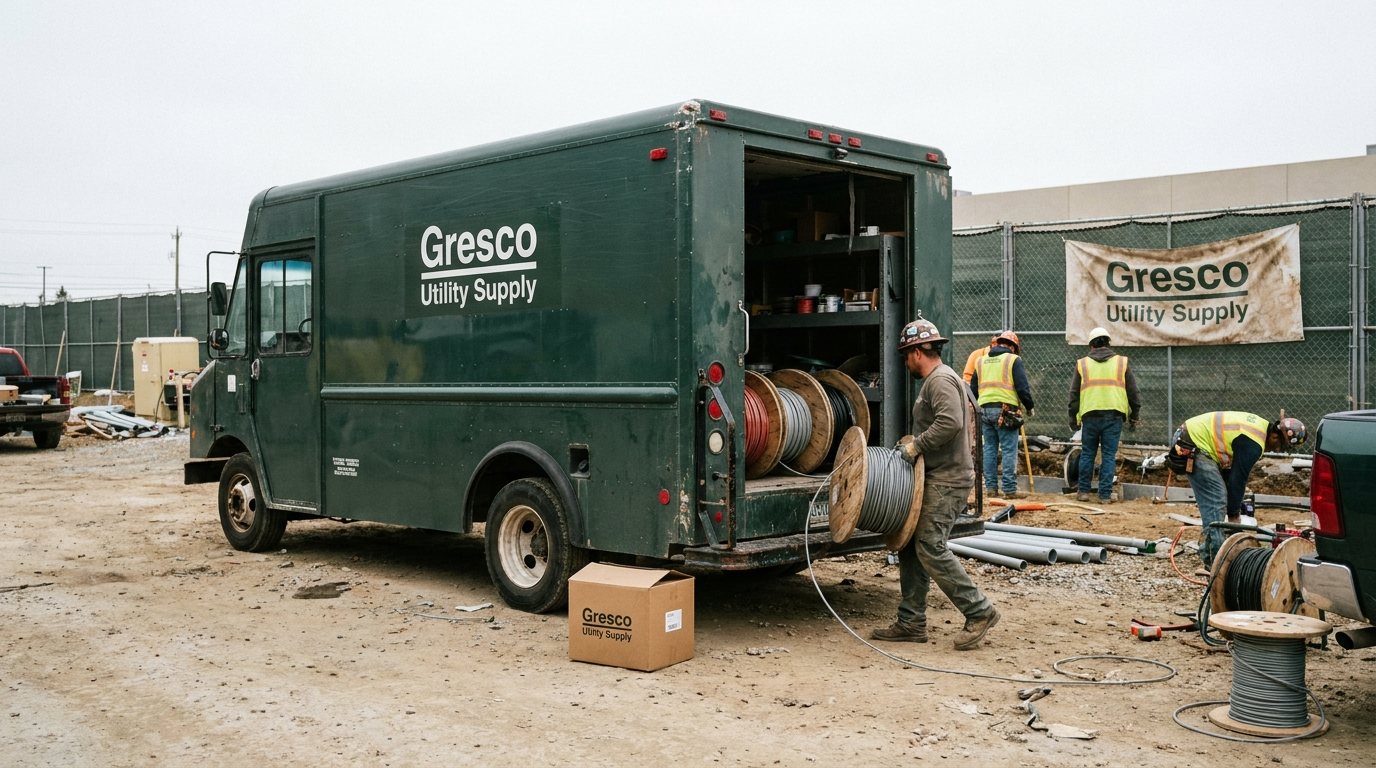
Gresco Utility Supply ranks #17 on MDM's 2026 electrical list. Its real edge is a second business selling drones and robots to the same co-ops.
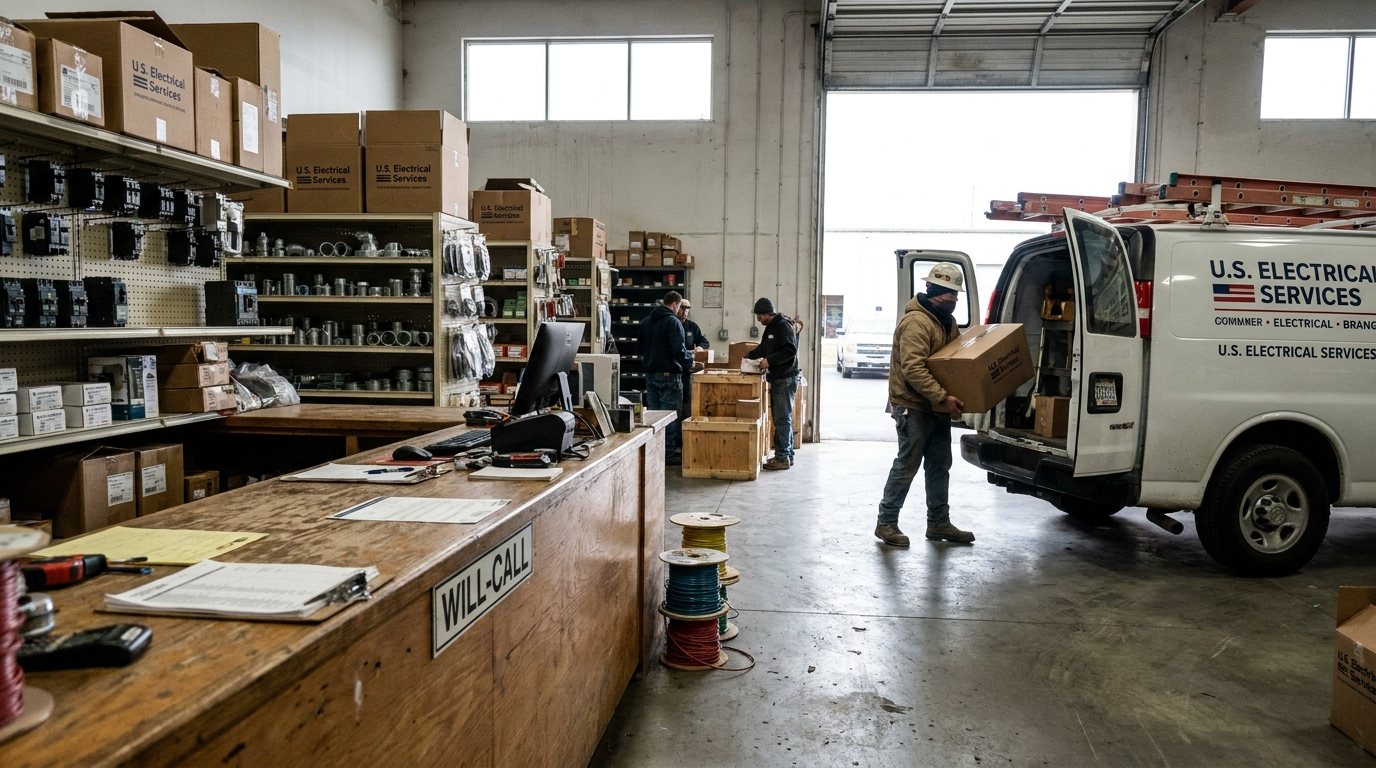
U.S. Electrical Services ranks #10 among electrical distributors on the 2026 MDM Top Distributors list. Here is how a near-failed rollup became a durable one.

How a 115-year-old Detroit electrical distributor quietly assembled four sister companies into an employee-owned federation, not a private-equity roll-up.
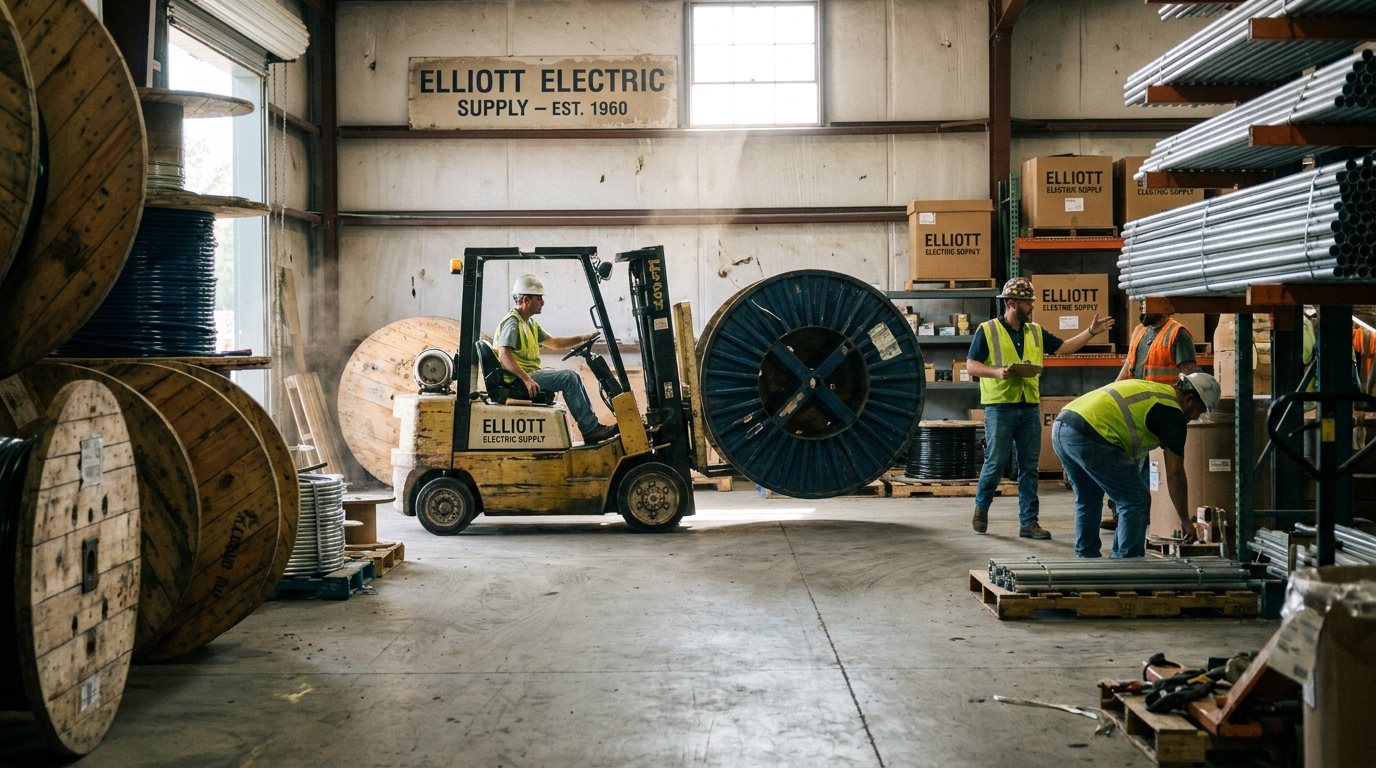
Elliott Electric Supply ranks No. 11 on MDM's 2026 electrical distributors list. Its edge: growing branch by branch while rivals grow by acquisition.
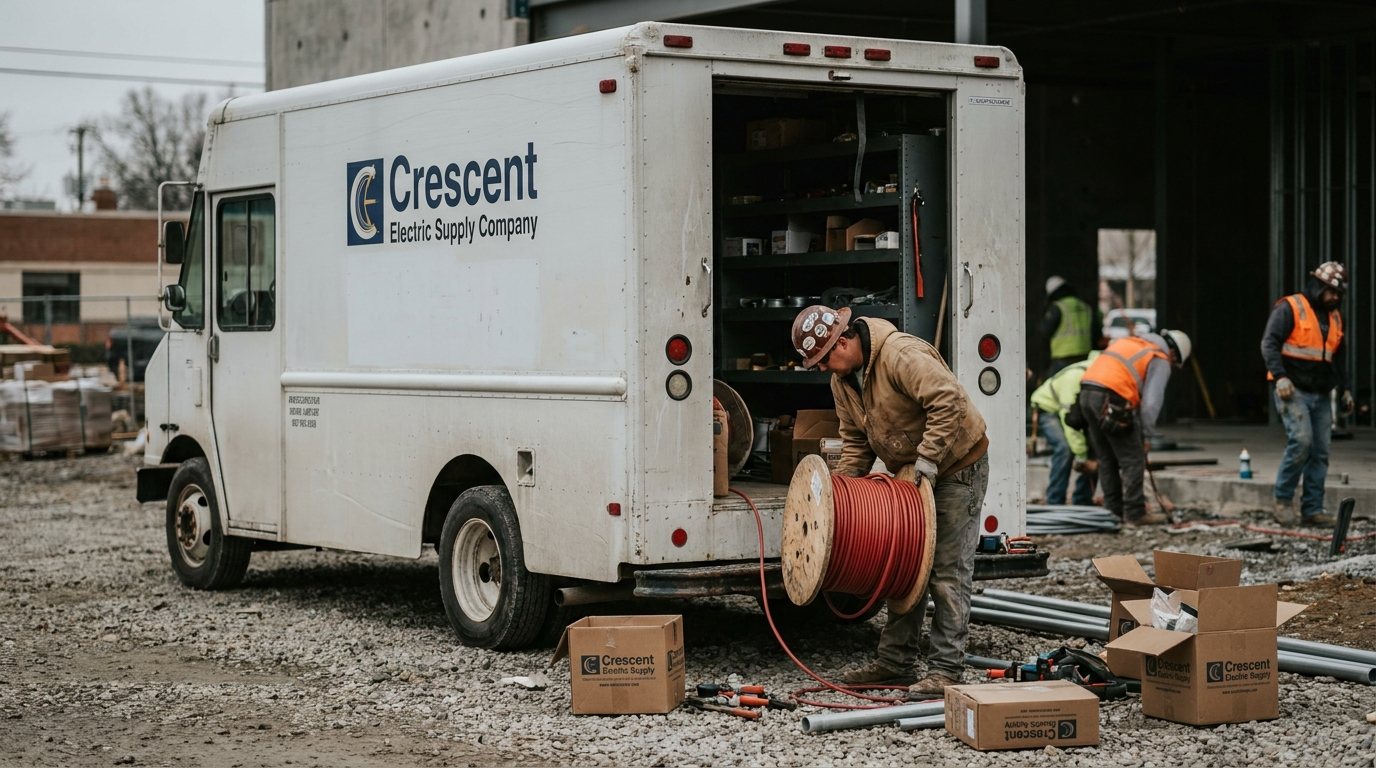
Crescent Electric ranks No. 13 on MDM's 2026 electrical distributor list. Its real strategy: buy strong regional players and keep their names.

AI shopping engines don't reject your products loudly. They filter quietly, on data they can't read. Here are the 5 gaps that do it most — and how to close them.

How enriched product data travels from PIM or metafield through the template layer to a rendered PDP and its JSON-LD, and where the chain breaks.
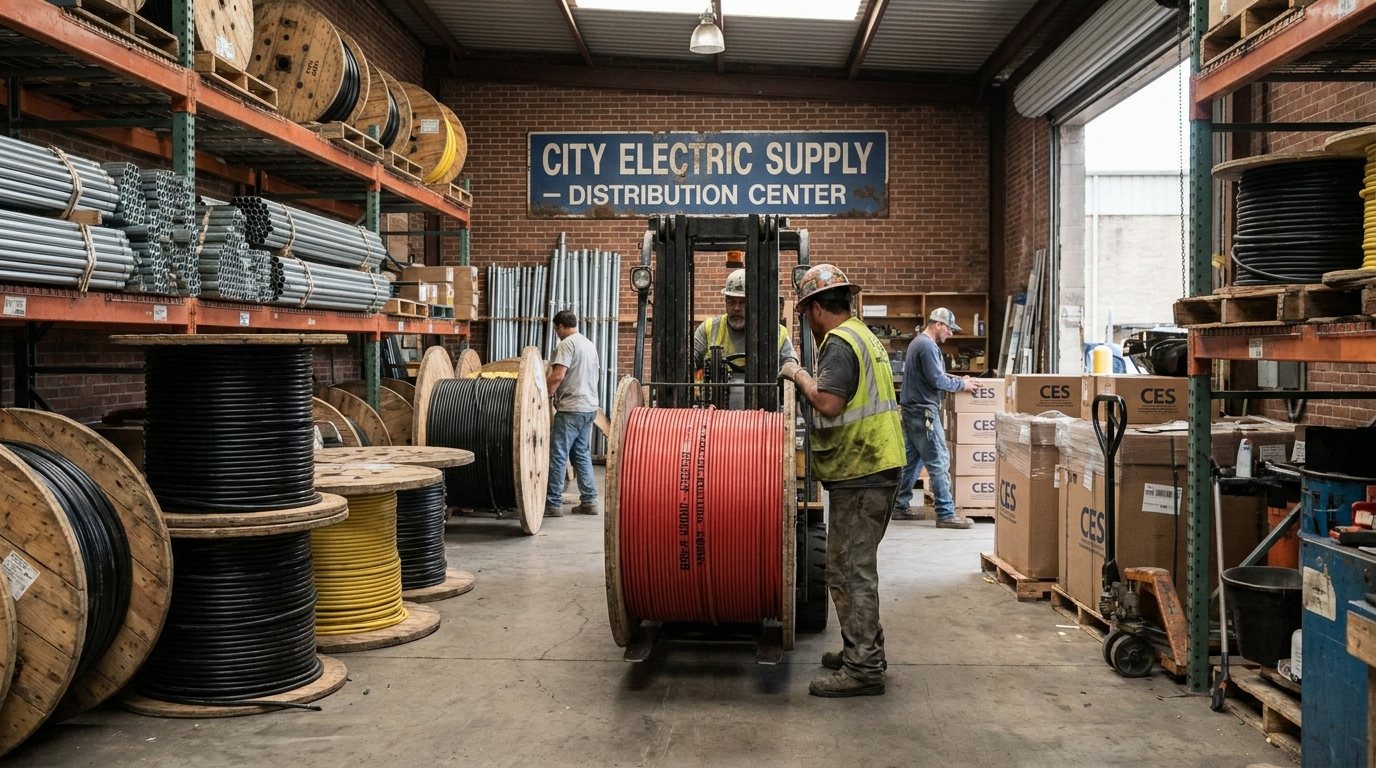
City Electric Supply ranks #8 among U.S. electrical distributors on MDM's 2026 list, built almost entirely through organic branch openings, not acquisitions.
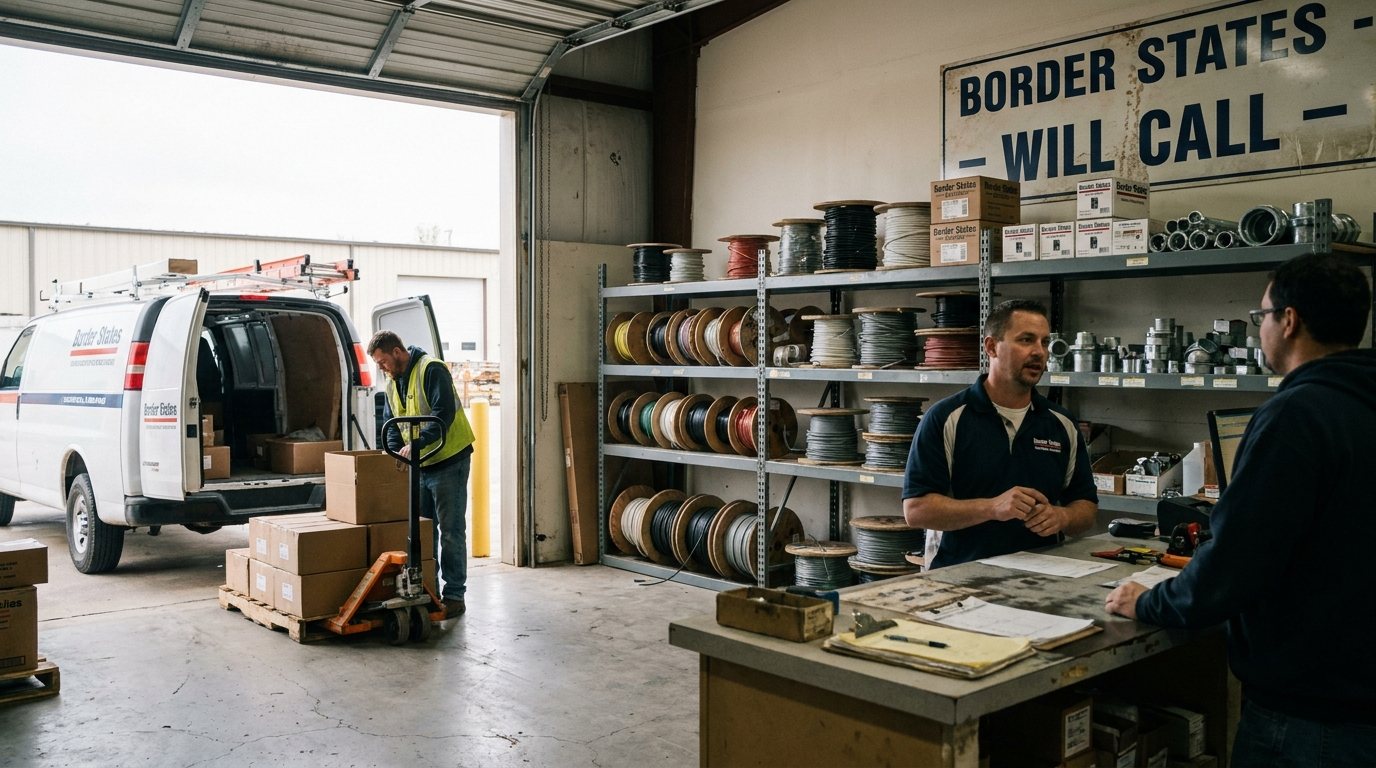
Border States ranks #6 on MDM's 2026 electrical list. Its real edge: full employee ownership and the confidence to just quit its buying group.
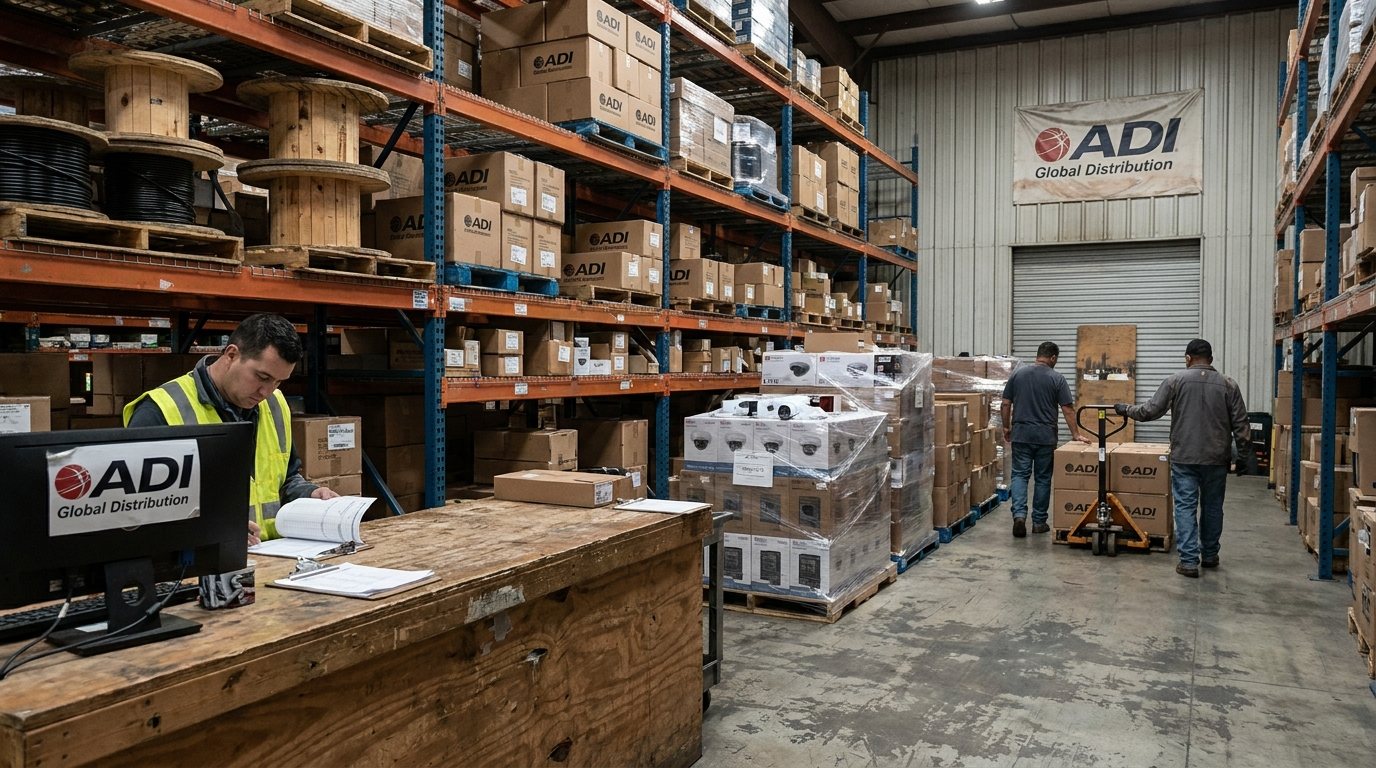
ADI Global Distribution ranks #7 on MDM's 2026 Top Distributors list. After 97 years as a subsidiary, it starts trading independently in August 2026.

How enriched product data in Syndigo moves through recipients, requirement sets, and publish/subscribe status to reach the live retailer product page.
Sonepar ranks #2 in Modern Distribution Management's 2026 electrical list. Its edge is a family-owned roll-up that refuses to rebrand what it buys.
Rexel ranks No. 4 on MDM's 2026 electrical distributor list. The real story is a 60-year roll-up strategy nearly turned back on itself by a rival acquirer.
Martin Supply has run family-owned since 1934. On the 2026 MDM Top Distributors lists, the fourth generation is the one doing the acquiring, not the selling.

CED ranks #5 among U.S. electrical distributors per MDM, yet runs 700-plus branches that still trade under the names of the companies it bought.

Buyers increasingly start in ChatGPT, Perplexity, and AI Overviews — not a search box. Here's what it takes for your products to be the answer.

How enriched product attributes move from Adobe Commerce's EAV model to the PDP: layout XML, block/template binding, schema markup, and validation.
MFCP ranks #6 in MDM's 2026 Hose list. Its edge: becoming Parker Hannifin's largest US distributor by depth on one brand, not breadth across many.

Evolution Motion Solutions ranks #47 on MDM's Industrial Supply list and #12 in Fluid Power. It retired two century-old distributor names to build one platform.
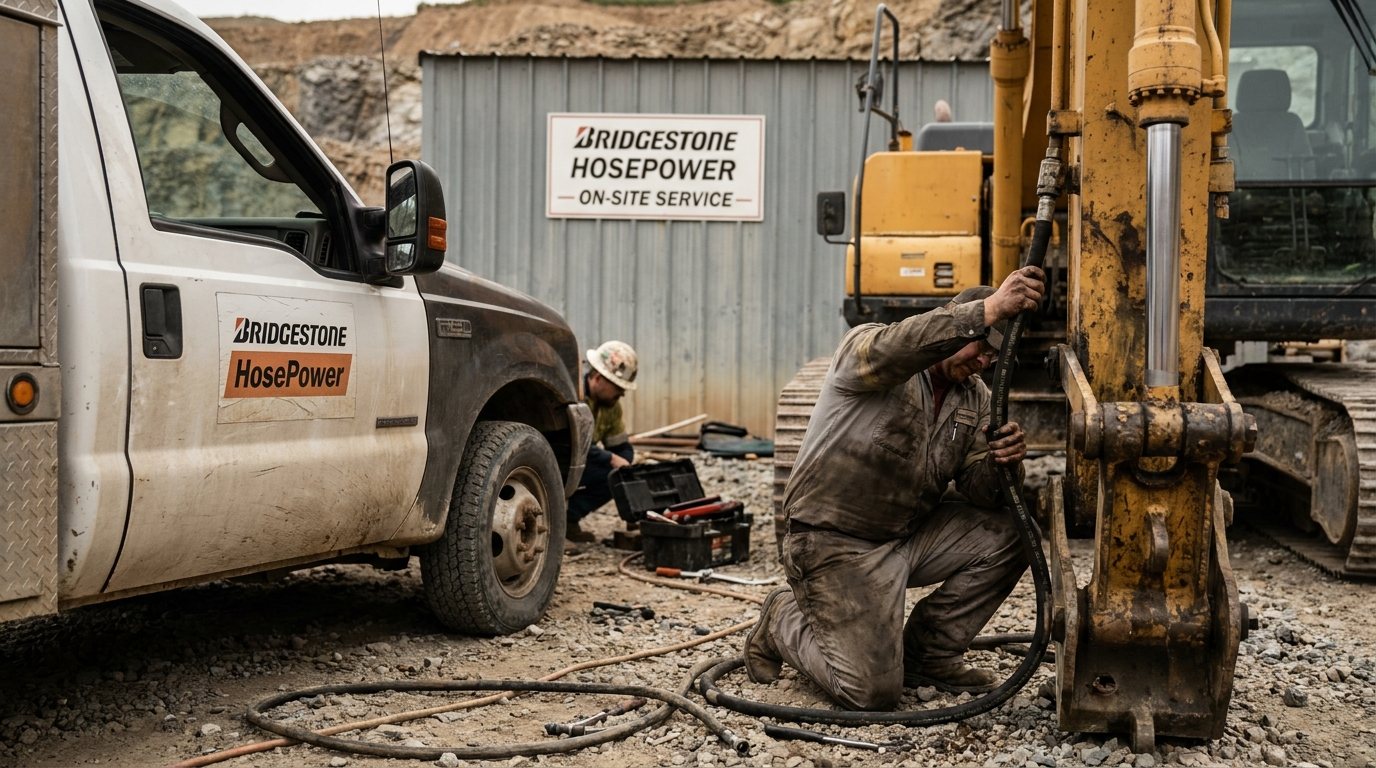
Bridgestone HosePower ranked #4 in Hose on the 2026 MDM Top Distributors list. Here is how a tire manufacturer built a hose-distribution powerhouse.
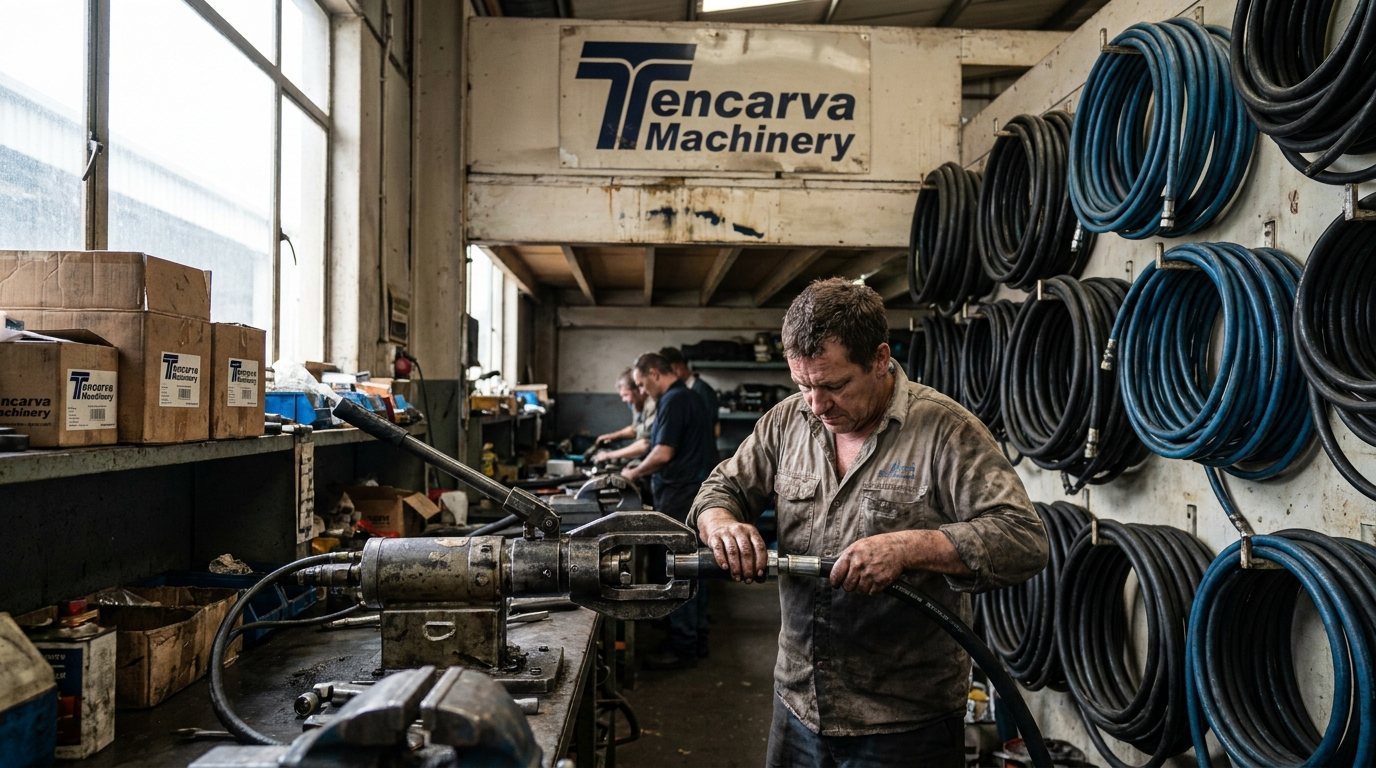
Tencarva Machinery ranks on the 2026 MDM Top Distributors list. Here is how a PE-backed pump distributor keeps growing without losing its culture.
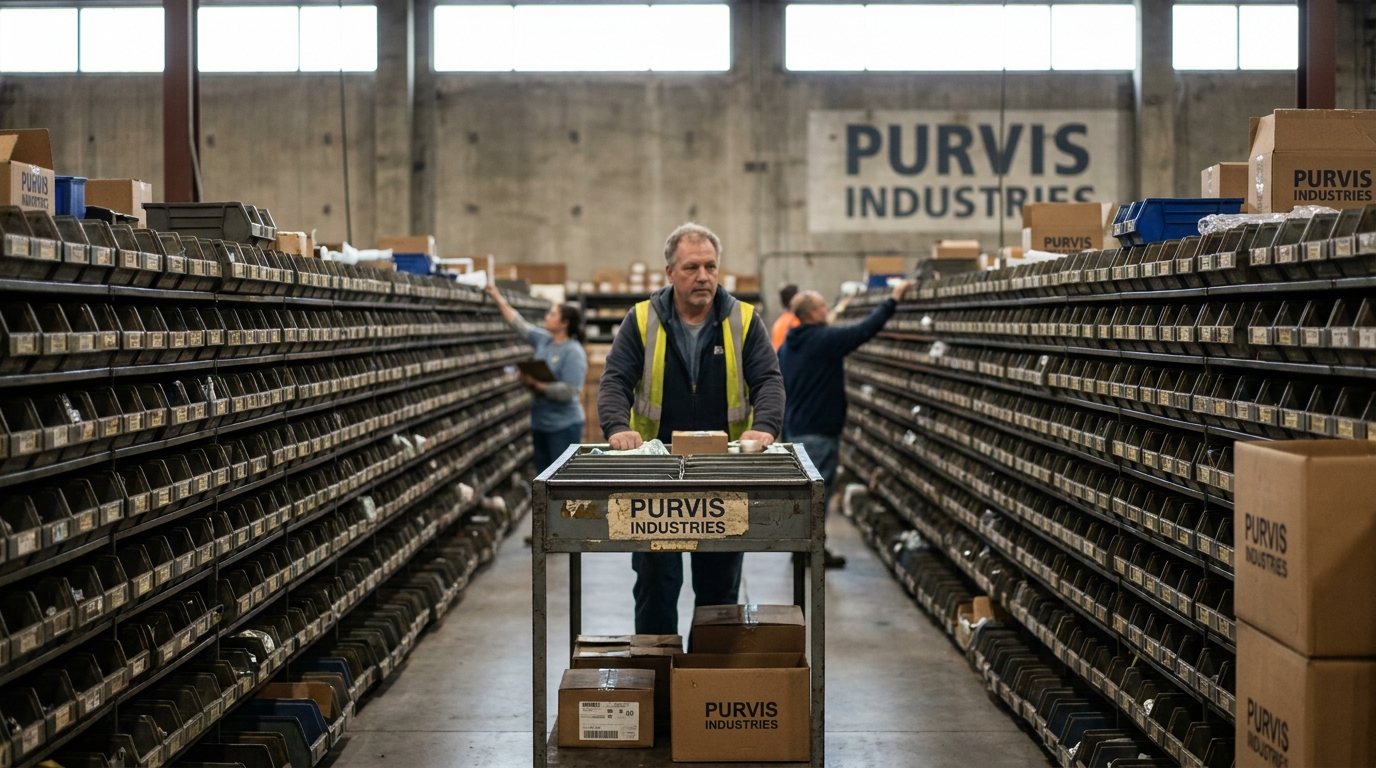
Purvis Industries lands two spots on the 2026 MDM Top Distributors list by running as twelve specialized units instead of one general industrial brand.

A stage-by-stage map of where bad product data leaks buyers from impression to purchase to return, plus the exact metric that exposes each leak.
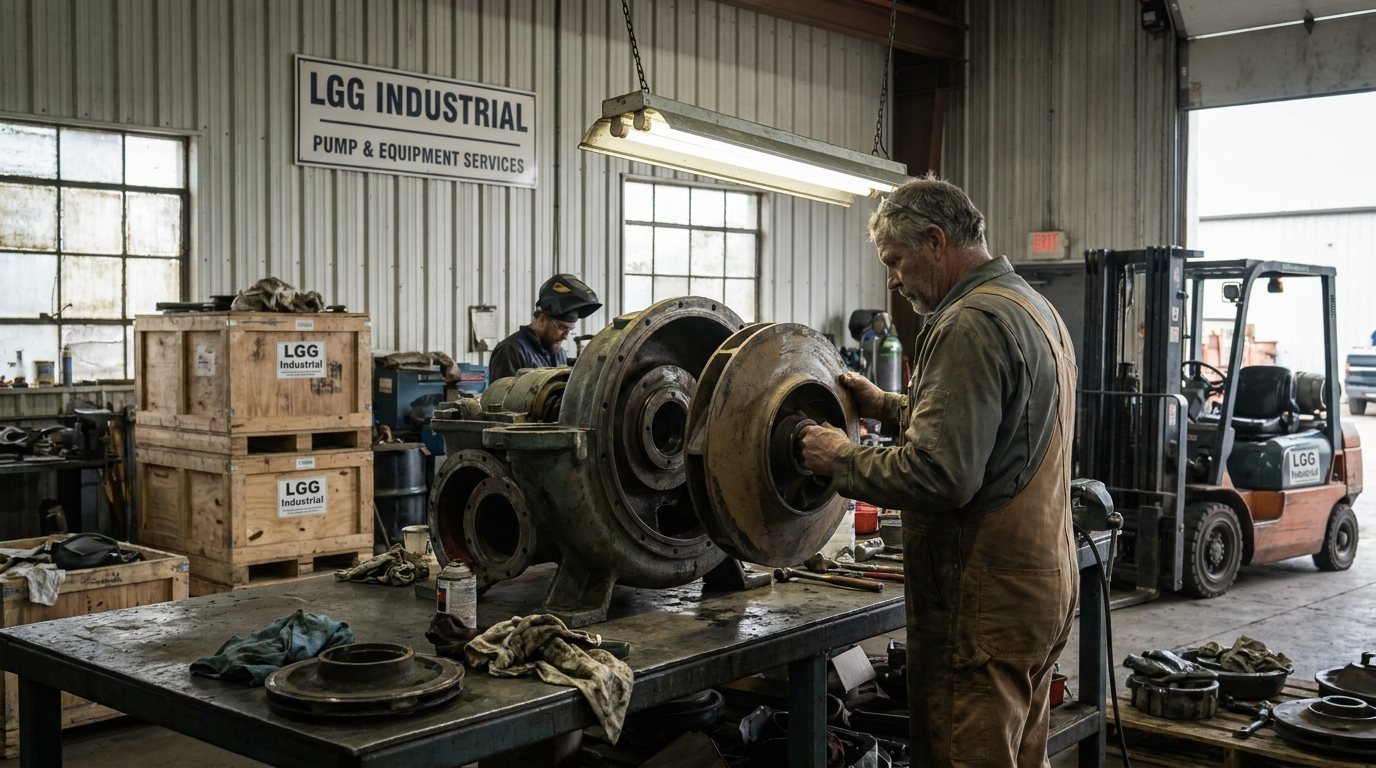
LGG Industrial ranks on the 2026 MDM Top Distributors list. Its real story is a 90-year rubber lineage that got absorbed, then bought its name back.
Bisco Industries ranks on MDM's 2026 Top Distributors list while founder Glen Ceiley still holds roughly 96% voting control, rare in electronics distribution.

How BigCommerce product pages render server-side vs client-side, why that matters for Google and AI crawlers, and how to verify with curl and view-source.

How distributors add schema.org Product JSON-LD to Unilog CX1 pages, which fields matter, and how to keep markup synced with live price and stock.

How to turn a product-data quality score into a revenue forecast using cohort analysis by score band, conversion lift, and return-rate deltas.

How Motion & Control Enterprises turned a 1951 lubrication franchise into a 62-location fluid power distributor by acquiring repair shops, not just warehouses.
Incora fused two century-old fastener distributors into a single giant, then a leveraged buyout nearly broke it. Here's how it survived Chapter 11.
Endries International ranks #10 in fasteners on MDM's 2026 Top Distributors list. How a family-run Wisconsin bolt shop became its own roll-up engine.

How auto parts distributors and retailers can build a finance-grade ROI case for product data: PDP conversion, returns, traffic, and AOV.

Five near-duplicate columns for one concept split your forecasting signal five ways. How to audit, merge, retire, and govern a splintered schema.

How to turn Syndigo-managed catalog content into agent-readable storefront pages: identifier mapping, Product JSON-LD, and validation steps for manufacturers.
Singer Industrial ranks No. 3 in Hose on MDM's 2026 list. Its real edge is Coordinated Autonomy: buying old rubber and hose shops without renaming a single truck.

R.S. Hughes lands on three of MDM's 2026 Top Distributors lists yet grows through its employee-ownership structure and a custom-conversion arm, not roll-ups.

A one-day audit for fill rate, cardinality, consistency, and staleness before you trust any attribute-driven forecast or assortment report.

You compete to sell the same parts as everyone else. The catalog isn't the bottleneck — the content is. Here's how to think about it.
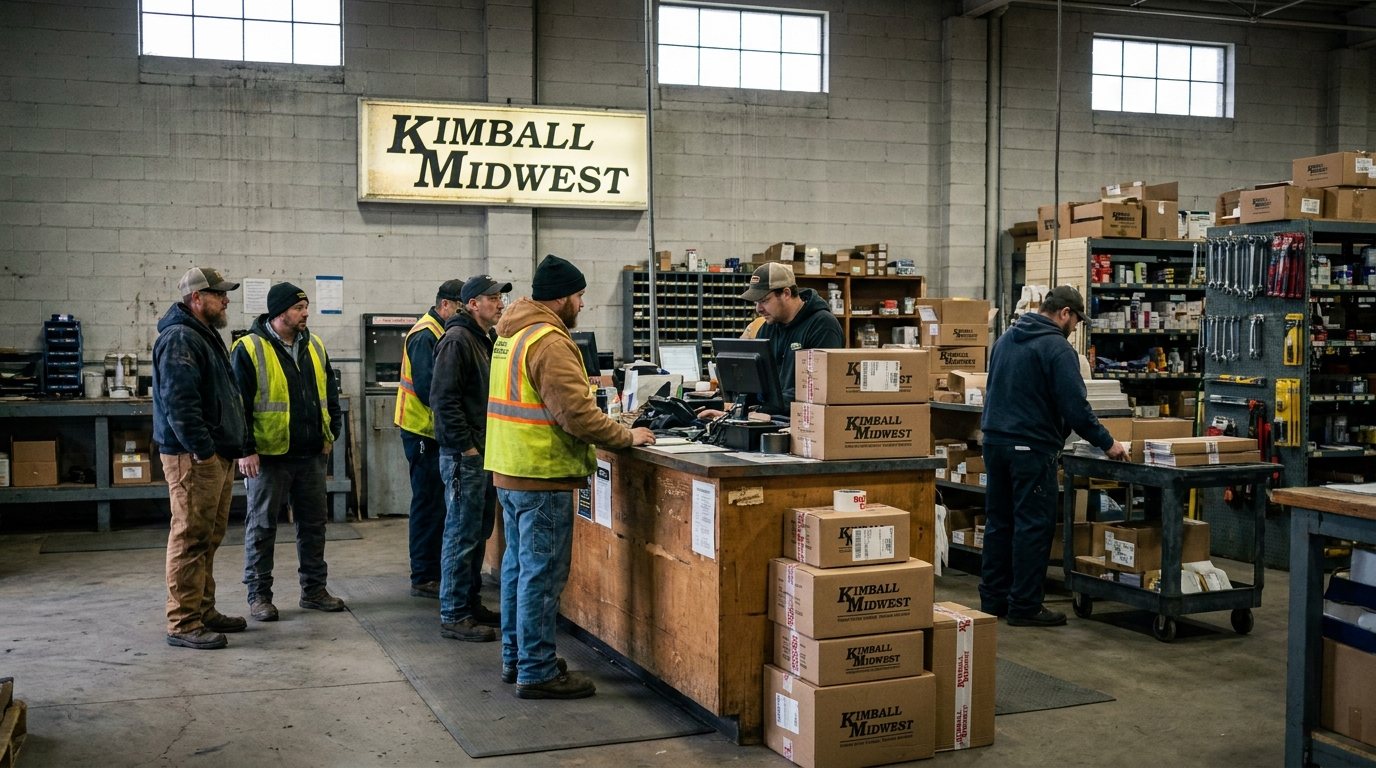
Kimball Midwest ranks across four 2026 MDM lists without a single retail branch. Here is how a third-generation family business wins on trucks, not stores.
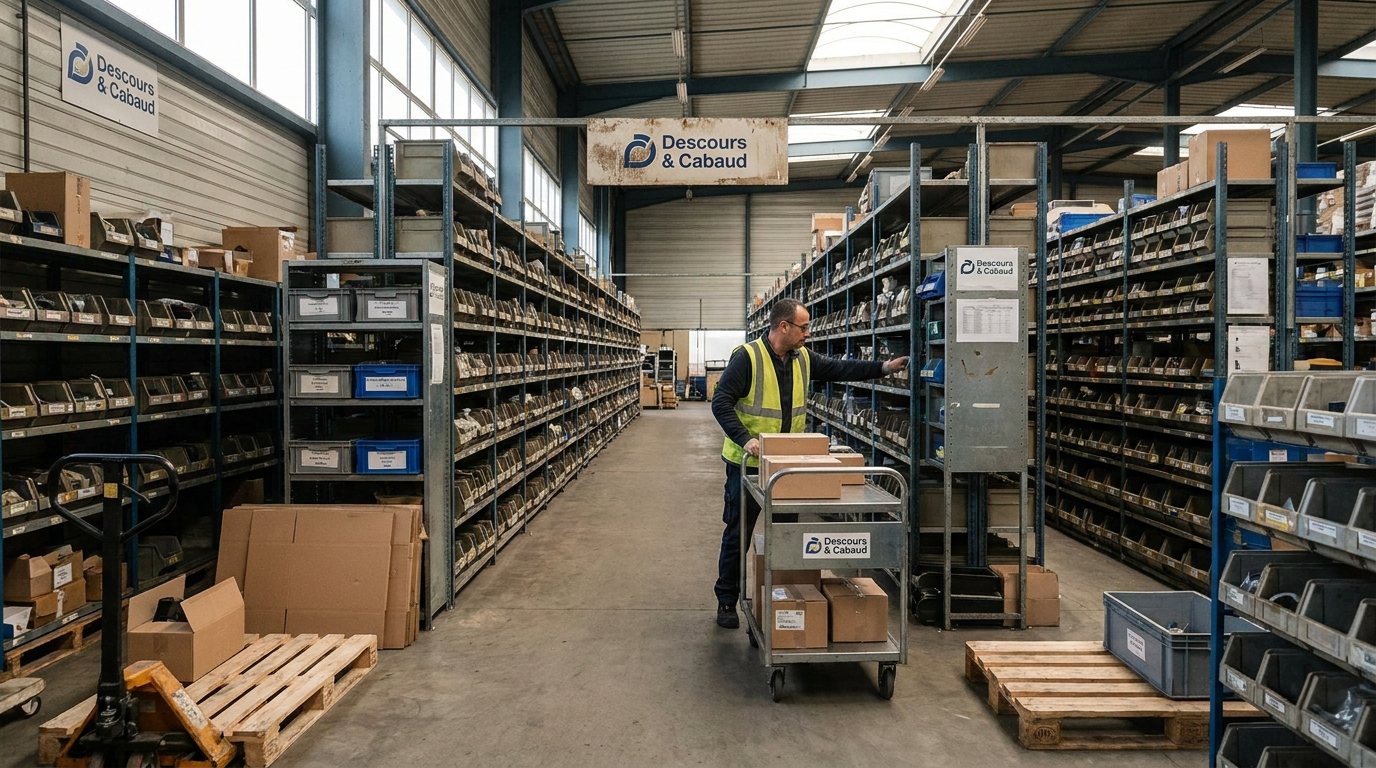
Descours & Cabaud lands twice on MDM's 2026 Top Distributors list. Its real edge is a 240-year-old French family owner that never renames what it buys.

Five ways to prove a product-data enrichment project worked, from cohort analysis to holdout tests, and how to guard each one against a false positive.

How to track referrals from ChatGPT, Perplexity, and Google AI Overviews using GA4, Search Console, and server logs, plus the attribution gaps to stay honest about.

A practical Adobe Commerce PDP checklist covering rendering, structured data, canonicals, images, and crawl budget for buyers and AI agents.

Wajax lands three 2026 MDM Top Distributors placements. Its stranger story: two decades spent inside a Canadian grocery conglomerate's portfolio.
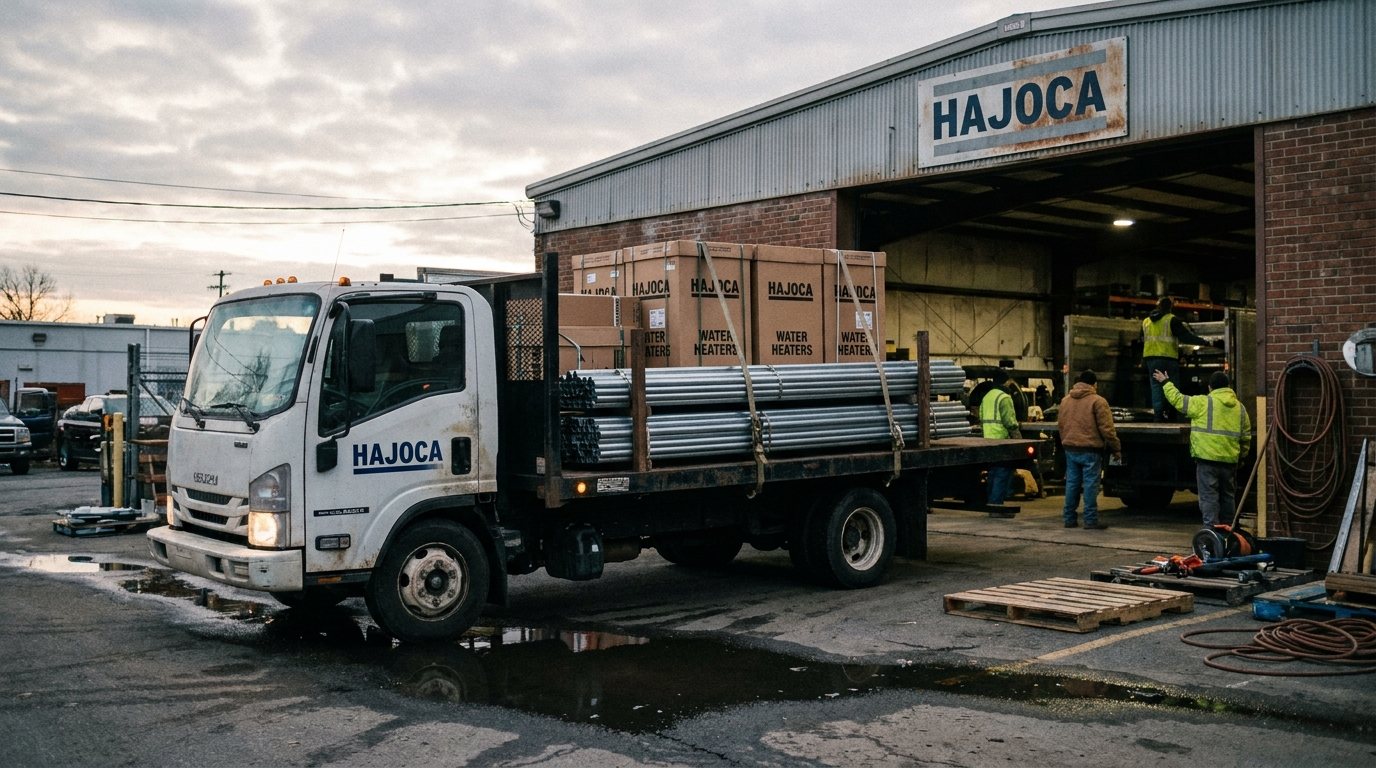
Hajoca ranks #4 in MDM's 2026 plumbing distributor list by treating branch managers as owners across 60+ trade names, then buying HVAC scale to match.
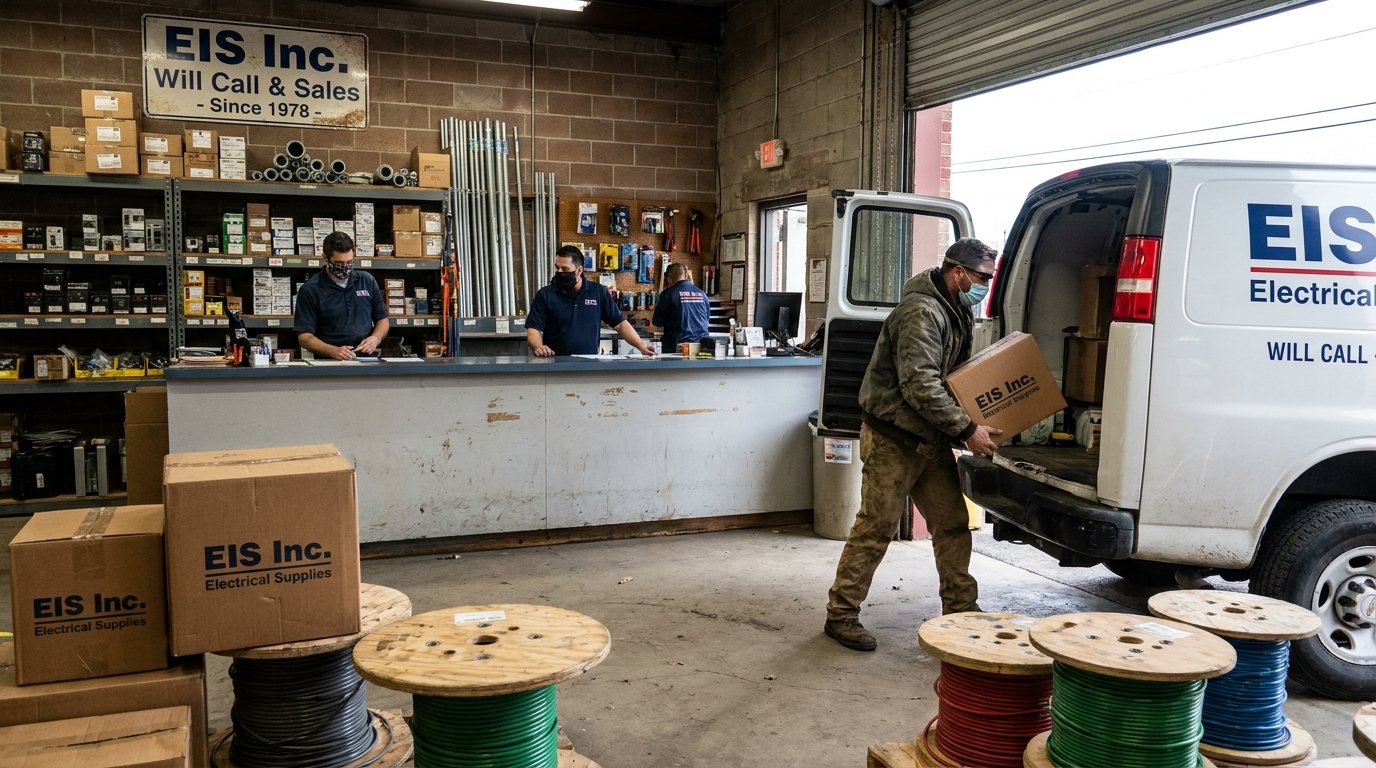
EIS Inc ranks No. 34 in Industrial Supplies on the 2026 MDM Top Distributors list and turns up on the Specialty Adhesives list too. Three owners since 2019 have run the same acquisition playbook.

The product-data KPIs auto parts distributors should baseline: fitment completeness, zero-results rate, return rate, and how to measure each honestly.

SSR, CSR, and pre-rendering explained for PDPs: what Google and AI crawlers actually see in the raw HTML, and how to test which one you're shipping.
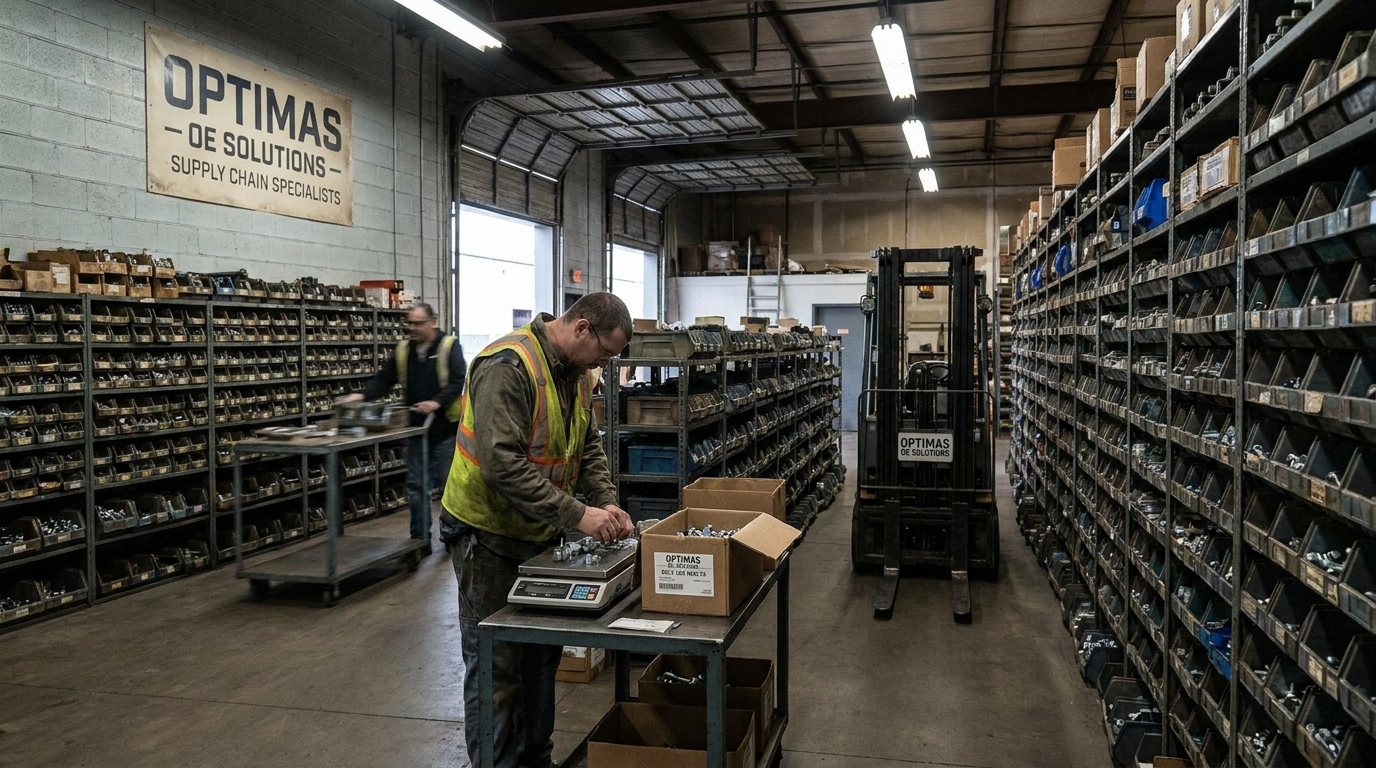
Optimas spent two decades rolling up fastener makers into a global network, then in 2026 split itself in two. Here is why that bet makes sense.
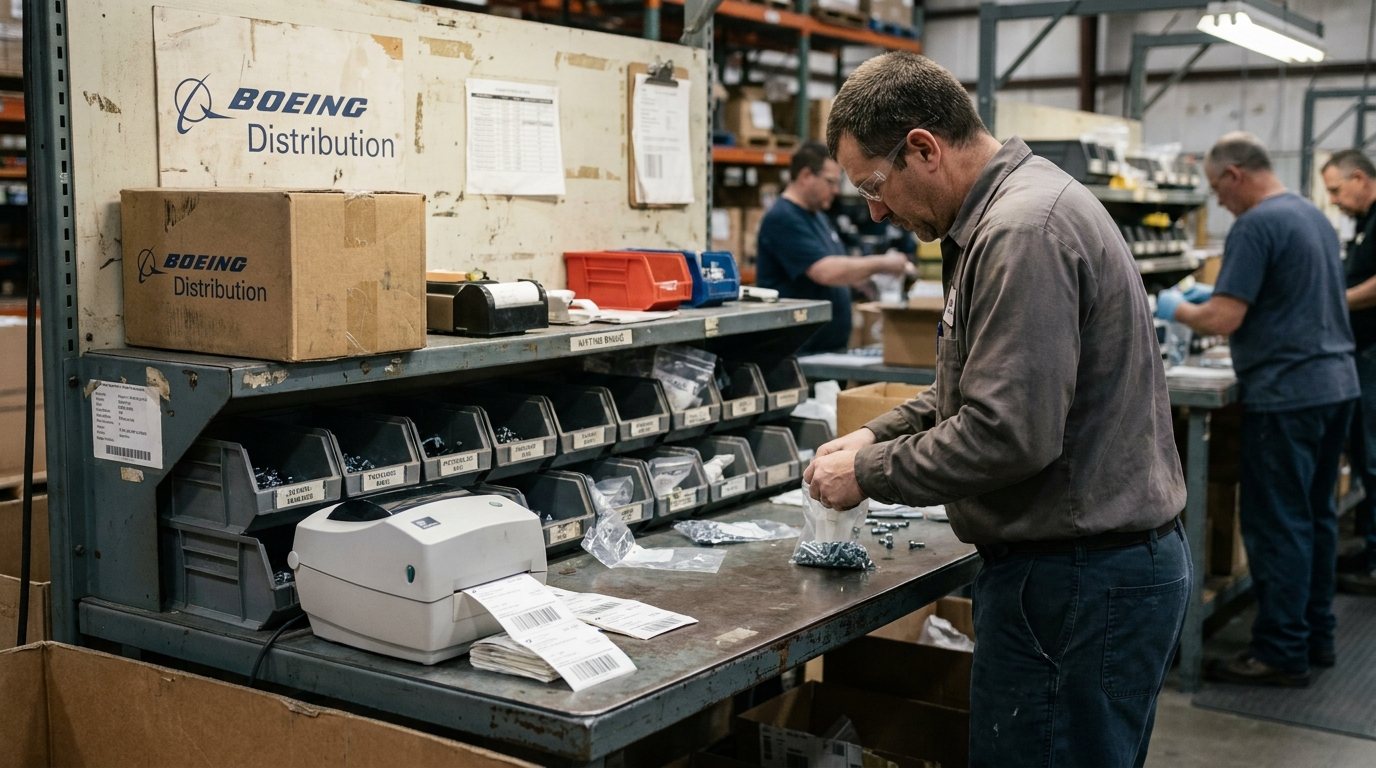
Boeing Distribution ranks #6 in fasteners on the 2026 MDM Top Distributors list. Here's how an airframe maker ended up owning its own parts channel.
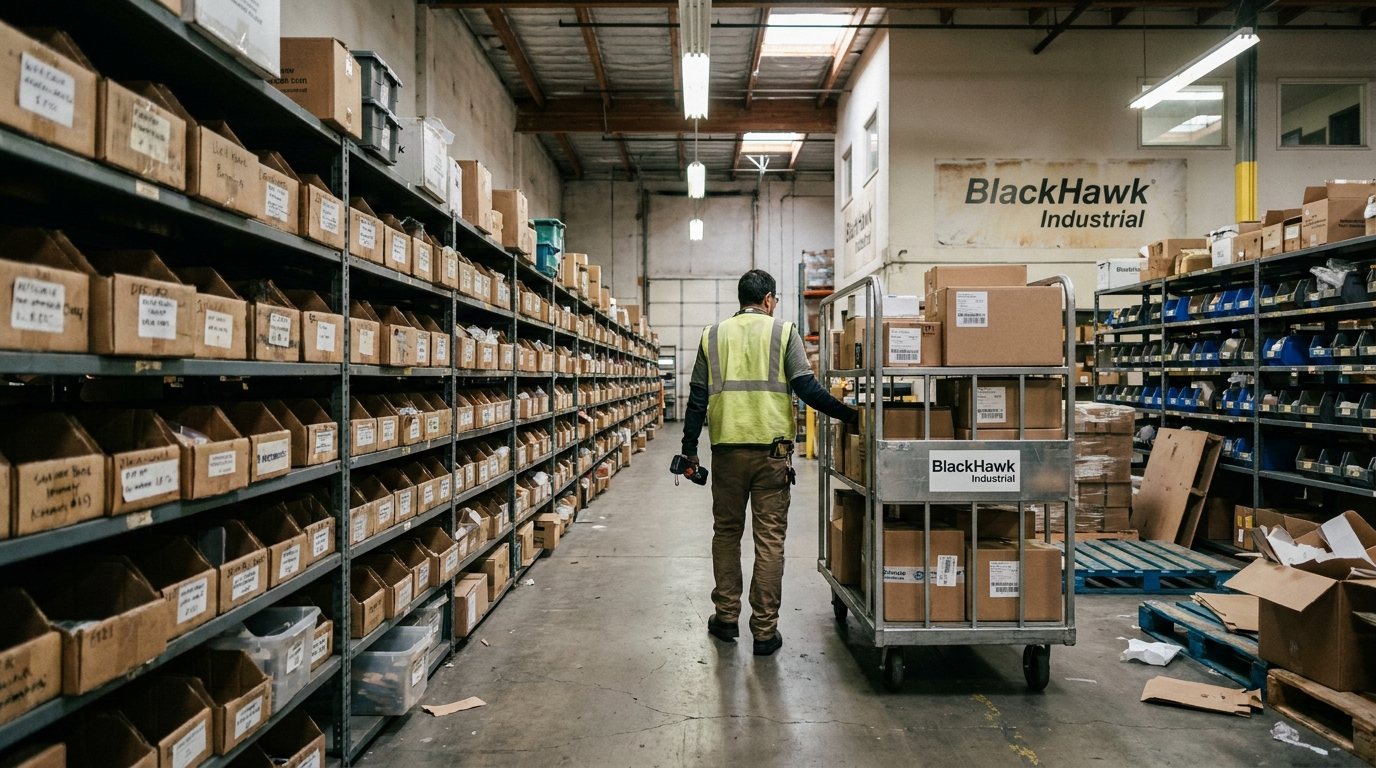
BlackHawk Industrial ranked No. 31 on MDM's Industrial Supplies list and No. 12 in MRO. Here is how a 2010 roll-up got there by buying, not building.
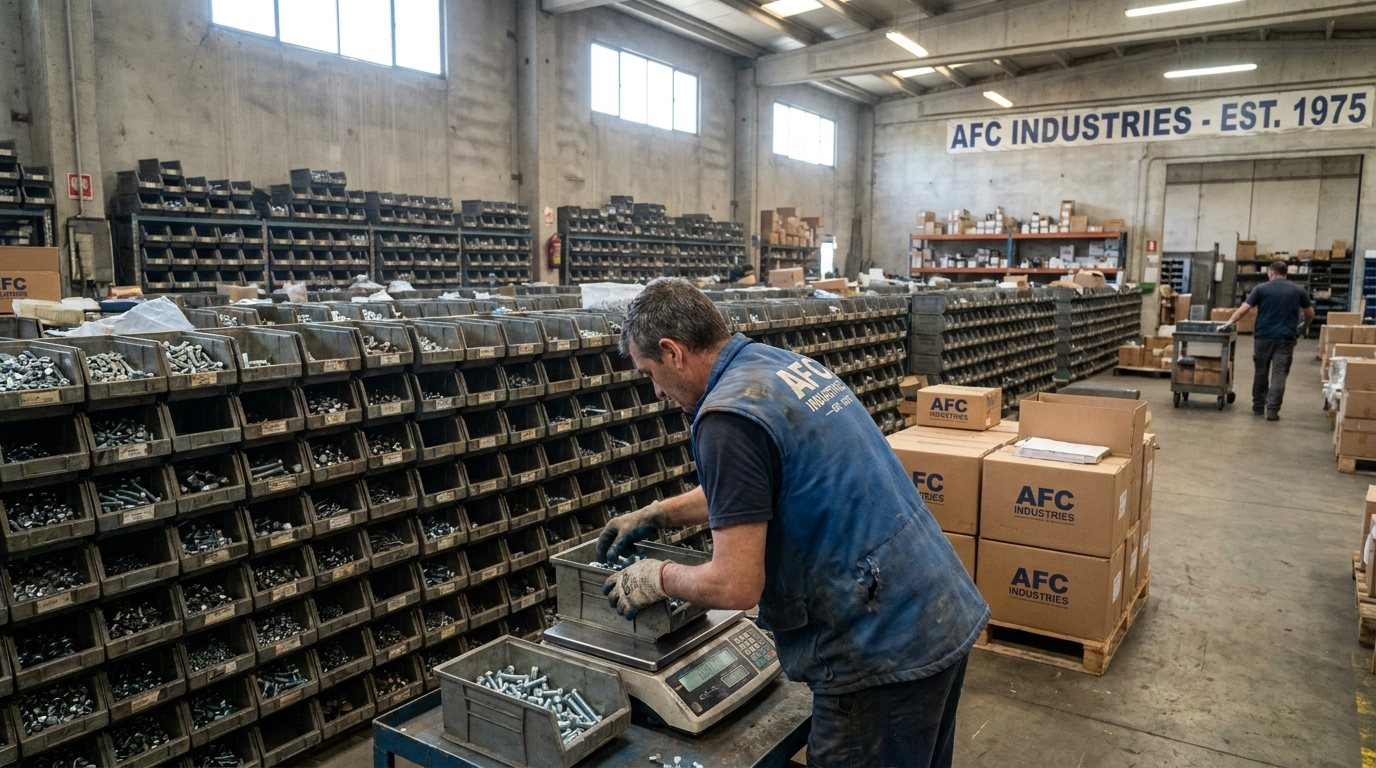
AFC Industries ranks #7 in Fasteners on MDM's 2026 Top Distributors list. Three private equity owners later, its buy-and-build model has only sped up.
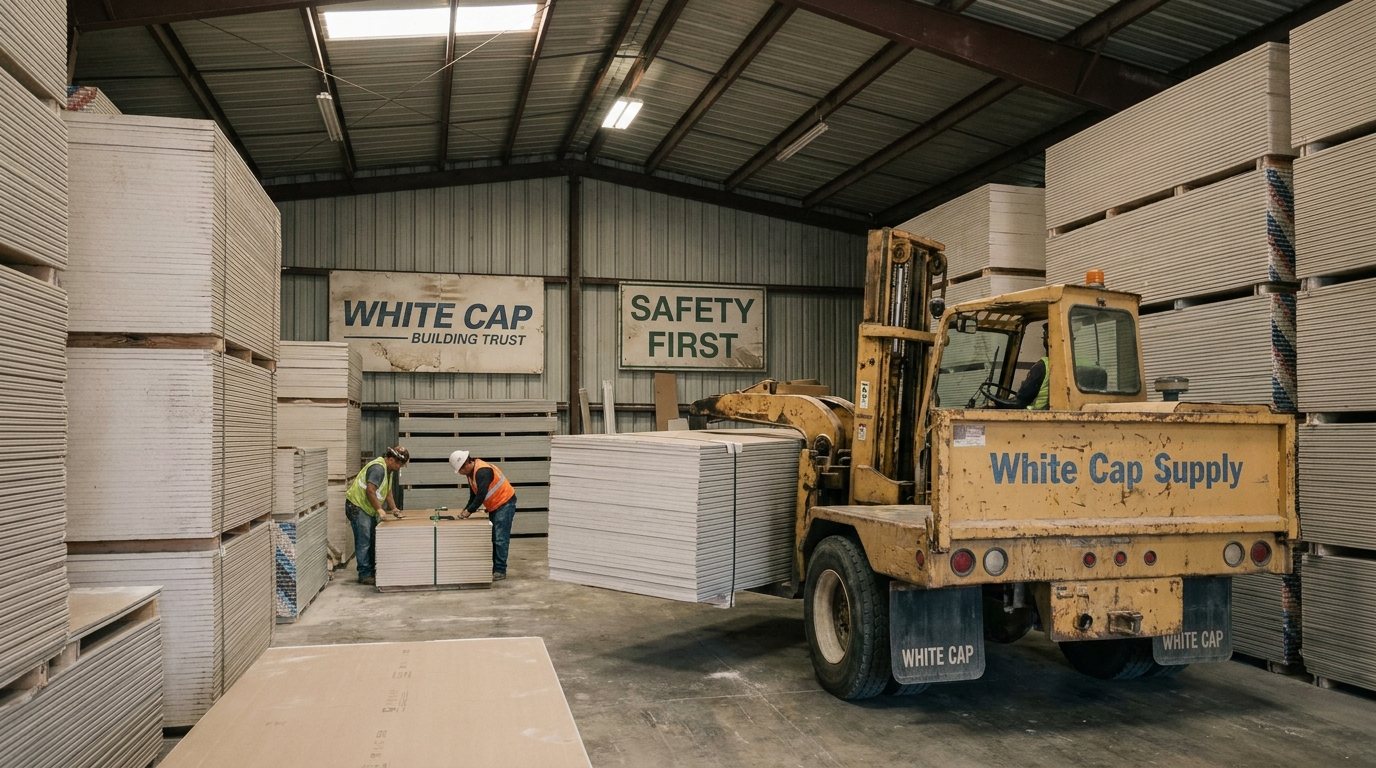
White Cap ranks No. 7 on MDM's 2026 Building Materials list. Here's how a rollup sold twice became North America's concrete-supply consolidator.
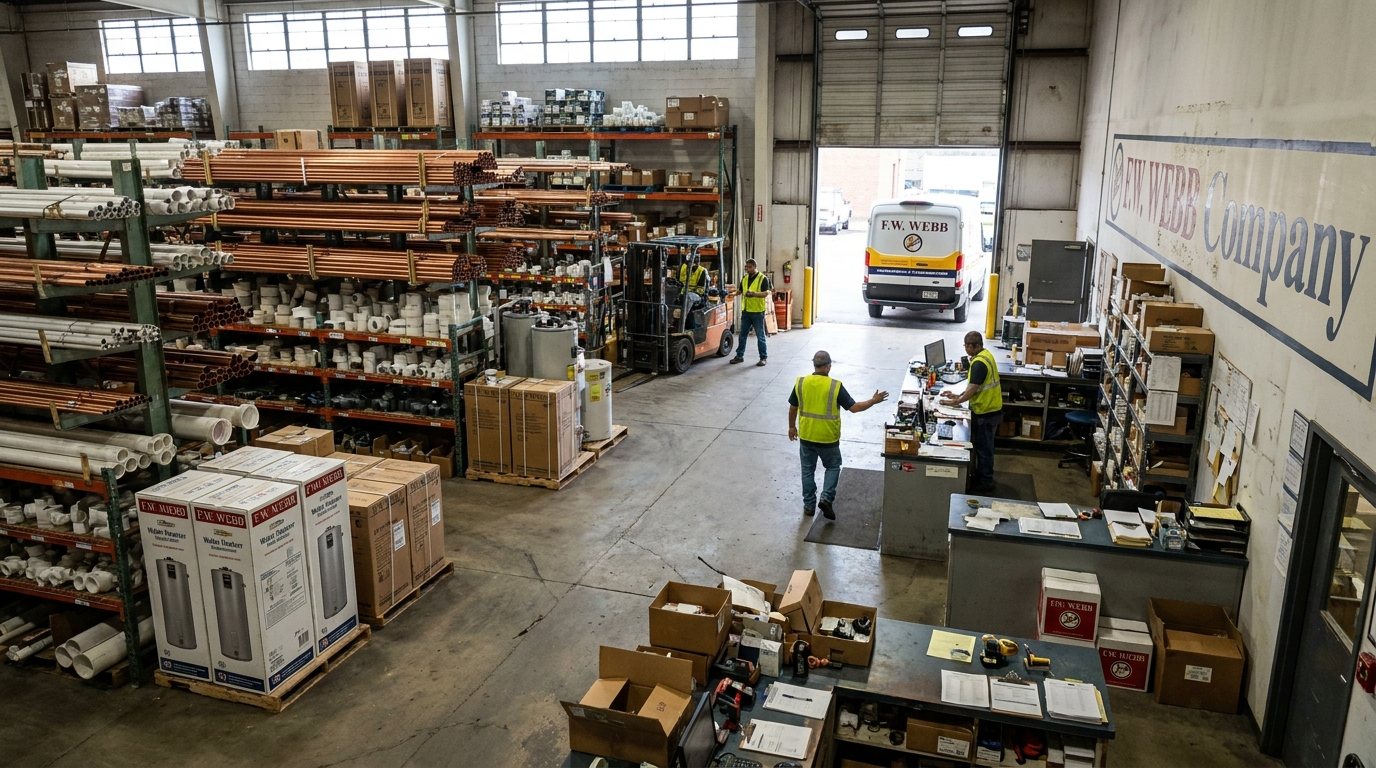
F.W. Webb ranks #6 in Plumbing and #9 in HVACR on MDM's 2026 Top Distributors list. Here's how a Depression-era buyout built a 160-year family dynasty.
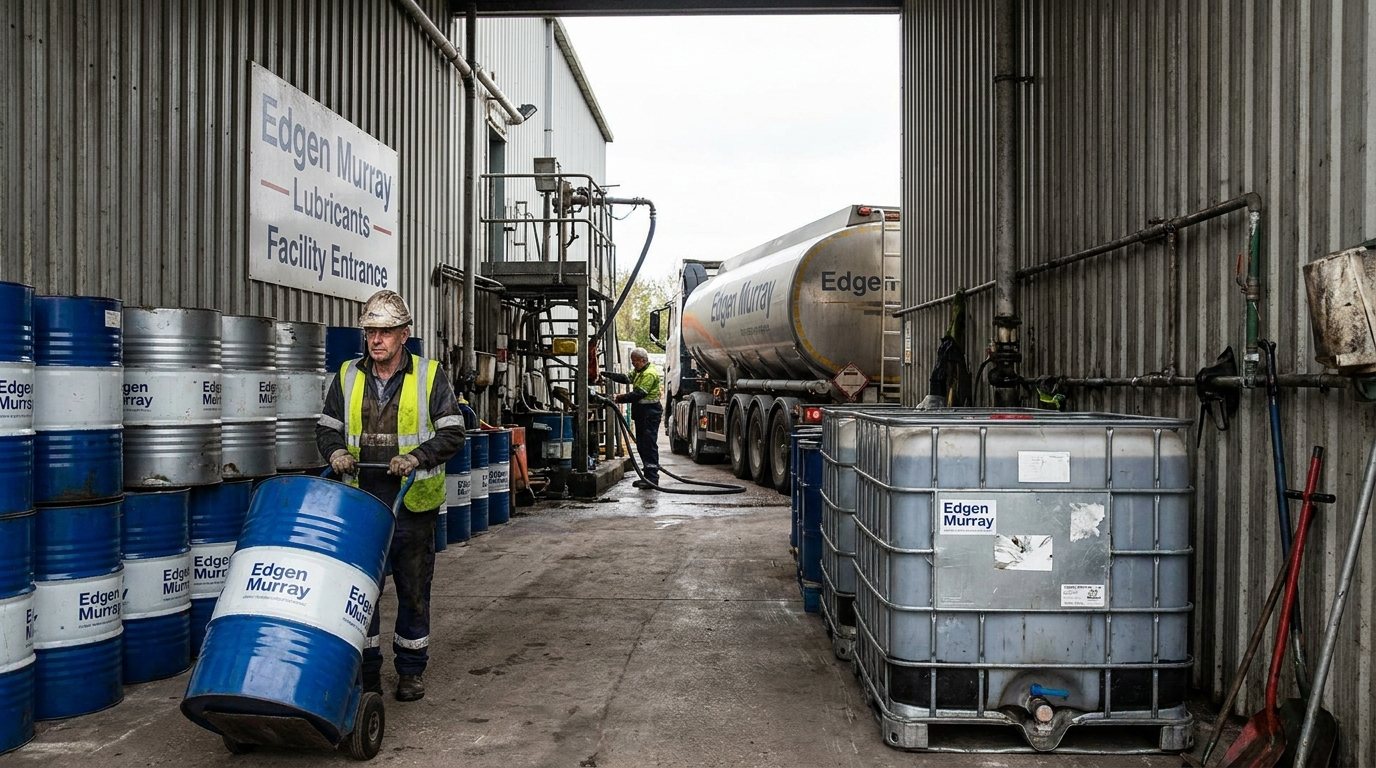
Edgen Murray ranks PVF #4 and IS #25 on the 2026 MDM Top Distributors list. Its real edge traces to who owns it, and why that owner never sold.
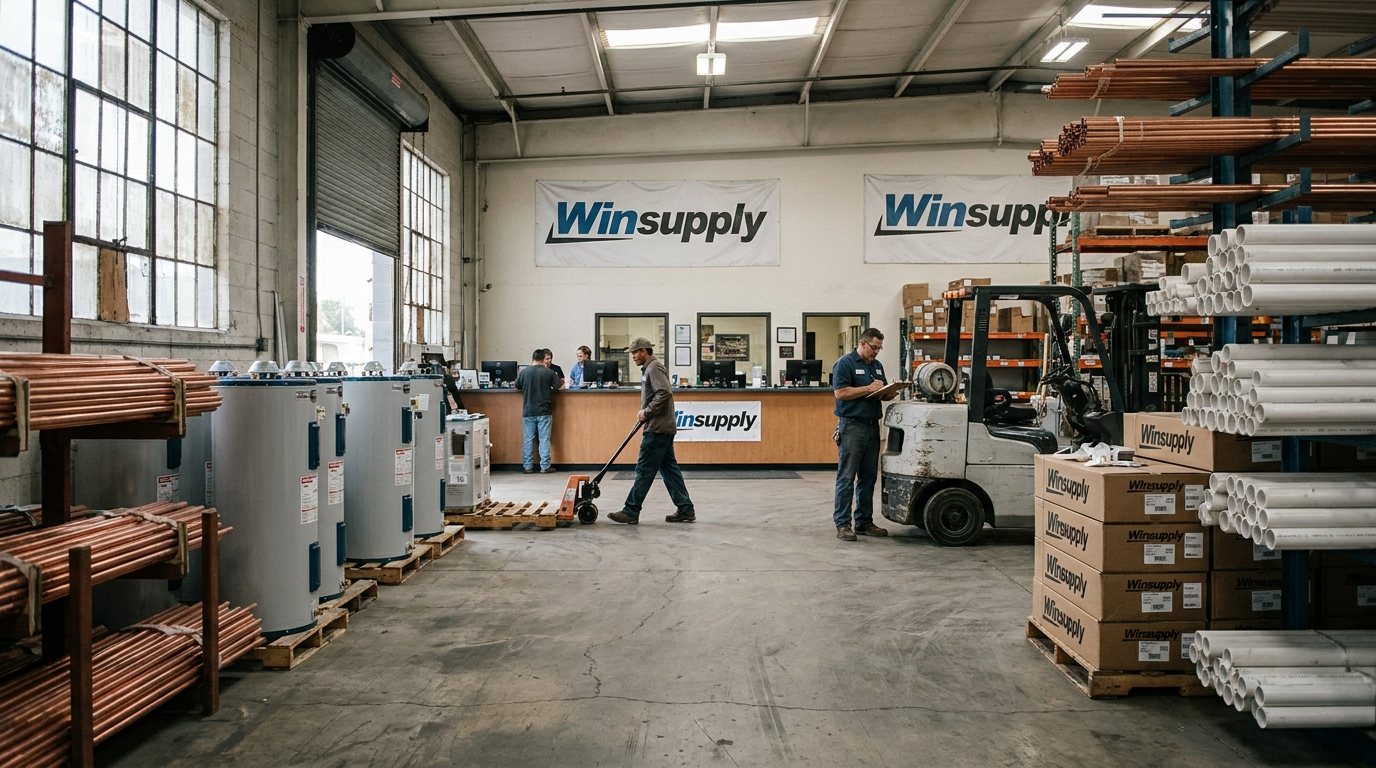
Winsupply hit $8.4B not by centralizing branches like its peers, but by giving each one away in pieces. Here is how that bet from 1958 still shapes it.
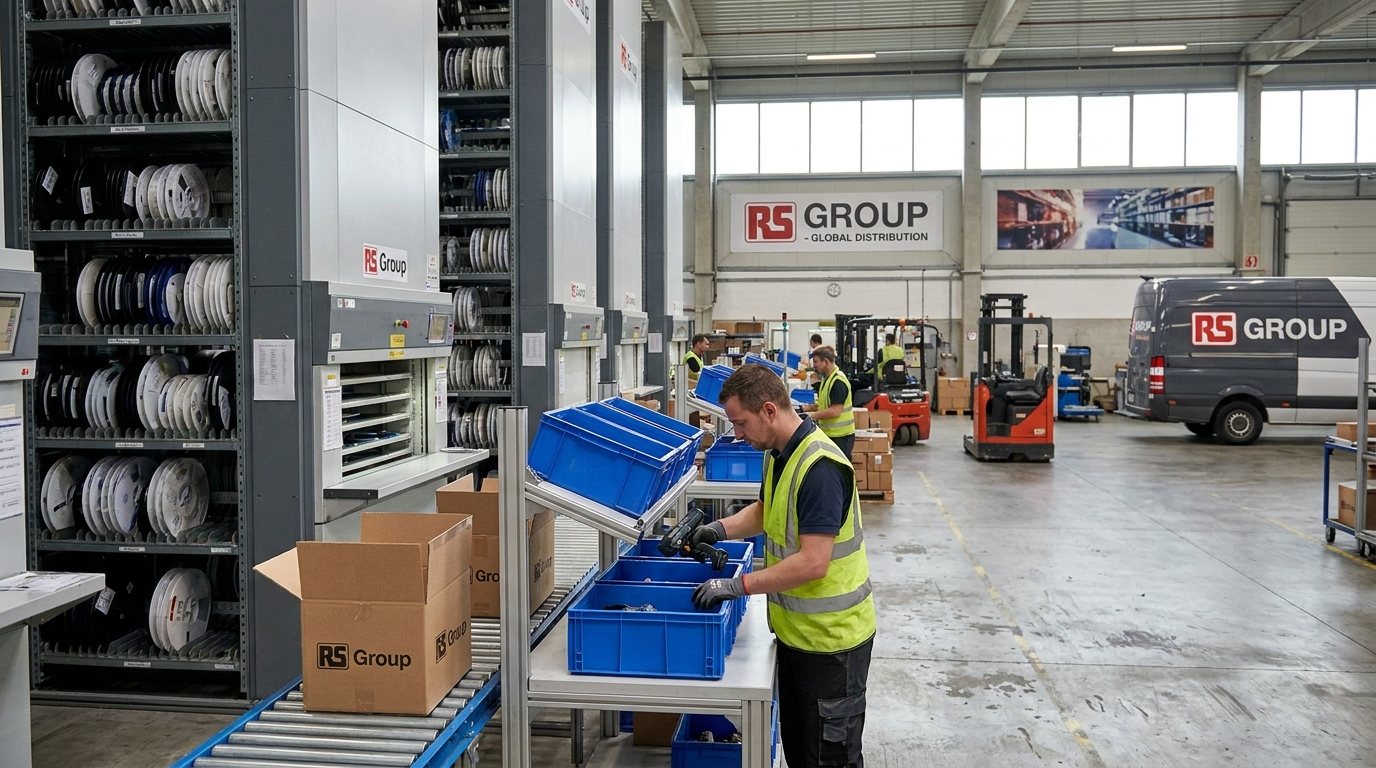
RS Group ranked on three 2026 MDM Top Distributors lists. Its US business spent 95 years under other people's names before the parent finally claimed it.
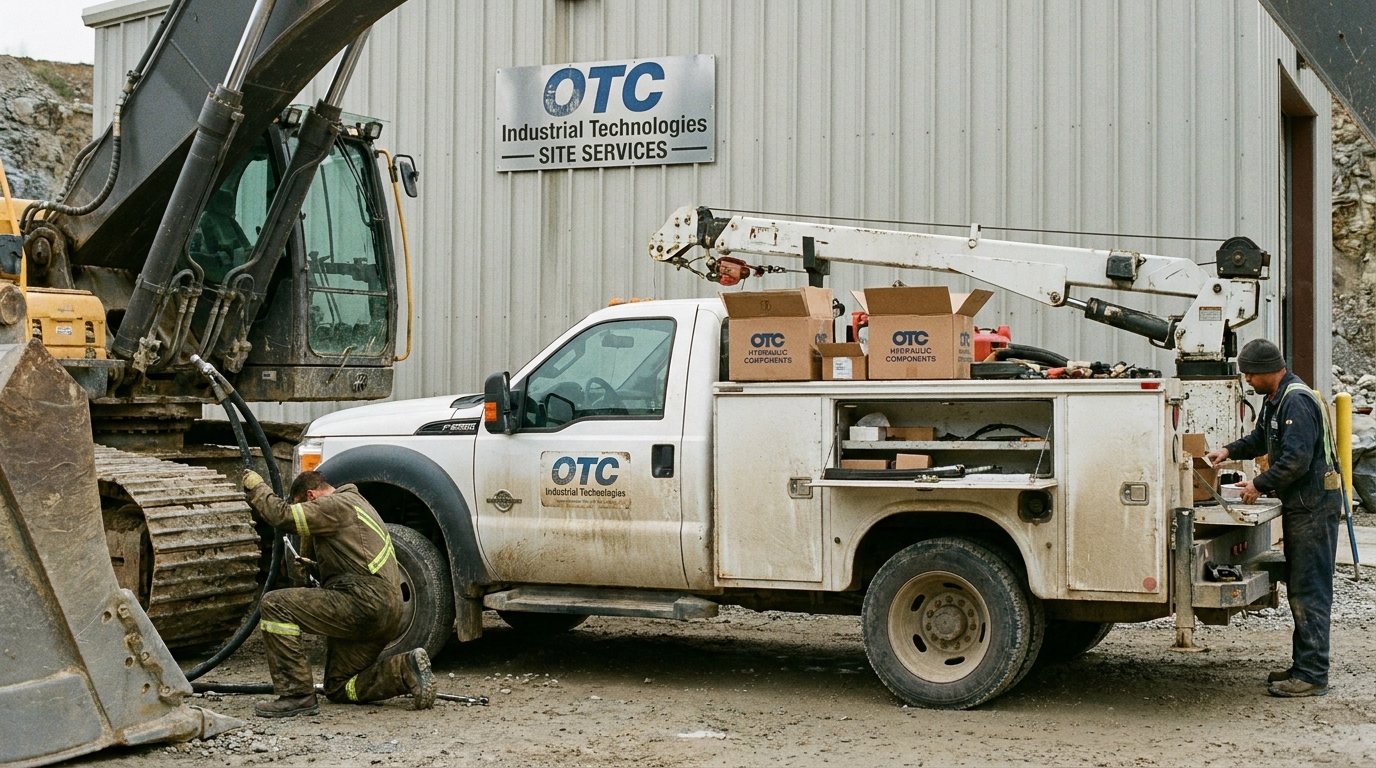
OTC Industrial Technologies ranks on three 2026 MDM Top Distributors lists. Its real story is a 1963 family firm that became a 40-brand roll-up.

How enriched attributes move from OroCommerce's product families into storefront HTML — attribute config, layout blocks, Twig, and validation.

Add schema.org Product JSON-LD on Oracle Commerce — map name, brand, GTIN, SKU, offers, and ratings, then keep the markup in sync with the live page.

HVAC/R buyers filter by refrigerant, SEER2, MCA/MOP and AHRI match, not just tonnage. Here's how to structure condensing unit data so it survives search.

How to design a real holdout test for product-data enrichment: randomization unit, sample size, contamination guardrails, and reading the lift.

How missing electrical attributes like AIC rating and trip type block circuit breakers from filtered search and AI answer engines, and how to fix it

BDI ranks #3 in Power Transmission on MDM's 2026 Top Distributors list. Its real story is who still owns it, and why that has never changed.

The gate valve attribute schema waterworks distributors need — stem type, pressure class, coating, and certs — before AI and filtered search skip the SKU.

Global Industrial ranked IS #20, MRO #8 and JanSan #10 on MDM's 2026 Top Distributors list. Here's how it undid its own retail empire to get there.
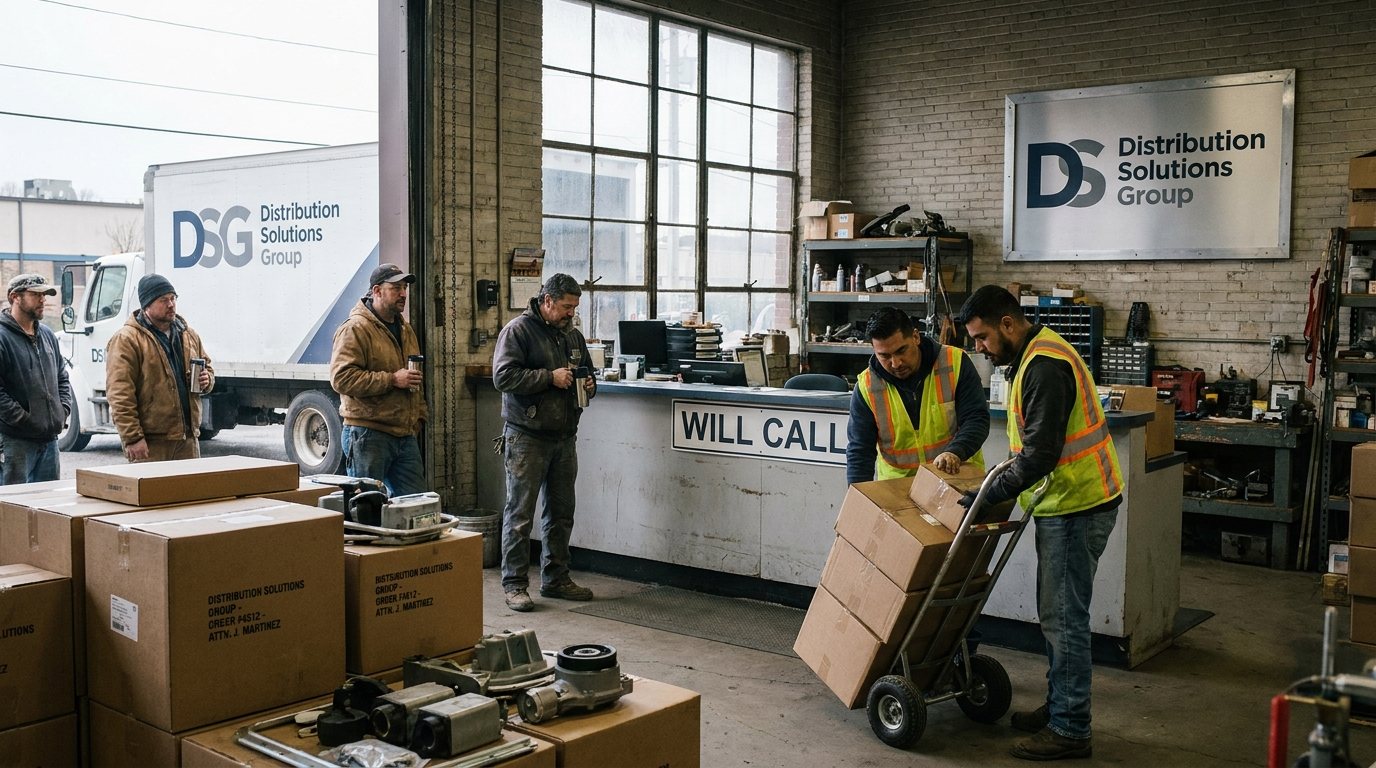
Distribution Solutions Group hit MDM's 2026 Top Distributors lists in four verticals. Its stranger story is a reverse merger now unwinding itself.

Datacom and networking distributors are losing deals to thin, inconsistent product data — and 2026's AI-search shift makes the gap impossible to ignore.

The five questions datacom buyers ask before checkout, why gaps drive wrong-part returns, and a 48-port PoE switch checklist for distributors.

How a 1951 Detroit tool store became Berkshire Hathaway's bet on arming independent distributors instead of replacing them, per MDM's 2026 rankings.
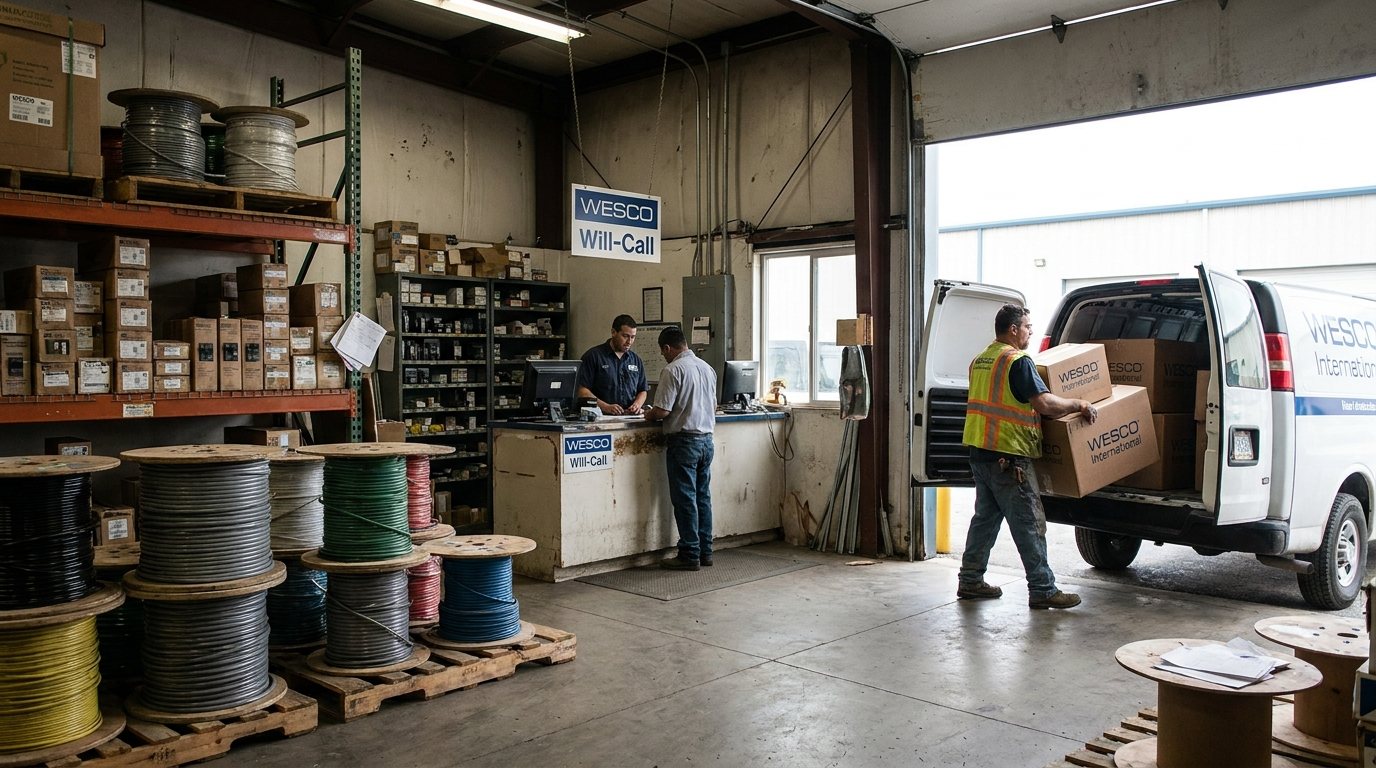
Wesco tops MDM's 2026 electrical rankings. Here's how a 1922 Westinghouse spinoff turned a merger of equals into the backbone of the AI buildout.
Welding & Gas catalogs run on inconsistent manufacturer feeds and PDF spec sheets — 2026's AI search and buyer shift make that a lost-deal problem.

Welding & gas buyers ask five specific questions before they order a spool of wire. See what happens to returns and support load when your page can't answer them.

How an enriched attribute moves from Unilog's CX1 PIM through approval workflow and workspace publishing to render in HTML on a live distributor product detail page.

SunSource ranks #1 in Hose and #1 in Fluid Power on the 2026 MDM Top Distributors list. Its path there ran through Sunoco and four private equity owners.

How distributors make an Optimizely Configured Commerce catalog agent-readable: attributes, Product JSON-LD, SSR, and clear buyer-question answers.
Hillman ranks No. 3 on MDM's 2026 fastener distributors list. Its real edge: using bolt-and-nut shelf space to place a hidden kiosk business.
DXP Enterprises spans four 2026 MDM Top Distributors lists. Its real edge is a 30-year CEO tenure fueling a disciplined tuck-in acquisition machine.

Why thin lighting feeds lose the buy box on marketplaces, the attribute bar channels enforce, and how to reach channel-ready completeness fast.
Graybar ranks #3 on MDM's 2026 electrical distributors list at $12.9B. Its real edge is a 100-year-old employee-ownership structure none of its rivals share.
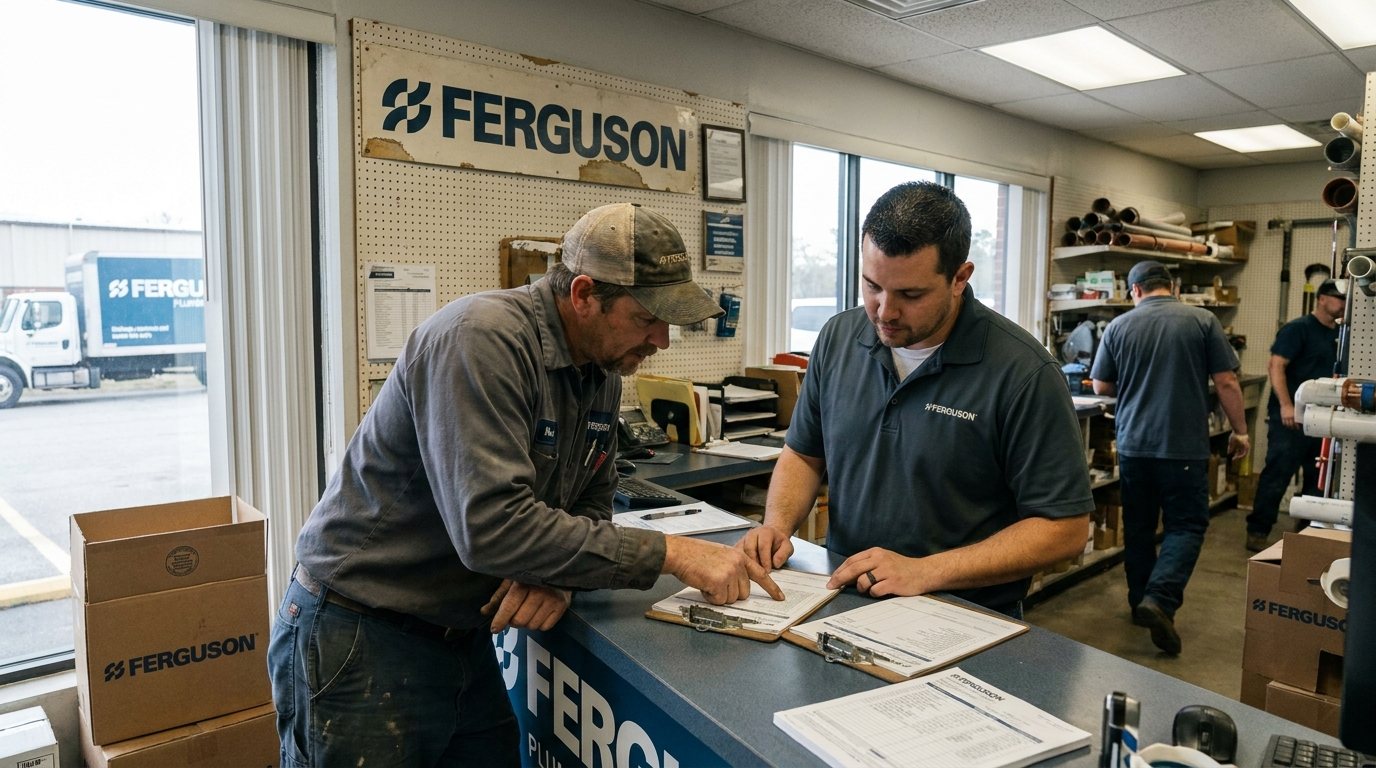
Ferguson tops MDM's 2026 Plumbing list at No. 1. The stranger story: it grew big enough to rename, then shed, the UK parent that once owned it.

If your product pages use the same copy as every other distributor, search has no reason to rank yours. Differentiated content is the fix.
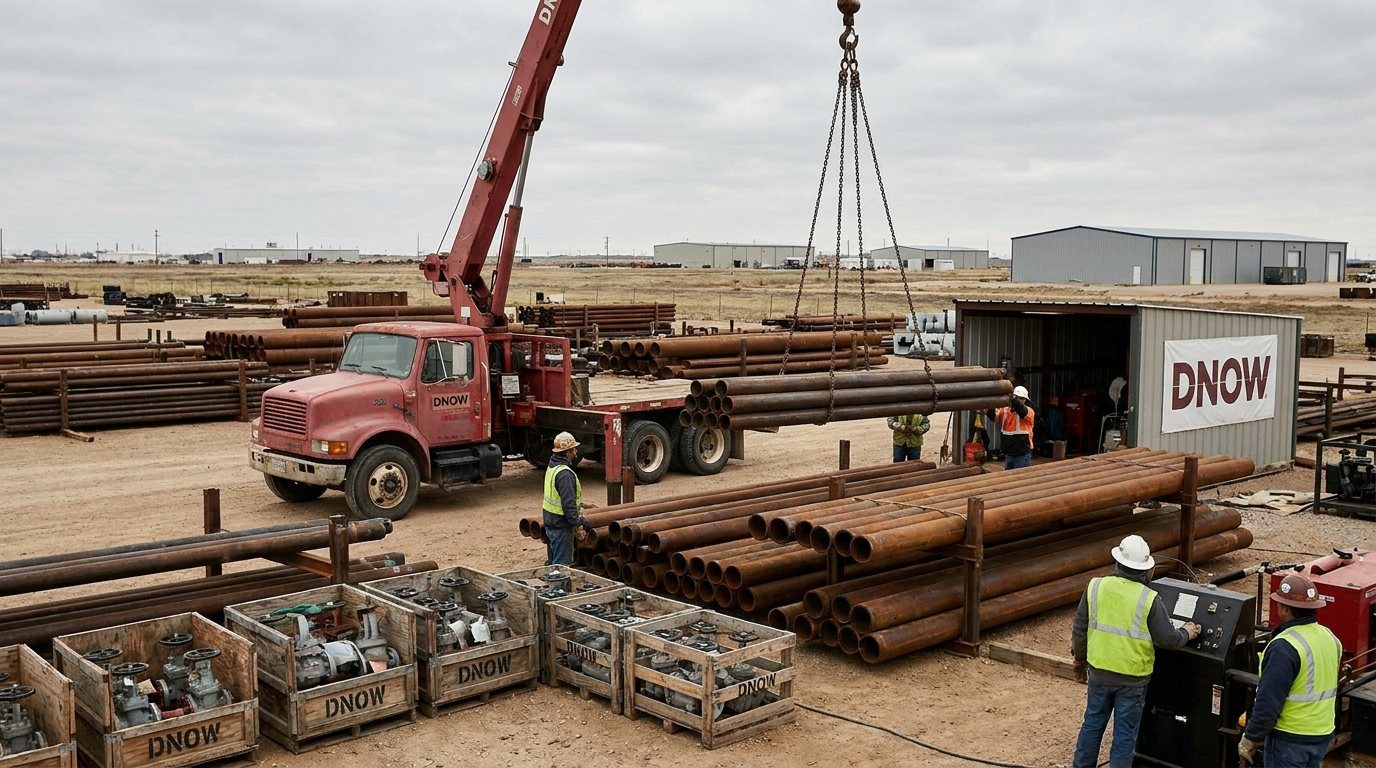
DNOW ranked #4 in PVF on MDM's 2025 list, then acquired the #3 player, MRC Global, outright — and takes that #3 slot itself on the 2026 list.
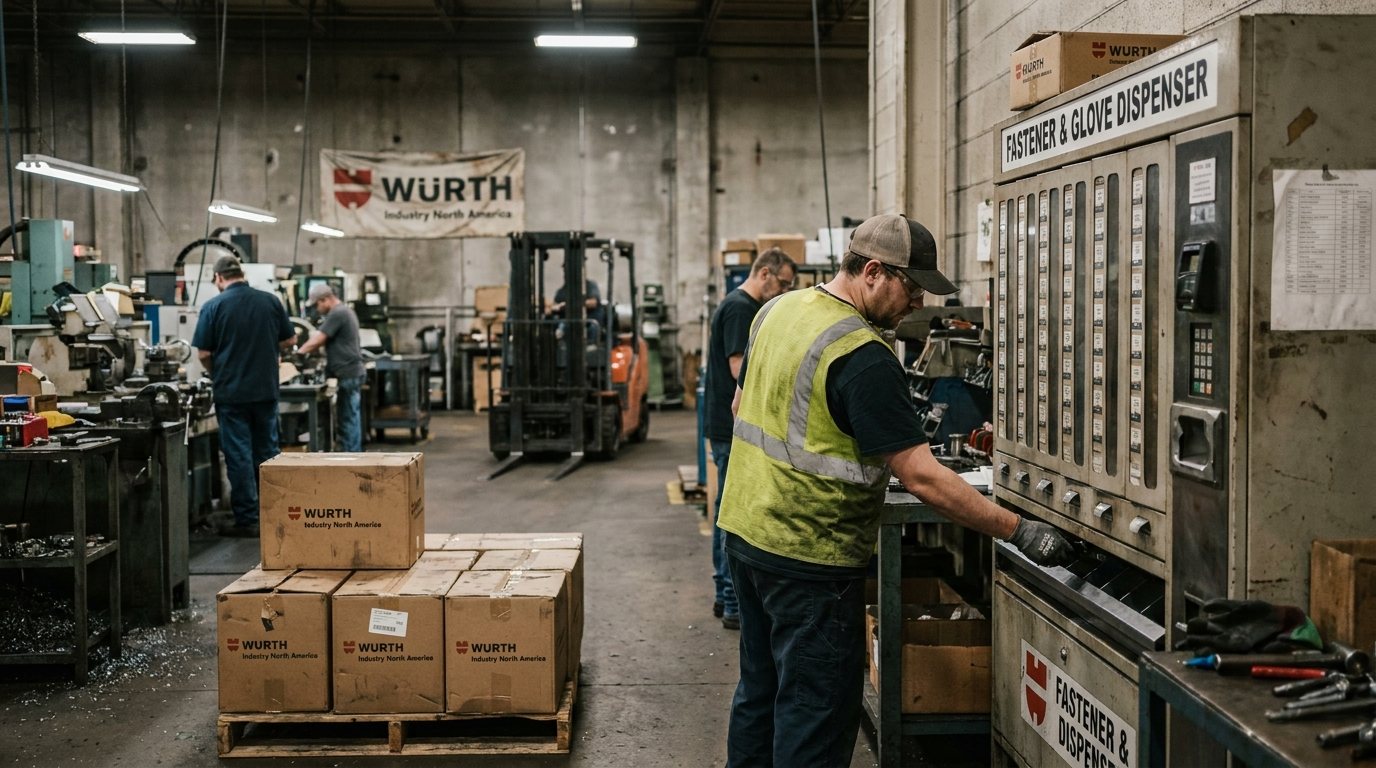
Würth Industry North America ranks No. 2 in fasteners on MDM's 2026 list. Its real edge is patient family ownership and a roll-up that never merged its brands.
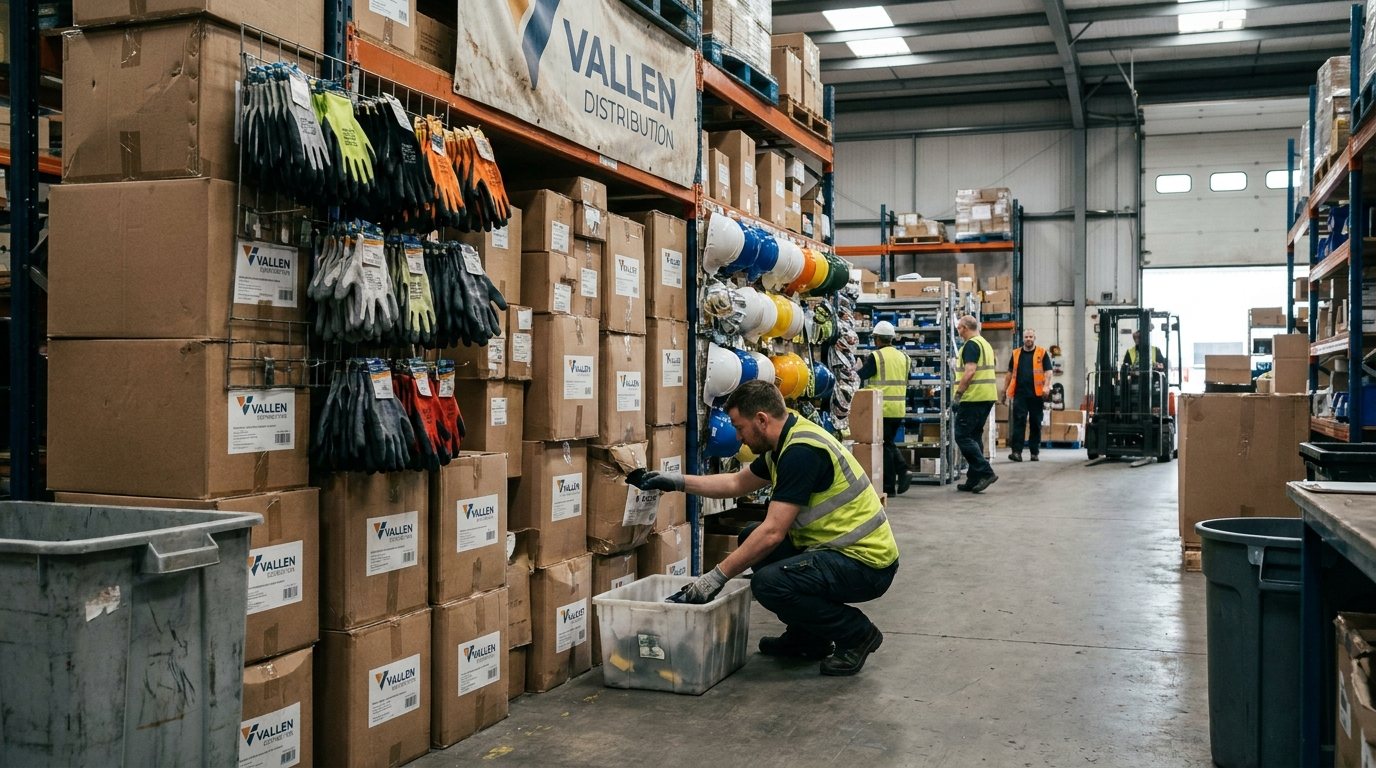
Vallen Distribution ranks in the 2026 MDM Top Distributors. Its real story: a 1947 family safety firm passed through three owners, then became the buyer.

How Optimizely Configured Commerce's Spire storefront renders PDPs, why client-only rendering hides product data from crawlers, and how to verify SSR is working.
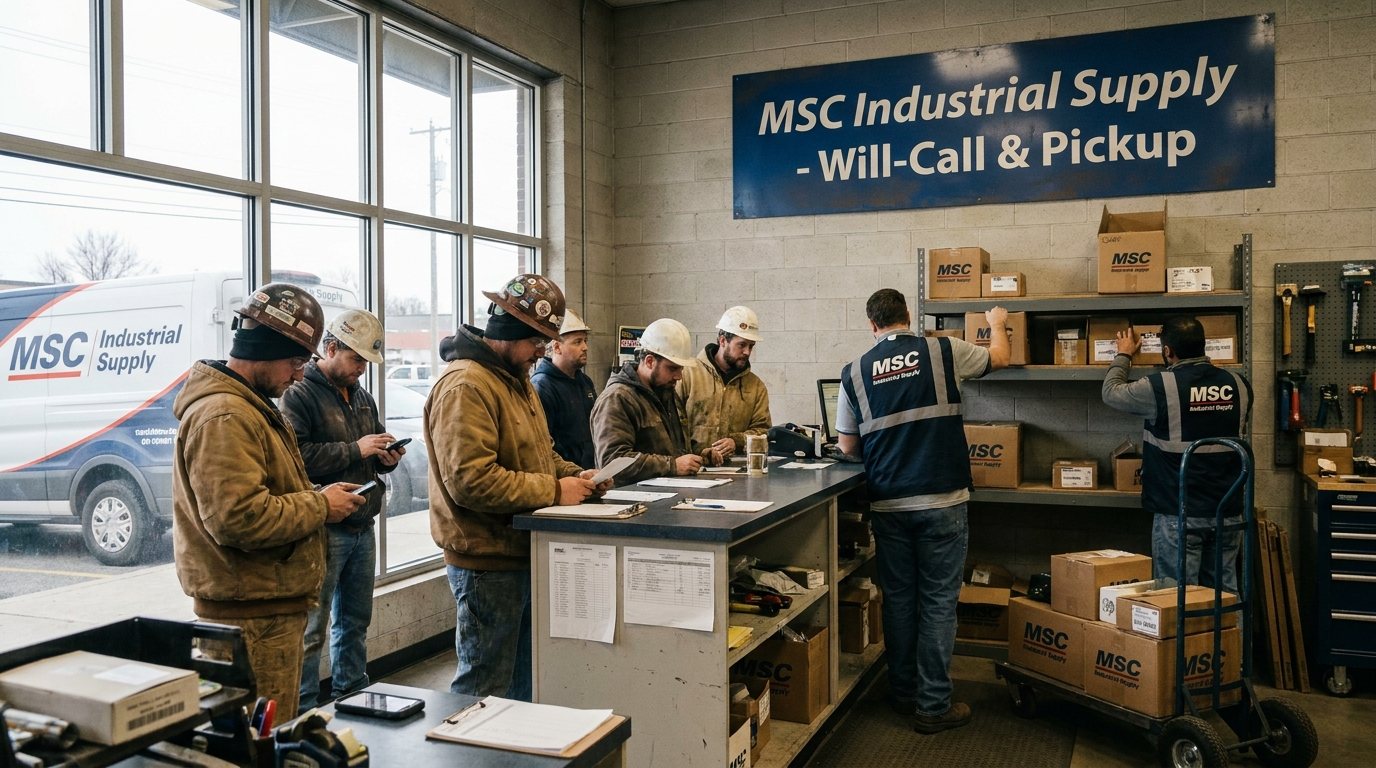
MSC Industrial ranks on 2026's MDM Top Distributors lists across four categories. Here is how three generations of one family built it, then stepped back.

MRO and industrial buyers now ask AI before they call a distributor. Thin ERP-style product data makes a catalog invisible to those engines.
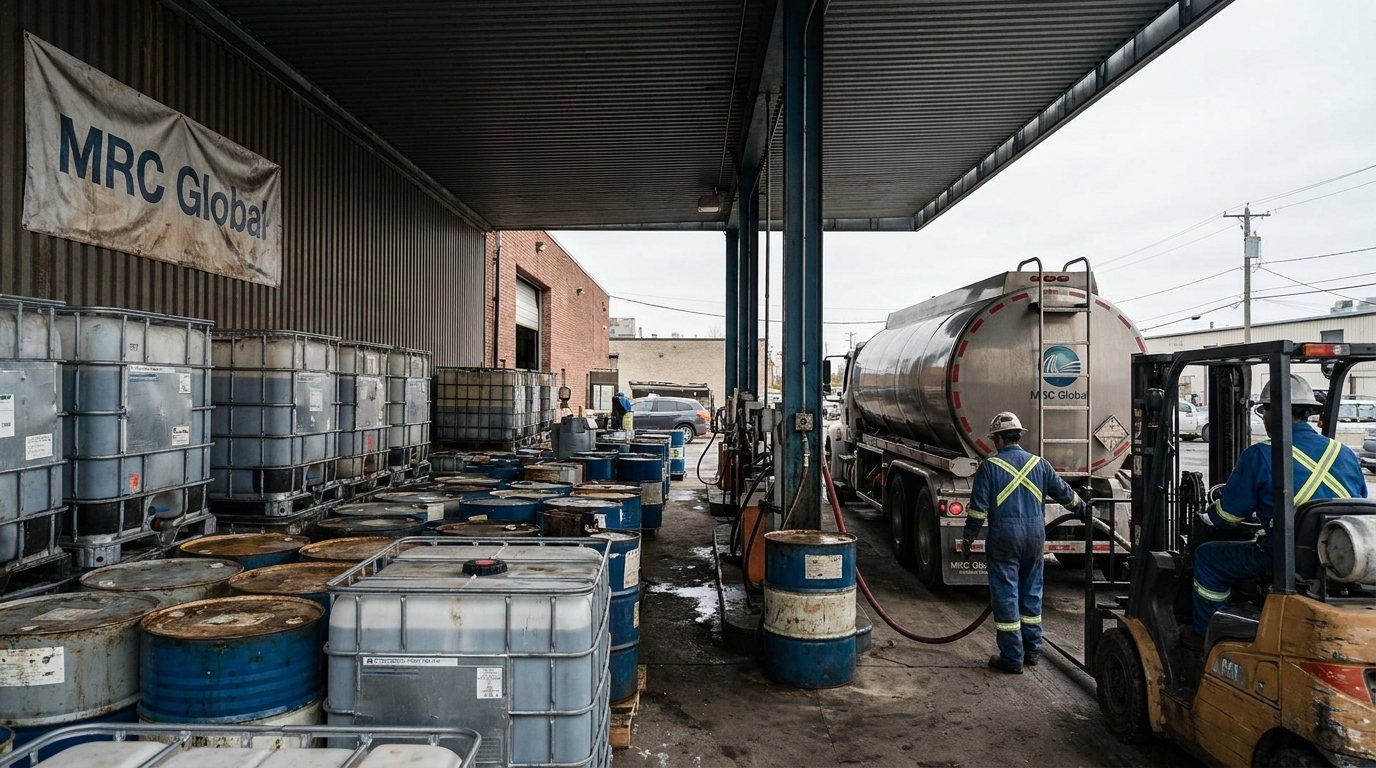
MRC Global built a century-long PVF empire by merging with rivals. In late 2025 the same playbook folded it into DNOW. Here's how that arc unfolded.

Datacom and networking buyers now ask ChatGPT and Perplexity before opening a distributor site. See why ERP-style feeds go uncited and what fixes it.

Missing 20-40% of attributes isn't a data hygiene issue, it's lost revenue. A cost model for tracing gaps to search, conversion, returns, and support.

How distributors and marketplaces design category trees and attribute schemas that stay filterable at scale, mapped to GS1 GPC and governed over time.

Five rendering pitfalls — CSR, lazy loading, hidden tabs, blocked resources, slow hydration — that hide product data from crawlers and AI agents, with fixes.

Pool and spa catalogs still run on flat files and PDFs in 2026. Here's what broken product data really costs distributors, manufacturers, and search rankings.

Why pool and spa buyers return the wrong pump, filter, or heater part - and the product-page checklist that stops it before the RMA is filed.

Plumbing & PVF distributors lose sales to incomplete SKU data, thin PDPs, and AI-search invisibility. Here's what's broken and what it's costing.

How enriched PIM attributes reach an Optimizely Configured Commerce (Spire) product page — data model, widget binding, and validating the rendered HTML.

Why medical & dental distributor feeds get outranked on marketplaces, the identifier and attribute bar channels enforce, and how to close the gap fast.

McMaster-Carr ranks on six 2026 MDM lists while giving zero interviews. How a 124-year-old family firm built the best catalog in MRO and never explains itself.
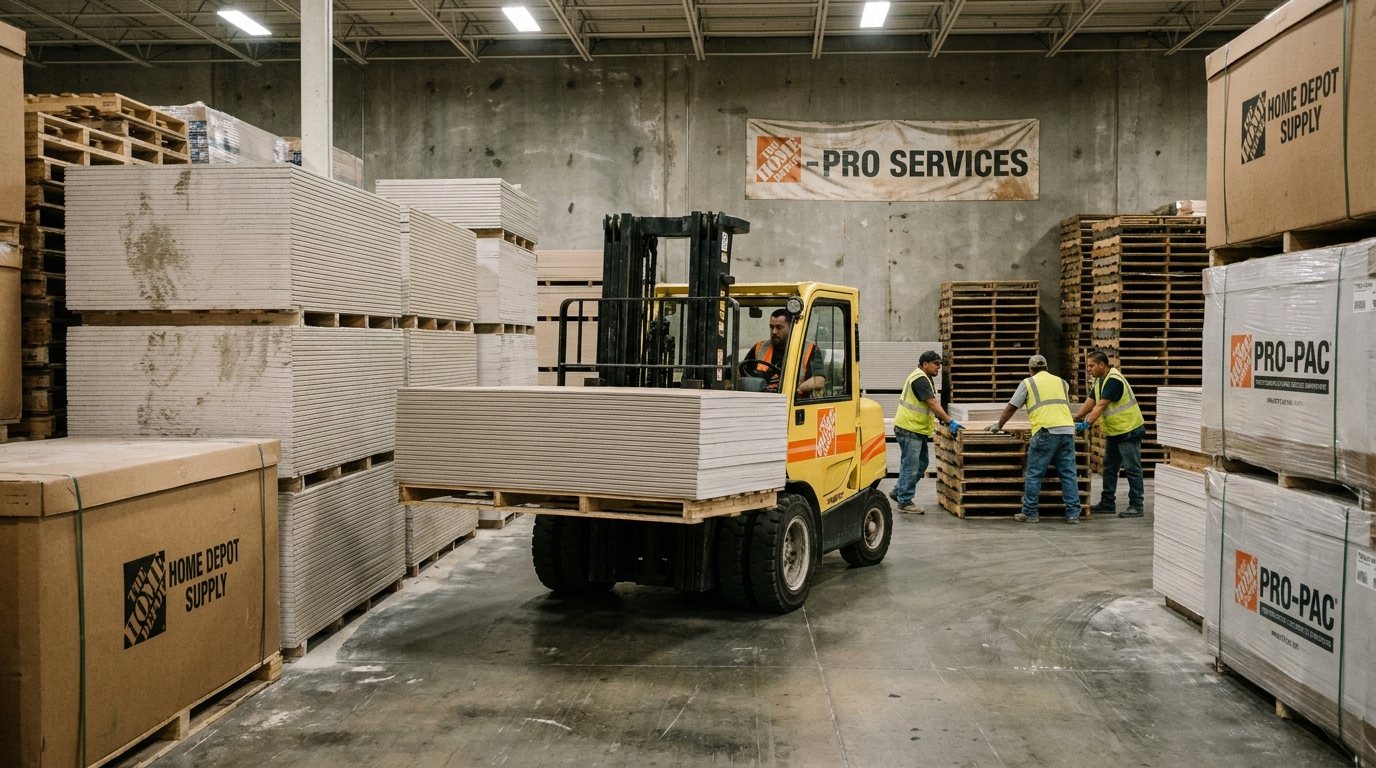
Home Depot Pro ranks on three 2026 MDM Top Distributors lists. Its real edge is a house-of-brands M&A engine it once tried to avoid building.

A BigCommerce product-page technical SEO checklist covering rendering, JSON-LD, titles, canonicals, alt text, links, speed, and crawlability.
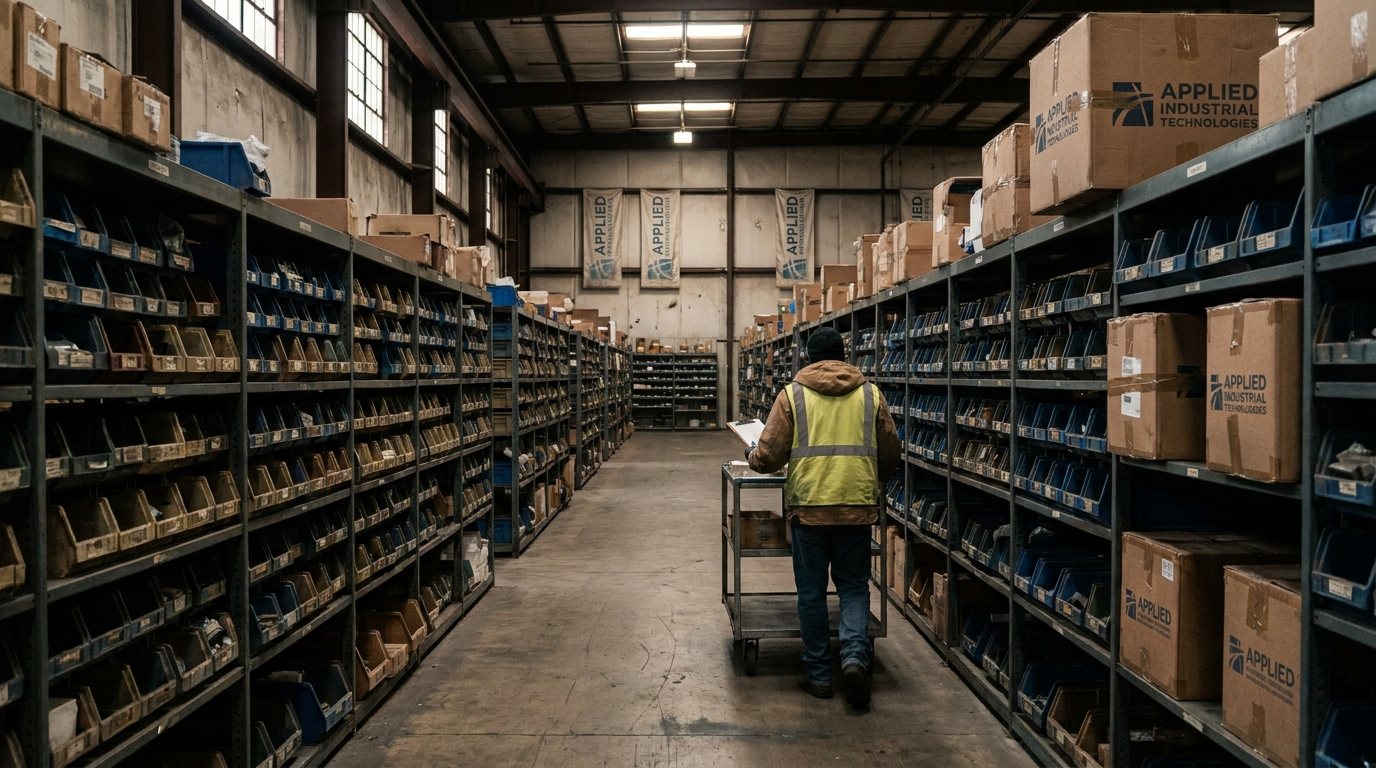
Applied Industrial lands on six 2026 MDM Top Distributors lists. Here's how a 1923 Cleveland bearings house built a robotics and automation engine.

Why plumbing & PVF distributors lose margin to wrong-part returns, the exact fields buyers need on a valve page, and a checklist to close the gap.

AI answer engines now rerank oilfield distributor catalogs by data completeness, not keywords. Here's why thin ERP feeds go invisible and what fixes it.
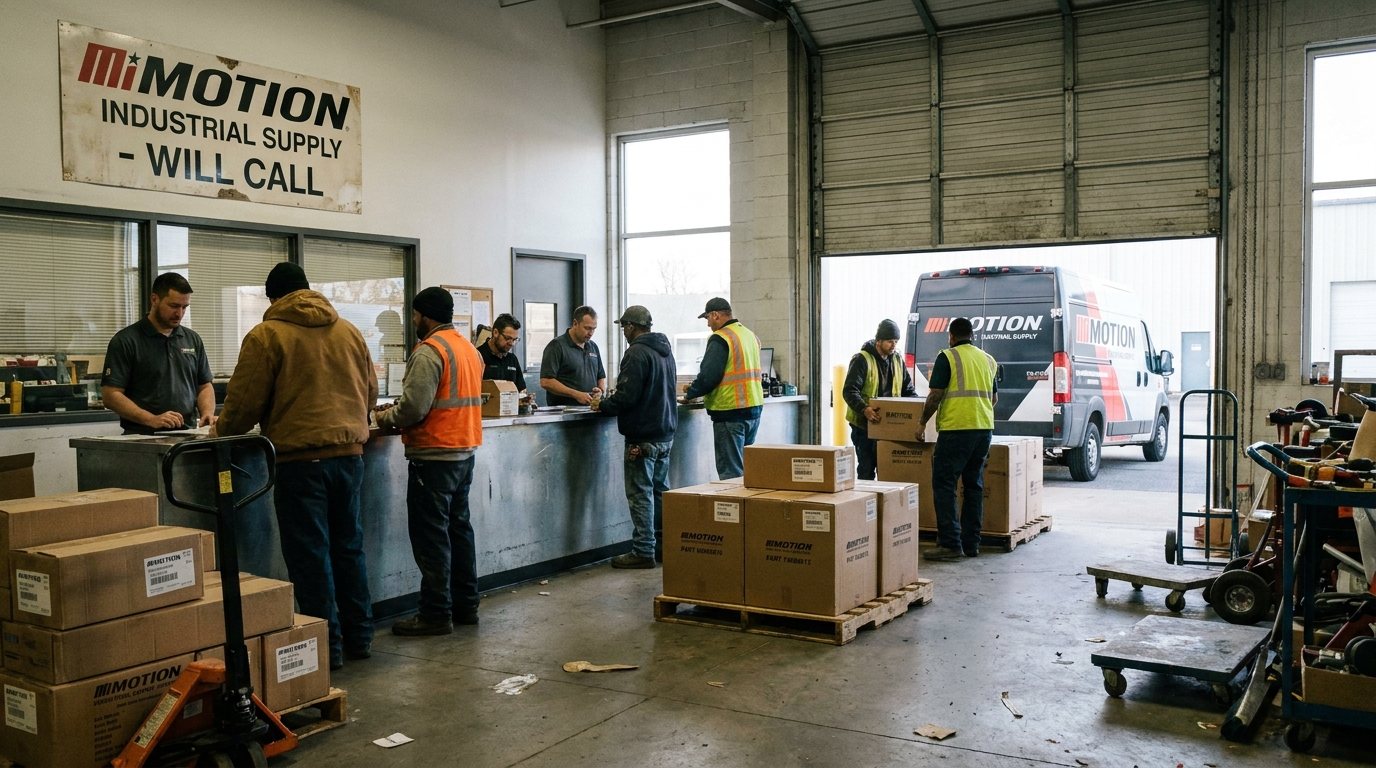
Motion Industries tops MDM's 2026 power transmission ranking, and after 50 years built quietly inside GPC, it is about to become its own standalone public company.

How GTIN, MPN, and brand in Product structured data drive Google and AI product matching, plus how to implement and validate them correctly.
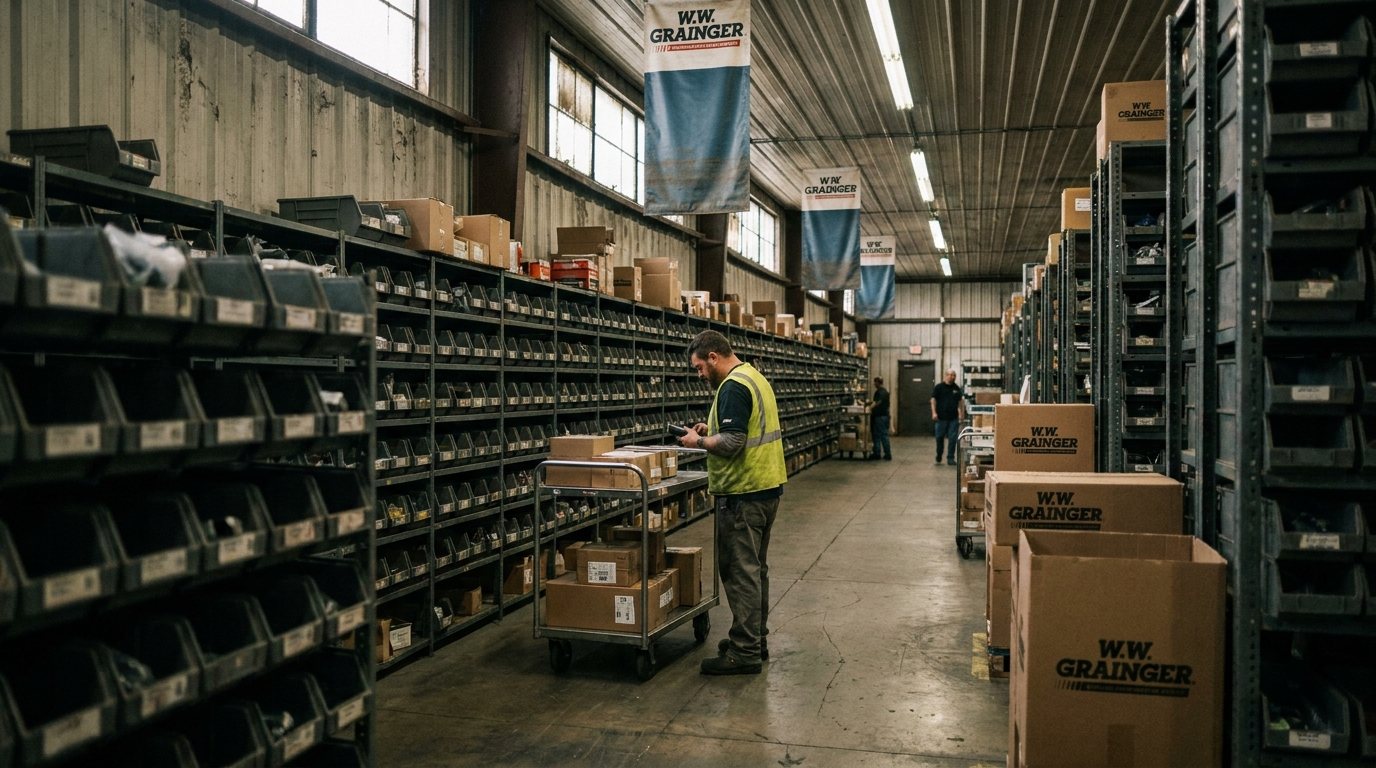
Grainger tops MDM's 2026 Industrial, MRO, and Safety rankings by running two opposite distribution models at once, one high-touch, one low-touch.

Foodservice equipment distributors lose sales to incomplete specs and thin PDPs. Here's what's broken in 2026, what it costs, and why AI search raises the stakes.
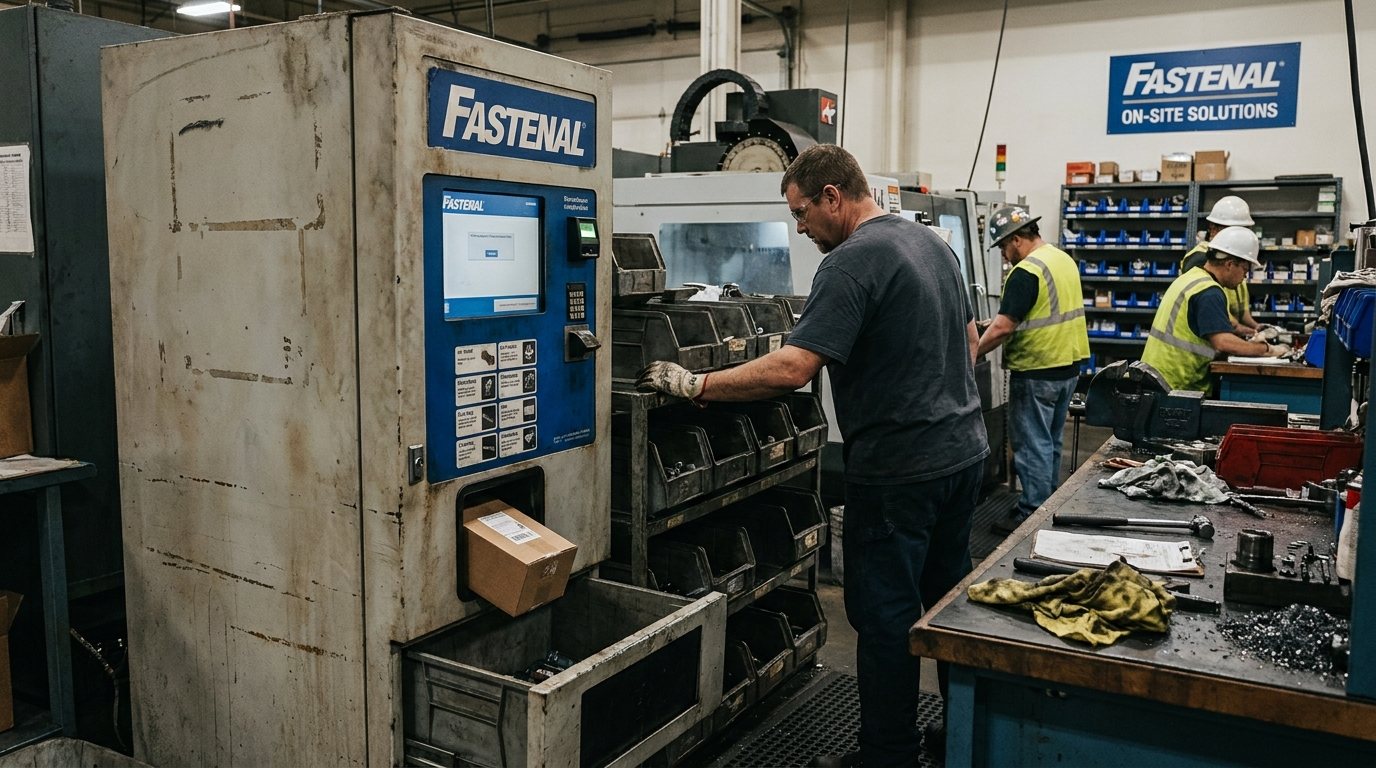
Fastenal ranks #1 in Fasteners on the 2026 MDM Top Distributors list, but fasteners are now under a third of its sales. Here is the model that replaced them.

Airgas lands on MDM's 2026 Top Distributors list at No. 3 in Industrial Supply. Its real lesson is a takeover it beat, then a deal it wanted.

Ag & turf equipment buyers now ask ChatGPT and Perplexity before visiting a dealer site. See why abbreviated parts feeds go uncited and what actually fixes it.

How to keep Syndigo product attributes and JSON-LD in sync from PIM through to the rendered product page, so shoppers and AI agents see one source of truth.

Turn your support queue into an enrichment backlog: tag tickets by missing PDP attribute, measure deflection, and tie it to cost-per-contact and CVR.

Why thin pumps & fluid power feeds get buried on marketplaces, the identifier and attribute bar channels enforce, and how to hit channel-ready fast.

Why gaps in reach-in refrigerator spec data drive wrong-part returns for foodservice equipment distributors, plus a practical checklist to close them.

How enriched product attributes travel from BigCommerce custom fields and metafields into Stencil templates, the rendered DOM, and product JSON-LD.

Catalog migrations lose search rankings from broken redirects and thin PDPs, not the new platform. Here's how to migrate without losing discovery.

A CFO-ready framework for pricing the cost of bad product data, projecting the lift from fixing it, and phasing the investment to de-risk approval.

Medical and dental distributors are losing sales, returns, and AI search visibility to incomplete product data. Here's what's broken and what it costs in 2026.

A box of exam gloves has a dozen specs that determine fit. Here's how gapped product data drives wrong-part returns in medical & dental distribution, and how to fix it.

Why "waterproof hiking boot size 10 wide" fails at the exact moment of intent, and the search metrics that show you where attributes are missing.

How to map Akeneo product attributes into page-ready JSON-LD and keep them synced end to end, so AI agents and buyers always read the same data your PIM holds.

A technical guide for manufacturers and distributors: turn complete Akeneo attributes, identifiers, and GTIN/MPN data into agent-readable PDPs with Product JSON-LD.

The ag & turf attributes buyers actually filter on, why missing specs like bore diameter drop SKUs from search, and how to structure them for humans and AI.

How distributors add schema.org Product JSON-LD in Optimizely Configured Commerce and keep it synced with the live PDP, with a validated example.

Datacom & networking catalogs lose SKUs to bad filters. See the exact attributes buyers and AI engines expect, worked through a 48-port PoE switch example.

Why LVL beams and other building materials SKUs vanish from filtered search and AI answers, and the attribute schema that keeps them visible.

Returns aren't just a shipping cost. Here's the full model - reverse logistics to lost trust - and how much of it traces back to bad product data.

The five product-page facts that convert a hesitant, ready-to-buy shopper, and exactly how to measure their lift in cart-add and checkout rates.

Jan/San and packaging buyers now shortlist suppliers inside ChatGPT and Perplexity. Thin ERP feeds make distributor catalogs invisible to those engines.

A practical checklist for SAP Commerce Cloud product pages: rendering, structured data, titles, canonicals, images, links, performance, and crawlability.

How to add schema.org Product JSON-LD on SAP Commerce Cloud, which fields matter most (gtin, sku, offers, aggregateRating), and how to keep it in sync.

How to add schema.org Product JSON-LD to OroCommerce PDPs via a layout update, map GTIN/SKU/brand/offers correctly, and keep the markup in sync with the page.

Why thin oilfield equipment listings get buried on marketplaces, the attribute bar channels enforce, and how to reach channel-ready completeness without re-keying.

How Adobe Commerce renders PDPs server- vs client-side, why that hides enriched product data from crawlers and AI agents, and how to check and fix it.

Oilfield & energy product data is still stuck in PDFs and cut sheets. Here's what's broken in 2026, what it costs, and why AI search raises the stakes.

A distributor's guide to fixing spec-critical oilfield product data, using a forged steel gate valve to show how gaps drive wrong-part returns.

How to add schema.org Product JSON-LD on BigCommerce, which fields (gtin, brand, offers) actually matter, and how to keep markup synced with the live page.

How to make SAP Commerce Cloud PDPs agent-readable: complete attributes, Product JSON-LD, SSR checks, and buyer-question content that AI can parse.

Pumps and fluid power product data in 2026: what's broken, what it costs distributors, and why AI search and buyer shifts make fixing it urgent.

Why missing curve, port, and pressure data on pump product pages drives wrong-part returns, and a concrete checklist distributors can use to fix it.

AI vision reads pixels, not specs. The alt text, image metadata, and structured attributes that make a product page understandable to buyers and AI.

The lighting spec fields buyers actually filter on, why missing them removes SKUs from search and AI answers, and how to structure a high-bay attribute schema

A defensible attribution model for product-data investment: holdouts, geo tests, staged rollouts, and matched pairs finance will actually accept.

Why AI shopping agents are the new storefront, and how retailers and distributors keep product data complete enough to win the agent's pick.

How an enriched Oracle Commerce catalog attribute travels from a product type property to rendered PDP HTML and JSON-LD, with steps to validate.

Waterworks and utility product data in 2026: what's incomplete, what it costs distributors, and why AI search and buyer shifts raise the stakes.

A distributor's checklist for submittal-ready waterworks product data, shown through a resilient-wedge gate valve and what buyers need to approve it.

Pool and spa buyers now ask AI engines to verify pump specs and DOE compliance before calling a distributor. Thin ERP data means you get skipped.

How richer, structured product attributes create indexable long-tail PDPs — and the Search Console methods to prove the organic traffic lift.

How Oracle Commerce's storefront frameworks decide what Googlebot, Bing, and AI crawlers actually see on a product page, and how to check it.

Foodservice equipment feeds lose marketplace placement to thin content and missing identifiers. See the completeness bar and how to close the gap fast.

Electronic components distributors lose sales to thin PDPs and bad feeds. Here's what messy product data actually costs in 2026, and why it's urgent now.

Why brake rotor listings without diameter, thickness, stud count, and fitment data vanish from filtered search and AI answers, and how to fix it

Missing standard, pressure class, or trim data pushes oilfield valves and fittings out of filtered search. Here's how to build the attribute schema right.

Google AI Mode and AI Overviews now shop from your data feed, not your homepage. Here is what product pages need to earn the citation.

Why incomplete MLCC and passive component listings drive wrong-part returns for distributors, and a practical checklist for closing the data gaps that cause them.

Why pool and spa feeds get suppressed on marketplaces, the attribute bar channels enforce, and how to reach channel-ready completeness without re-keying.

How distributors get cited by ChatGPT, Perplexity, and AI Overviews: what AEO means, how it differs from SEO, and a concrete product-data playbook.

Why welding and gas distributors lose the buy box on marketplaces, the identifier and attribute bar these channels enforce, and how to fix it.

Why waterworks distributors lose marketplace visibility on thin feeds, the attribute bar channels enforce, and how to reach channel-ready completeness fast.

Cut level, coating, gauge, cuff style, ANSI class - the exact Safety & PPE attribute fields buyers filter on and why missing ones erase SKUs

Automotive aftermarket buyers now ask AI before they search a part number. See why ACES/PIES feeds go uncited and what fitment-ready data looks like.

Missing dielectric, tolerance, or termination attributes push electronic component SKUs out of filtered search and AI answers. Here's how to fix the data.

Wrong-item returns rarely start on the truck. They start in the product record. Here's the attribute-level root cause and a 30-day fix.

Plumbing and PVF buyers now ask AI answer engines before they open a distributor site. Thin ERP feeds make catalogs invisible to those engines.

Your on-site search logs already show which attributes are missing. Here's how to read zero-results, filter gaps, and exit rate as an enrichment queue.

Onboarding thousands of new SKUs at once breaks manual enrichment math. Here's why the catalog cold-start problem is operational, not creative, and how to fix it.

Building materials buyers now ask AI before they call a distributor. See why thin, ERP-style catalog data gets skipped and what machine-readable specs look like.

Why MRO and industrial feeds get suppressed on marketplaces, the identifier/attribute bar channels enforce, and how to hit channel-ready completeness fast.

Fastener distributors are growing again in 2026, but incomplete specs, wrong grade markings, and thin PDPs still cost sales and safety.

Wrong-part fastener returns trace back to missing bolt data. A grade 8 hex bolt example and the checklist distributors need to fix product pages.

PIMs store product data well but don't gap-fill, normalize, or keep it current on their own. Here's why AI buttons don't close that gap, and what does.

How to score product-data quality across completeness, consistency, accuracy, and richness, set a real bar, and keep catalogs improving instead of decaying.

What attribute schema pumps and fluid power distributors need so filtered search, GTIN feeds, and AI answer engines can actually surface a SKU.

Why an 80%-filled product feed quietly loses to a complete one, how the gap compounds across channels, and how distributors close the last 20% at scale.

MRO distributors lose sales to thin PDPs and bad feeds every day. Here's what's broken in 2026, what it costs, and why AI search raises the stakes.

Why incomplete MRO product data drives wrong-part returns and support tickets, with a mounted ball bearing example and a distributor checklist to fix it.

Foodservice equipment buyers now ask AI before they call a distributor. Here's why thin, ERP-style catalog data goes uncited and what fixes it.

Medical & dental buyers now ask AI answer engines before they open a distributor catalog. Here's why thin ERP feeds get skipped and what fixes it.

Why missing bore, housing, and load-rating fields drop MRO bearings from filtered search and AI answers, and how to structure the schema right

Jan/San and packaging buyers filter by dilution ratio, EPA reg number, and case pack, not marketing copy. Here's how to structure the data so it survives search.

Marketplaces reject thin electronic-component feeds. Here's the attribute, identifier, and content bar an MLCC listing has to clear to go live.

Lighting distributors are losing quote requests to competitors AI answer engines can actually read. Here's what machine-readable lighting data looks like.

Why electrical distributors' feeds get suppressed on marketplaces, the attribute bar channels actually enforce, and how to hit channel-ready completeness fast.

Why building materials feeds get rejected or buried on marketplaces, the attribute bar Lowe's and Home Depot actually enforce, and how to close the gap fast.

Missing GPM, TDH, WEF, or motor type on a pool pump listing removes it from filtered search and AI answers. Here's the attribute schema that fixes it.

Why thin datacom feeds lose the buy box on marketplaces, the attribute bar distributors must clear, and how to reach channel-ready completeness fast

Fitment errors still drive the most auto parts returns even as ACES/PIES evolve. Here's what's broken in aftermarket product data in 2026 and what it costs.

Why fitment gaps drive wrong-part returns in auto parts ecommerce, the ACES/PIES fields a buyer actually checks, and a brake-rotor checklist to fix it.

HVAC/R buyers now ask ChatGPT and Perplexity before they open a distributor site. See why thin ERP feeds go uncited and what structured product data fixes.

Component buyers now ask ChatGPT and Perplexity before opening a distributor site. See why ERP-style part feeds go uncited and what fixes it.

Why fasteners feeds get buried on marketplaces, the attribute and identifier bar buyers and platforms enforce, and how to close the gap fast.

A grade-8 hex bolt feed becomes invisible in filtered search and AI answers without thread, grade, and finish data structured as attributes, not prose.

Fastener buyers now ask AI engines before opening your catalog. Thin ERP descriptions can't answer their questions — here's what data has to look like instead.

When distributors carry the same SKUs as three competitors, product data is the only lever left besides price — for search, AI answer engines, and margin.

Why Ag & Turf parts feeds get suppressed on marketplaces, the attribute and ID bar dealers must clear, and how to reach channel-ready completeness fast.

Electrical distributors face incomplete feeds, thin PDPs, and AI-search invisibility in 2026. Here's what's broken, what it costs, and what fixes it.

Incomplete feeds, thin PDPs, and AI-search invisibility are costing building materials distributors sales. Here's what's broken and what it costs.

Why incomplete LVL beam and building-materials product data drives wrong-part returns, and the checklist distributors can use to fix it fast.

Plumbing and PVF feeds keep losing marketplace shelf space to thin data. The identifier, attribute, and content bar marketplaces enforce, and how to hit it.

Jan/San and packaging catalogs are full of thin, inconsistent product data, and 2026 buyer and AI-search shifts are turning that gap into lost deals.

Jan/San and packaging buyers abandon carts over dilution ratios and SDS gaps. Here are the five questions your product page must answer, and how to fix them.

Why thin breaker, wire, and gear listings drive wrong-part returns for electrical distributors, and a checklist to fix product pages before the next RMA.

Welding & gas buyers now ask ChatGPT and Perplexity before a distributor site. See why thin ERP feeds go uncited and what machine-readable data fixes.

HVAC/R catalogs are drowning in A2L SKUs and thin feeds while buyers shift to AI search. Here's what's breaking, what it costs, and how to fix it.

The five questions HVAC/R buyers actually ask before checkout, and why gaps on those fields drive wrong-part returns and support tickets.

The AWS classification, wire diameter, gas mix, and CGA fitting fields welding buyers filter on — and why a blank one deletes a spool from search results

Why thin HVAC/R feeds lose the buy box, the attribute and identifier bar marketplaces enforce, and how distributors reach channel-ready completeness fast.

Waterworks and utility buyers now vet specs through AI before calling a distributor. Thin ERP data means AI engines skip your catalog entirely.

Faceted and on-site search run entirely on structured attributes — here's why thin product data quietly kills conversion, and how enrichment fixes it.

Why a wrong or reused GTIN quietly delists you from Google, marketplaces, and AI answer engines, and the fixes that actually hold at scale.

AI answer engines now shortlist electrical distributors before buyers ever visit a site. Thin ERP feeds get skipped. Here's what readable data looks like.

Safety & PPE product data is thin, inconsistent, and invisible to AI search — and 2026's Z87.1 update, buyer shift, and channel pressure make it costly.

Safety and PPE buyers ask five specific questions before they click buy. See what happens to returns and support tickets when your product pages don't answer them.

Pumps and fluid power buyers now ask ChatGPT before they call a distributor. See why ERP-style spec strings go uncited and what fixes it.

Why exam glove and dental SKUs vanish from filtered search and AI answers when AQL, ASTM rating, or GMDN code are missing — and how to fix it

Jan/San and packaging feeds keep losing the buy box to thin data. The identifier, attribute, and content bar marketplaces enforce, and how to hit it.

Why Safety & PPE listings get buried on marketplaces, the attribute and identifier bar channels enforce, and how to hit channel-ready completeness.

Why reach-in refrigerator SKUs disappear from filtered search and AI answers, and the exact attributes distributors and manufacturers need to fix it.

Why incomplete aftermarket feeds get buried on marketplaces, the ACES/PIES bar channels enforce, and how to hit channel-ready completeness fast.

Incomplete parts feeds, thin PDPs, and AI-search invisibility are quietly costing ag and turf dealers sales in 2026. Here's the mechanism and the fix.

Ag & turf buyers ask five specific questions before ordering a mower spindle assembly. Answer them on the product page, or absorb the wrong-part return.

Safety & PPE buyers now ask ChatGPT and Perplexity before a distributor site. See why thin ERP feeds go uncited and what machine-readable data fixes.

A missing connection type or pressure rating drops a PVF SKU from filtered search entirely. Here's the attribute set that keeps valves and fittings findable.

Lighting's product data is stuck in PDFs and half-filled spec sheets. Here's what that costs in returns and lost search, and why 2026 raises the stakes.

Five questions LED high-bay buyers ask before checkout, why gaps in mounting, DLC, and driver data drive returns, and a fix-it checklist for distributors.