
Your PIM is a filing cabinet. So who's doing the work?
A PIM stores product data beautifully. It doesn't gather it, clean it, enrich it, or fix it when it's wrong. That gap is where most catalogs quietly fall apart.
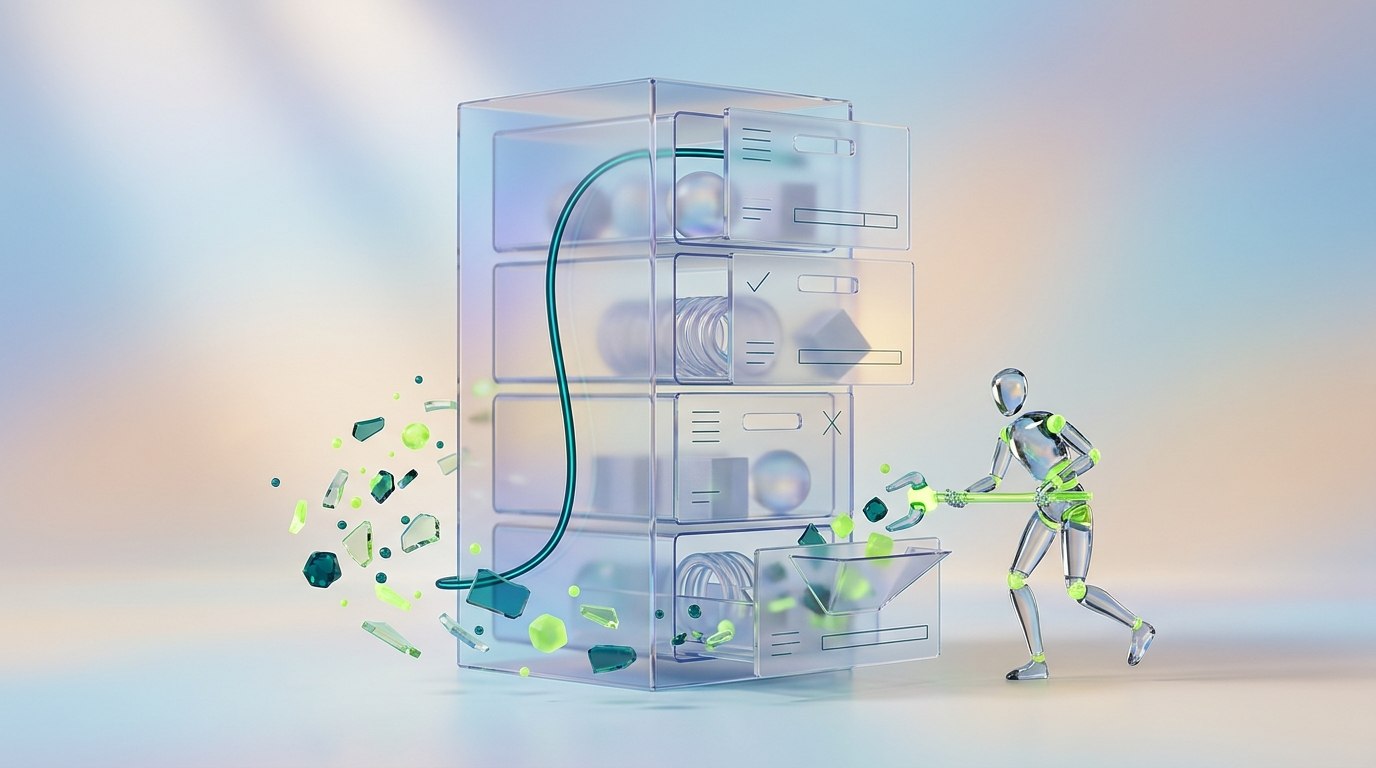
Ask a team where their product data lives and they'll name a PIM — Akeneo, Salsify, inRiver, Pimcore. Fair enough. A PIM is a great place to store product data: one schema, one source of truth, clean handoffs to every channel.
But here's the question nobody likes answering: who actually fills it?
A PIM is a system of record, not a system of work
A filing cabinet doesn't write the documents. A PIM doesn't gather a missing spec sheet, normalize twelve suppliers' messy exports into one taxonomy, write a differentiated description, attach a Prop 65 warning, or notice that half your SKUs are missing a GTIN. It holds whatever you put in — and faithfully syndicates your gaps to every channel downstream.
So the work lands on people. Analysts copy-pasting from supplier PDFs. A contractor in a spreadsheet. A category manager who "owns" 40,000 SKUs and touches maybe 200 a quarter. The PIM looks full. The data underneath is thin.
The gap is widening, not closing
Two things are pulling more demand through that gap at once:
- More SKUs, more attributes. Every channel wants richer structured data — more fields, deeper taxonomy, tighter compliance.
- Machines are the new audience. AI answer engines and agentic checkout read your feed directly. Thin data isn't just an internal annoyance now; it's the reason a model never surfaces you.
The manual approach didn't scale when humans were the only readers. It definitely doesn't scale now.
Fill the cabinet, don't just buy a bigger one
The fix isn't another system of record. It's a system that does the work a PIM assumes already happened — pulling data from suppliers and the open web, normalizing it to your schema, enriching every SKU, and flagging what's wrong — then writing the result back into the PIM you already own.
That's the line we draw at Anglera: PIM stores the data; Anglera does the work. Keep your filing cabinet. Just stop expecting it to file itself.
Update, October 2026: Gartner’s new PIM Magic Quadrant lists 17 features a PIM should have. We sorted every one by what it does to a record, and none of them completes one.