
Catalog & PIM Ops
Why PIM implementations fail (and the failure that hides in the data)
PIM implementations fail from scope creep, no data owner, over-customised models, underestimated integrations and weak adoption, and most of all from bad data.
For
Catalog and content strategy for retailers competing for buyers and for AI shelf space.
PIM implementations fail from scope creep, no data owner, over-customised models, underestimated integrations and weak adoption, and most of all from bad data.
Prioritize SKUs to enrich by value times gap: score revenue, search demand, margin, returns and channel blockers, then multiply by how much data is missing.
Yes, when each AI-generated attribute traces to a source document and passes schema, conflict, and confidence checks. Untraced values need human review.
Stop editing supplier titles. Parse them into attributes, normalize units and abbreviations, then generate every title from one formula per category.

A product taxonomy decides which category a product belongs to; an attribute schema defines the fields every product in that category must carry.

Self-serve AI tools publish $0.30 to $0.75 per SKU; technical B2B items run several dollars each once review and upkeep count. Pricing models and the math.
A PIM stores, governs and publishes product data. Enrichment is the work of finding, extracting and validating the attribute values that fill it.
Running a PIM takes five roles: a product data owner, data stewards, catalog specialists, a PIM admin and an integration owner. Headcount hinges on enrichment.

Most PIM implementations take 2 to 6 months for a first release; enterprise multi-channel programs run 6 to 12 months. Data readiness sets the date.

PIM implementation runs about $30,000-$150,000 mid-market, often 50-200% of first-year licence, on top of licences from free to $300,000+ a year.

Offshore product data entry runs about $0.20 to $2.00 per SKU on published rate cards, at $4 to $8 an hour. QA, rework and spec changes decide the real cost.

Measure product data accuracy by checking a random sample of attribute values against a source of truth, then report the error rate with a confidence interval.
Deduplicate a product catalog in three passes: match on GTIN or manufacturer plus normalized MPN, fuzzy-match the rest, then human-review the ambiguous band.
Before a PIM migration: inventory sources, dedupe SKUs, normalize units and values, map to the target model, fill required fields, test-import, then load.
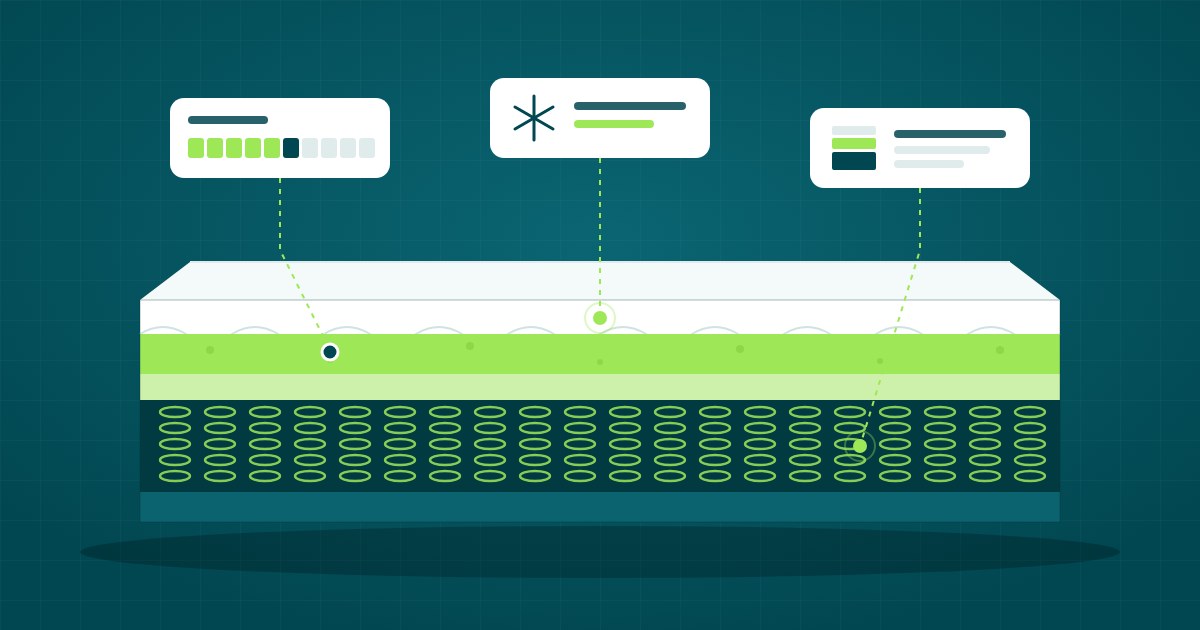
AI shopping assistants compare mattresses by reading fields, not by lying on them. Five product data priorities for mattress brands and retailers.
ASAP Network hands member dealers import-ready files for 303 aftermarket brands. Here is what that actually gets you, what it structurally cannot get you, and what to add.
A trail rider, an upfitter, a shop foreman, a fleet manager and a restorer ask five different questions about one part number. Network files answer the average. Here's what per-persona enrichment looks like.
Fitment data gets your part into the filtered result. It does nothing to decide between the four parts that all fit. That second layer is where aftermarket catalogs lose the sale.
PIM, enrichment, syndication, feeds, copy generation and digital shelf analytics solve six different problems and share one vocabulary. Here's how to tell which layer is actually blocking you before you sign anything.
Catalogs are organised in manufacturer language and shopped in buyer language. The gap shows up as null-result searches, unused facets, and products that answer engines never surface — and it's fixable in the attribute layer.

Ninety-odd terms from the AI search vocabulary, organized by where they bite in a real catalog — crawler access, rendering, retrieval mechanics, surfaces, the product record, feeds and protocols, entity trust, and measurement. Each term links to a full definition.
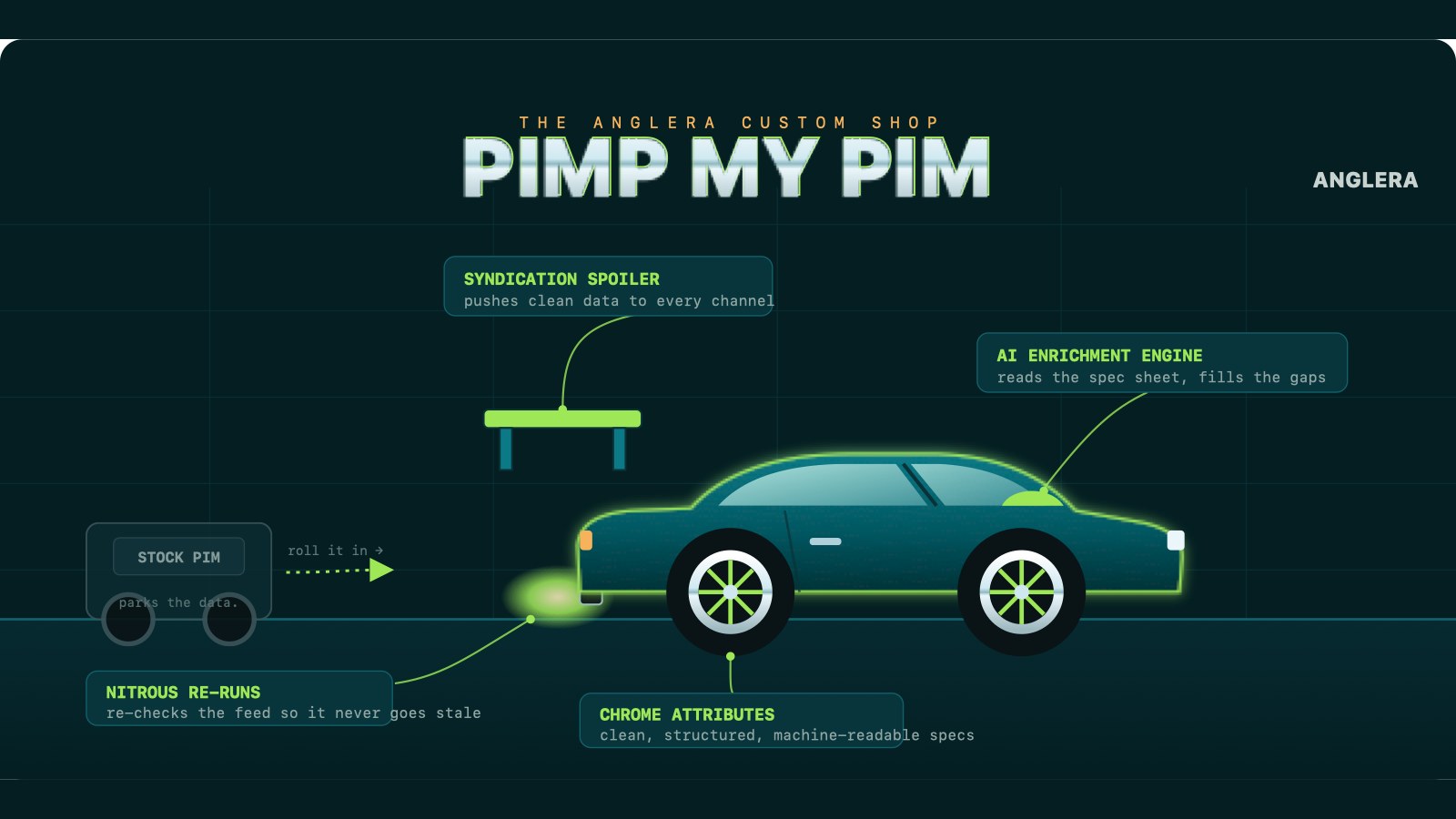
A PIM is a beautiful garage for your product data. It still won't fill the gaps, clean the specs, or push to every channel. Here's the tune-up it's missing.

AI shopping assistants retrieve products by noun phrase, not keyword. Here's the five-question anatomy of a product phrase — and the attribute column behind each answer.
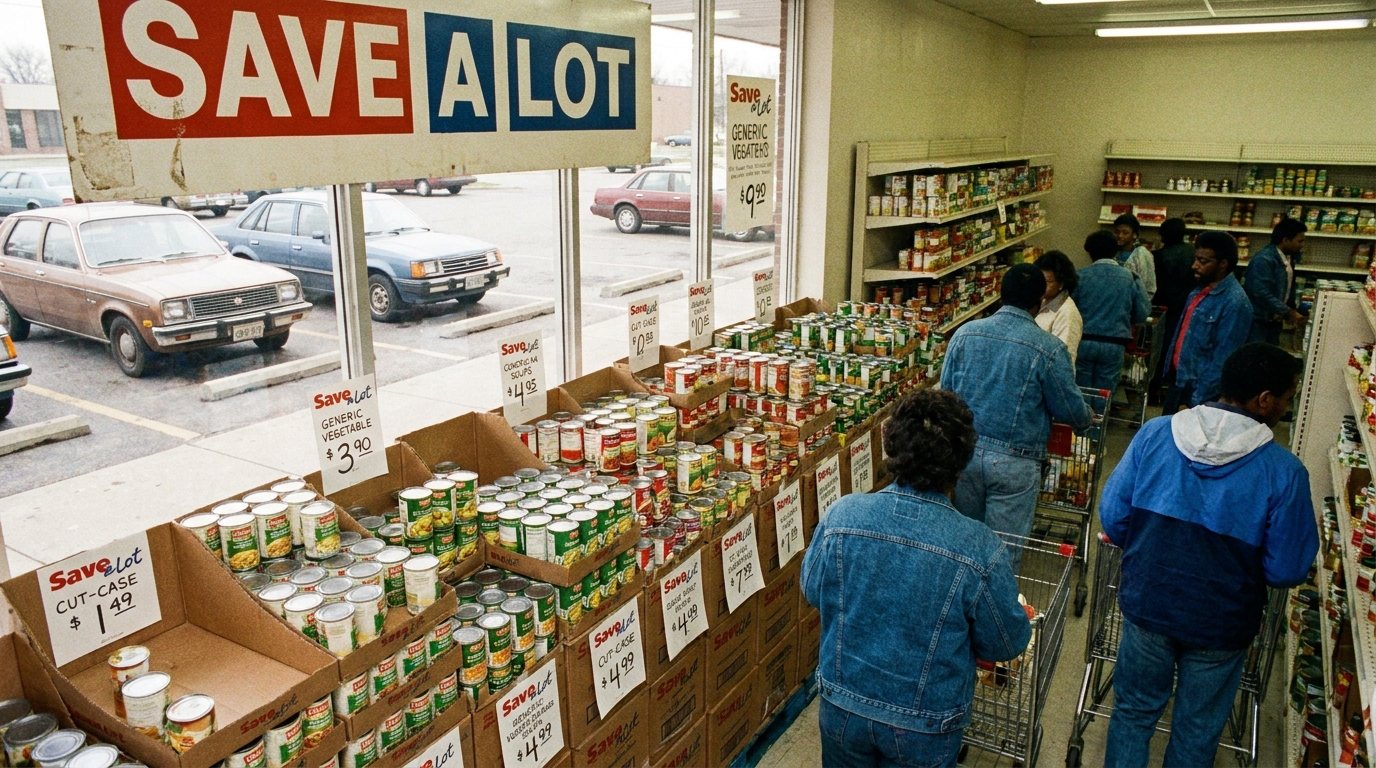
How Save A Lot went from a 1977 St. Louis discount grocer stacking cans in shipping boxes to a fully licensed wholesale network with 720 stores.
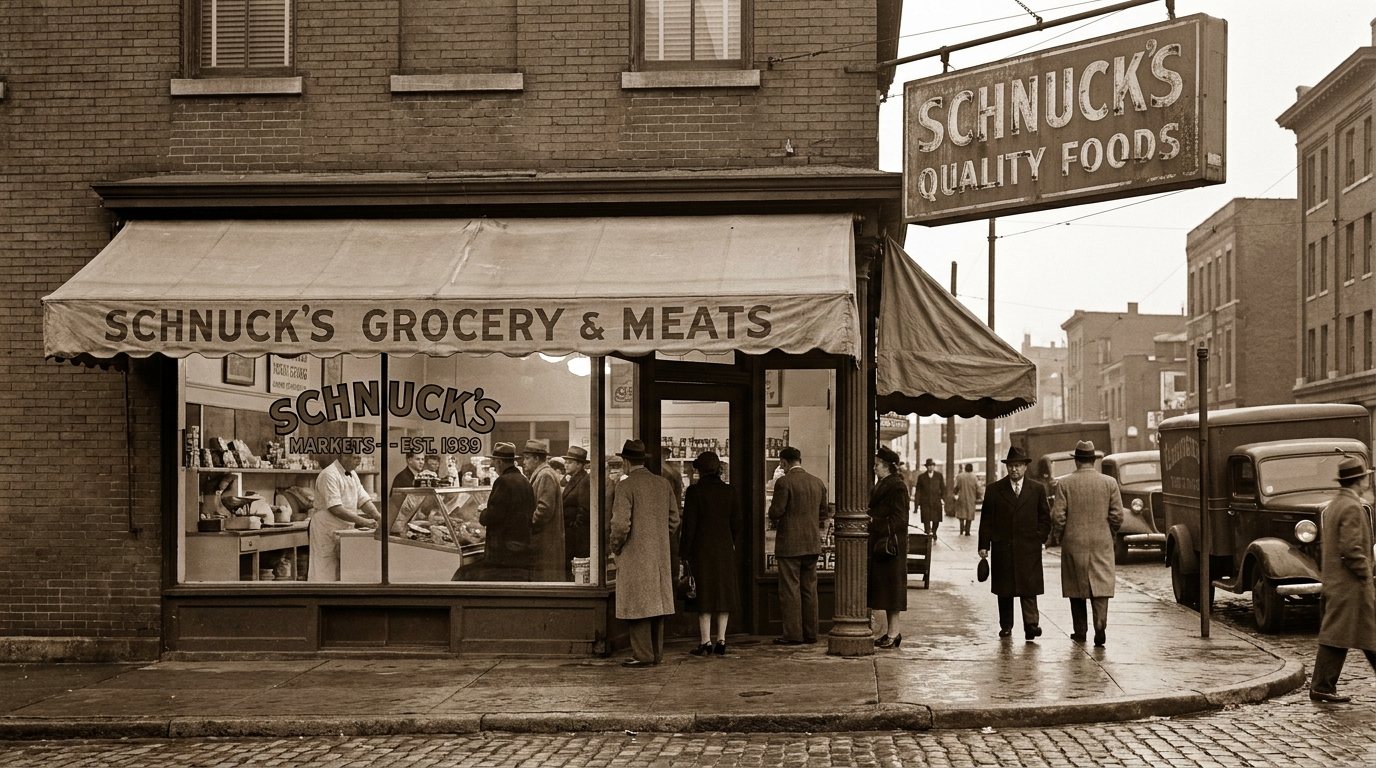
Schnucks grew from a St. Louis meat wagon and candy shop into a 164-store grocer, then built 1939 Group to hold Festival Foods and Hometown Grocers too.
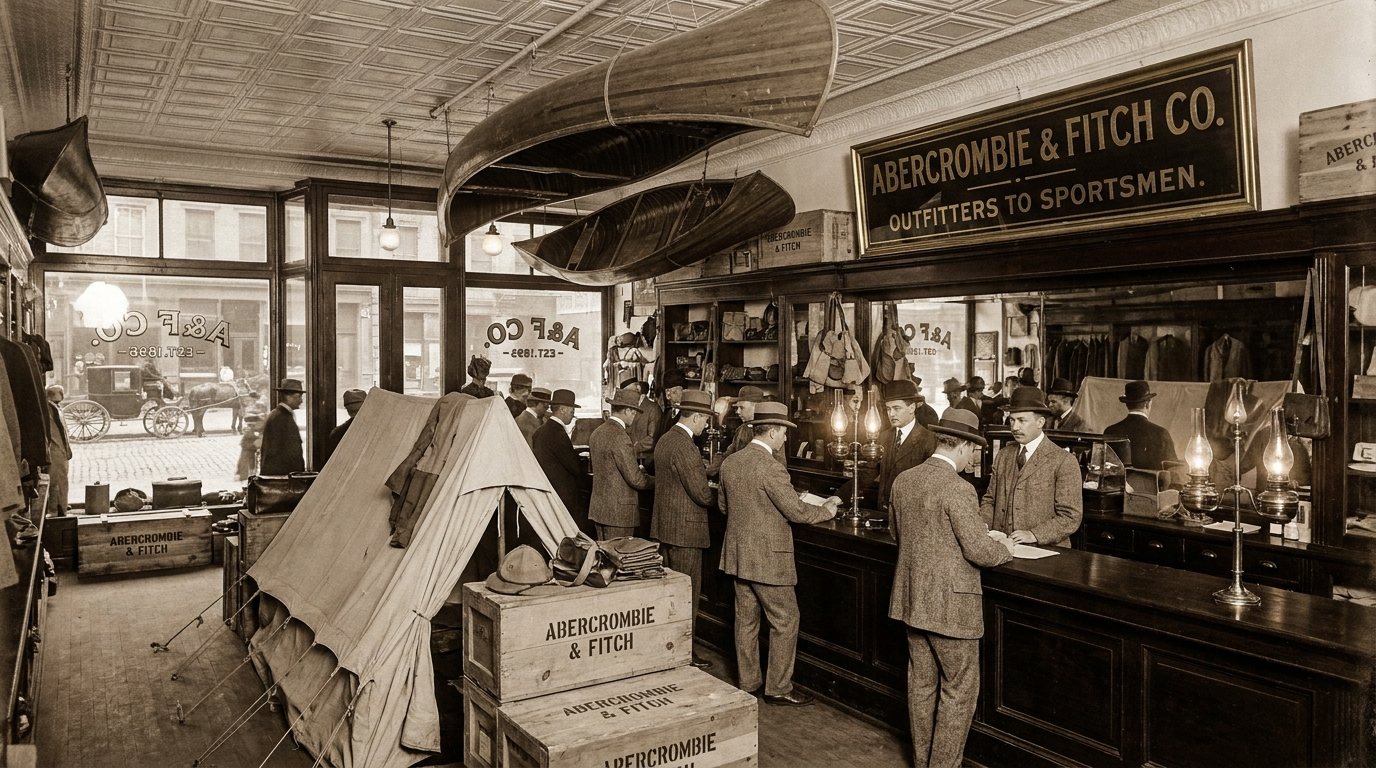
How a Manhattan gun-and-tackle outfitter for presidents and explorers became a teen mall giant, went bankrupt, and reinvented itself twice under one name.
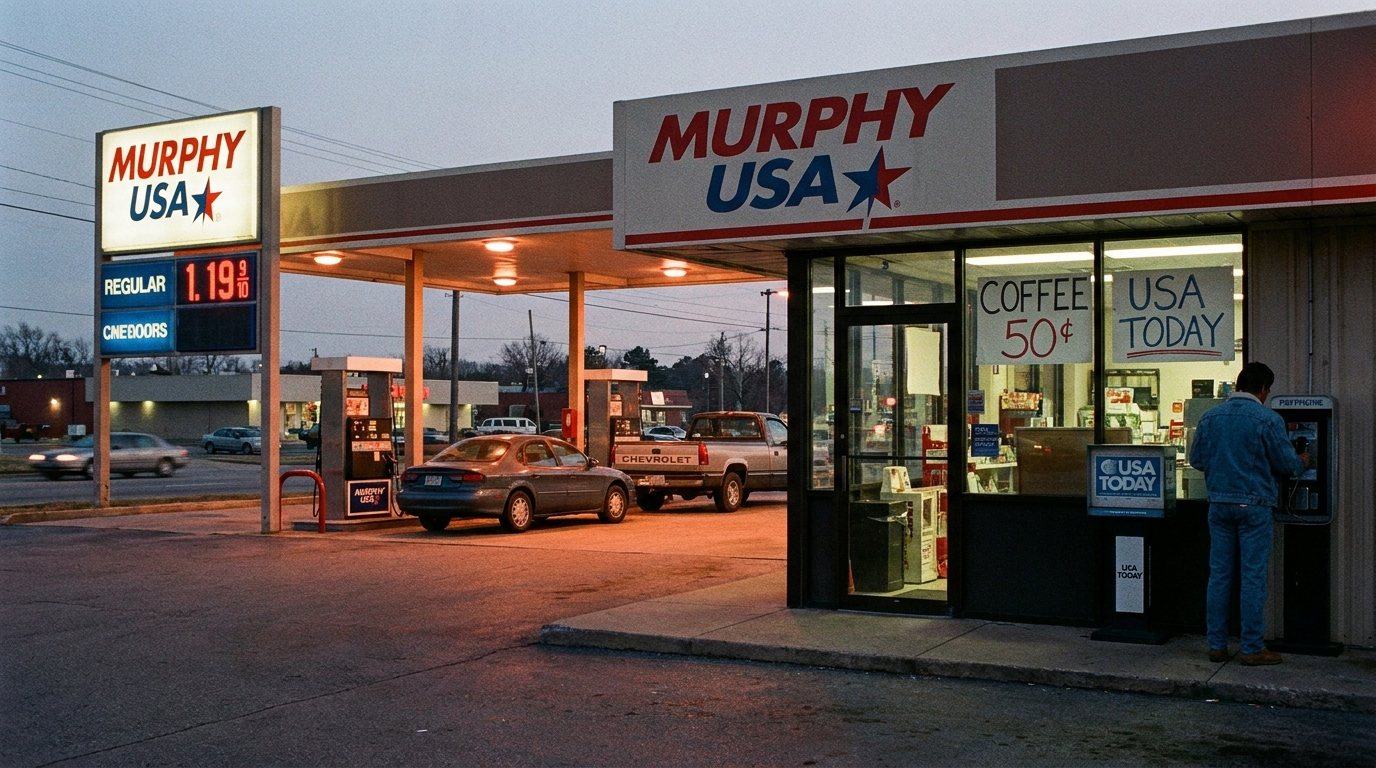
Murphy USA ranks #96 on NRF's 2026 Top 100 Retailers with $4.34B in sales. Here's how a lumberman's oil bet became a stripped-down fuel-retail machine.
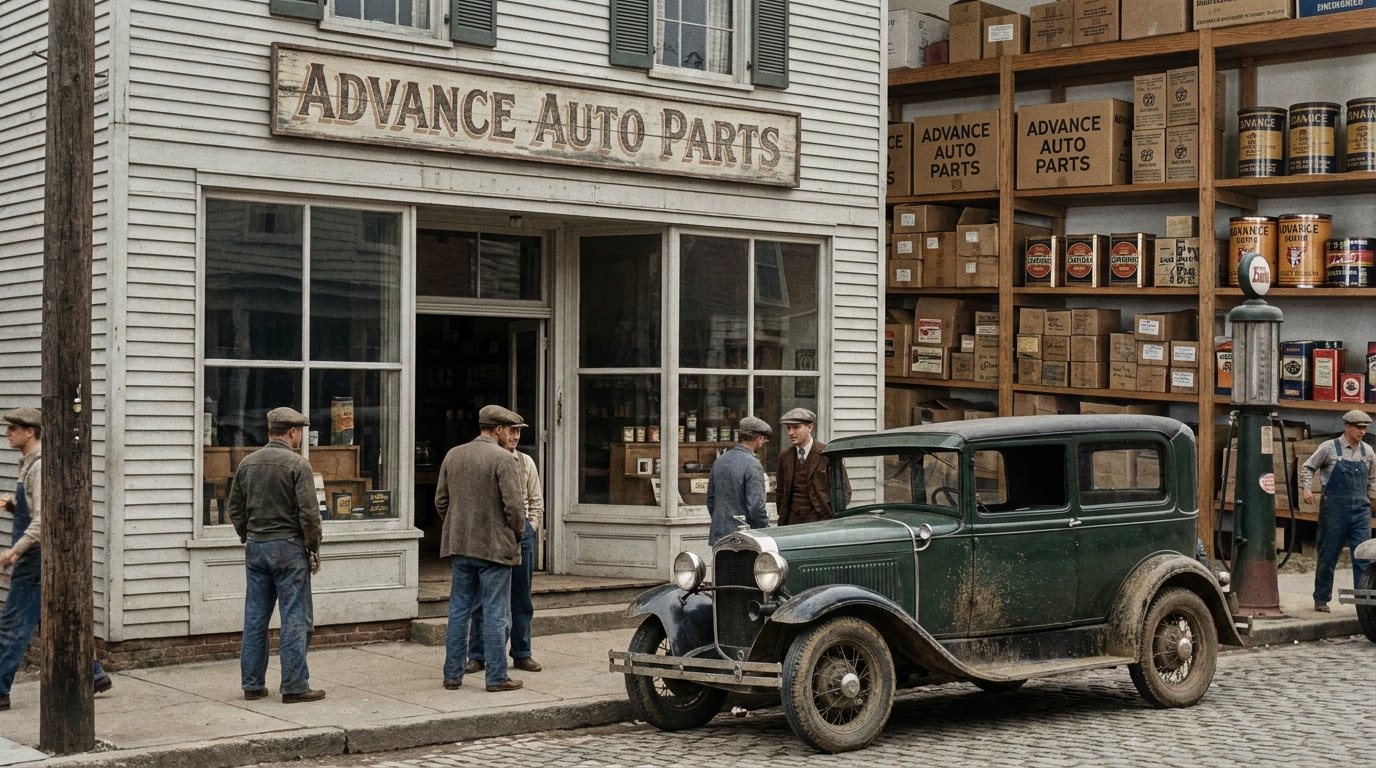
How a 1932 three-store gamble in Roanoke, Virginia, became Advance Auto Parts, No. 97 on NRF's 2026 Top 100 Retailers list with $4.30B in U.S. sales.
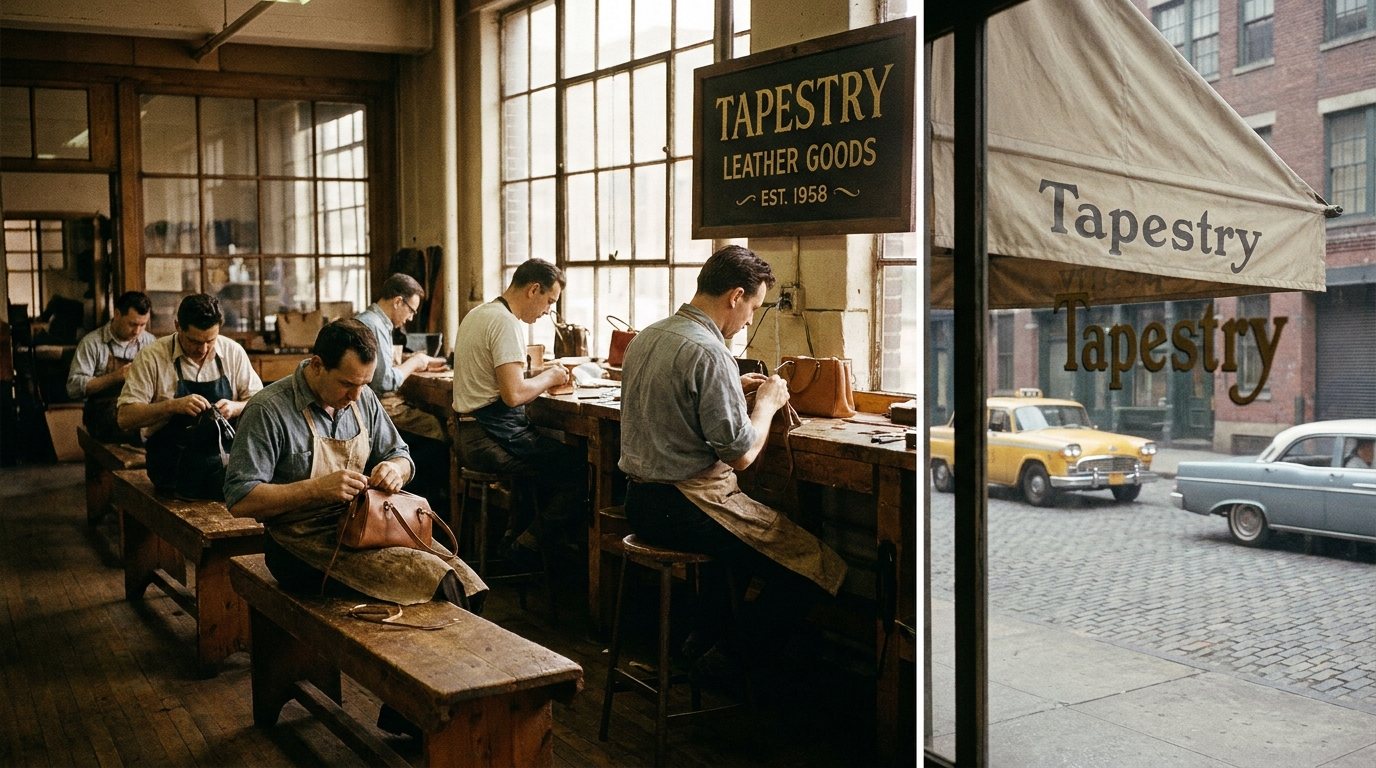
Coach began as a six-person loft workshop making wallets. Now parent Tapestry ranks #95 on NRF's Top 100, after an FTC fight reshaped its future.
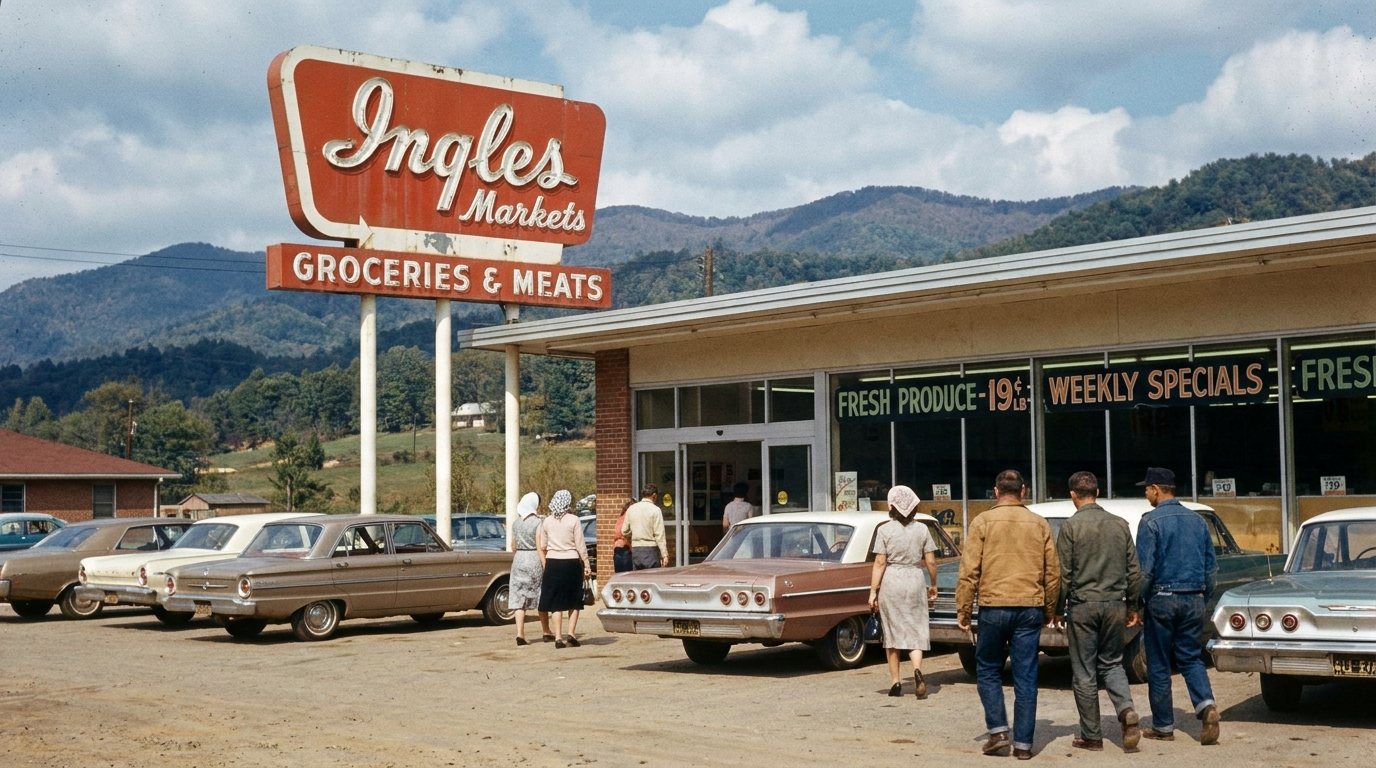
Ingles Markets ranks #94 on the NRF Top 100 Retailers. How a 1963 Asheville grocery startup grew by owning its stores, its milk supply, and its Appalachian niche.
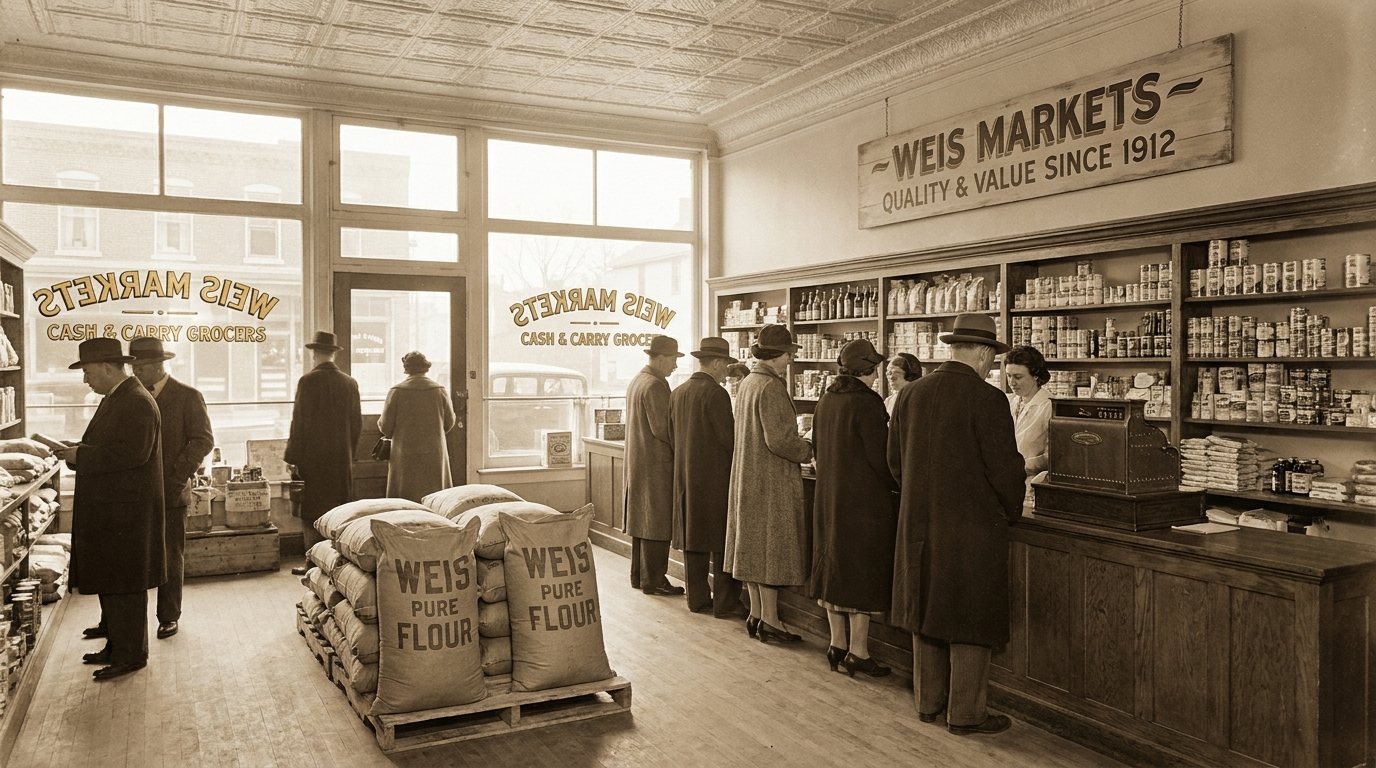
Weis Markets ranks No. 92 on the NRF Top 100 with $4.69B in 2025 U.S. sales. Here's how a debt-averse, family-run grocer from Sunbury built a century-long moat.
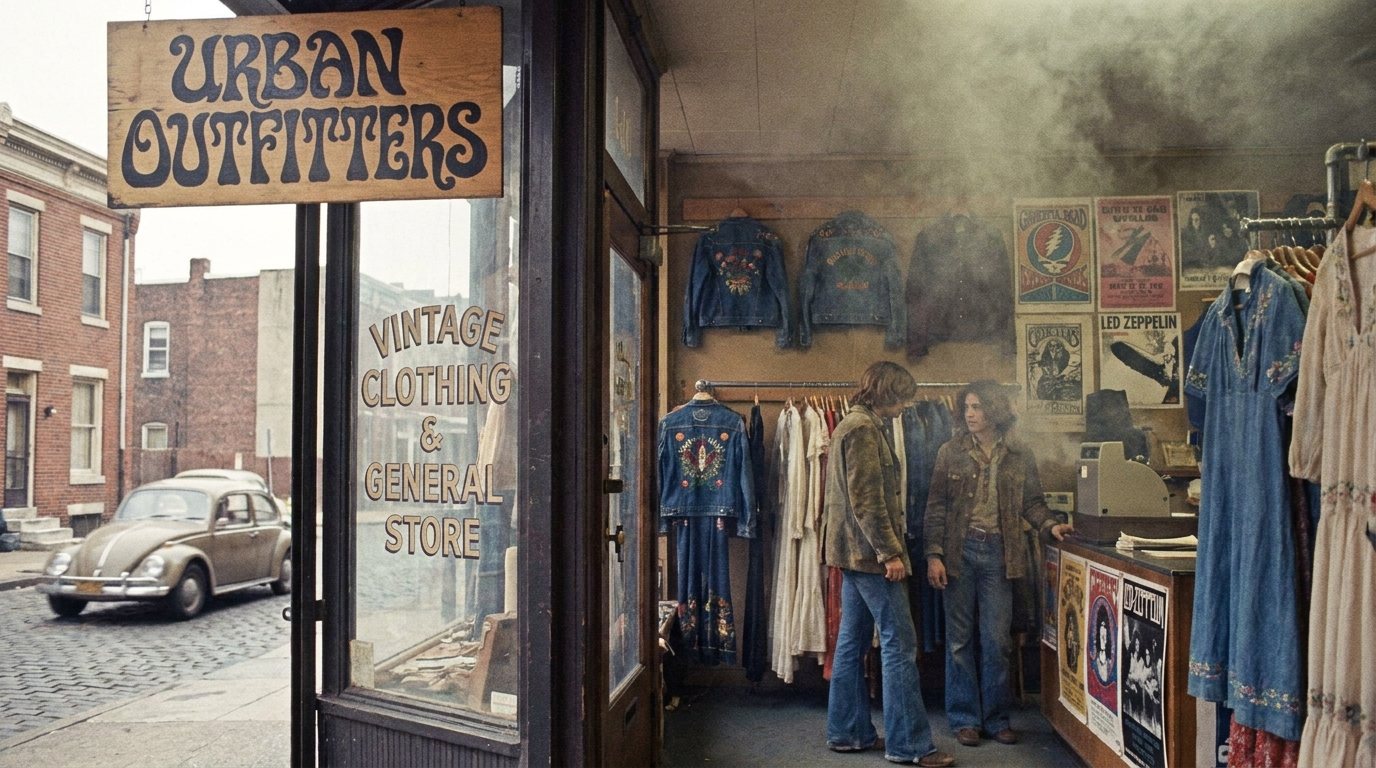
How a $5,000 class project at Penn became Urban Outfitters, a wholesale label that birthed Anthropologie, and a $4.63B apparel business on NRF's Top 100.
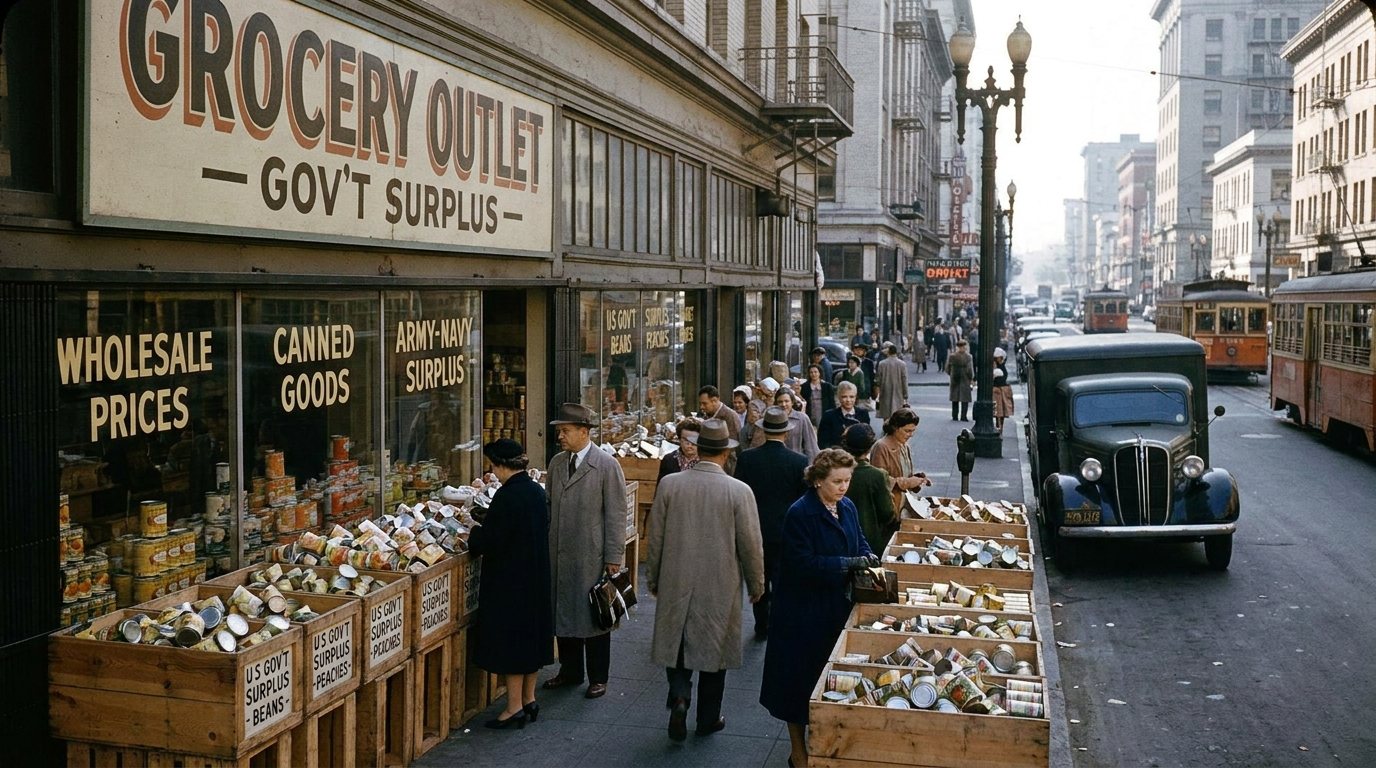
How a 1946 Army-surplus food stall in San Francisco became Grocery Outlet, the closeout grocer that turns retail's failures into its inventory strategy.
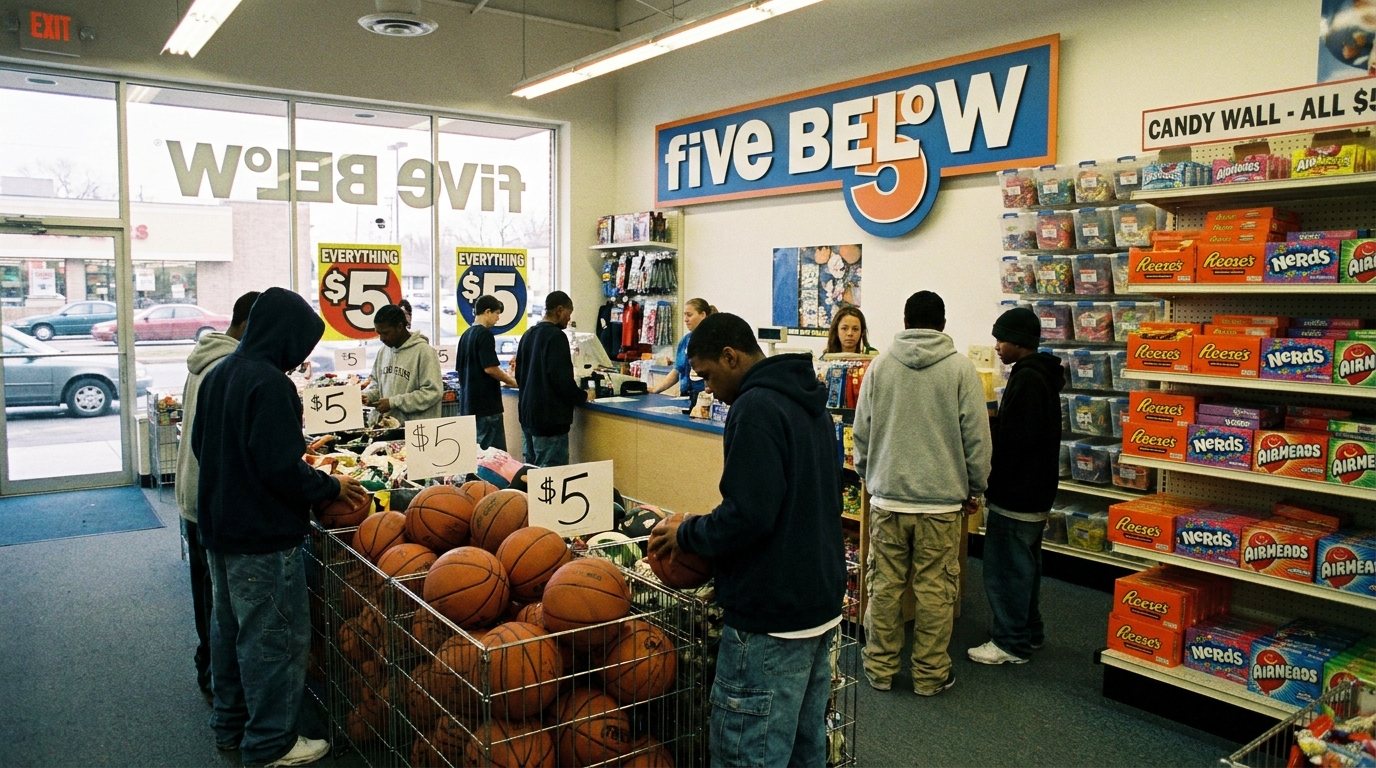
Five Below ranks #89 on NRF's Top 100 Retailers with $4.76B in sales. Its founders had already gone bankrupt twice before betting on stuff under $5.
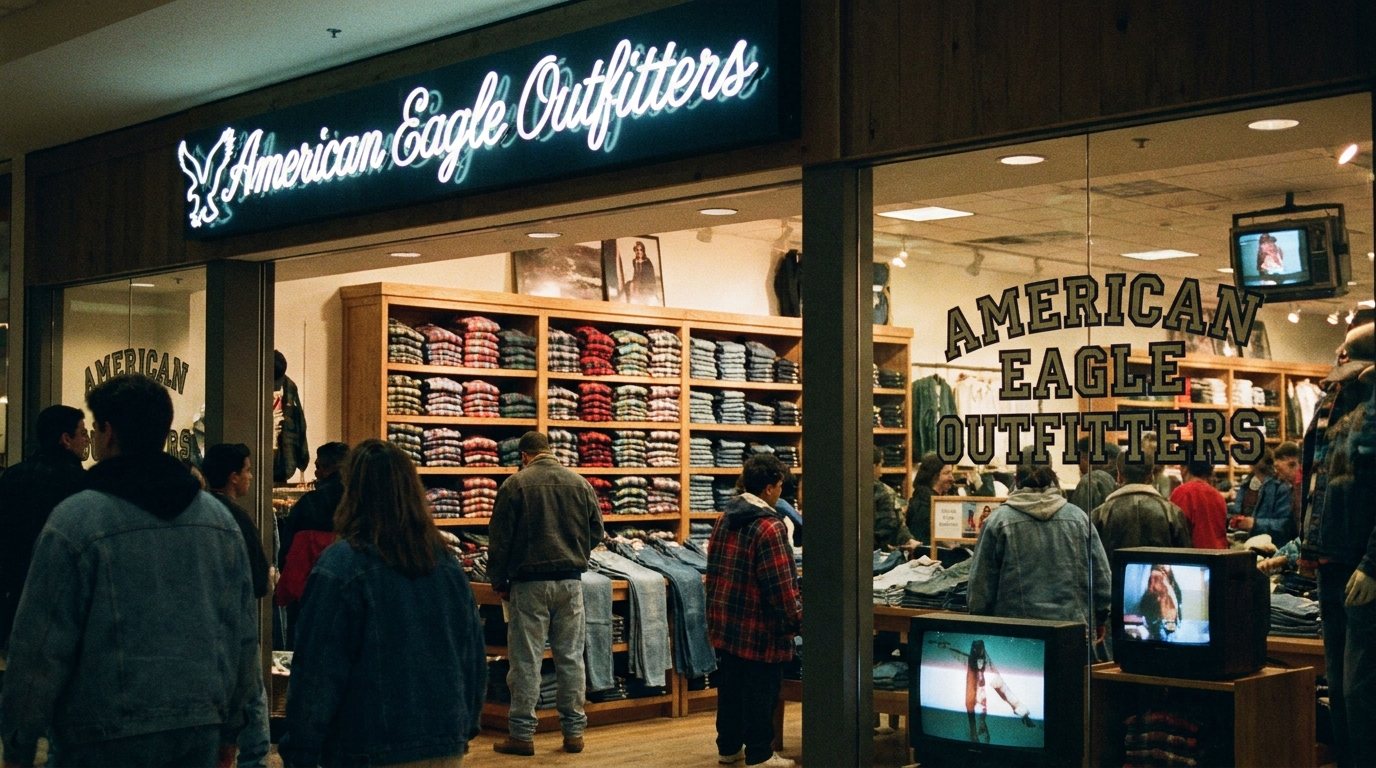
American Eagle Outfitters ranks #90 on NRF's Top 100 Retailers 2026 list. Here's how a camping-gear chain became a mall staple, then let its underdog brand lead.
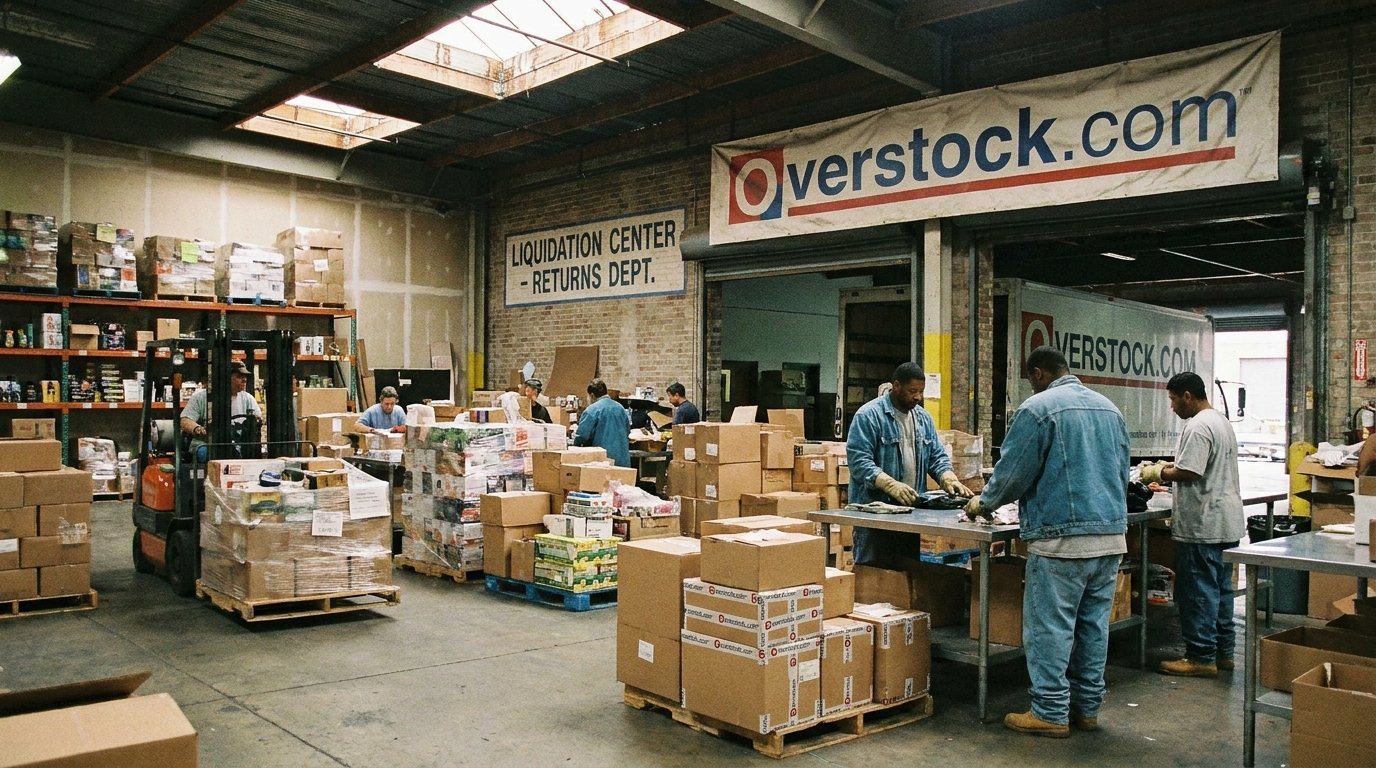
Overstock.com is #88 on the NRF Top 100 with $4.76B in 2025 U.S. sales. Here's how a dot-com bust liquidator became a serial brand-revival machine.
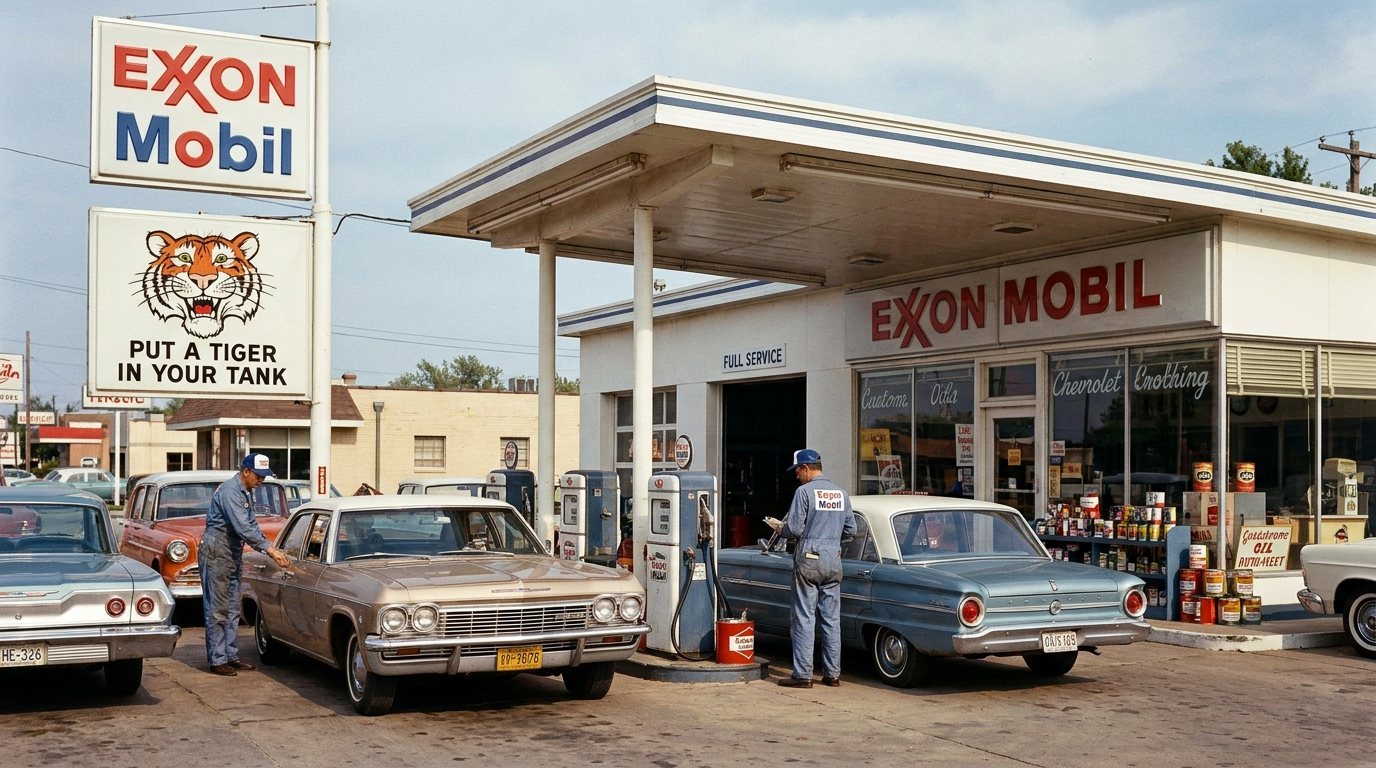
Exxon Mobil is No. 87 on NRF's Top 100 Retailers with $4.79B in U.S. sales. The century-long history behind the pumps, from Standard Oil to On the Run.
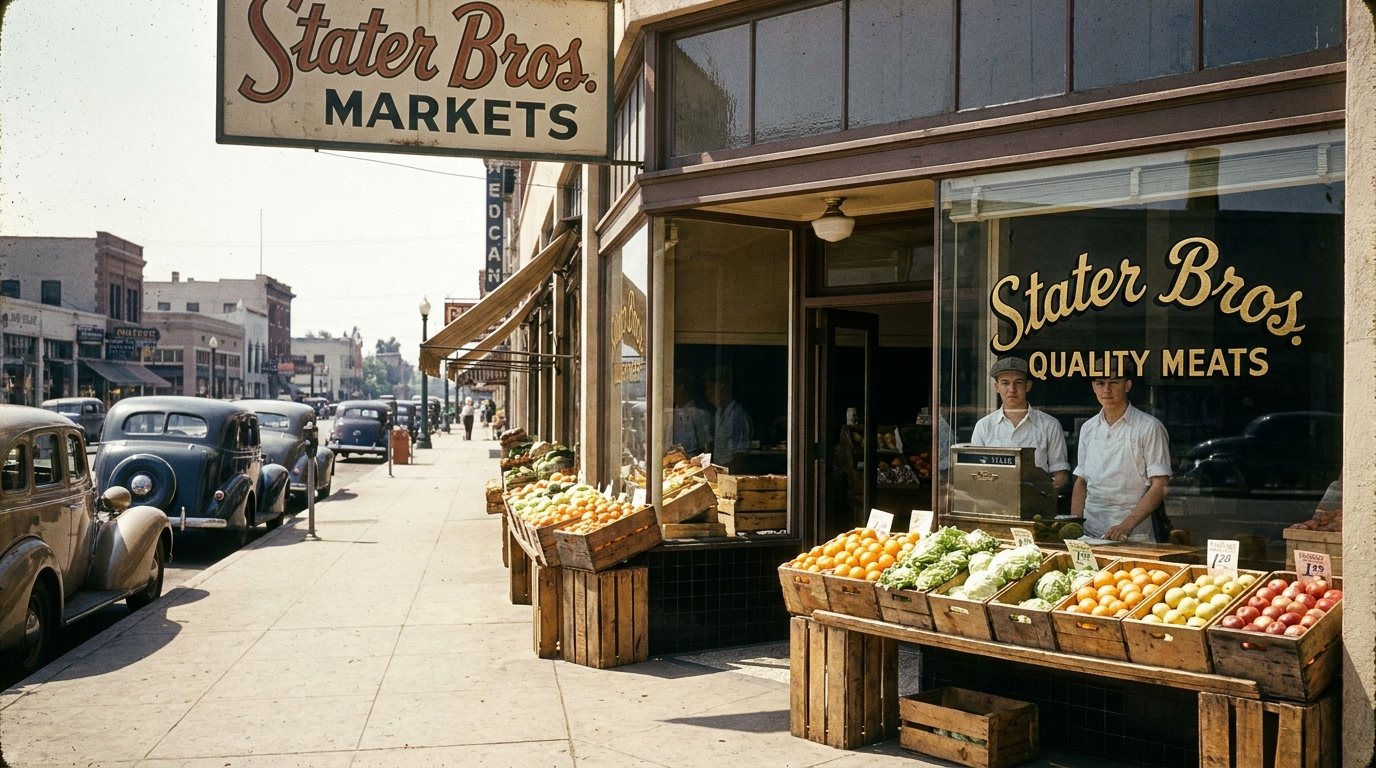
Stater Bros. ranks #86 on the NRF Top 100 with $4.81B in 2025 sales. The history behind twin founders, a union-backed proxy fight, and a strike it sidestepped.
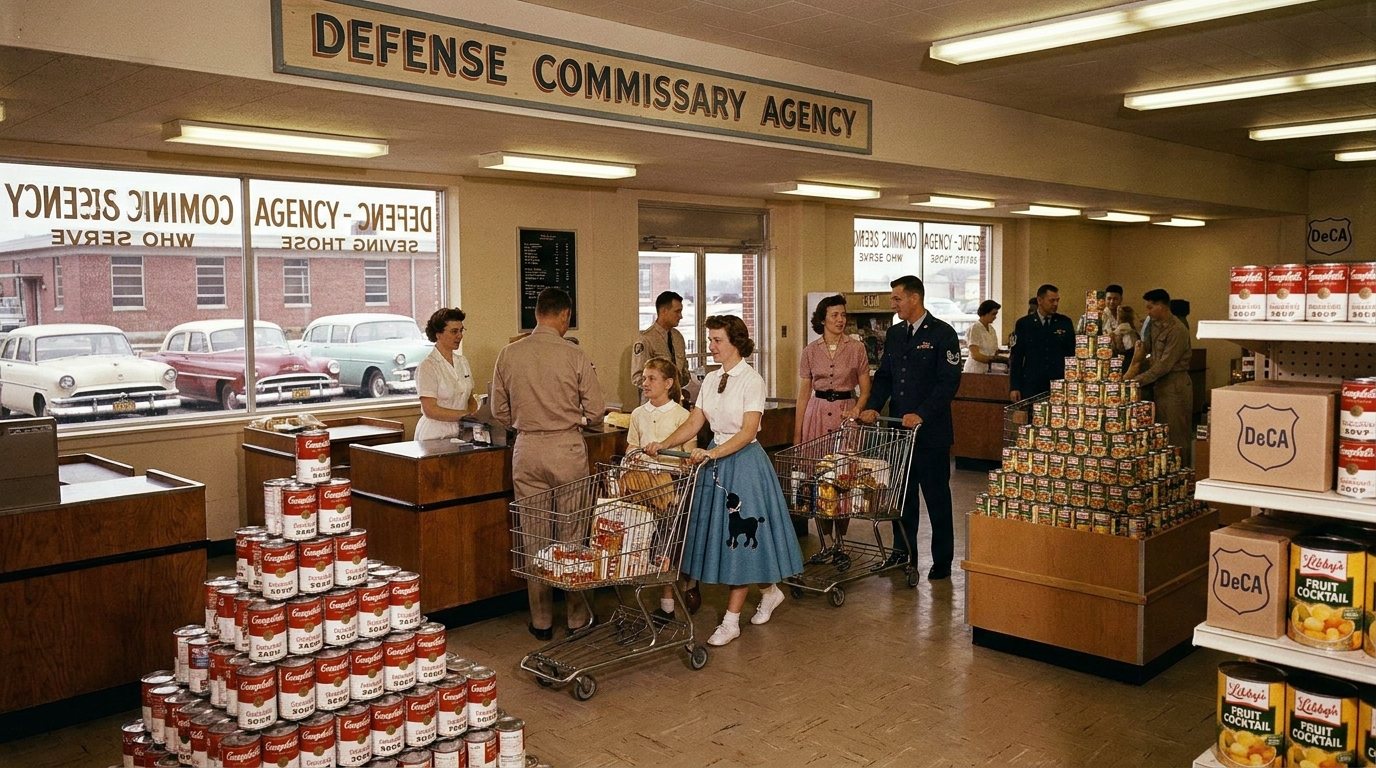
DeCA ranks #85 on NRF's Top 100 Retailers with $4.83B in sales. Its history reveals a grocery chain engineered to break even, not win margin.
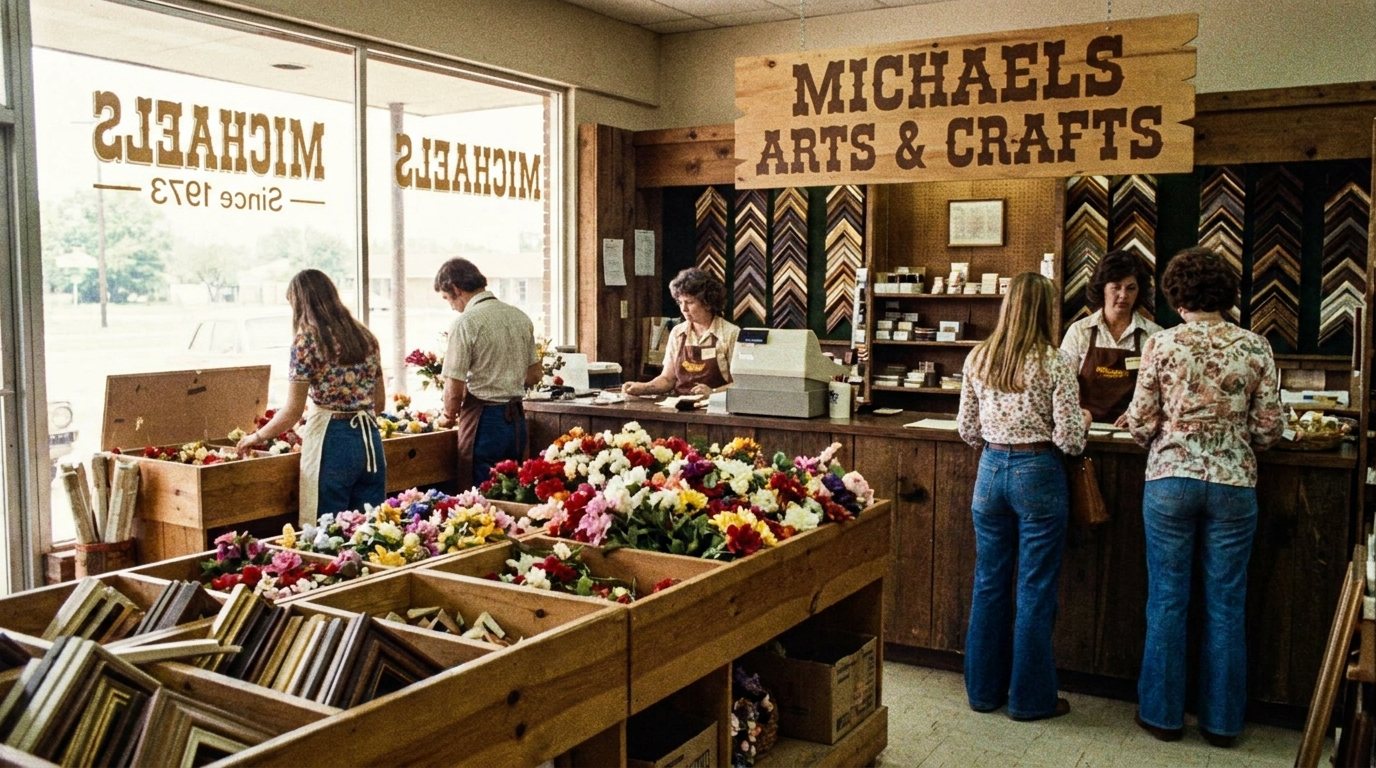
Michaels ranks #84 on NRF's 2026 Top 100 Retailers list with $5.29B in U.S. sales. Its five-decade history is a case study in absorbing failed rivals' stores.
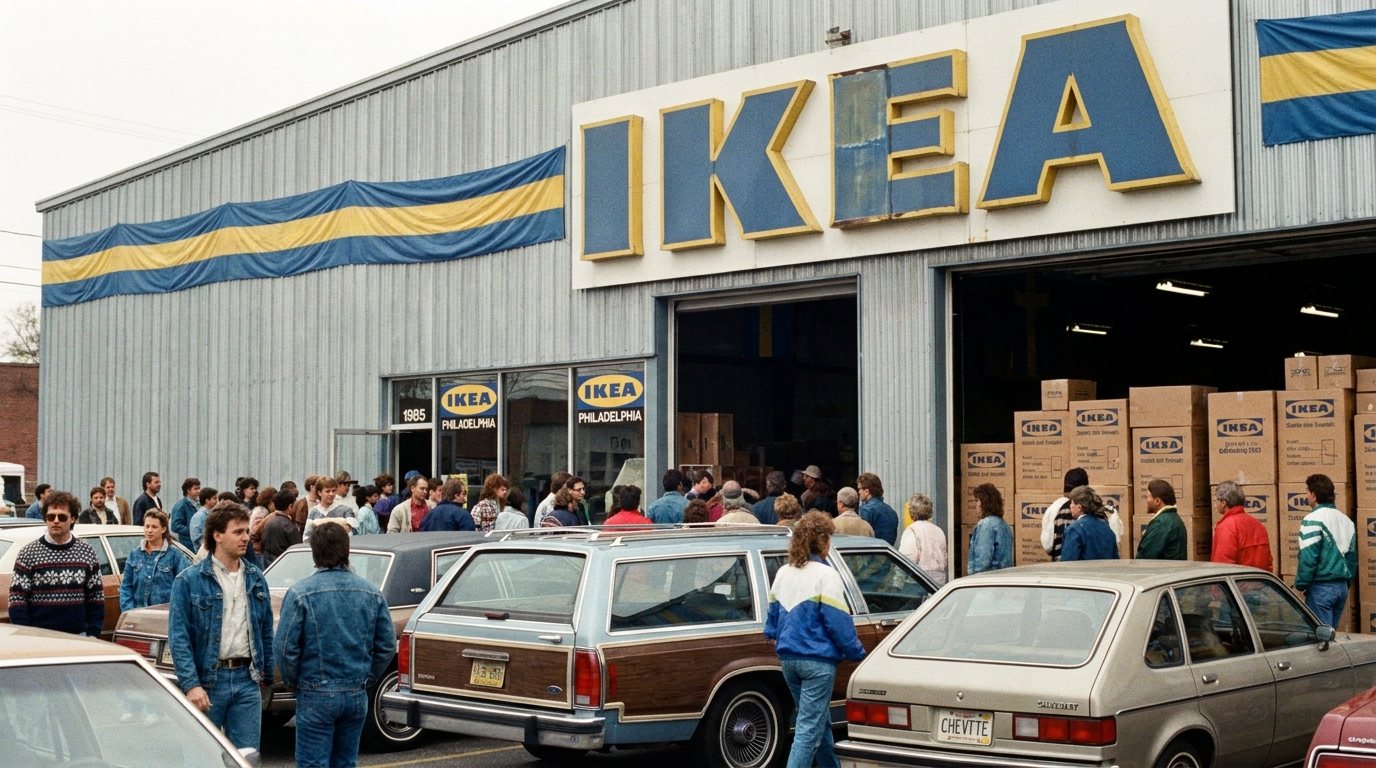
IKEA ranks No. 83 on NRF's Top 100 Retailers 2026 list. The history behind the flat-pack idea, a 1950s industry boycott, and a global retailer.
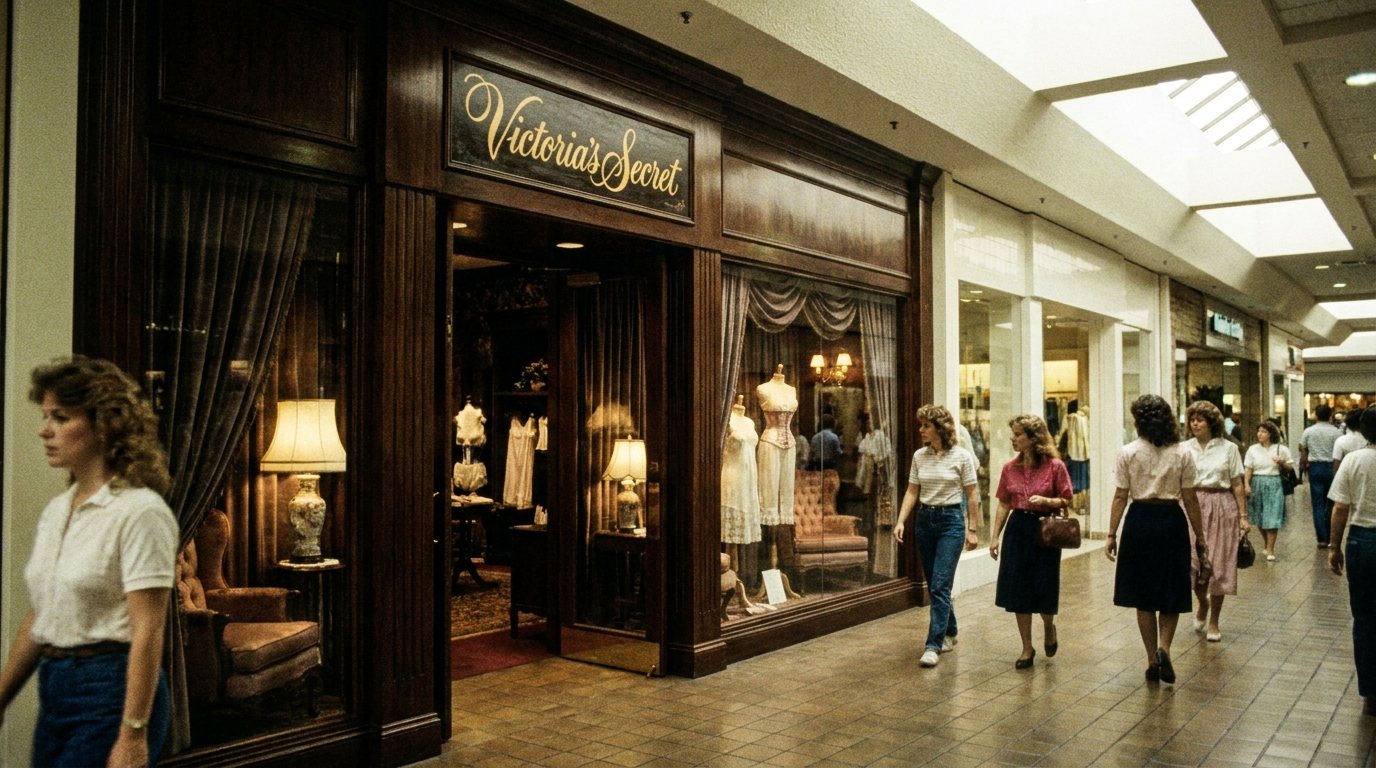
How a Stanford grad's embarrassment, a Columbus retailer's flip of the customer, and a decades-long identity crisis built Victoria's Secret into a retail giant.
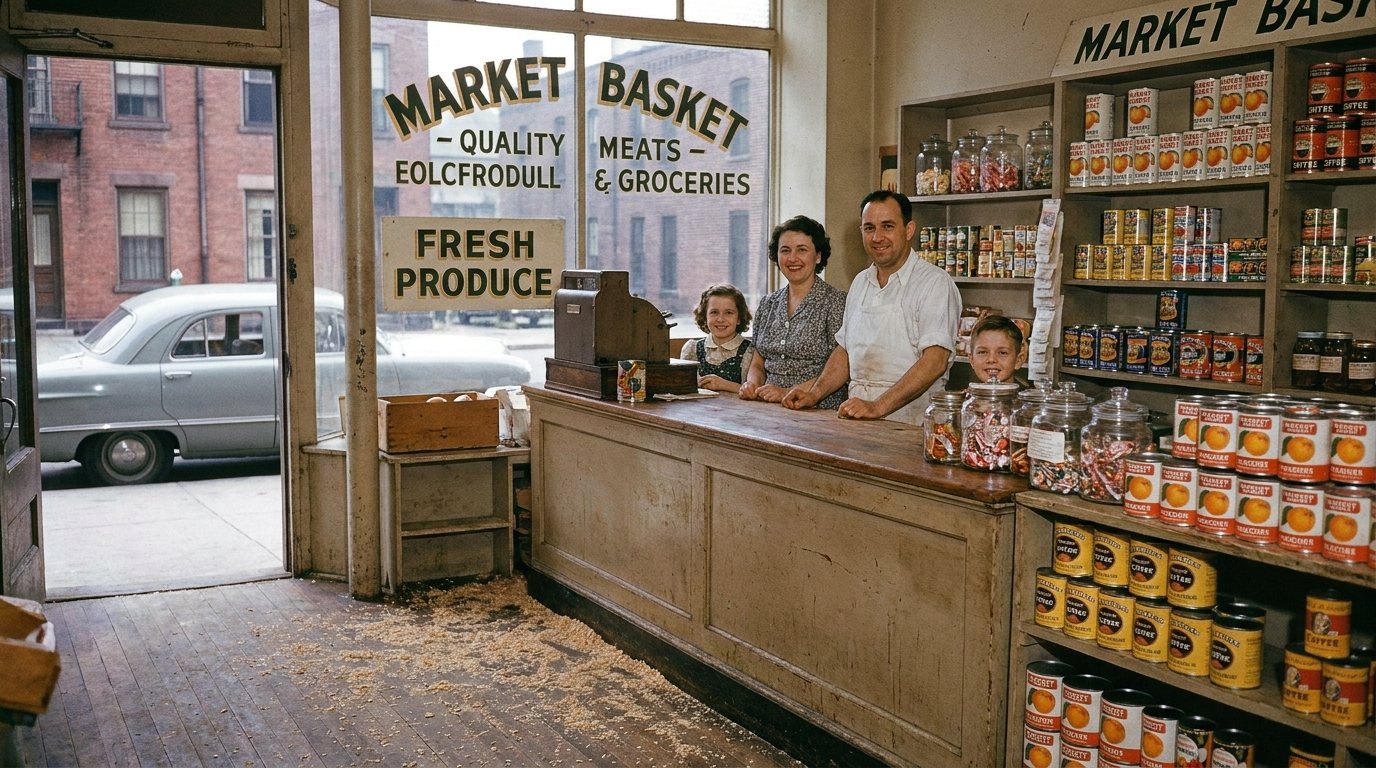
Market Basket ranks #81 on NRF's Top 100 with $5.54B in sales. Its history: a 1917 lamb butcher shop, a family feud, and the 2014 employee uprising.
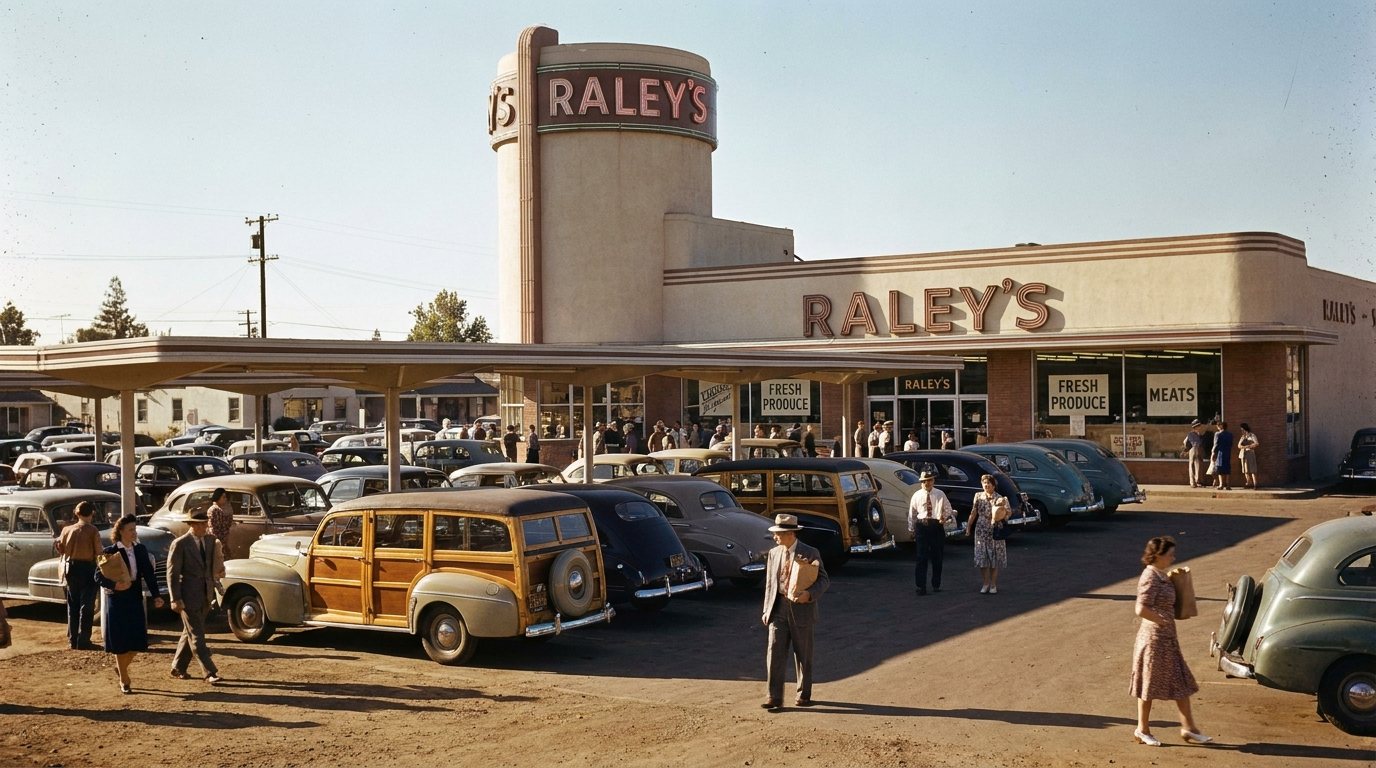
Raley's opened in 1935 with $121 and a mentor's credit line. Ninety years later it's family-owned, No. 80 on the NRF Top 100, still betting on independence.
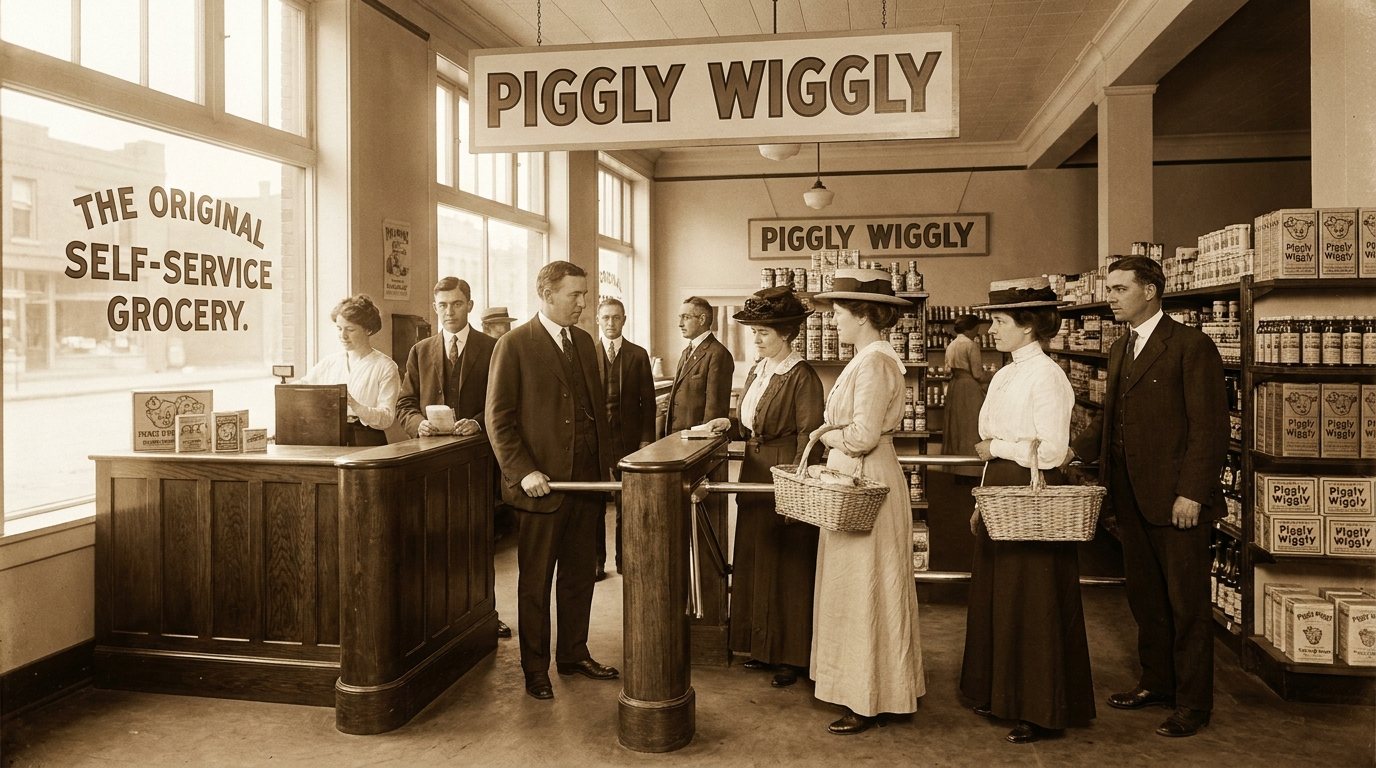
Piggly Wiggly ranks #78 on NRF's 2026 Top 100 with $5.85B in sales. Here is how a Memphis grocer invented self-service, then lost it on Wall Street.
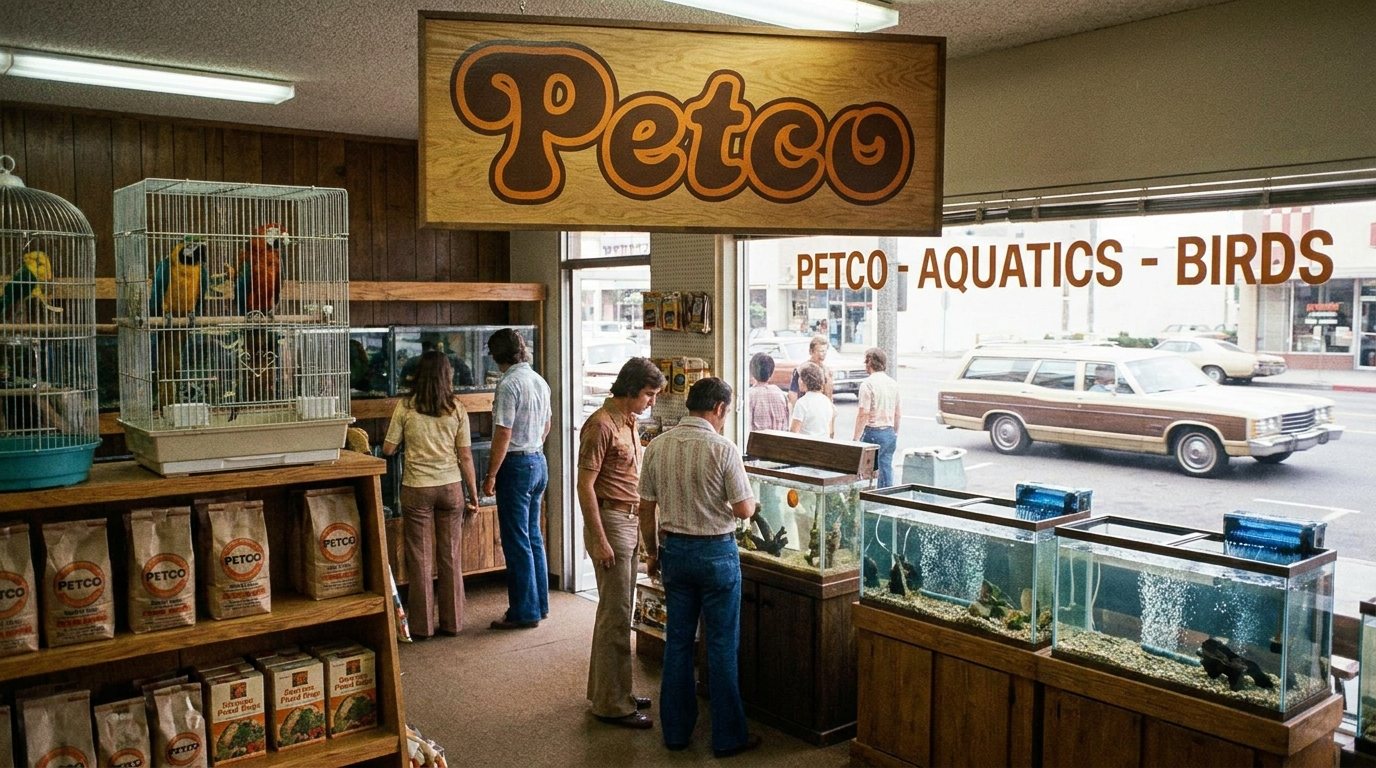
Petco ranks #79 on NRF's Top 100 Retailers 2026 with $5.77B in U.S. sales. Its real story: four public-private cycles that kept reinventing it.
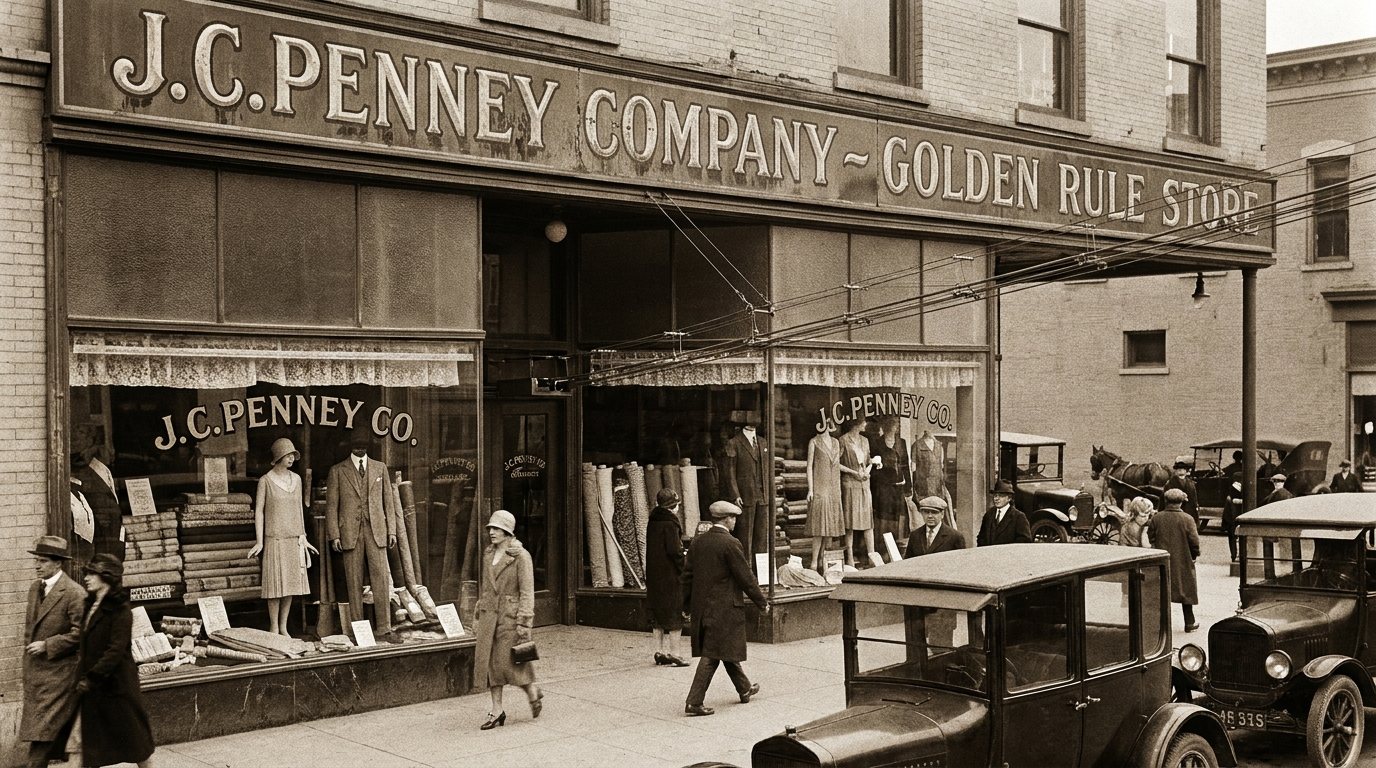
J.C. Penney is #77 on NRF's Top 100 Retailers 2026 with $5.96B in U.S. sales, and its no-credit founding rule built and later strained the company.
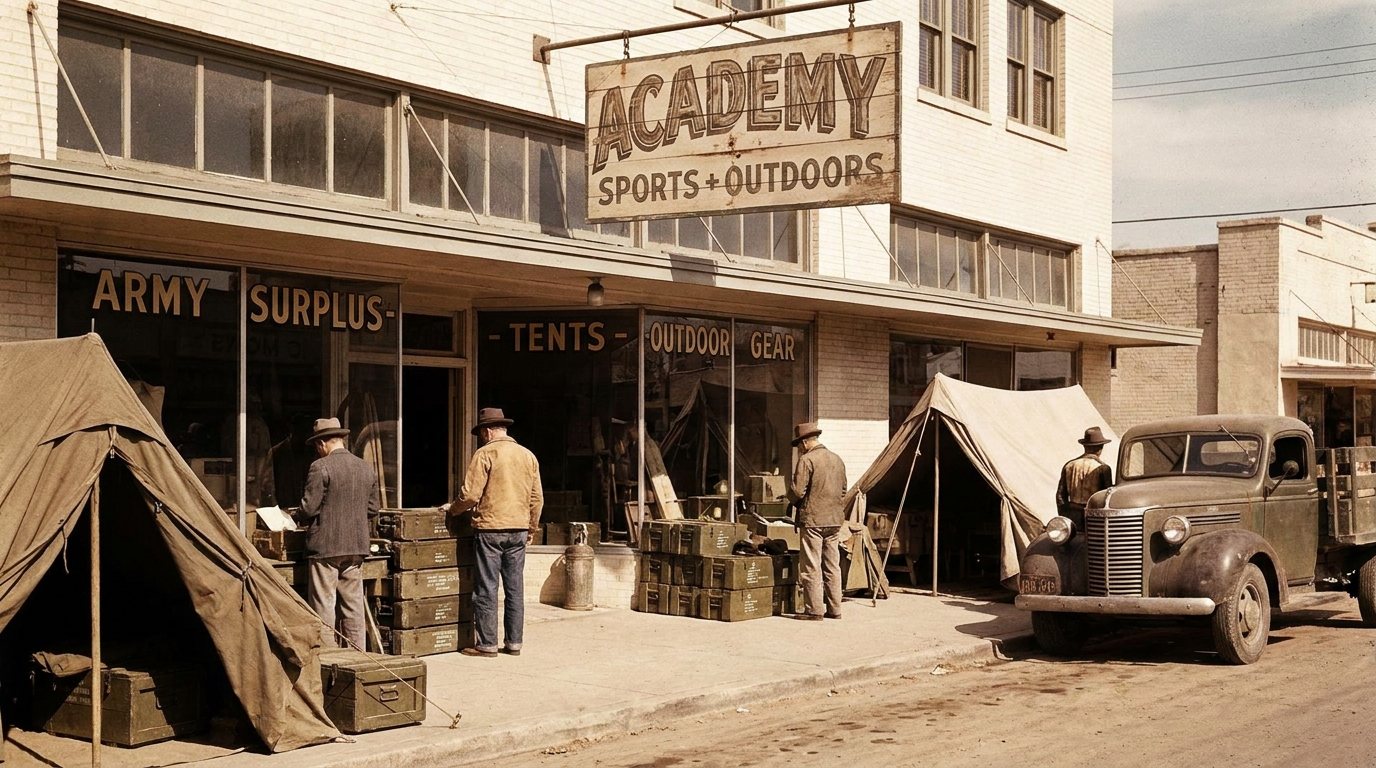
Academy Sports + Outdoors ranks #76 on NRF's Top 100 with $6.02B in 2025 sales. Here's how a San Antonio tire shop became a sporting-goods giant.
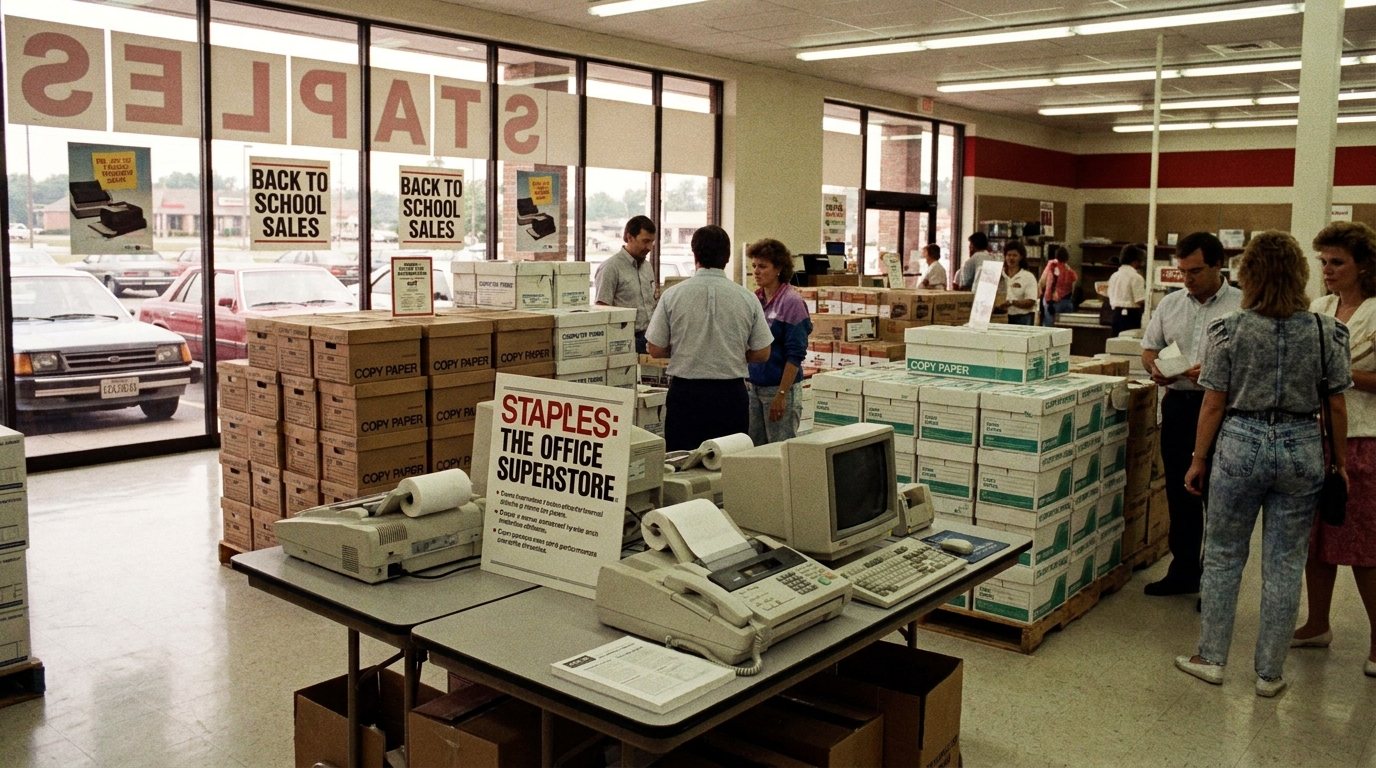
Staples ranks #75 on NRF's 2026 Top 100 with $6.10B in U.S. retail sales. The history behind the warehouse chain that split itself in two to survive.
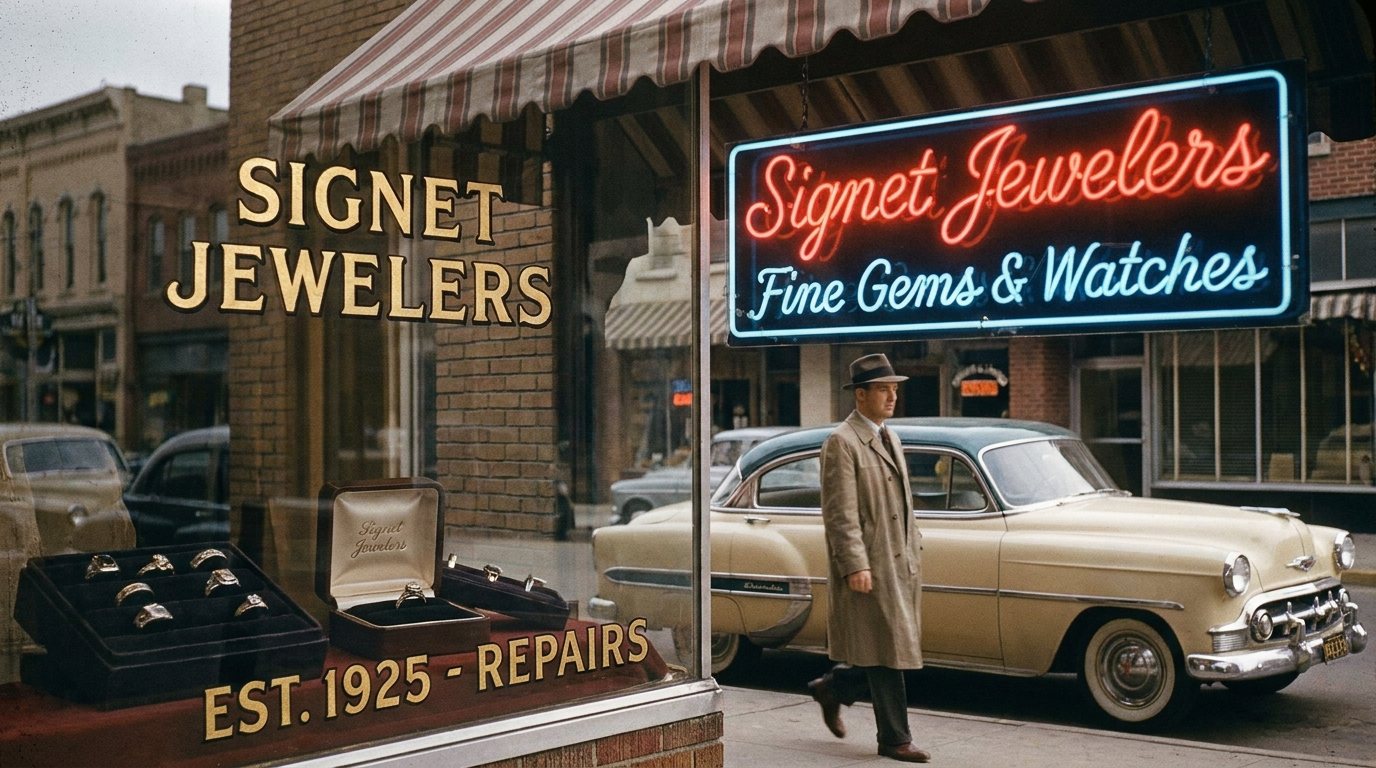
Signet Jewelers is #74 on NRF's Top 100 with $6.20B in 2025 U.S. sales. Its path to owning Kay, Zales, and Jared ran through a near-fatal joke.

Consumer electronics forecasts run on product attributes, not just sales history. See where thin or free-text specs quietly wreck accuracy.

Dillard's ranks #73 on the NRF Top 100 with $6.27B in 2025 U.S. sales. The history behind its family-run, real-estate-heavy path through a century of retail.
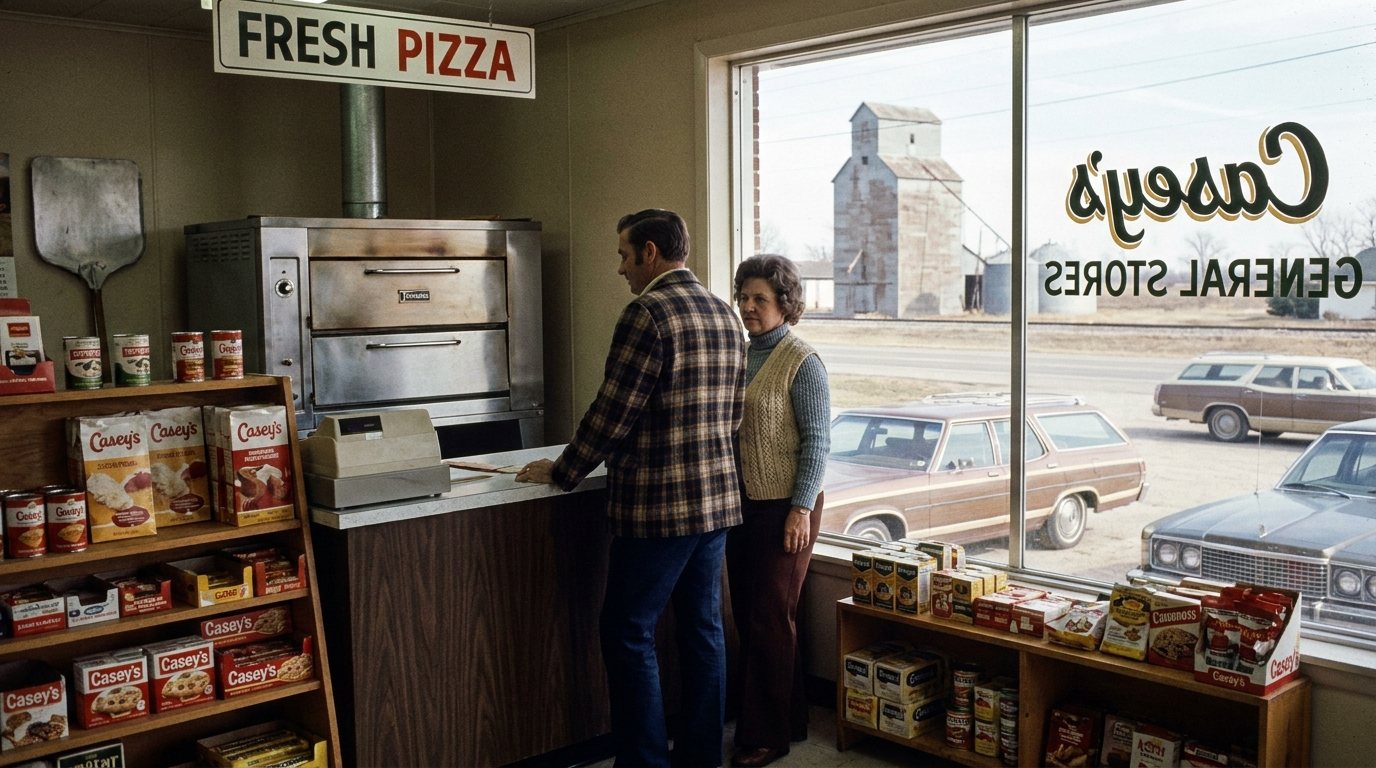
Casey's General Stores ranks #72 on NRF's Top 100 Retailers 2026. Here's how a rural Iowa gas-station chain became one of America's biggest pizza sellers.

Lululemon is #71 on NRF's Top 100 with $6.33B in 2025 U.S. sales. Its founder built the brand on Ayn Rand, lost it to one bad comment, then fought his way back.
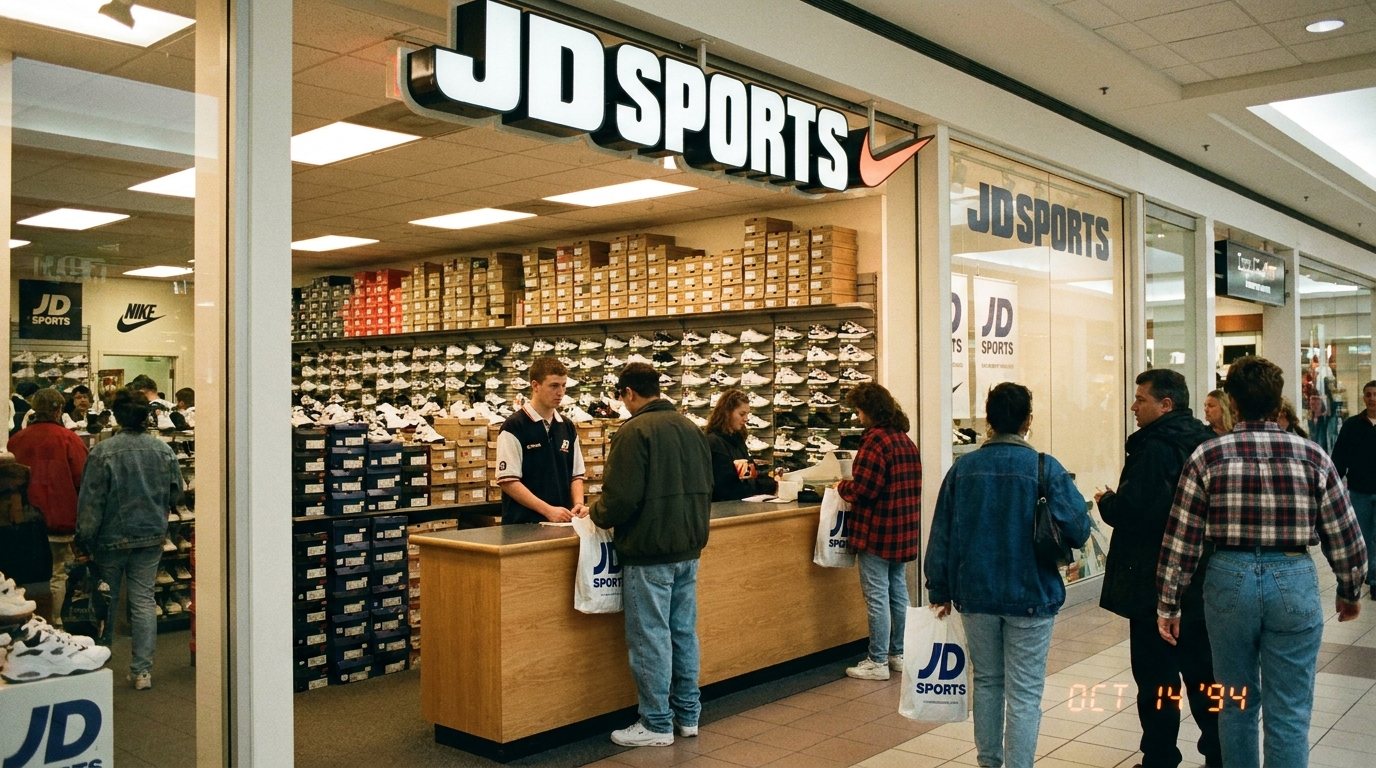
JD Sports ranks #70 on NRF's Top 100 Retailers 2026 with $6.37B in US sales, built almost entirely by acquiring Finish Line, Shoe Palace, DTLR, and Hibbett.

Style-level assortment reports hide the attribute gaps that actually decide sell-through. Here's how to find them and what the data has to look like first.
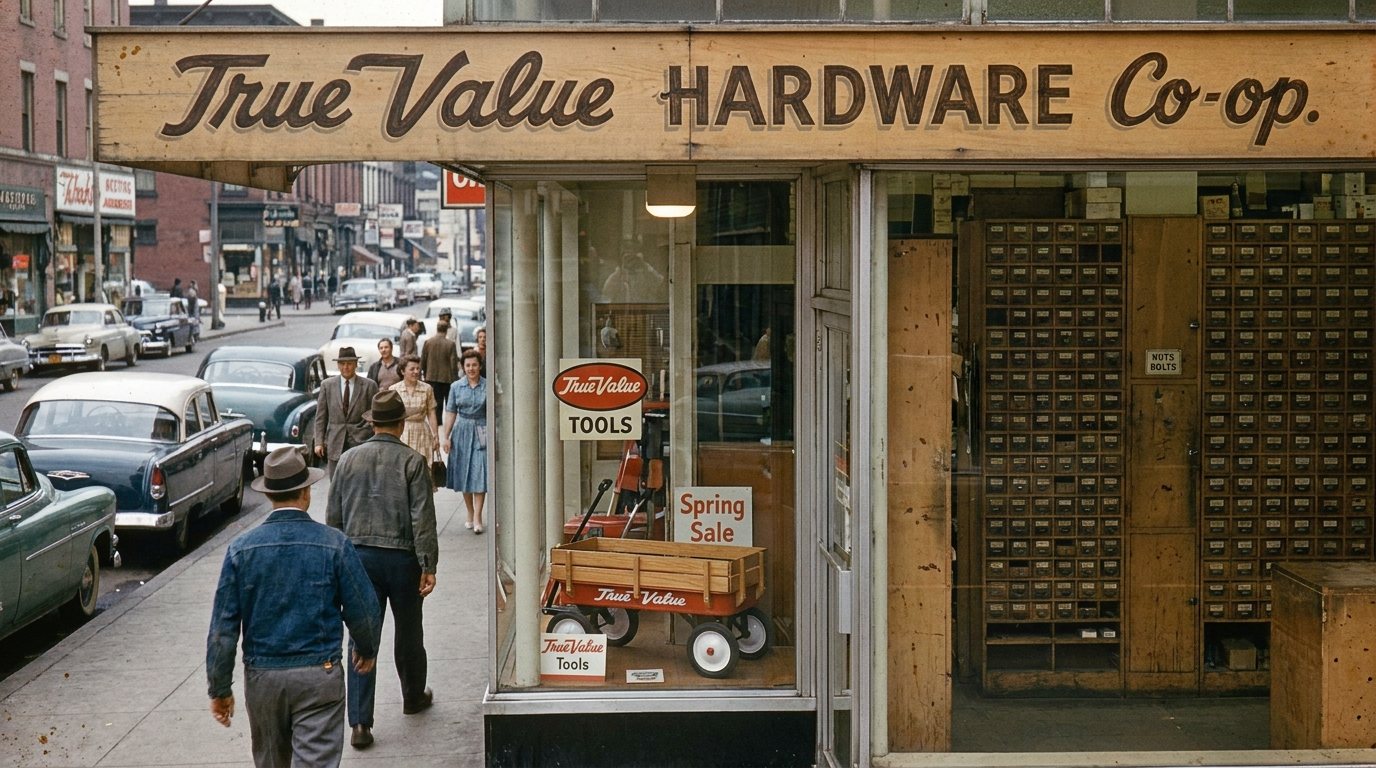
True Value ranks #67 on NRF's 2026 Top 100 with $6.47B in sales. The story behind it runs through a merger disaster, private equity, and a 2024 bankruptcy.
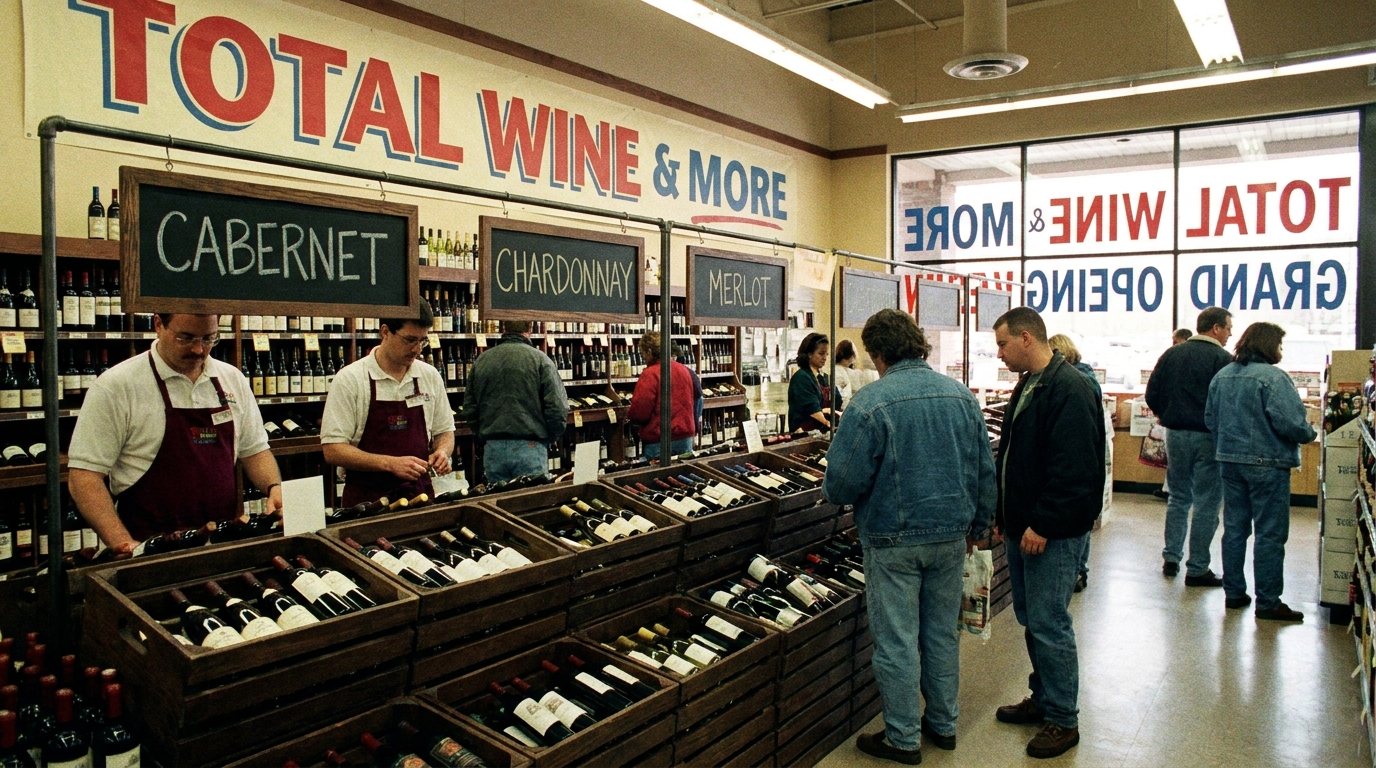
Total Wine & More is #68 on NRF's 2026 Top 100 with $6.39B in sales. The real story is two brothers who grew by fighting state liquor regulators.

Camping World ranks #69 on NRF's Top 100 Retailers 2026 with $6.37B in U.S. sales. Here is how a Kentucky camping-supply store built the industry.
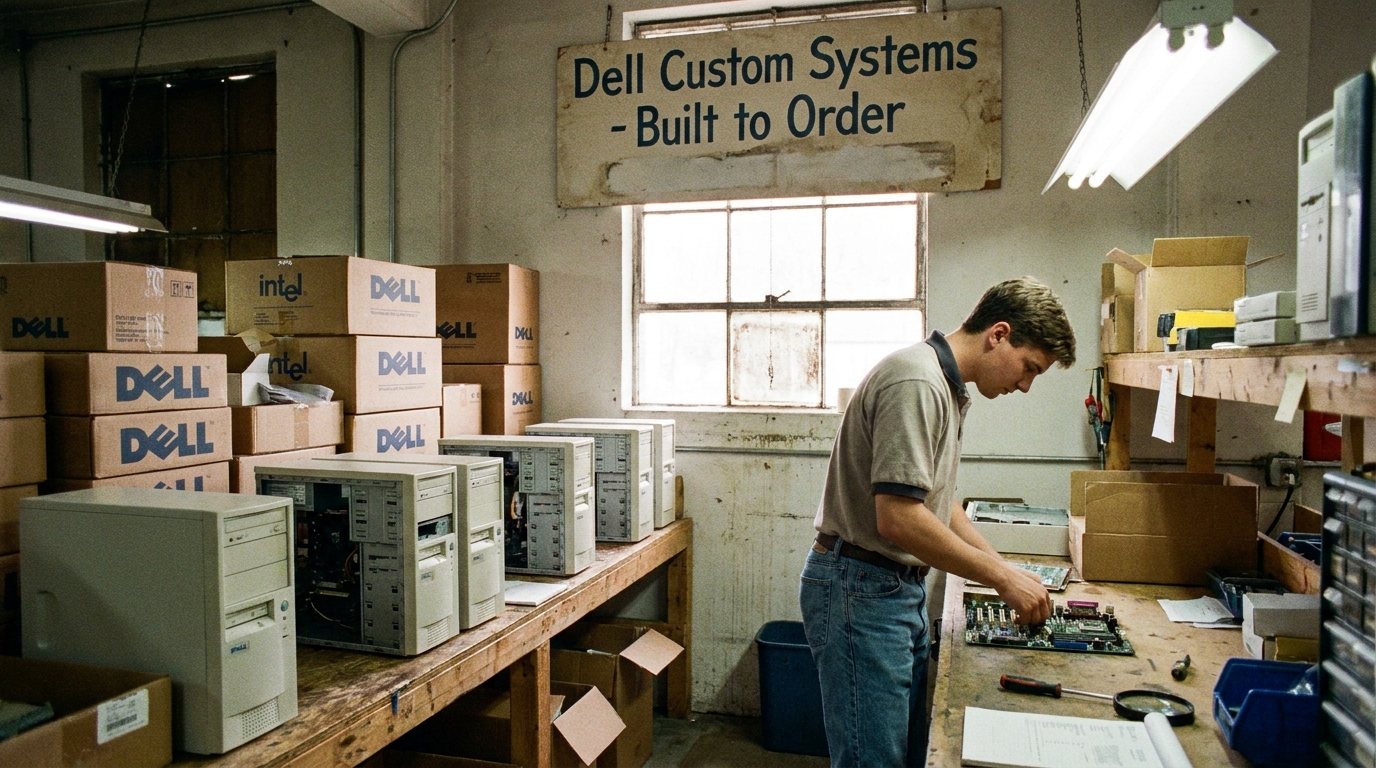
Dell built PCs to order from a UT-Austin dorm room in 1984 and never really opened a store. NRF still ranks it #66 among America's top retailers.

NRF ranks Bath & Body Works #65 with $6.69B in 2025 U.S. sales. Its 1990 origin as a beauty add-on line hides a stranger twist: it renamed its own parent.
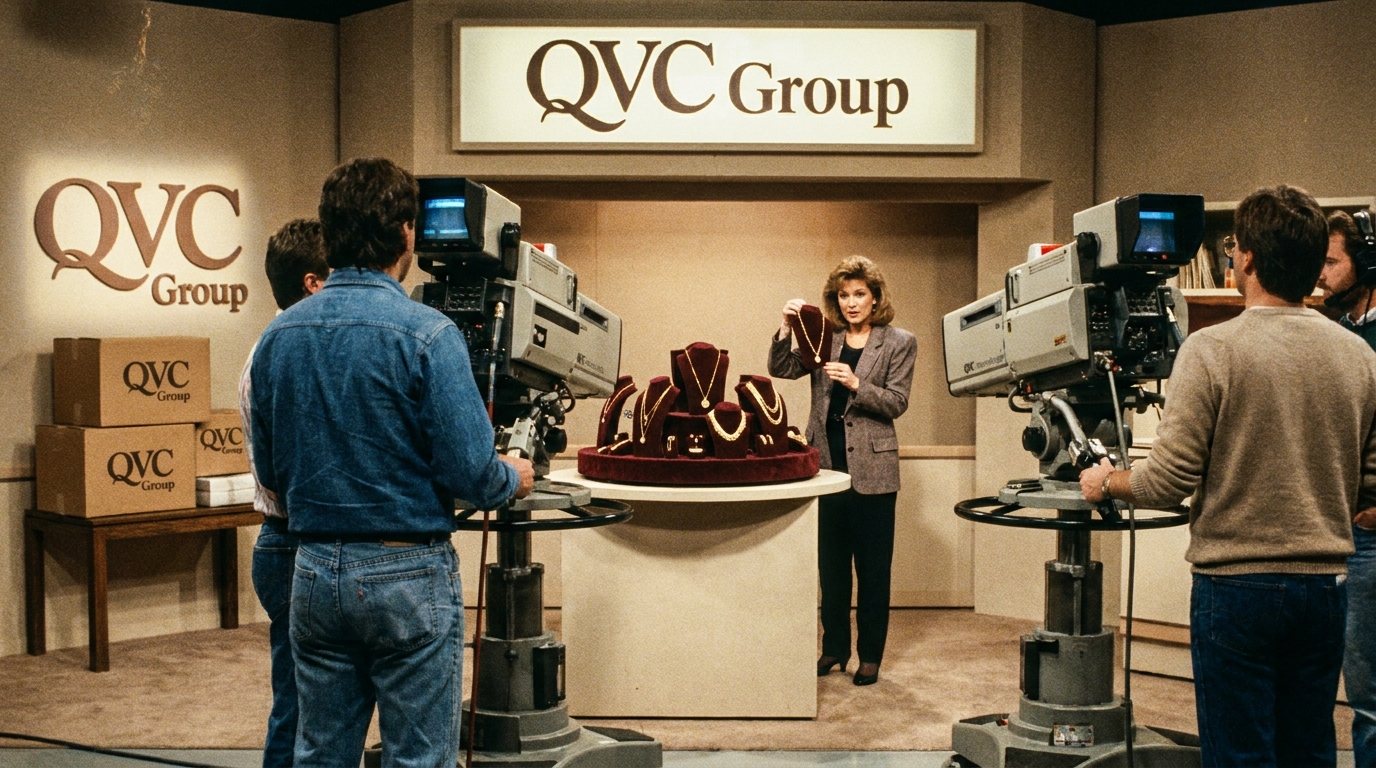
QVC ranks #63 on NRF's Top 100 Retailers with $7.07B in 2025 U.S. sales. The real story: it borrowed an idea, then bought the company that had it first.
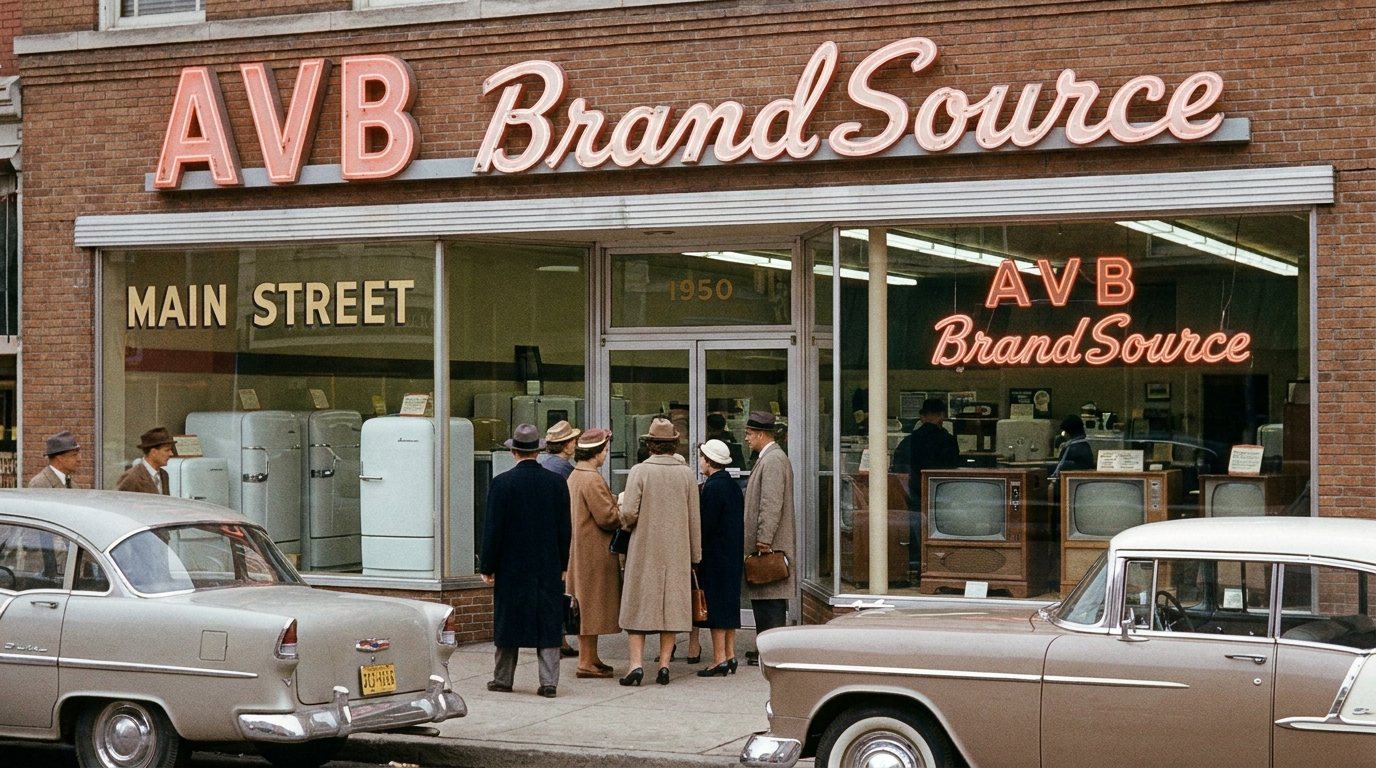
AVB BrandSource ranks #64 on NRF's Top 100 Retailers with $7.02B in 2025 U.S. sales, the legacy of a 1969 fishing-trip pact among independent dealers.
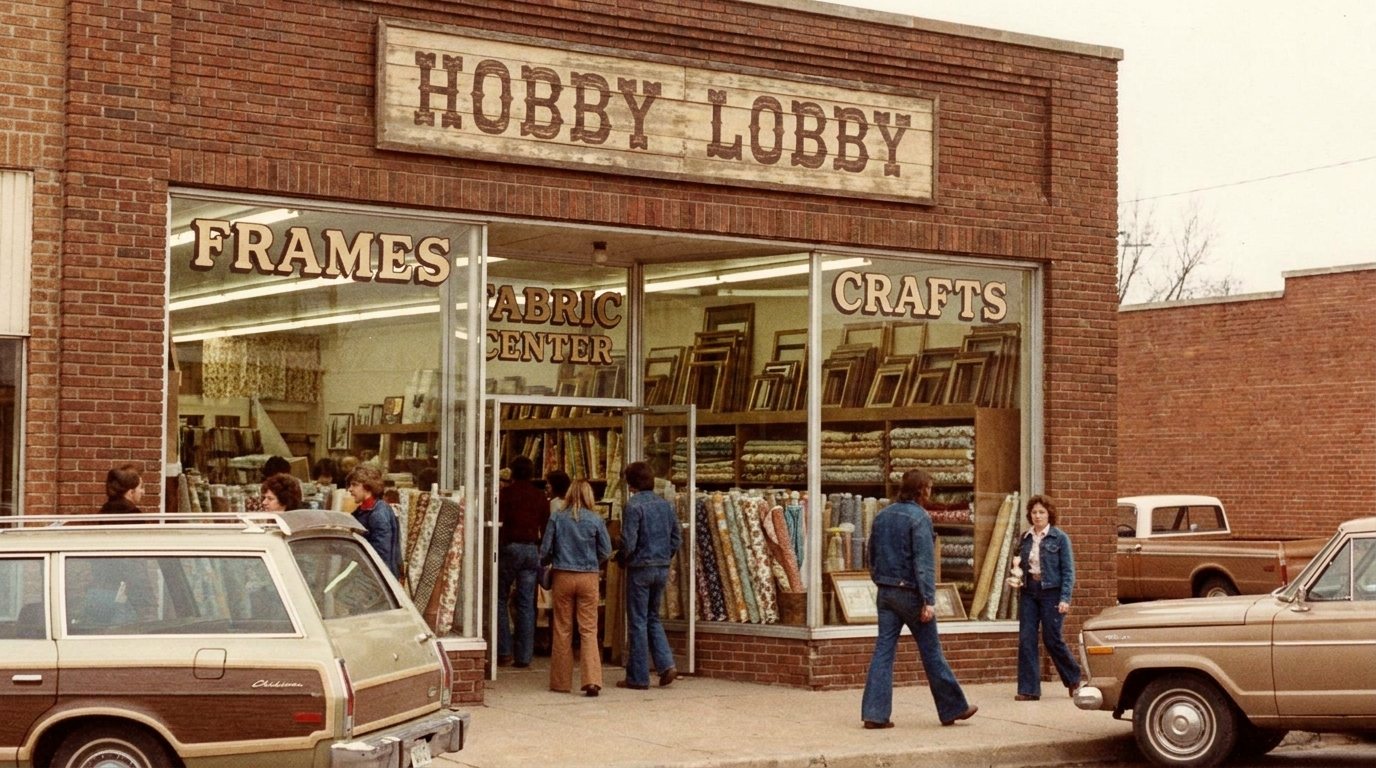
Hobby Lobby survived a 1985 near-collapse and built the largest privately owned crafts retailer by refusing debt and buying up idle big-box real estate.
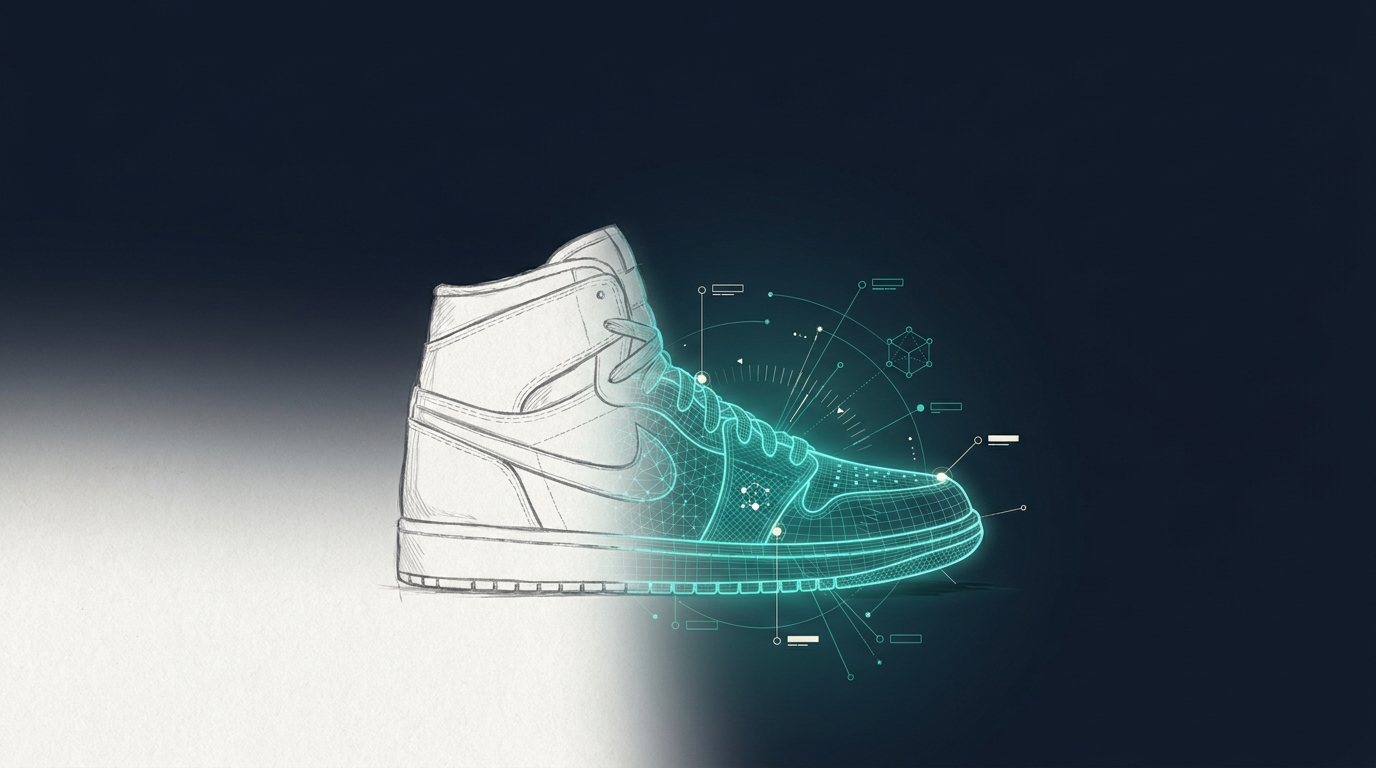
Footwear catalogs are full of gaps in width, last, and material data. Here's what that costs in 2026, and why AI shopping agents make it worse.

Footwear returns run 17-30% and fit is the top cause. Here's the exact data a shoe PDP needs to stop the guessing, with a running-shoe example.

Apparel product data is still thin and inconsistent in 2026 — here's what it costs in returns and lost AI visibility, and how to fix it.

Apparel shoppers ask the same handful of questions before every purchase. Answer them on the page, and returns and lost sales both drop.
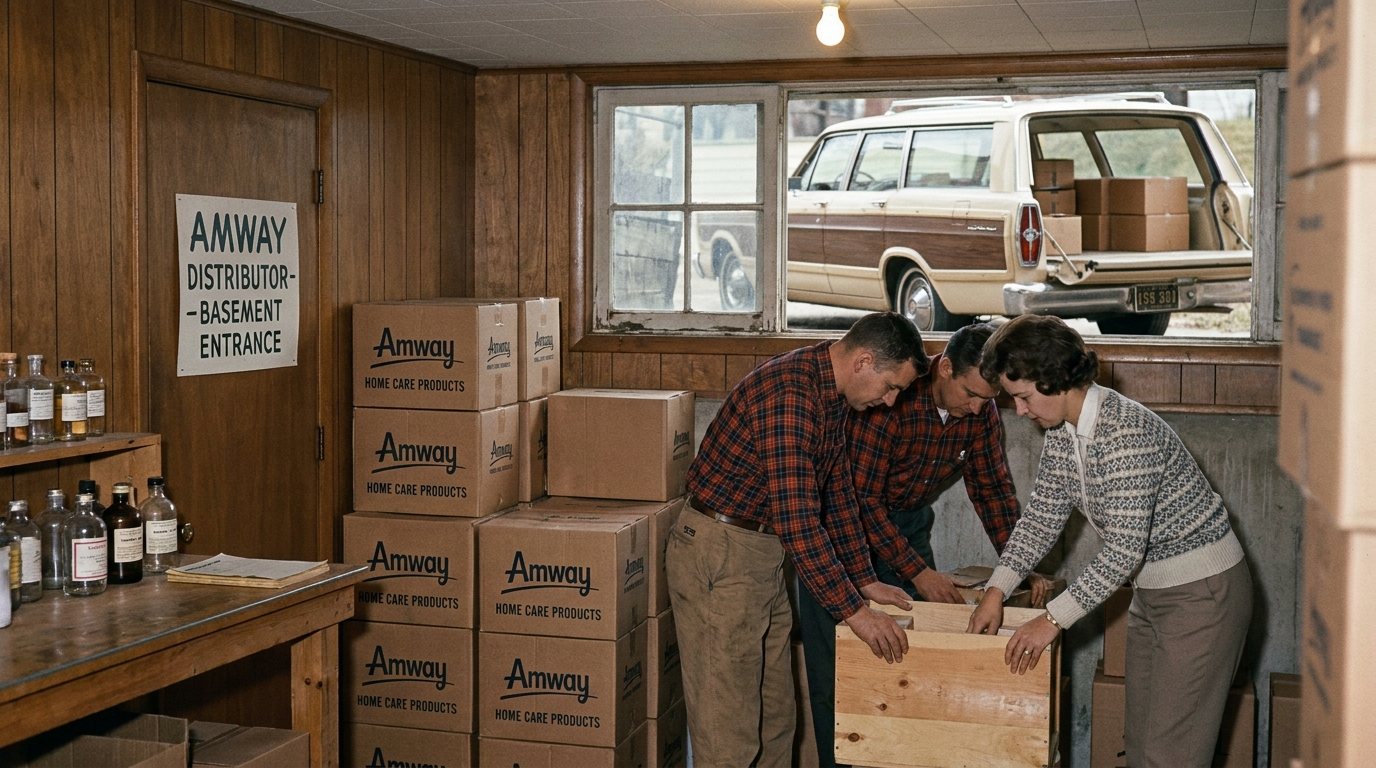
Amway ranks #61 on NRF's 2026 Top 100 Retailers with $7.35B in U.S. sales. The 1959 basement startup that built the legal template an entire industry still runs on.
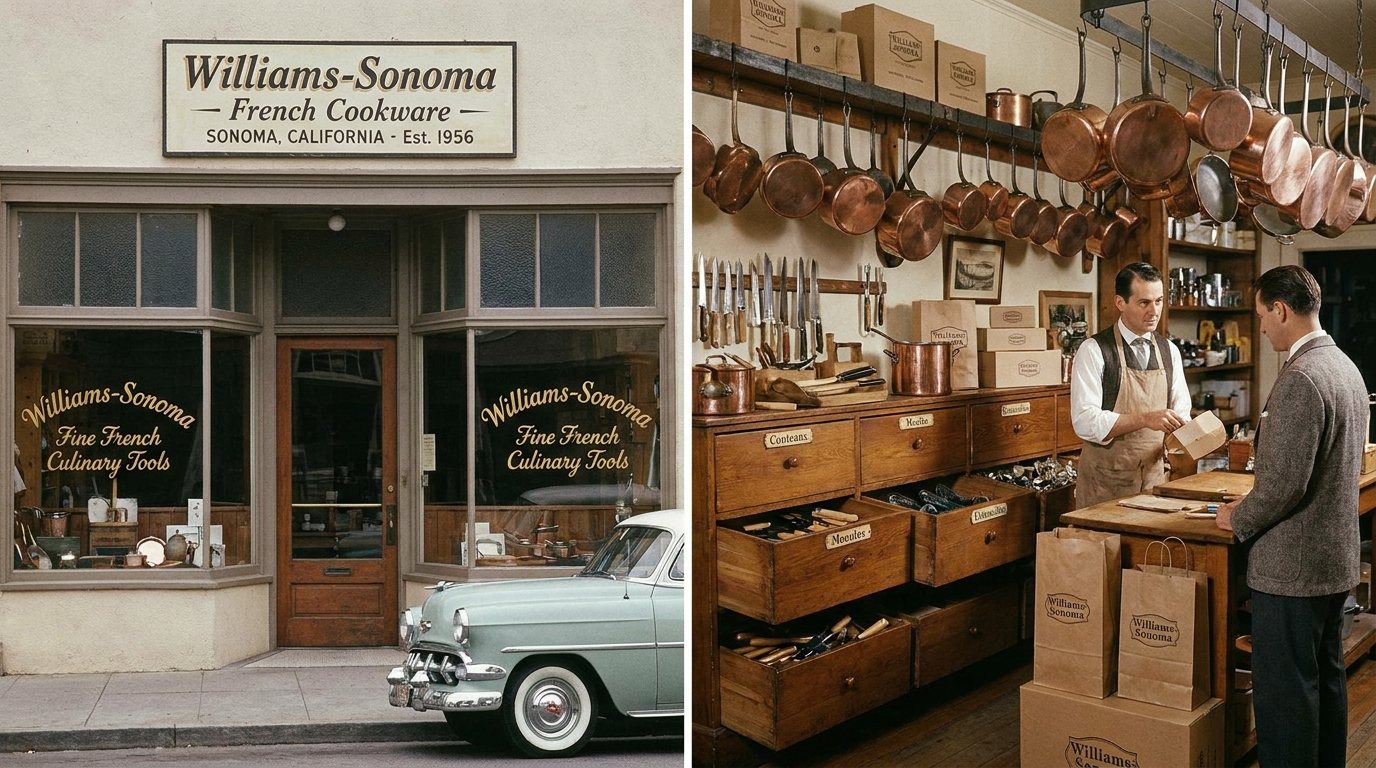
Williams-Sonoma ranks #59 on NRF's Top 100 Retailers 2026 with $7.55B in U.S. sales. Here is how a Sonoma hardware store became a four-brand home empire.

Footwear forecasts run on attributes, not SKUs. See how thin or free-text data on upper, cushioning, and width quietly wrecks accuracy.
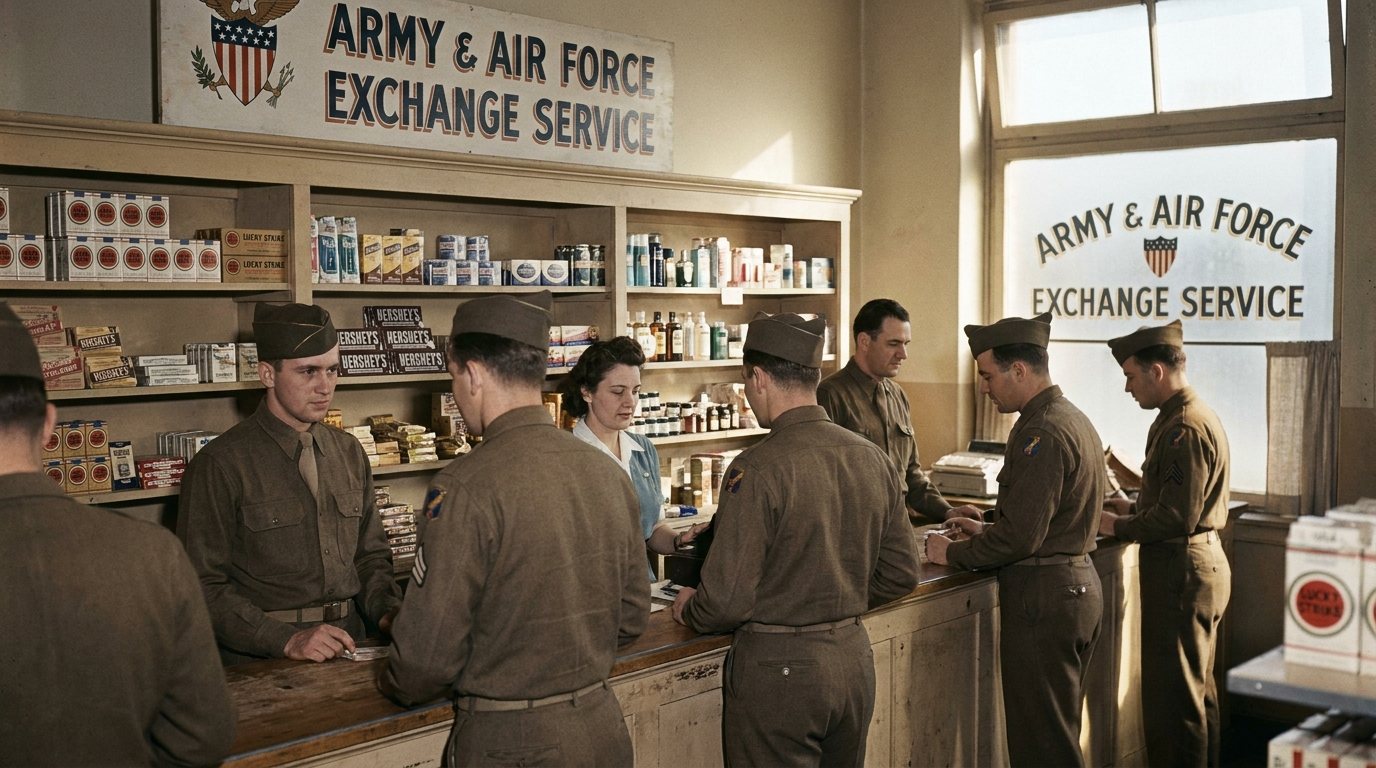
The Army & Air Force Exchange Service ranks #60 on NRF's Top 100 Retailers 2026. Its history reveals a retailer built to have no profit motive at all.

The real stakeholder for your product content doesn't work at your company. It's your buyer. Most enrichment scrapes the supplier and reformats it — and never gives the buyer a seat at the table.
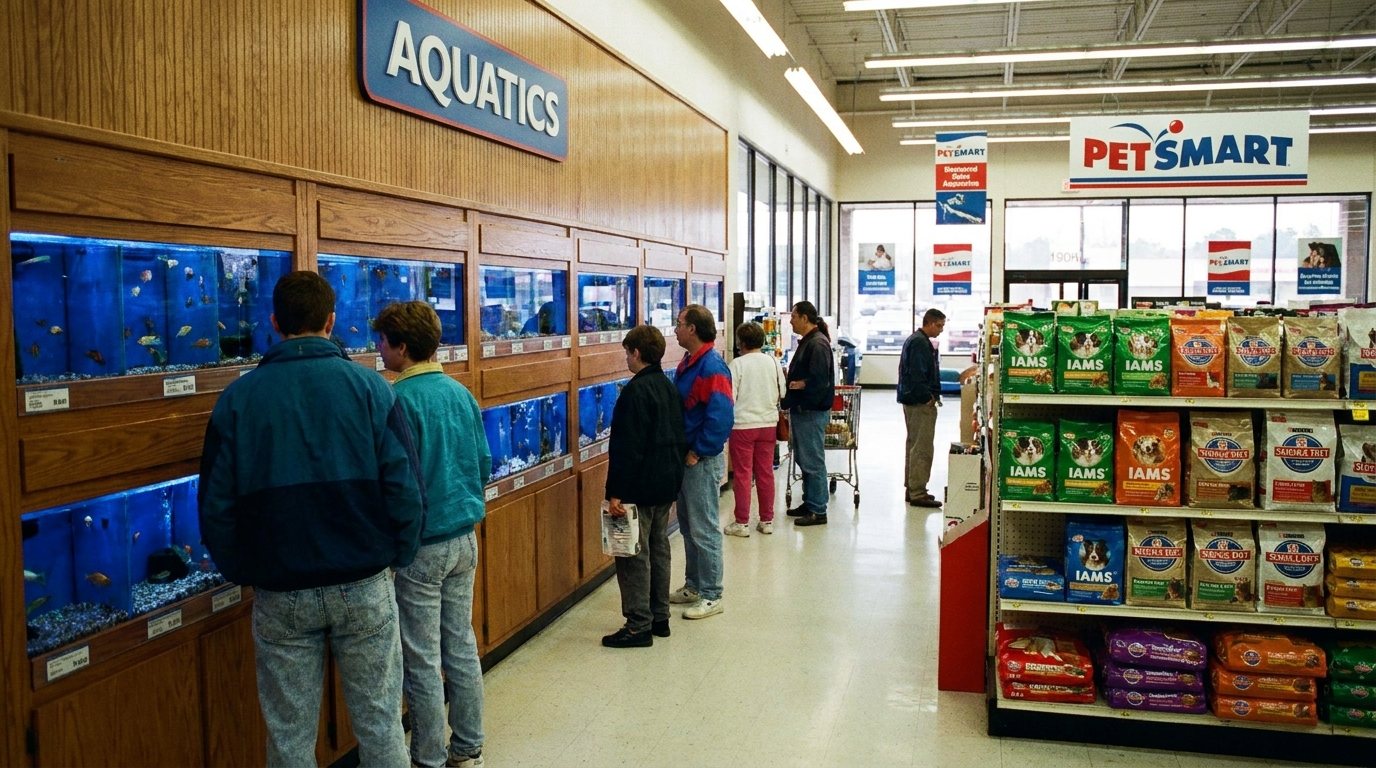
PetSmart ranks #56 on NRF's Top 100 with $7.81B in 2025 U.S. retail sales. Its real story is a founder ouster, a near-death 1997, and buying Chewy outright.

ERP migrations validate structure and financial fields, not attribute content. Here's how to audit what came across and enrich what didn't.
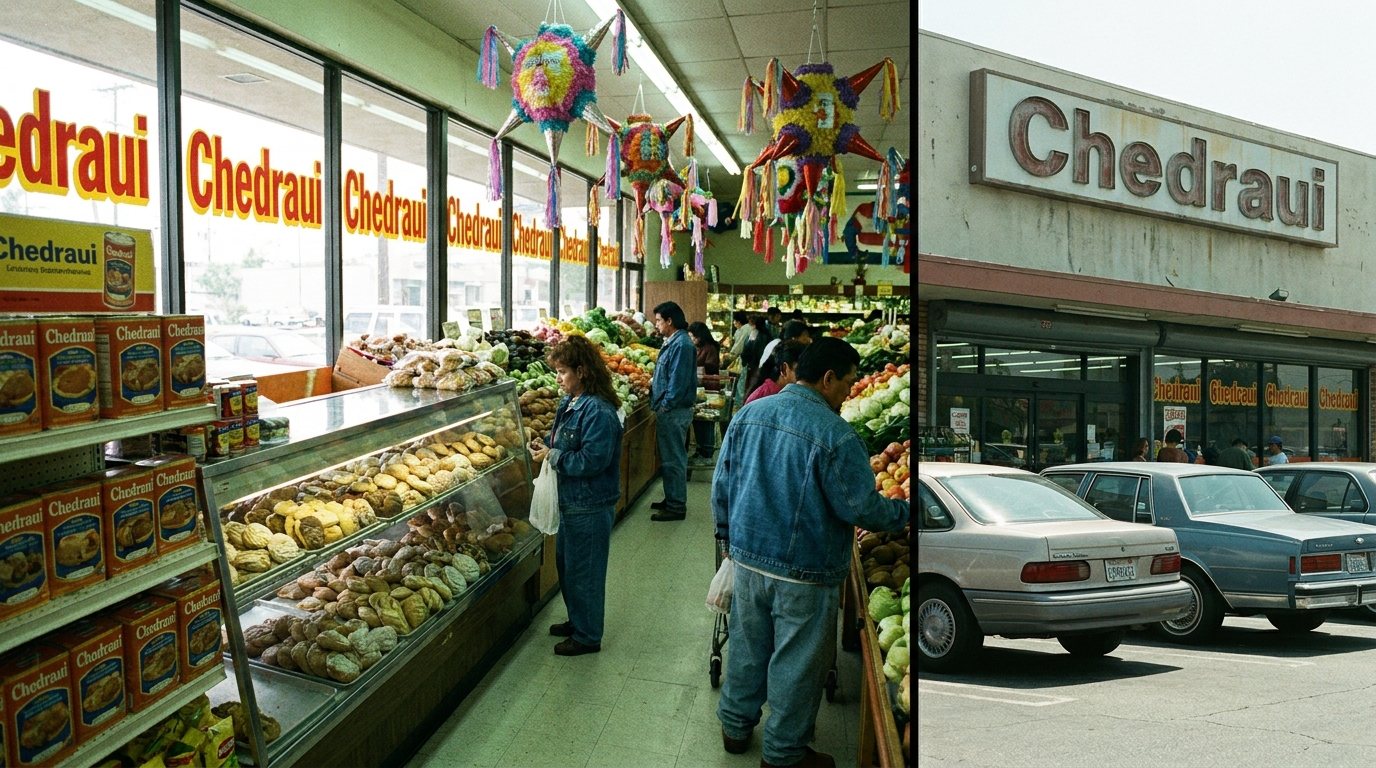
Chedraui ranks #57 on the NRF Top 100 with $7.73B in US sales. Its El Super, Fiesta Mart, and Smart & Final banners hide a 154-year lineage.
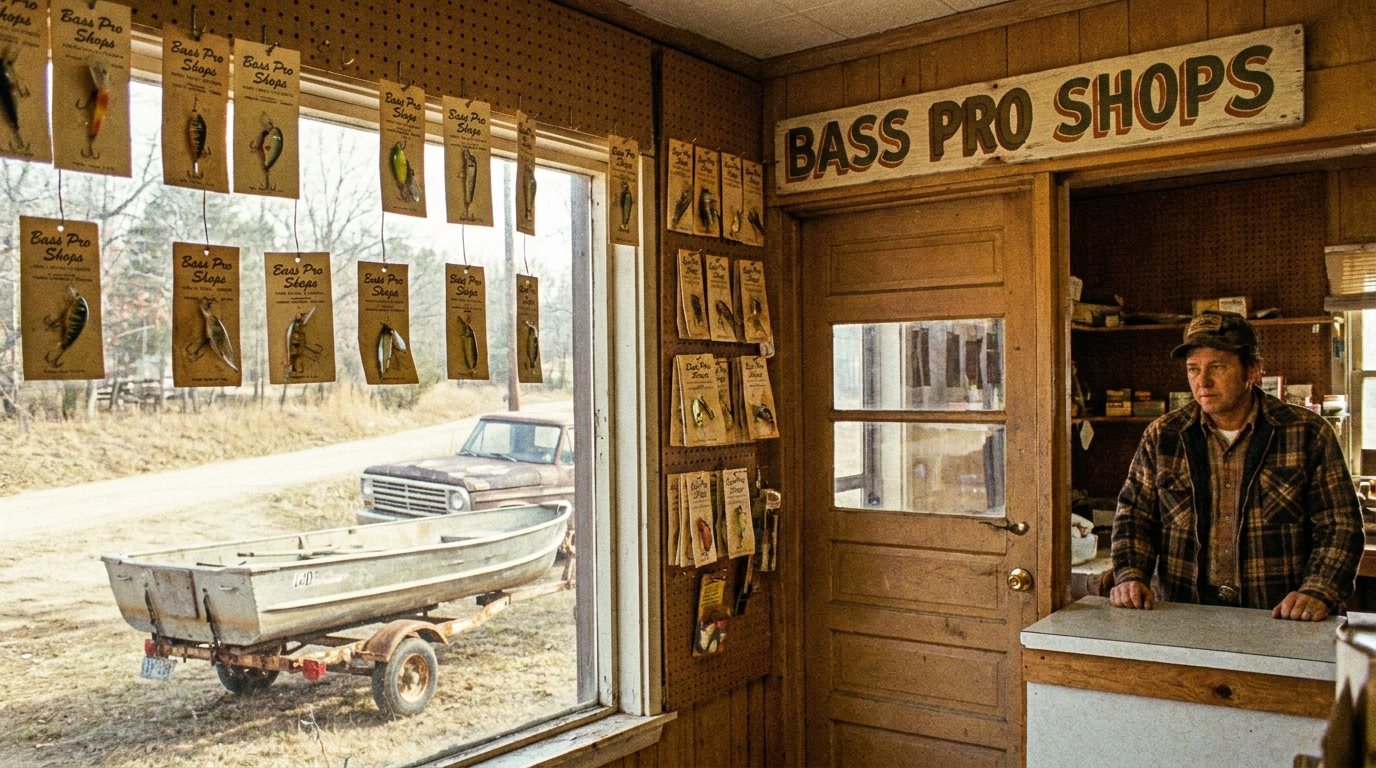
How an 8-square-foot bait counter in a Springfield liquor store grew into Bass Pro Shops, the No. 58 retailer on NRF's 2026 Top 100 Retailers list.
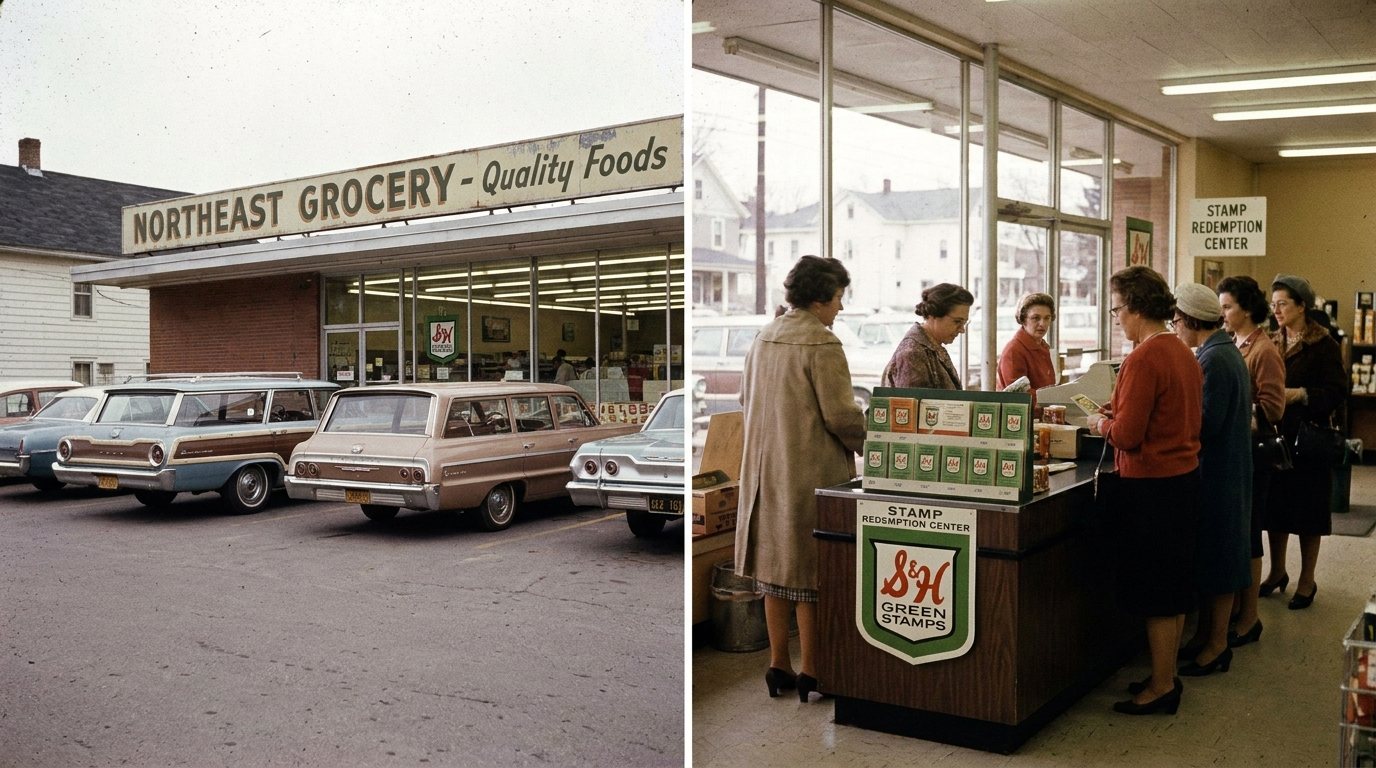
Northeast Grocery ranks #55 on NRF's Top 100 with $7.96B in sales. Here is how Price Chopper and Tops, once bitter rivals, ended up under one roof.

Why thin jewelry and watch listings vanish from ChatGPT, Gemini, and Google AI Mode, and the attribute-level data that gets them recommended.
Harbor Freight Tools ranks #54 on NRF's Top 100 with $8.20B in 2025 U.S. sales. Here's how a 1977 mail-order surplus business became a 1,600-store chain.
Sprouts Farmers Market, NRF's #53 US retailer, traces back to a 1943 fruit stand split apart by the Whole Foods-Wild Oats antitrust fight of 2007.

Sephora nearly collapsed expanding too fast in the early 2000s. Here is how a Limoges perfume shop became the store that rewrote how America buys beauty.
Style-level assortment reports hide white space and over-assortment in grocery and CPG. Here's how attribute-level data fixes the blind spot.

Confirm buyers and AI agents can actually read your product data: curl, view-source vs rendered DOM, and structured data validators, step by step.
Reviews already know a style runs small. Here's how to turn that fit consensus into structured data your size curve and PDP can both use.

Saks Global ranks #51 on NRF's Top 100 Retailers 2026 with $8.97B in U.S. sales. The history behind the merger of Saks Fifth Avenue and Neiman Marcus.

Forecasts are rollups along product attributes. When those attributes are missing, free-text, or wrong, every cohort and like-item match quietly breaks.
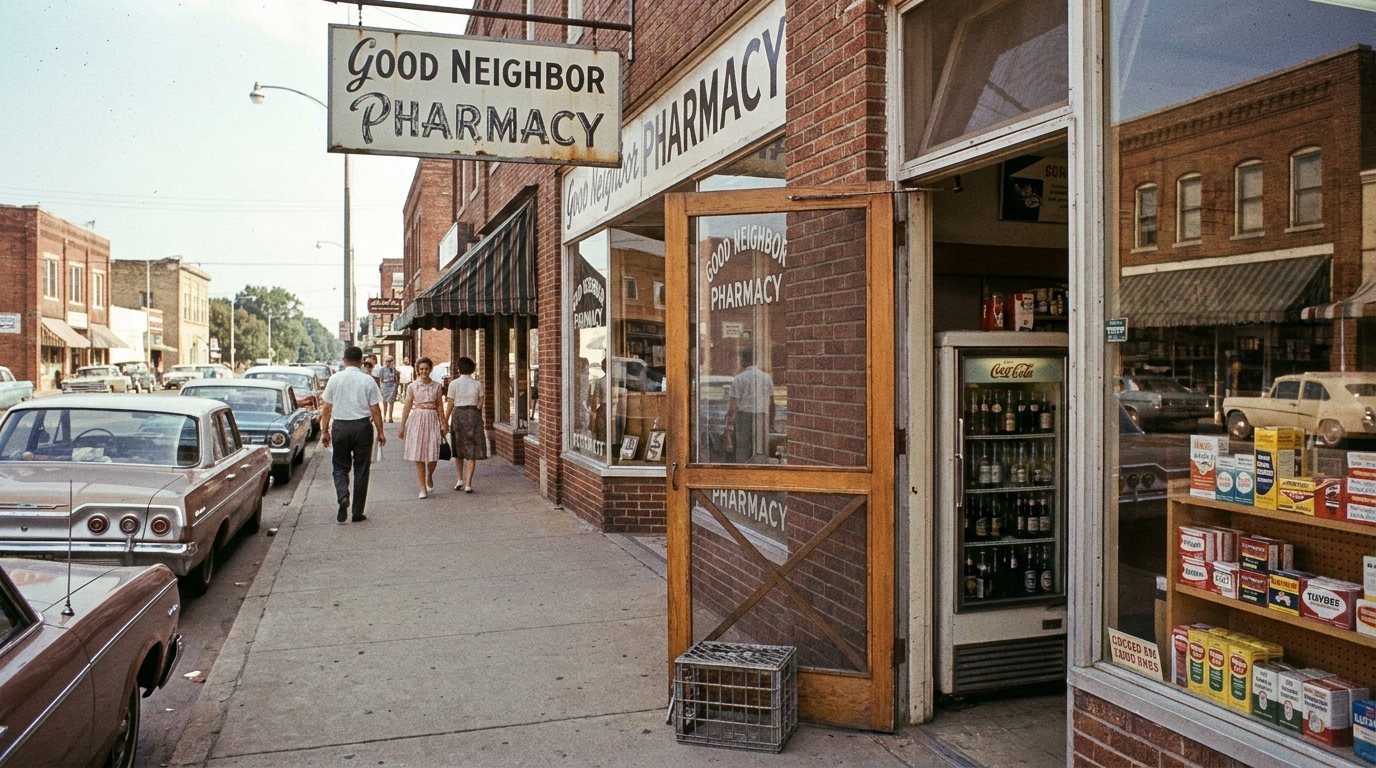
How a 19th-century drug wholesaler's franchise plan became Good Neighbor Pharmacy, the co-op banner behind 3,400 independent U.S. pharmacies.

Beauty forecasts fail on new shades and finishes because the attributes behind them are thin. Here is where the data breaks and how to fix it.

Jewelry and watches feeds fail Amazon's stricter attribute bar more than any other category. Here's the exact data gap and how to close it.
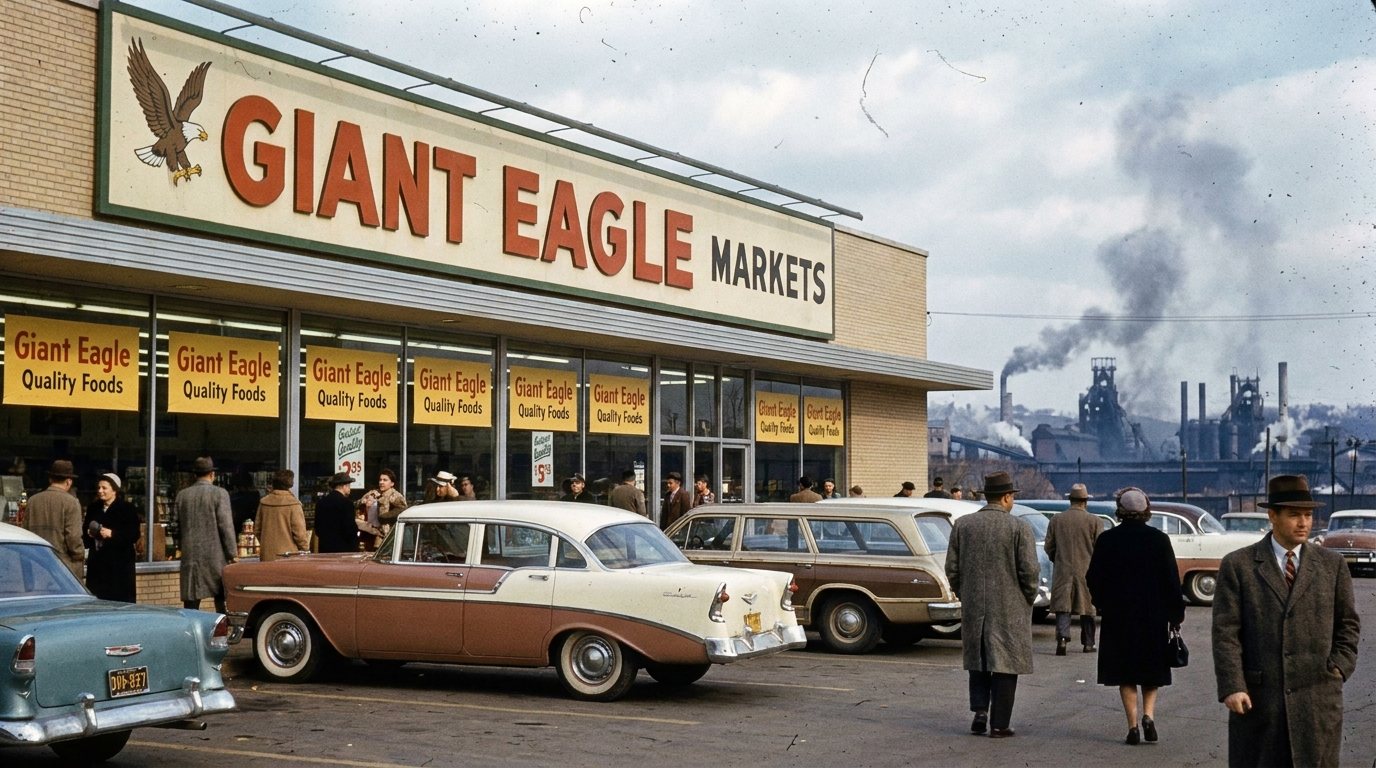
Giant Eagle formed from two rival Pittsburgh grocers in 1931, then spent a century buying up competitors before agreeing to be bought by Kroger itself.

Furniture and home catalogs still ship thin, inconsistent product data — and in 2026, AI shopping agents and marketplaces are done tolerating it.

Furniture returns cost $55-90+ per item to process. Most start with a product page that never answered the shopper's real questions. Here's the fix.

Feed management enriches the printout, not the document. The correction never flows back to your source of truth — so you redo the same work on every channel, forever. Fix it upstream instead.

How an enriched attribute moves from Elastic Path PXM through catalog publishing to the Shopper Catalog API and renders on a live product page.
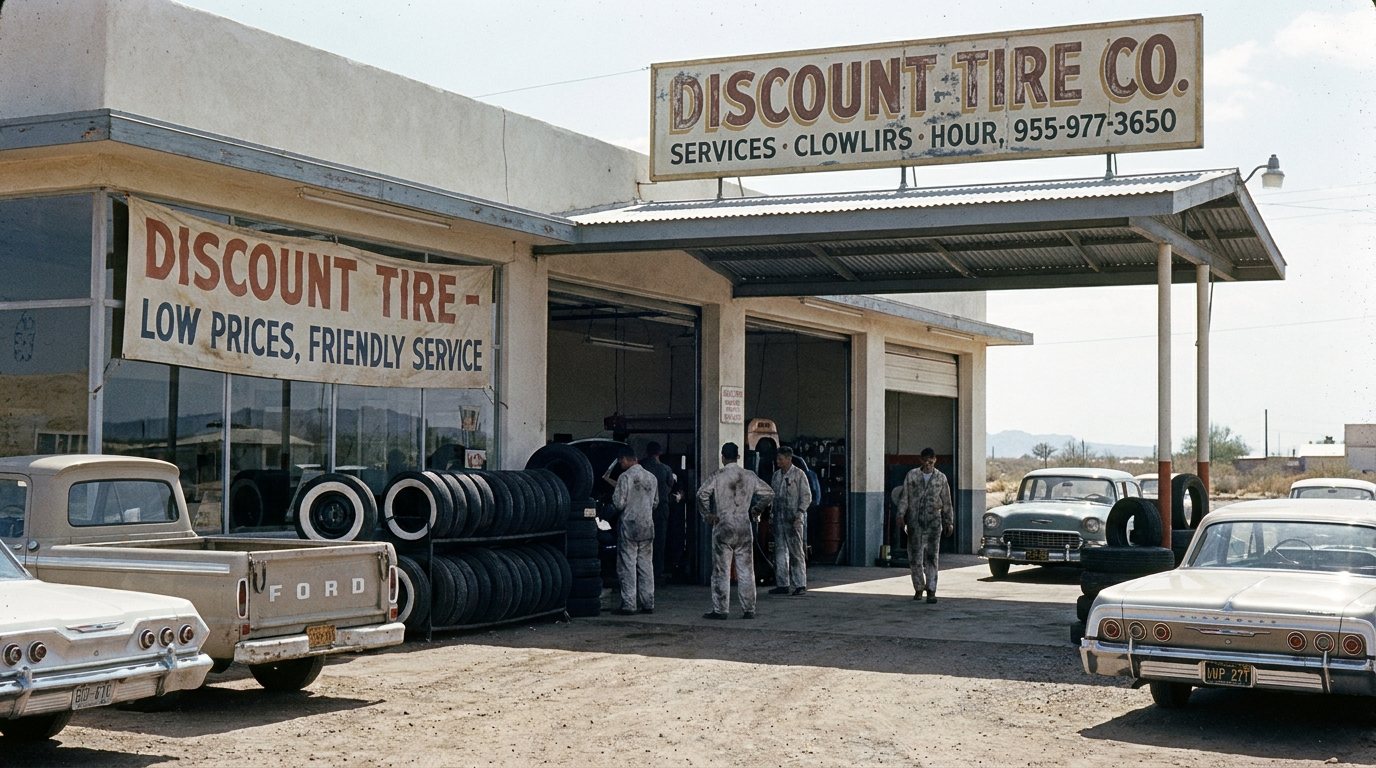
Discount Tire ranks #49 on NRF's Top 100 Retailers 2026 with $10.41B in sales. How Bruce Halle's one-store bet built America's largest independent tire retailer.

Why beauty assortment reviews built on style-level rollups miss whitespace and over-assortment, and what attribute data has to look like to fix it.

How to make Adobe Commerce PDPs agent-readable: structured attributes, complete Product JSON-LD, server-rendered HTML, and clear buyer answers.
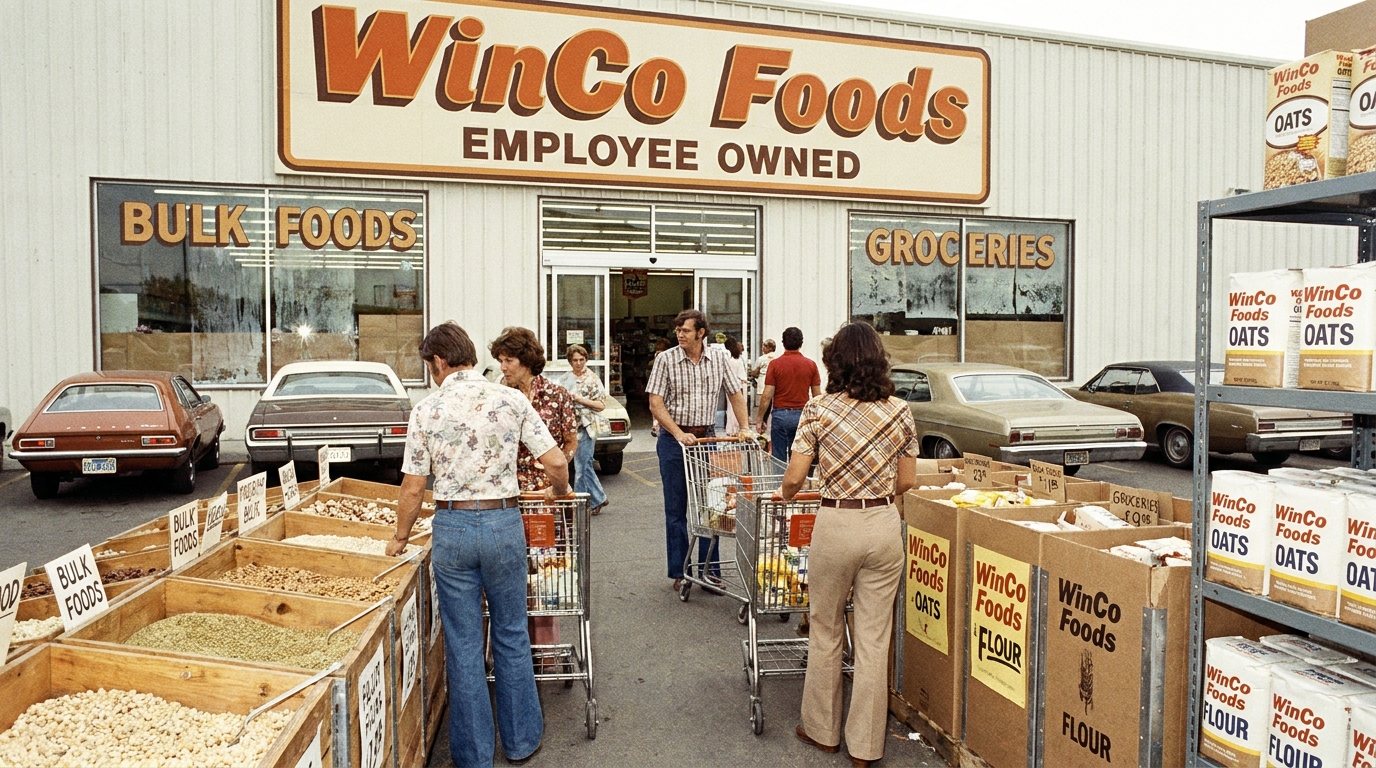
WinCo Foods hit #47 on NRF's 2026 Top 100 by staying 100% employee-owned since 1985, skipping credit cards, and land-banking store sites years ahead of demand.
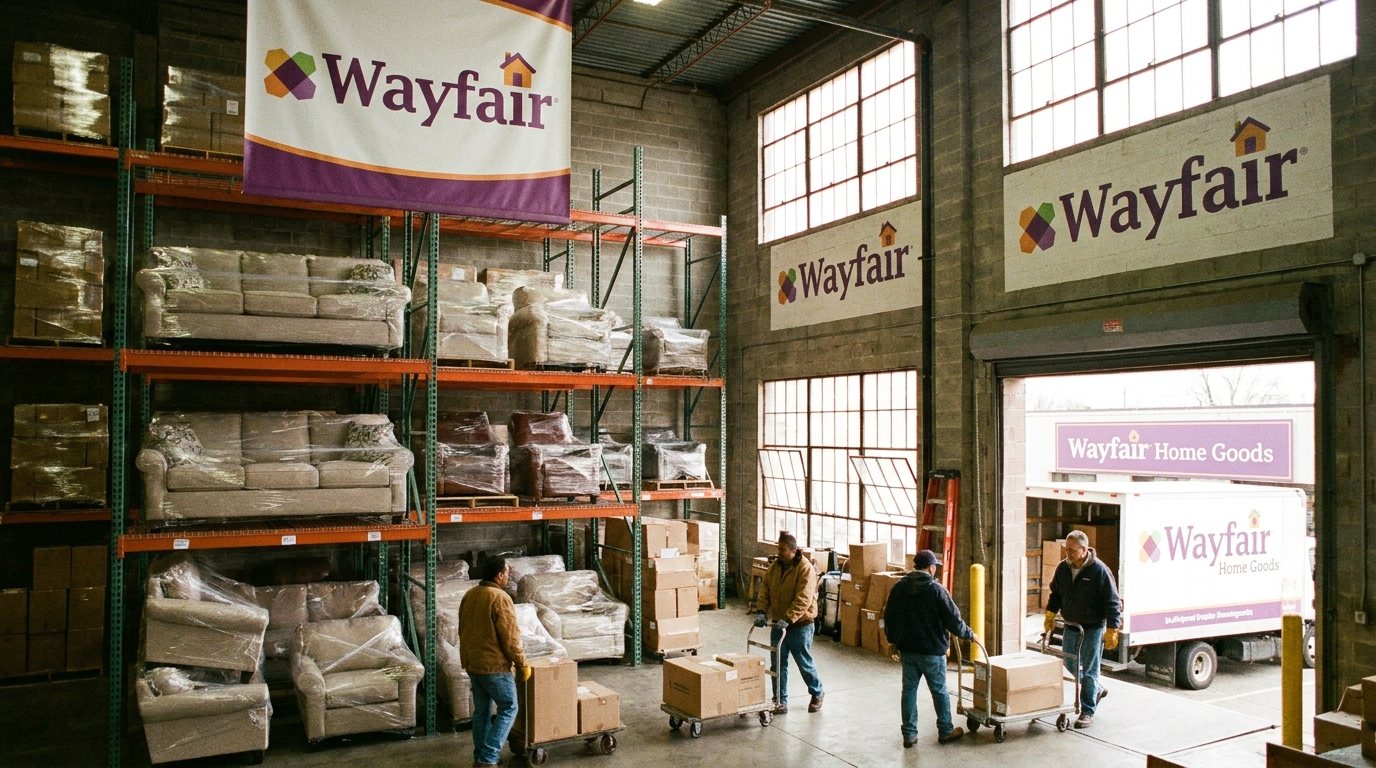
Wayfair ranks #46 on the NRF Top 100 with $10.97B in 2025 U.S. sales. The story of two Cornell grads, 200 niche sites, and one hard rebrand.

Style-level sell-through hides the assortment gaps that matter. How sporting goods planners find white space using clean attribute data, not SKU counts.

A practical SFCC checklist covering rendering, structured data, meta tags, canonicals, images, links, and speed — for buyers and AI crawlers alike.

Office supplies catalogs are riddled with thin, inconsistent product data — and in 2026, AI shopping agents make that a revenue problem, not just an annoyance.

Why office supplies get returned so often, the toner cartridge questions shoppers actually ask, and a checklist to close the gaps before checkout.

How GPTBot, ClaudeBot, and Perplexity actually fetch pages, why client-rendered PDP data goes invisible to them, and the SSR/JSON-LD fix that makes it readable.

Grocery and CPG shoppers filter on allergens, diet, and pack size. Here's the attribute schema that keeps products visible in search and AI answers.
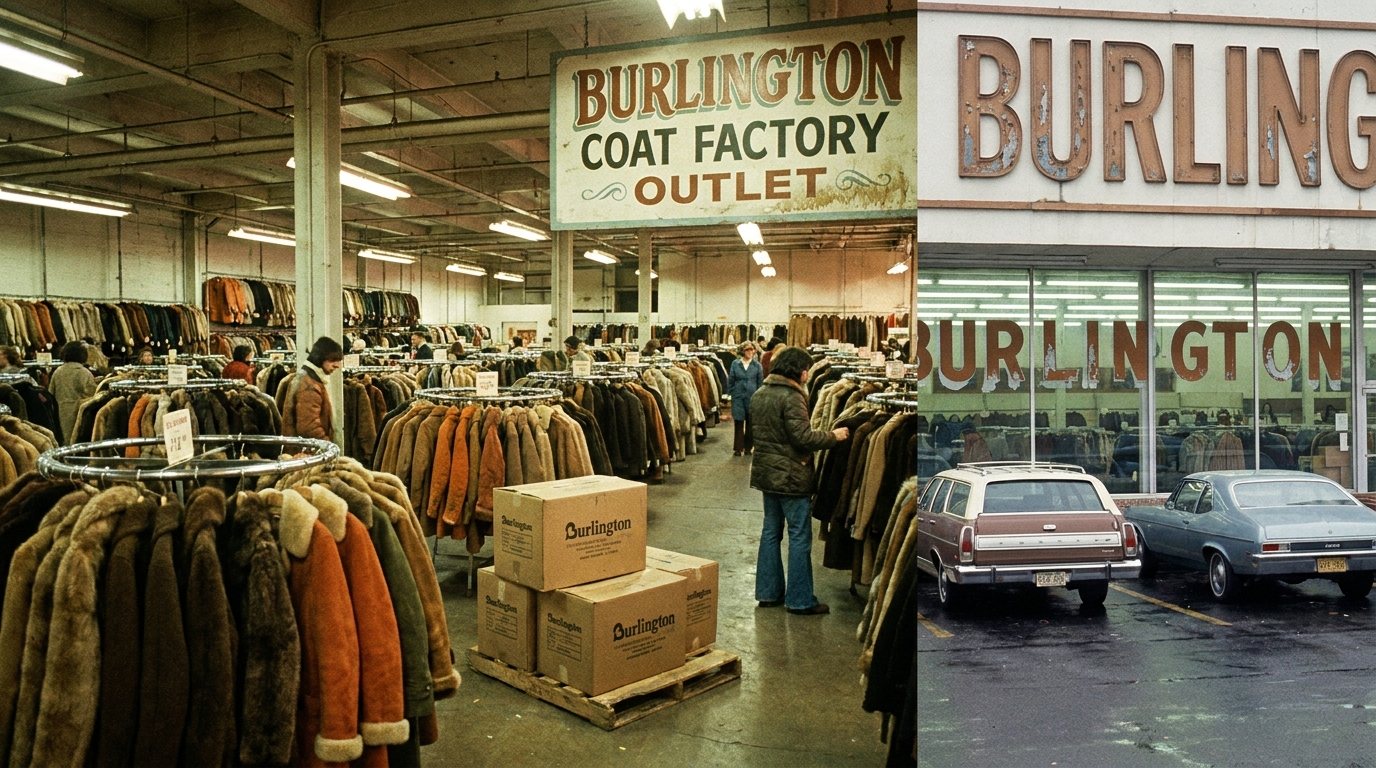
Burlington ranks #45 on NRF's Top 100 Retailers list with $11.48B in 2025 sales. Here is how a small coat outlet in New Jersey became an off-price giant.

No new ad budget, no new channel, no replatform. Just the product data you already own, made complete enough to get found, get chosen, and get kept. Here's what that takes — and where the work actually belongs.
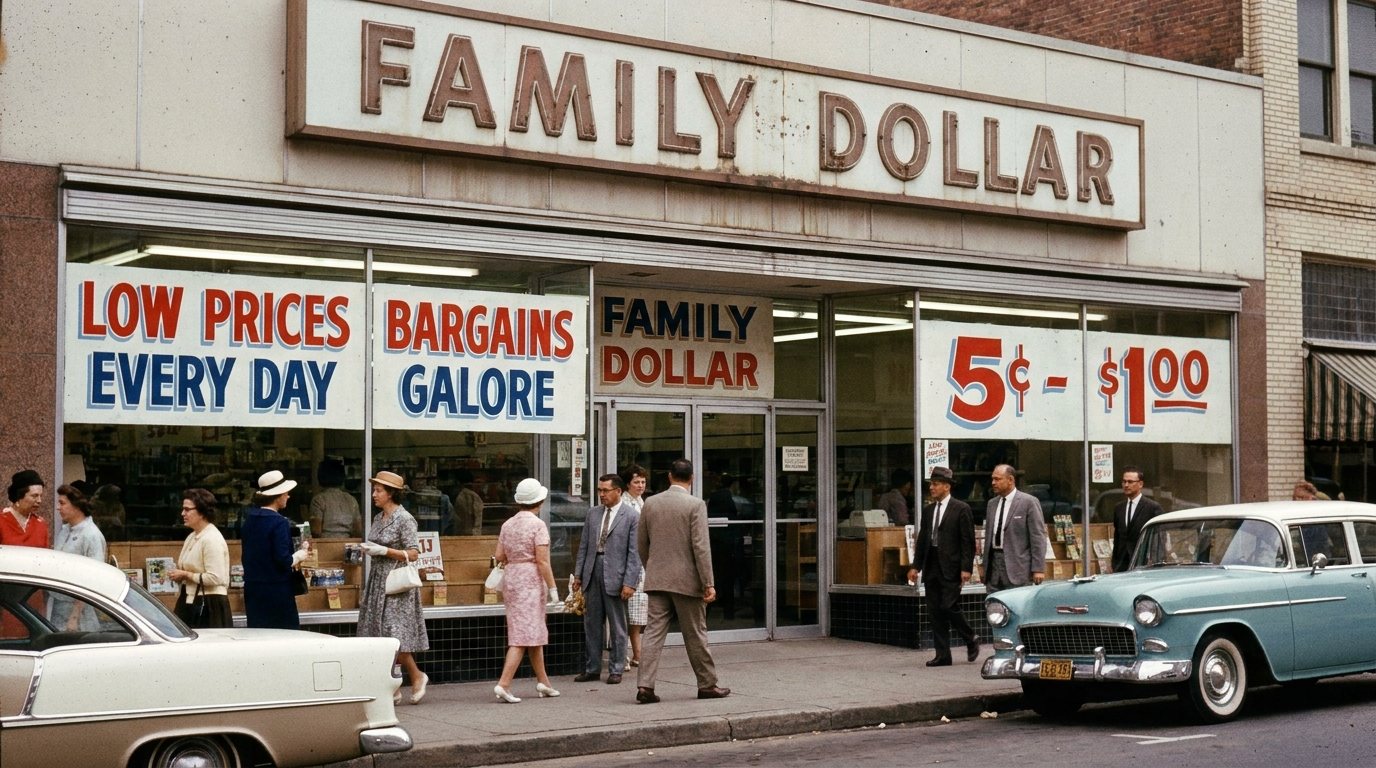
Family Dollar ranks #43 on NRF's 2026 Top 100 Retailers list at $11.91B. Its history runs from a $2 price cap in 1959 to a 2014 bidding war and a 2025 resale.

Alimentation Couche-Tard is #44 on NRF's Top 100 with $11.58B in 2025 U.S. sales. Here's how one Laval dépanneur built a 17,000-store empire.
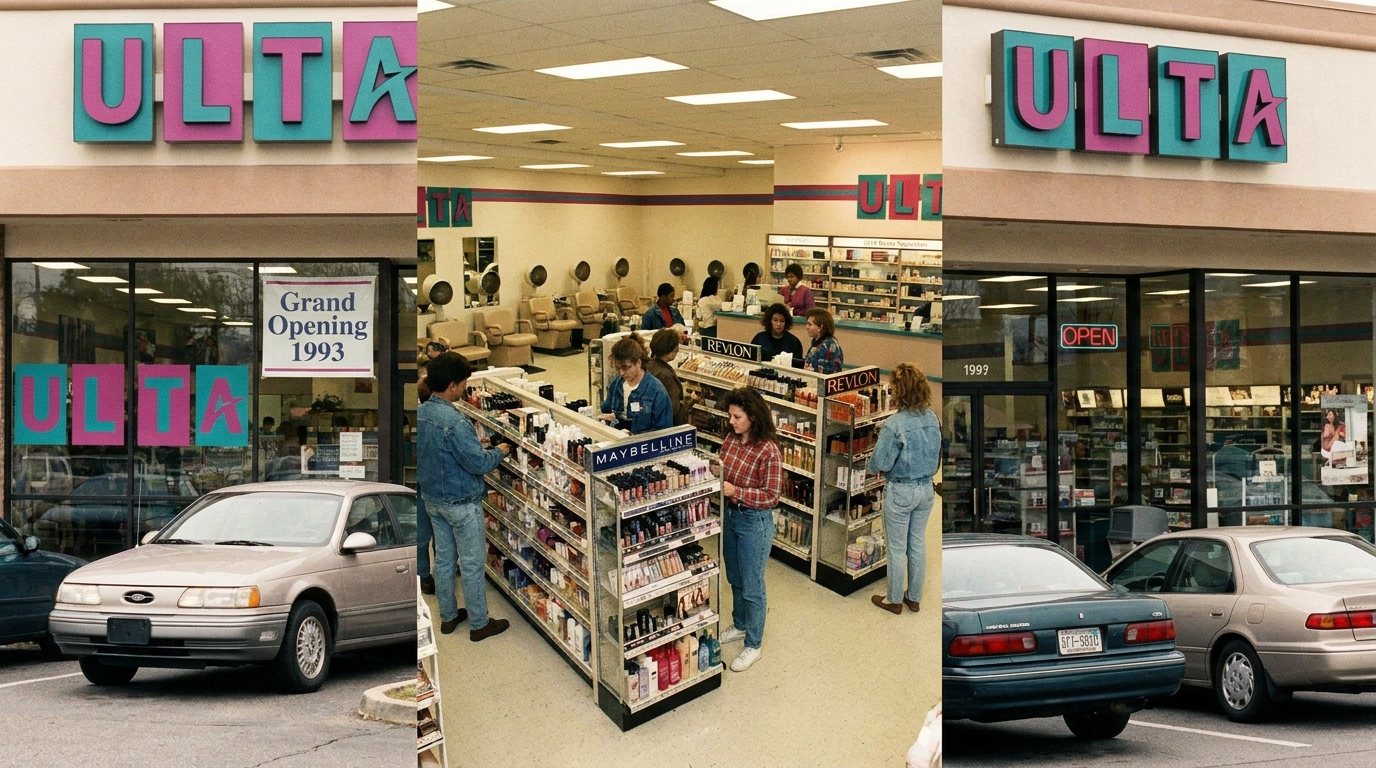
Ulta Beauty ranks #41 on NRF's Top 100 Retailers 2026 list. Here's how a 1990 Chicago strip-mall concept became the largest U.S. beauty retailer.

Every planning vendor is shipping ML forecasting now. The real differentiator won't be the algorithm, it'll be the attribute data feeding it.

A step-by-step framework for measuring the ROI of product data quality: baseline metrics, isolate lift, and convert enrichment into dollars.

JSON-LD that disagrees with the visible page gets flagged as untrustworthy rather than averaged out. Why drift happens, and how to fix it for good.
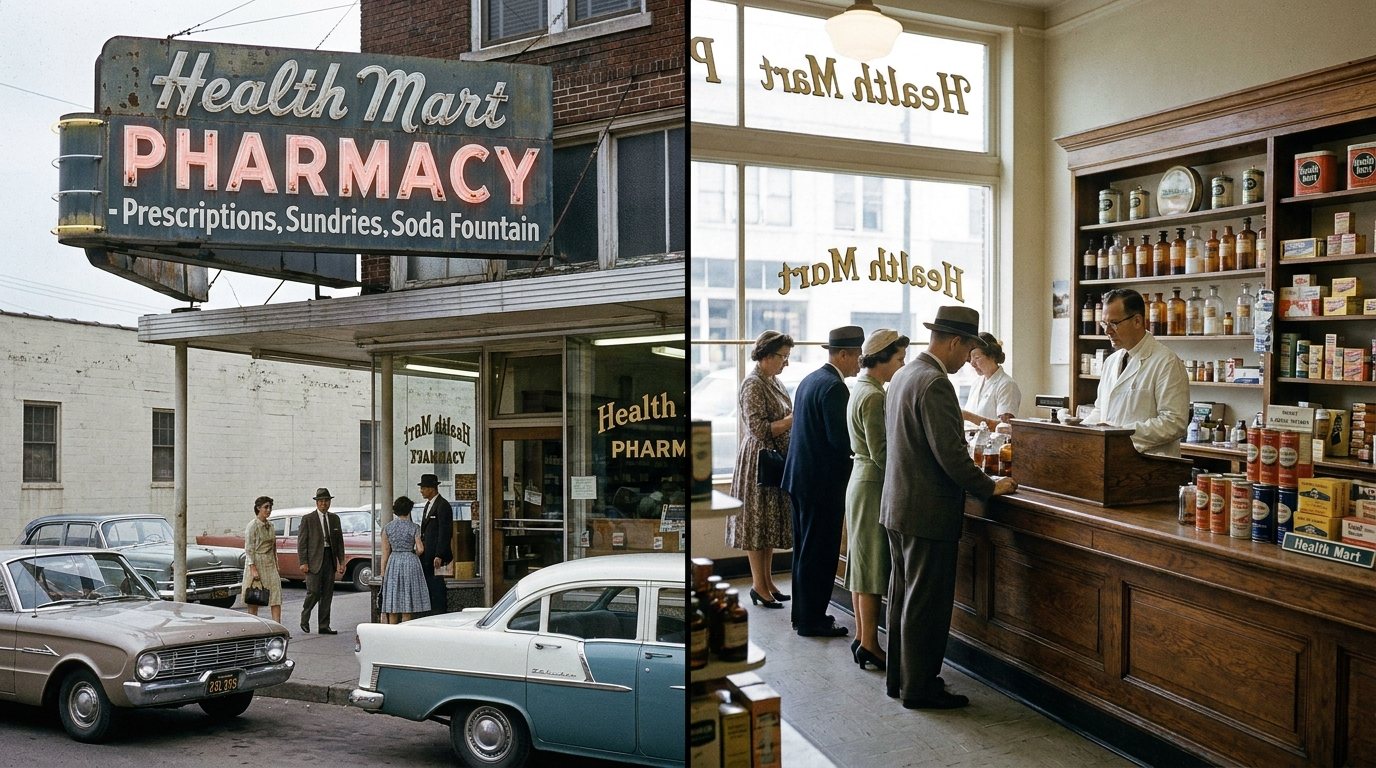
Health Mart survived FoxMeyer's 1996 bankruptcy and an ERP disaster to become the largest independent pharmacy franchise in the US, per NRF's 2026 Top 100.

Furniture forecasts fail on new SKUs and thin attributes, not bad models. Here's how attribute quality drives cold-start accuracy and markdown risk.

A concrete, current walkthrough of how a commercetools product attribute travels from Product Type to rendered HTML, with API, GraphQL, and validation steps.

Beauty catalogs lose sales to missing shade, finish, and ingredient data. Here's the attribute set that keeps products in filters and AI answers.

PIM AI assists a person filling one field at a time. That's genuinely useful — and it's not the same as owning the work across a hundred thousand SKUs. Knowing the difference is the difference between a tool and an outcome.

Why incomplete skincare feeds get suppressed on Amazon and marketplaces, the content bar retailers actually need to clear, and how to hit it without re-keying.
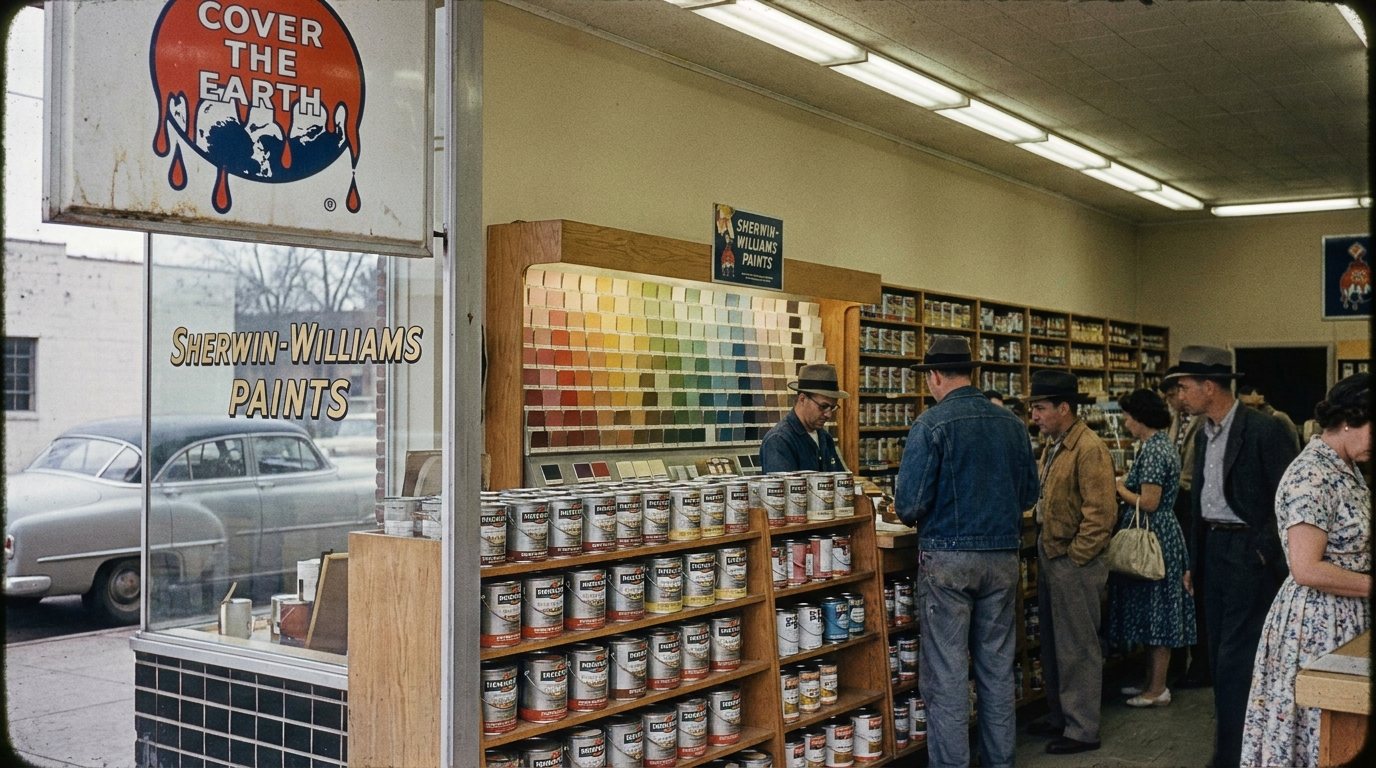
How Sherwin-Williams survived a hostile 1970s takeover threat and built 4,853 company-owned stores instead of chasing shelf space at Home Depot.

Product data has one job: get the right buyer to the right product at the moment of intent, then remove every reason not to buy.

A practical framework for building a product-data scorecard that ties completeness, accuracy, and freshness to conversion, returns, and revenue.

Office supplies shoppers now ask ChatGPT and Gemini to pick the product for them. Here's why thin catalog data loses that pick, and what actually fixes it.

Jewelry and watch catalogs are thin on the attributes shoppers and AI agents both need. Here's what that's costing brands in 2026, and how to fix it.

Jewelry and watch returns trace back to missing specs, not bad taste. Here's the exact data a ring or watch PDP needs, with a diamond ring example.
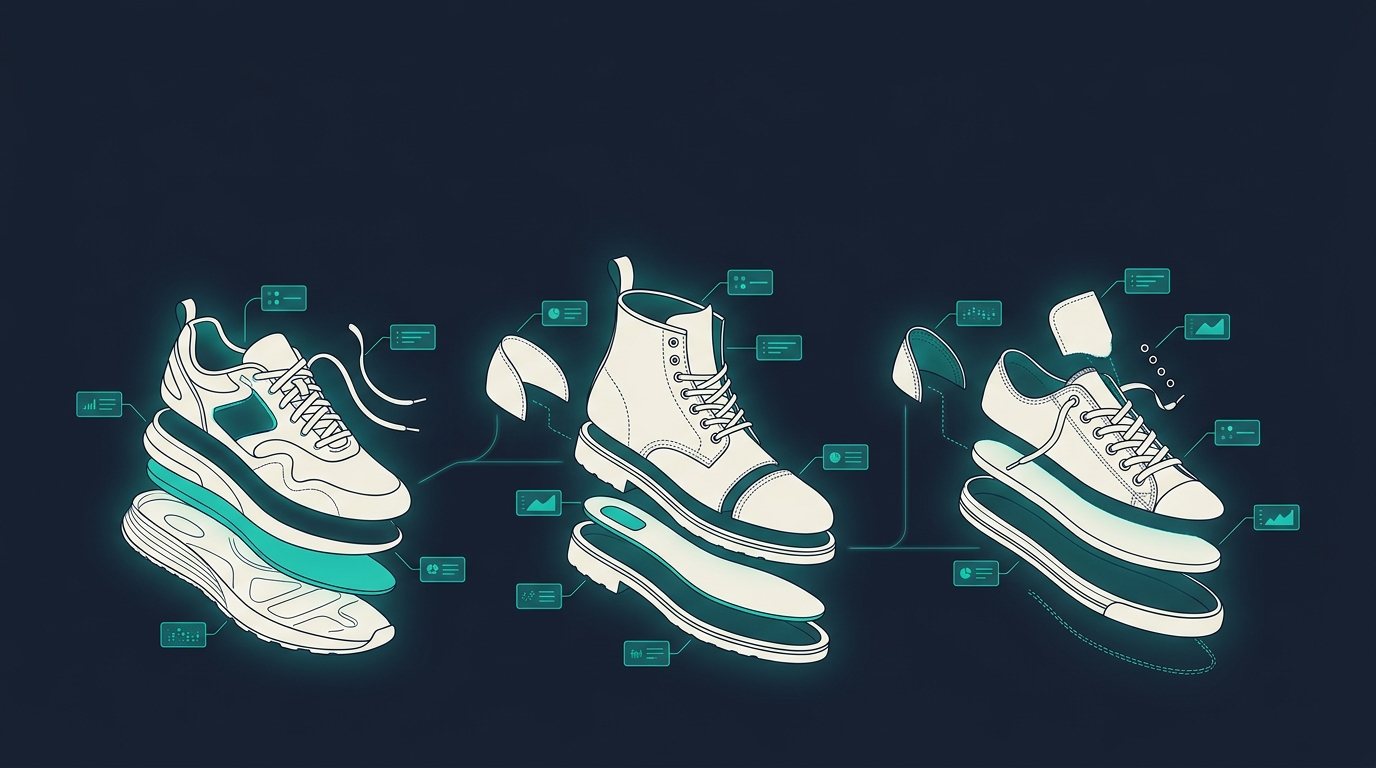
Footwear listings get suppressed on Amazon more than almost any other category. Here's the attribute, identifier, and image bar you have to clear.
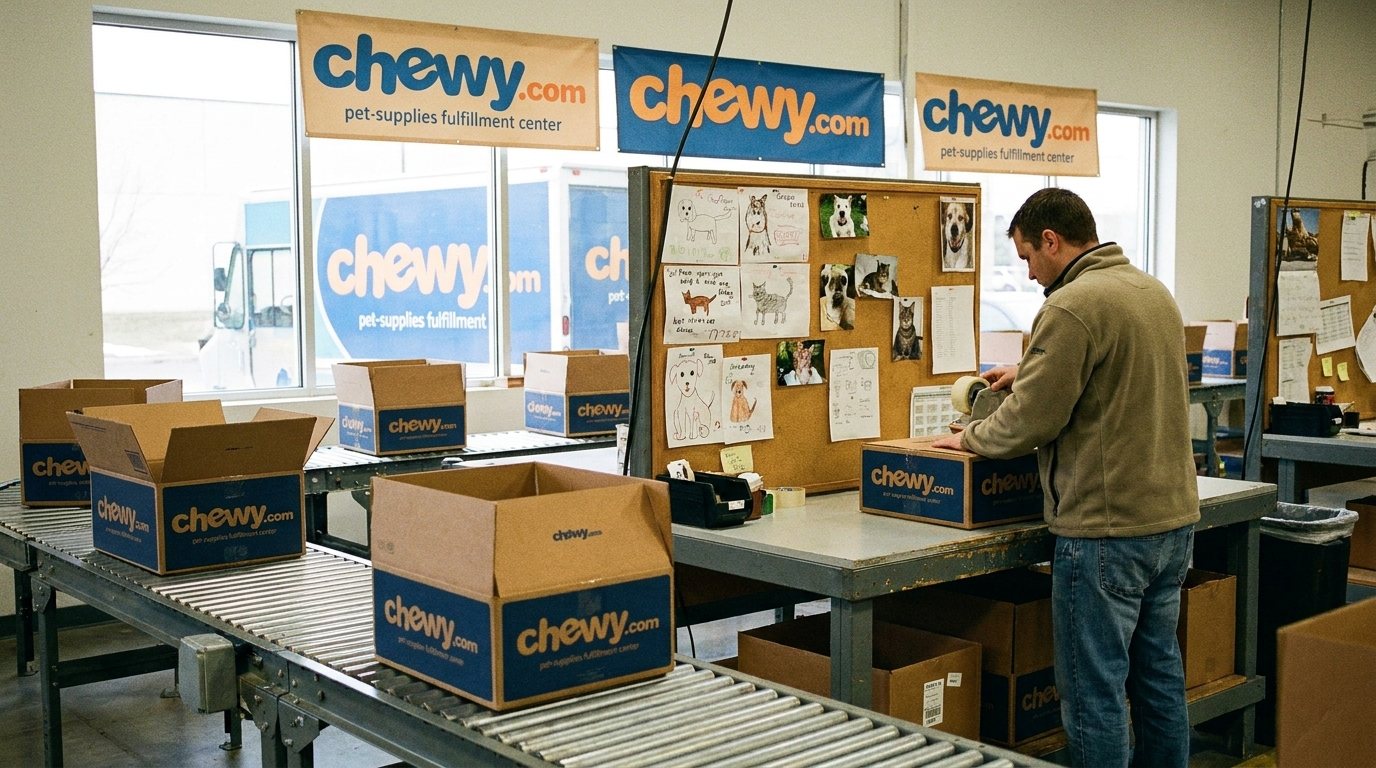
Chewy ranks #40 on NRF's Top 100 Retailers with $12.60B in 2025 U.S. sales. Here is how a hand-written note strategy beat the ghost of Pets.com.
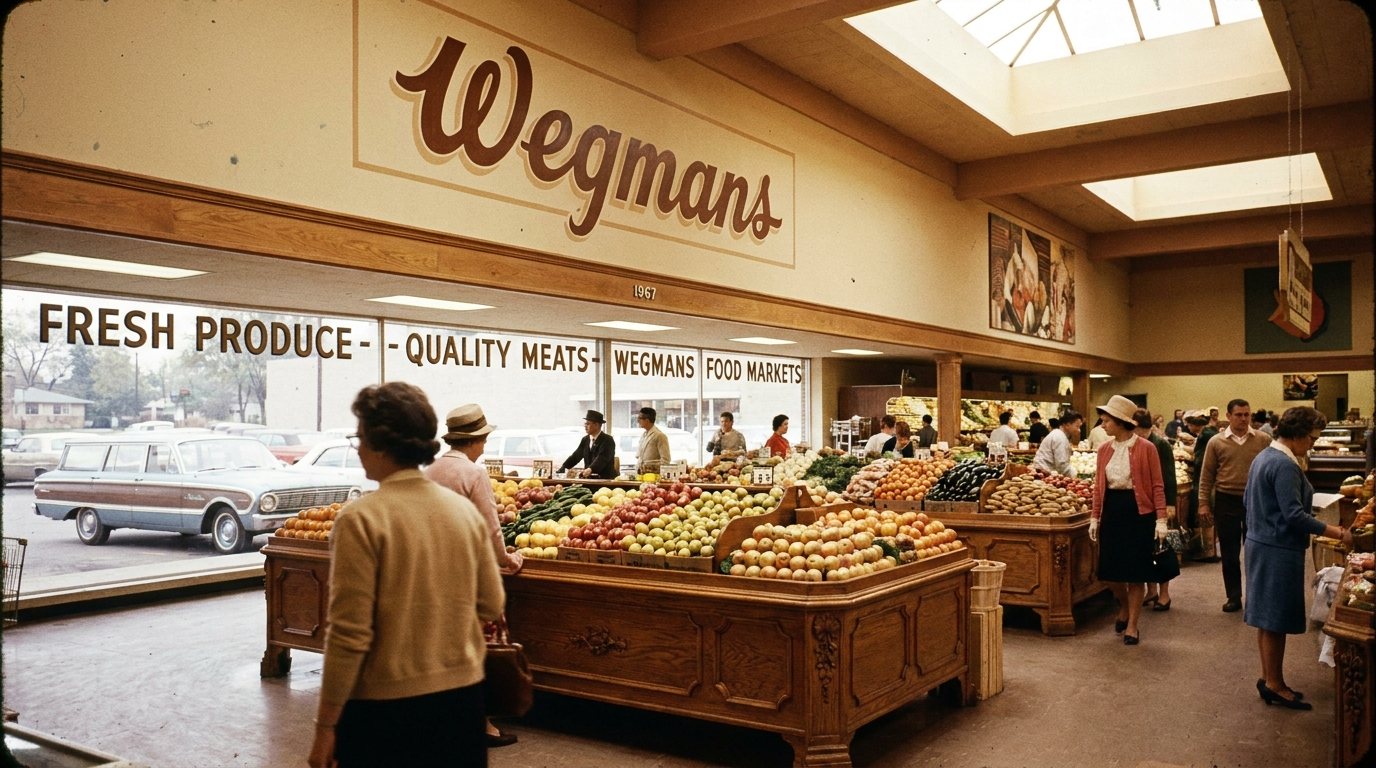
Wegmans lands #38 on NRF's Top 100 Retailers list with $13.36B in sales. Here is how two brothers' 1916 produce cart became one of America's most admired grocers.
Sporting goods forecasts run on attribute rollups and like-item matching. See where thin or free-text product data quietly wrecks accuracy.
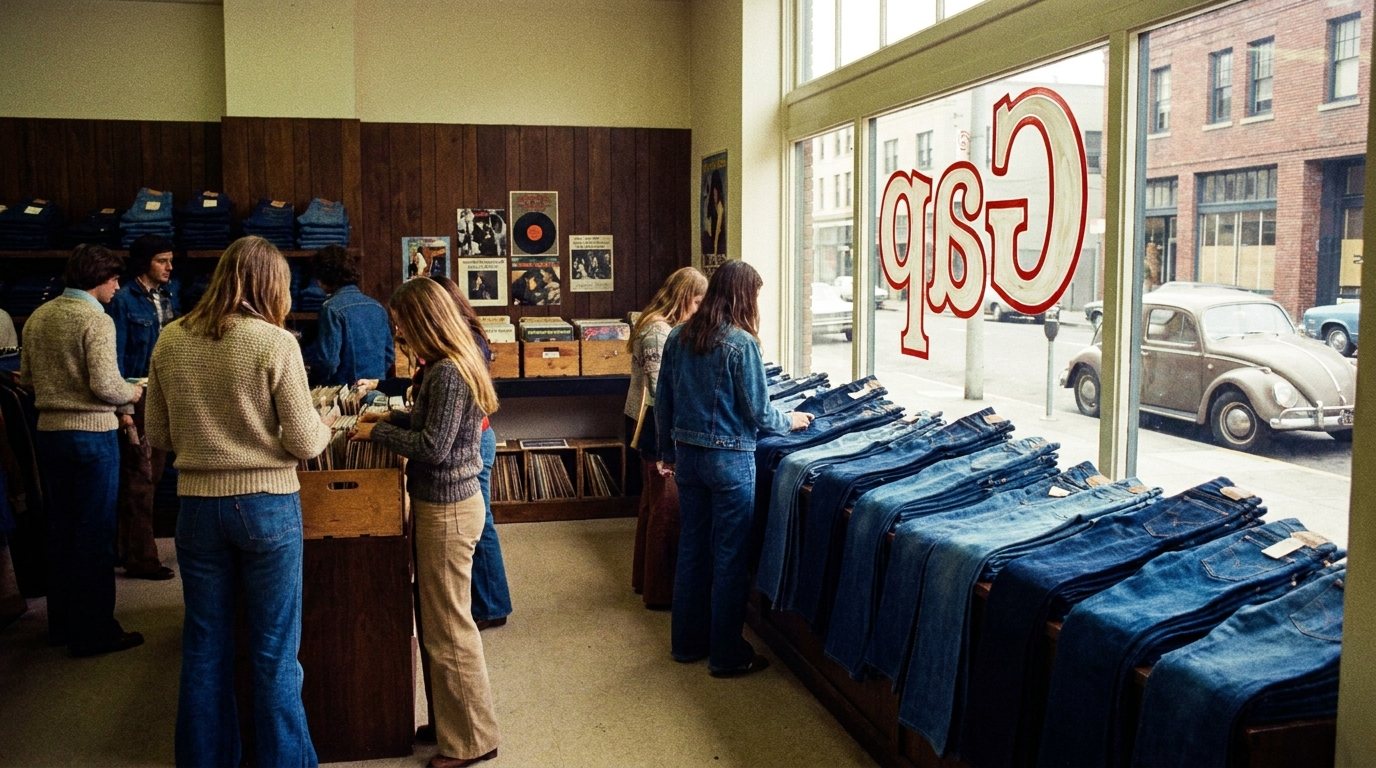
Gap is #37 on NRF's 2026 Top 100 Retailers ($13.43B). How a single San Francisco Levi's shop became a three-brand empire, lost its way, and rebuilt.

Wrong specs, fitment, or images cost more than empty fields ever will. Here's the cost math on inaccurate product data, and how to measure it.

Wireless earbuds get filtered out of search and AI answers when specs like ANC, codec, and IP rating go missing. Here's the schema that fixes it.

Which schema.org Product and Offer fields drive Google rich results and AI citations, how to populate them, and the mistakes that disqualify a page.

Filters and browse paths are how shoppers and marketplaces narrow millions of SKUs down to a handful. Land in the wrong node — or too shallow a one — and you're not ranked low, you're not in the room.
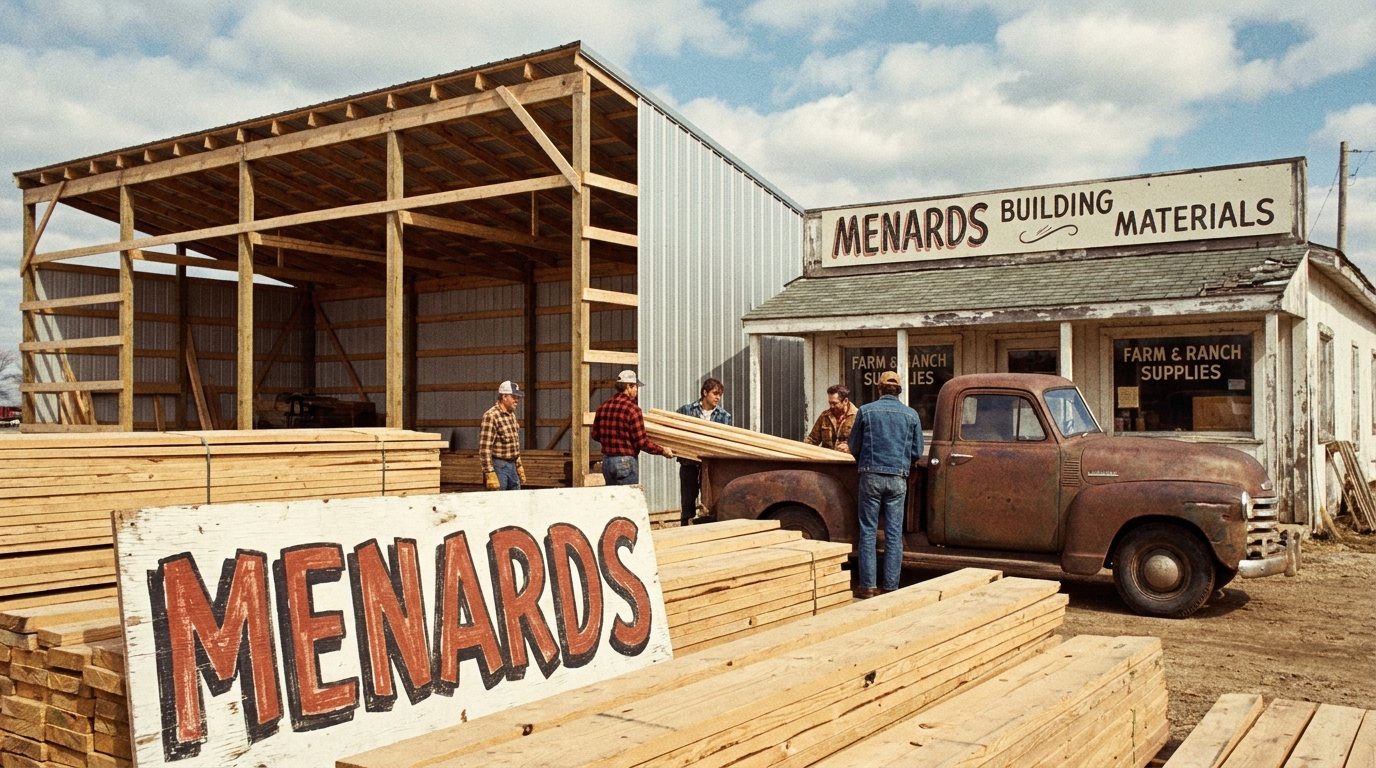
Menards ranks No. 36 on NRF's Top 100 Retailers 2026. Here's how John Menard built a debt-free, self-manufacturing chain that outlasted its rivals.
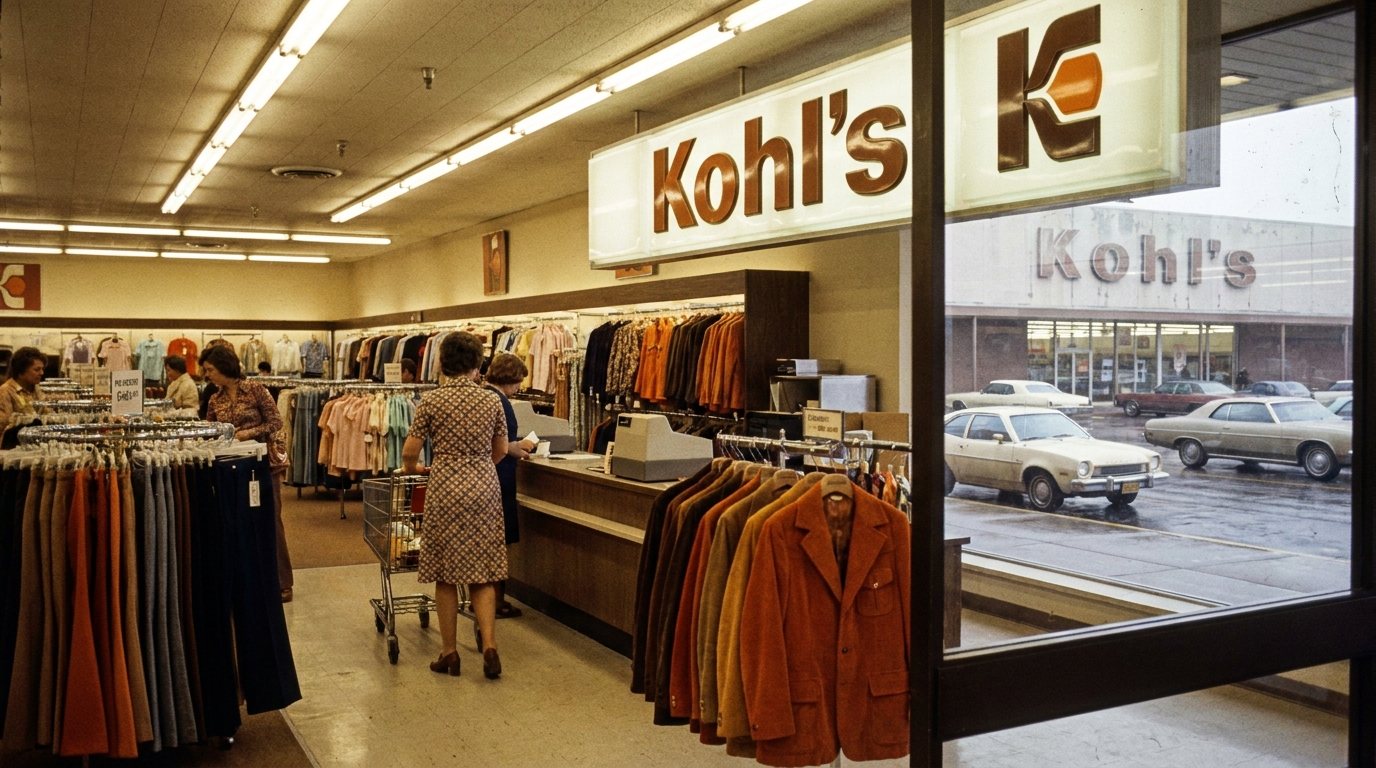
Kohl's went from a Milwaukee grocer to #34 on NRF's Top 100 Retailers with $14.78B in sales, by betting on off-mall strip centers while rivals bet on malls.

JSON-LD, microdata, and visible text explained: what Google, GPTBot, and other AI agents actually parse, and why your markup must match the page.
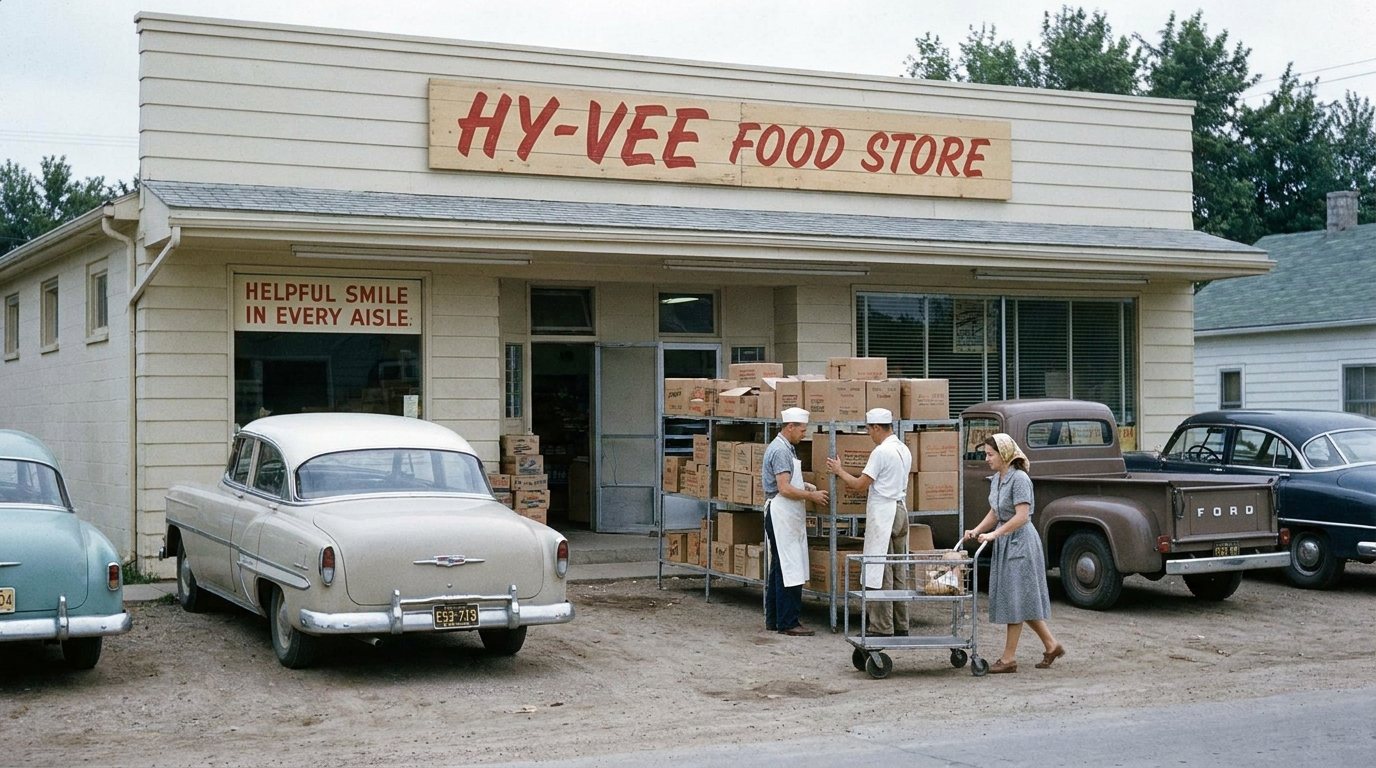
Hy-Vee ranks #35 on NRF Top 100 Retailers with $14.19B in 2025 sales. Its employee ownership model began as an 1938 merger deal, not a perk.
Apparel sellers lose sales to fit uncertainty, not just weak traffic. Here's how to measure what product data actually moves and build a case finance believes.
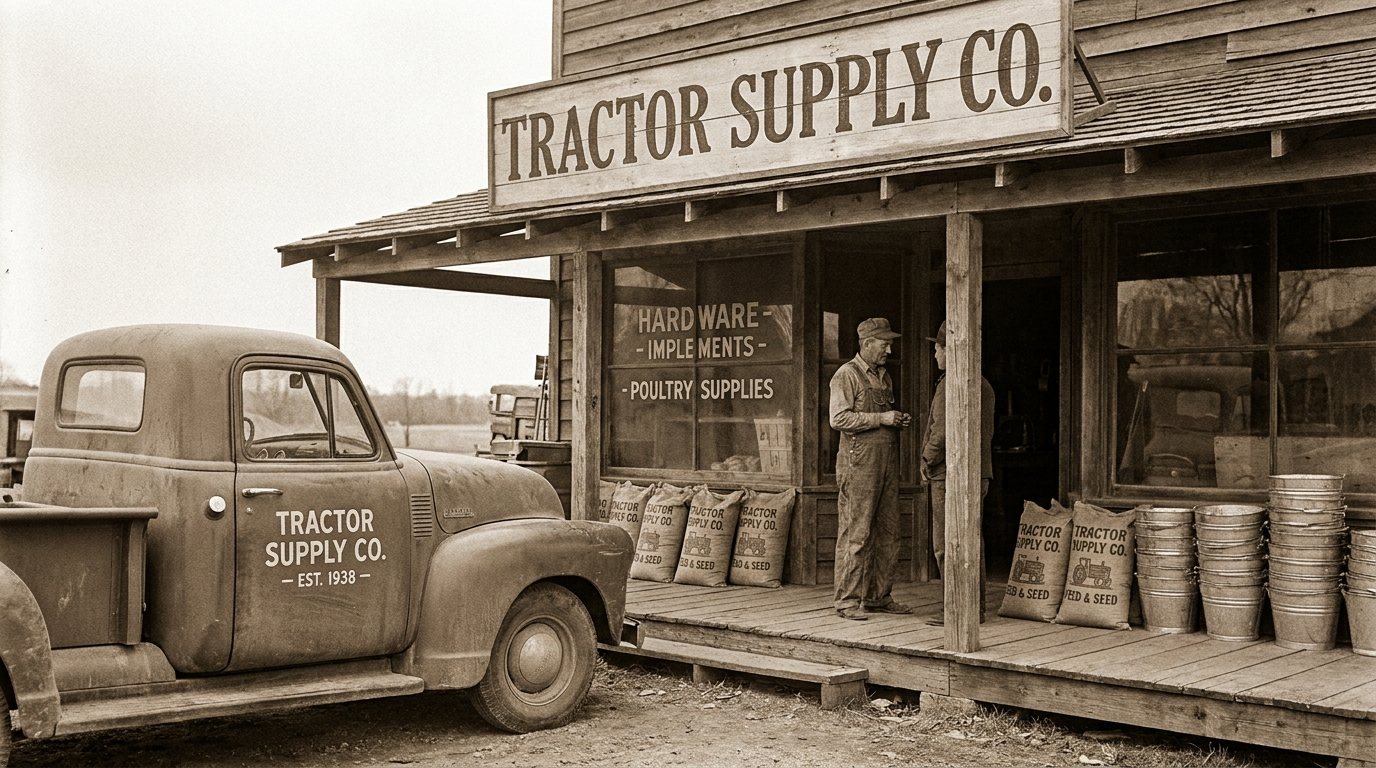
Tractor Supply Co. is #32 on the NRF Top 100 with $15.52B in 2025 sales. Its history is a lesson in surviving four owners and one bankrupt rival.

The product-data KPIs that actually predict revenue, the vanity metrics wasting your team's time, and a four-metric starter scorecard to track both.
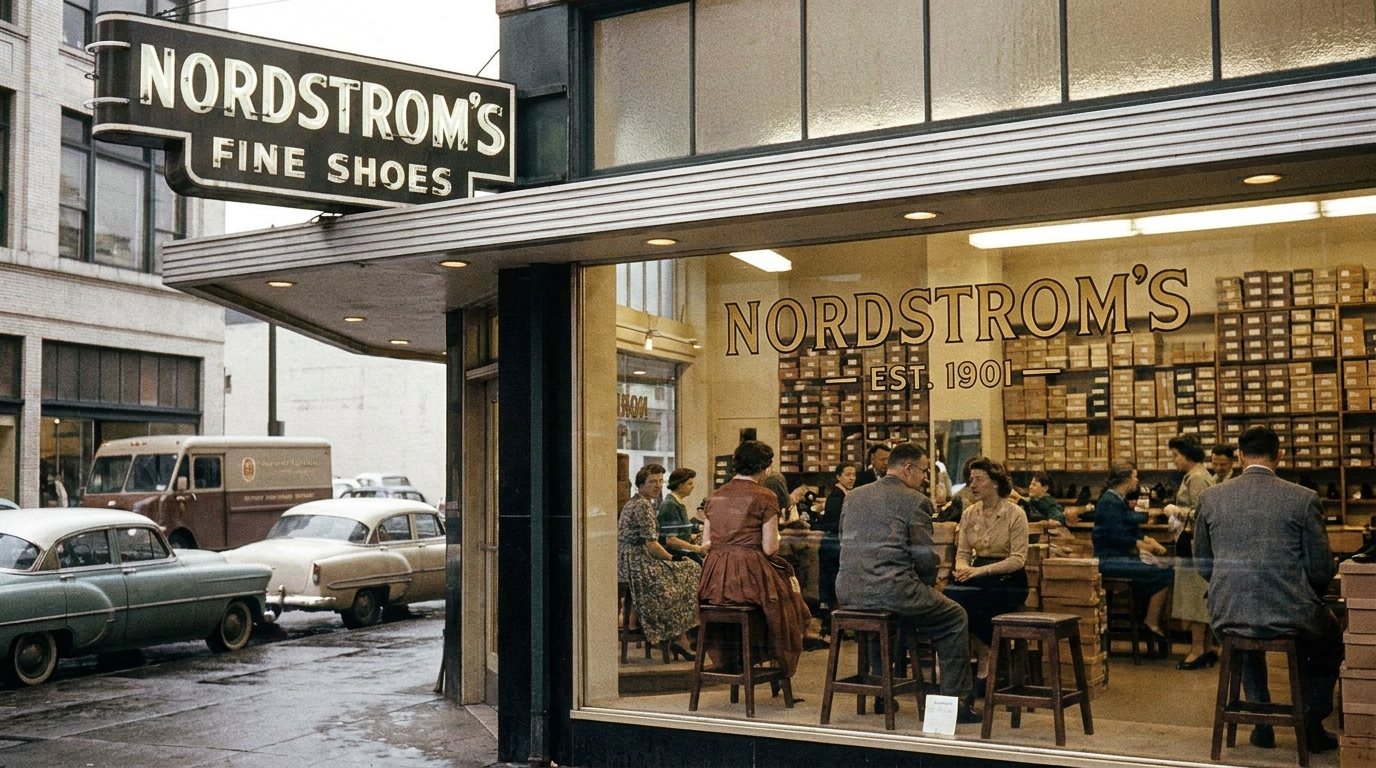
Nordstrom ranks #33 on NRF's Top 100 with $14.90B in 2025 U.S. sales. The history behind a 1901 shoe shop that built retail's service standard.

Why grocery & CPG listings get suppressed on Amazon and marketplaces, the identifier/content bar each channel enforces, and how to hit channel-ready completeness without re-keying.

Why grocery and CPG demand forecasts break at the attribute layer, and what clean pack size, shelf life, and variant data fix.

A French-door fridge with no depth, capacity, or ENERGY STAR data disappears from filters and AI answers. Here's how to fix the attribute set.
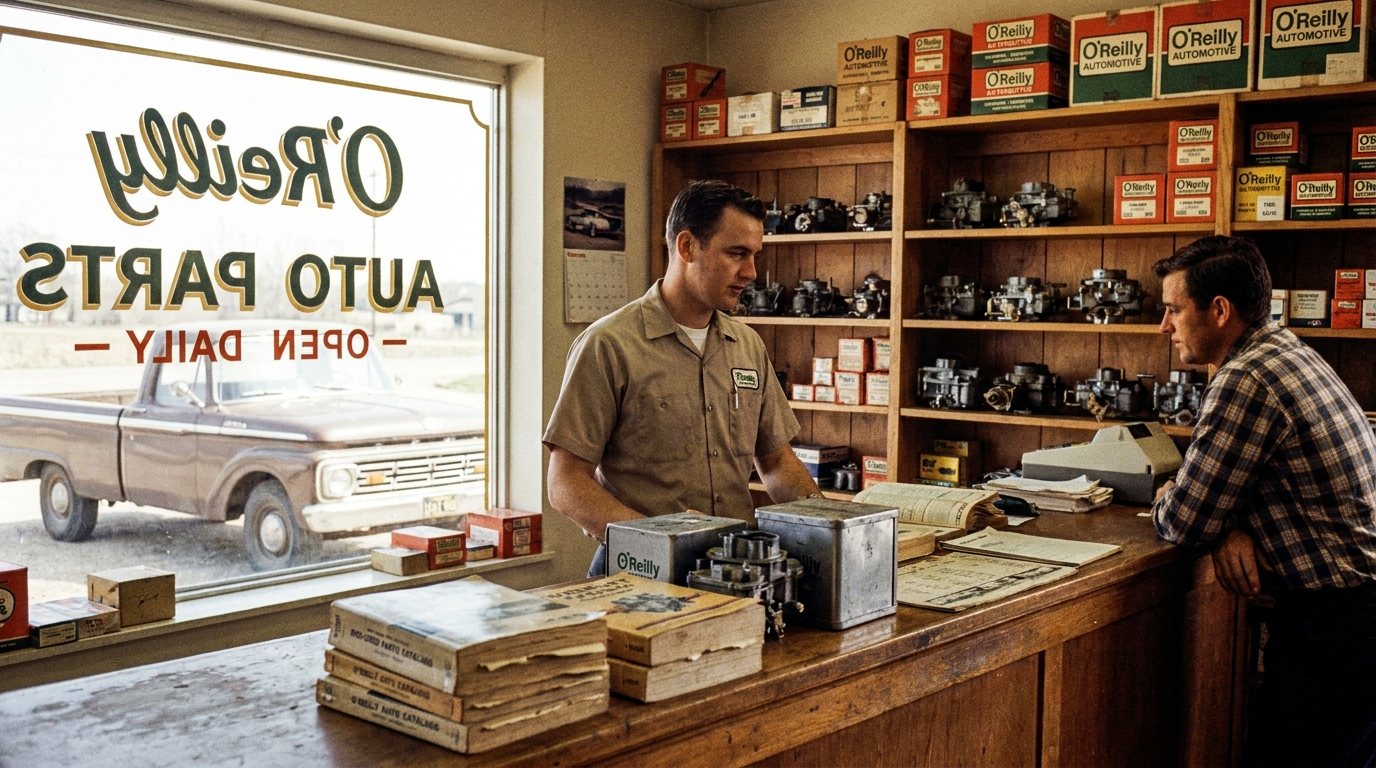
O'Reilly Auto Parts ranks #30 on NRF's 2026 Top 100 with $17.07B in U.S. sales. Here's how a father-son jobber grew into a 6,500-store chain.

A platform-agnostic checklist for turning enriched product data into an agent-readable PDP: rendering, JSON-LD, identifiers, media, and Core Web Vitals.

Beauty shoppers now ask AI to recommend products before they ever open your site. Here's why thin catalog data keeps you out of the answer.
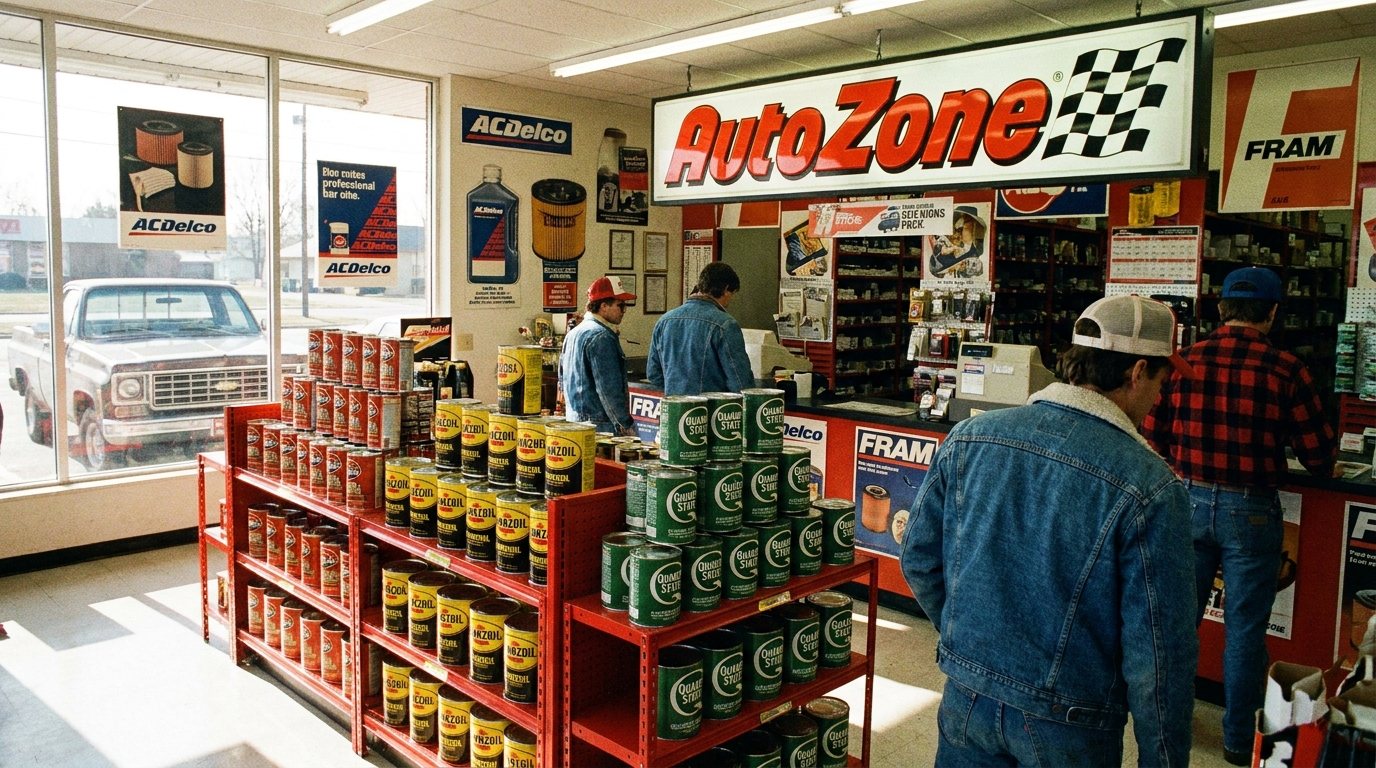
AutoZone ranks #31 on the NRF Top 100 with $15.94B in 2025 sales. Its history reveals a discipline most retailers avoid: negative shareholder equity.
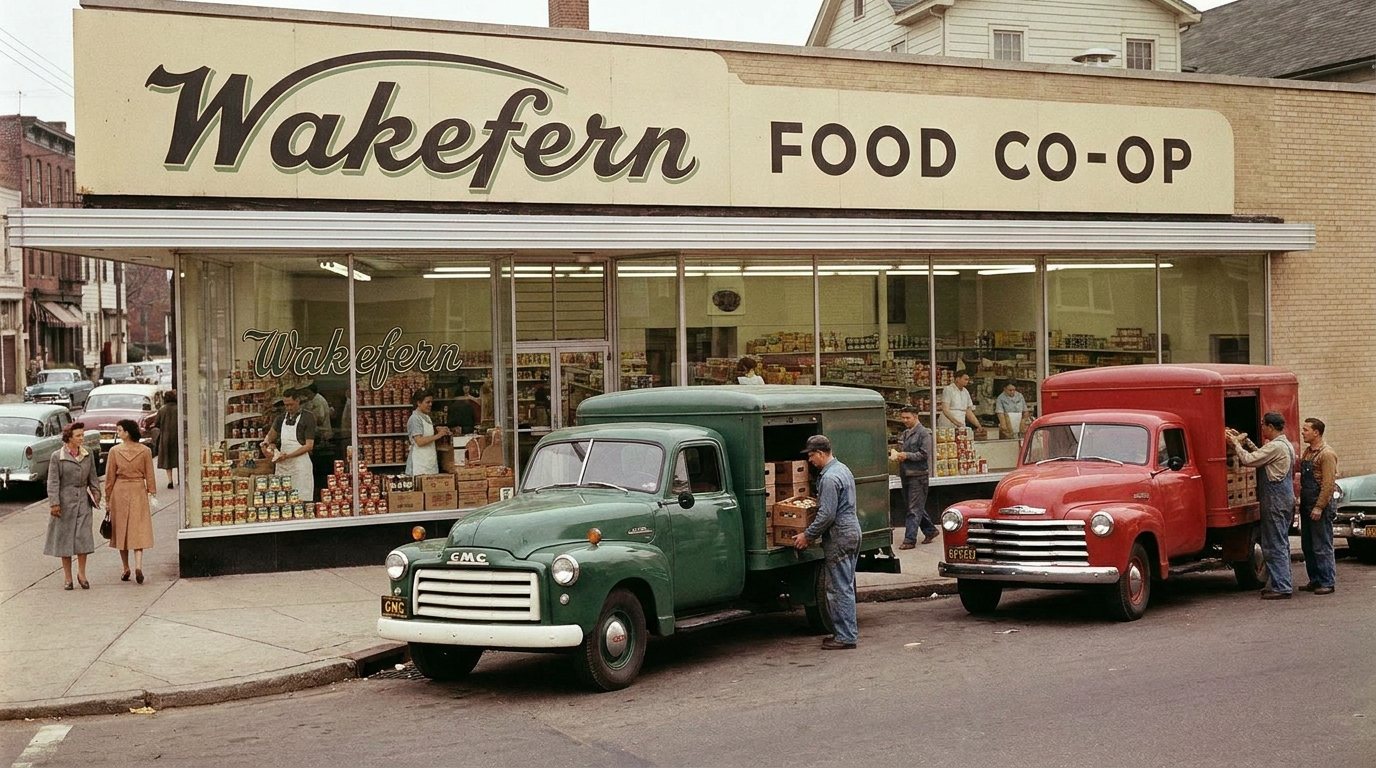
Wakefern, the cooperative behind ShopRite, ranks #28 on NRF's Top 100 Retailers 2026 with $19.57B in sales. Here is how seven grocers built it.

Office supplies attributes like page yield, GSM, and ring size decide filter and AI-answer visibility. See a toner cartridge before/after fix.
Dollar Tree rode a one-dollar price cap to a national chain, bought Family Dollar for $8.5B in 2015, then sold it a decade later. Here is that arc.
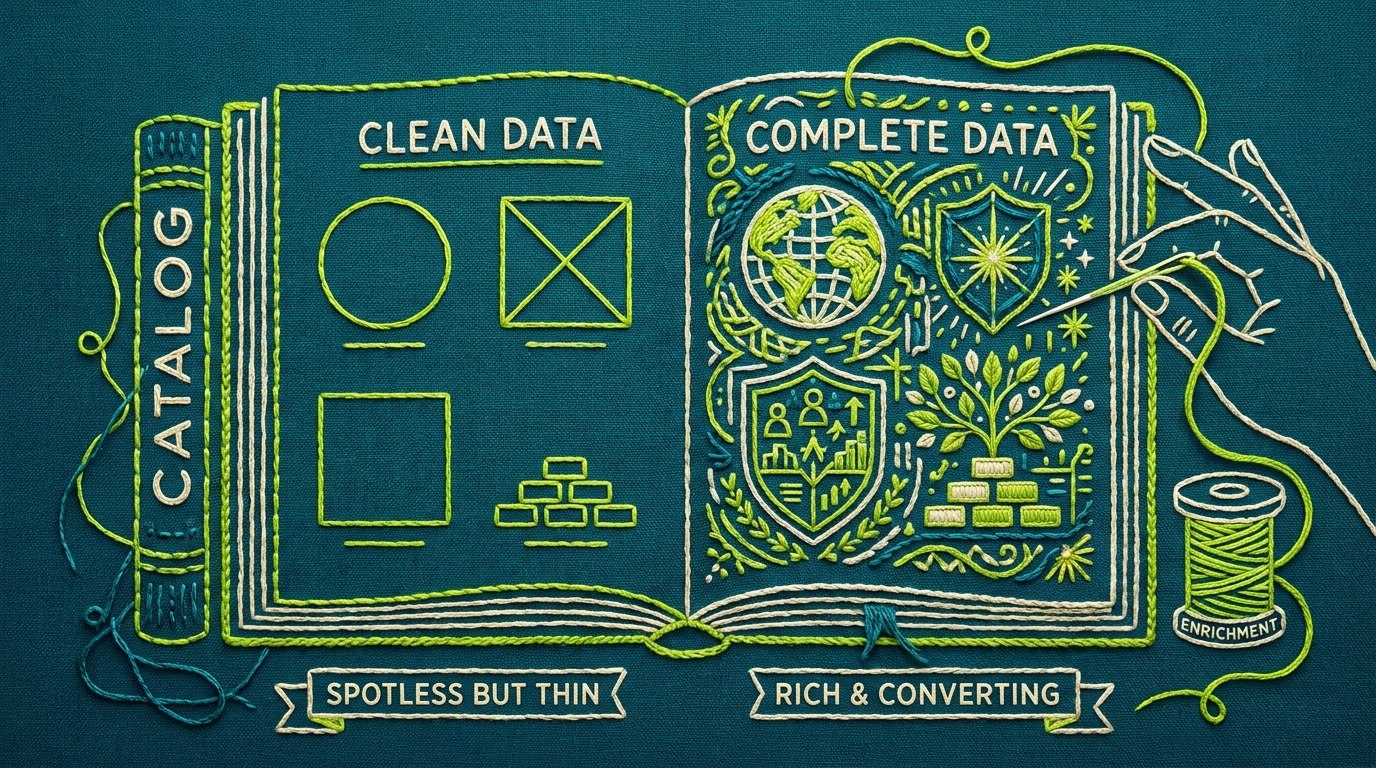
Data cleansing fixes what's already there. Enrichment adds what was never captured. Most catalogs are spotless and still thin — and a tidy listing with nothing in it converts no better than a messy one.

How headless storefronts render product pages, why client-only rendering hides product data from crawlers, and how to fix it and verify with curl.
How a Binghamton tackle shop became the #27 retailer in the country, and why its riskiest decision came from a store aisle, not a boardroom.

Heritage and replenishment brands don't need continuous enrichment. Here's the project-plus-cadence model that fits an 80-90% carryover catalog.
BJ's Wholesale Club ranks #26 on the NRF Top 100 with $21.05B in sales. Here is how a Zayre side project became a lasting warehouse-club power.

The apparel attributes that actually drive filters, size logic, and AI shopping answers, with a men's dress shirt before/after schema you can copy.

Verizon ranks #24 on NRF's 2026 Top 100 Retailers list with $21.78B in U.S. sales. How the Bell Atlantic and GTE merger built its retail floor today.

Swapping the language is the easy 20%. Sizing conventions, units, regulatory disclosures, and the words people actually search — that's the part that decides whether a listing sells or just exists in a new market.

How enriched Shopify product attributes move from metafields into rendered HTML and JSON-LD, with Liquid code and a view-source validation checklist.

Why pet supplies listings lose the buy box on Amazon and marketplaces, the attribute and identifier bar retailers now enforce, and how to close the gap.
Macy's ranks #25 on NRF's Top 100 Retailers 2026 at $21.68B in U.S. sales. Its real history is a century-long rollup now running in reverse.

Health & Supplements product data is thinner than the $72.9B category can afford — here's what it's costing retailers and why 2026 raises the stakes.
Health and supplements shoppers ask specific questions before they buy. Here's the checklist for product pages that answer them, and why gaps drive returns.

How grocery and CPG teams tie product data quality to PDP conversion, returns, and traffic, and build an ROI case finance actually signs off on.

Structured attributes drive cross-sell and bundle accuracy. Here's how to measure the AOV, units-per-order, and attach-rate lift from better product data.
AT&T ranks #23 on NRF's Top 100 Retailers, per NRF. Its stores exist because of a 1984 breakup, a $41B buyback, and a bet Steve Jobs made on the weakest carrier.

How WooCommerce renders product pages server-side, where JS-only setups hide data from crawlers, and how to confirm your PDP HTML is fully readable.
Ross Stores nearly collapsed in 1986 after reckless expansion. The turnaround discipline it forged became the off-price playbook still running today.
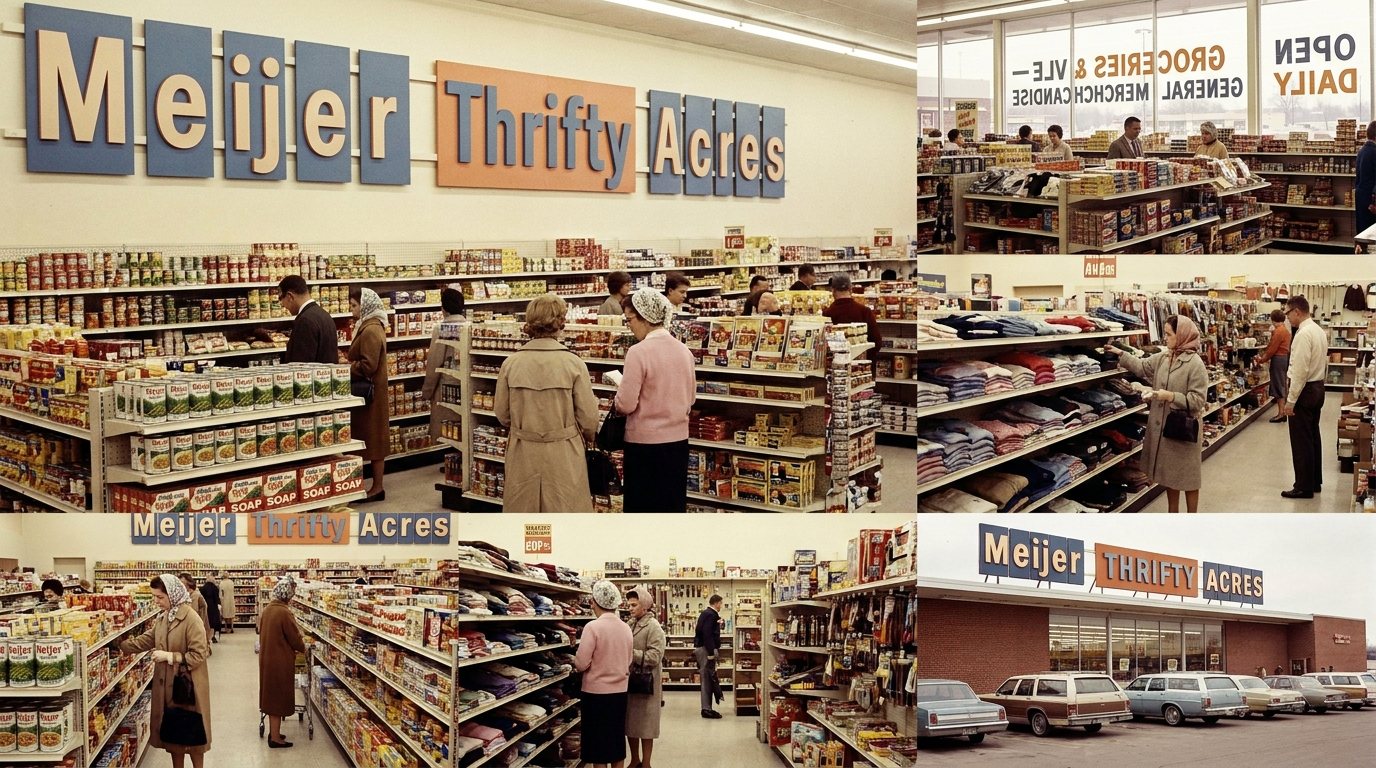
Meijer invented the American hypermarket in 1962, stayed private for 90 years, and built a $22.82 billion grocery-and-general-merchandise chain.

Fill rate says a field is populated. It says nothing about whether the value is right, and forecasts built on unverified attributes fail quietly.

A planning leader's CFO-ready case for product data: where the markdown, dead-stock, and returns money actually hides, and how to size it.

A PIM stores product data beautifully. It doesn't gather it, clean it, enrich it, or fix it when it's wrong. That gap is where most catalogs quietly fall apart.

Google's UCP lets shoppers buy straight from AI Mode and Gemini — but your product feed decides whether you even show up. Here are the 6 things that put you in the cart (and keep you out).

Furniture shoppers now ask ChatGPT and Gemini to pick the sofa. If your product data is thin, the AI recommends a competitor instead.

Product copy, imagery, and BOMs disagree constantly. Here is how to detect those conflicts and resolve them with a defined trust hierarchy instead of luck.

Style-color sell-through reports average away the demand breaks that matter. Here's how attribute-level aggregation finds real assortment white space.
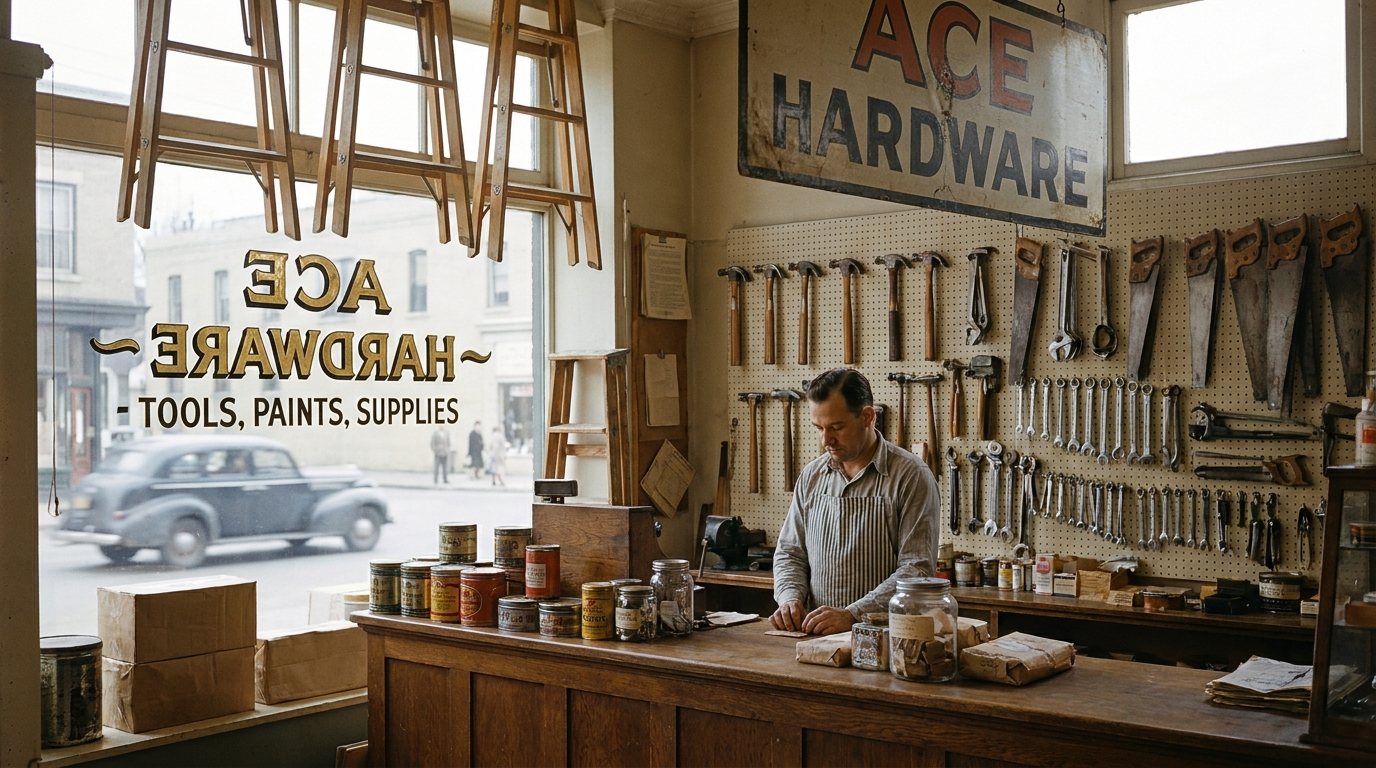
Ace Hardware ranks #19 on NRF's Top 100 with $27.55B in 2025 U.S. sales. Its history reveals how five competitors built retail's toughest moat.

The demand you never converted rarely shows up in a dashboard. Here's how to find and size it using zero-result searches, exits, and returns data.
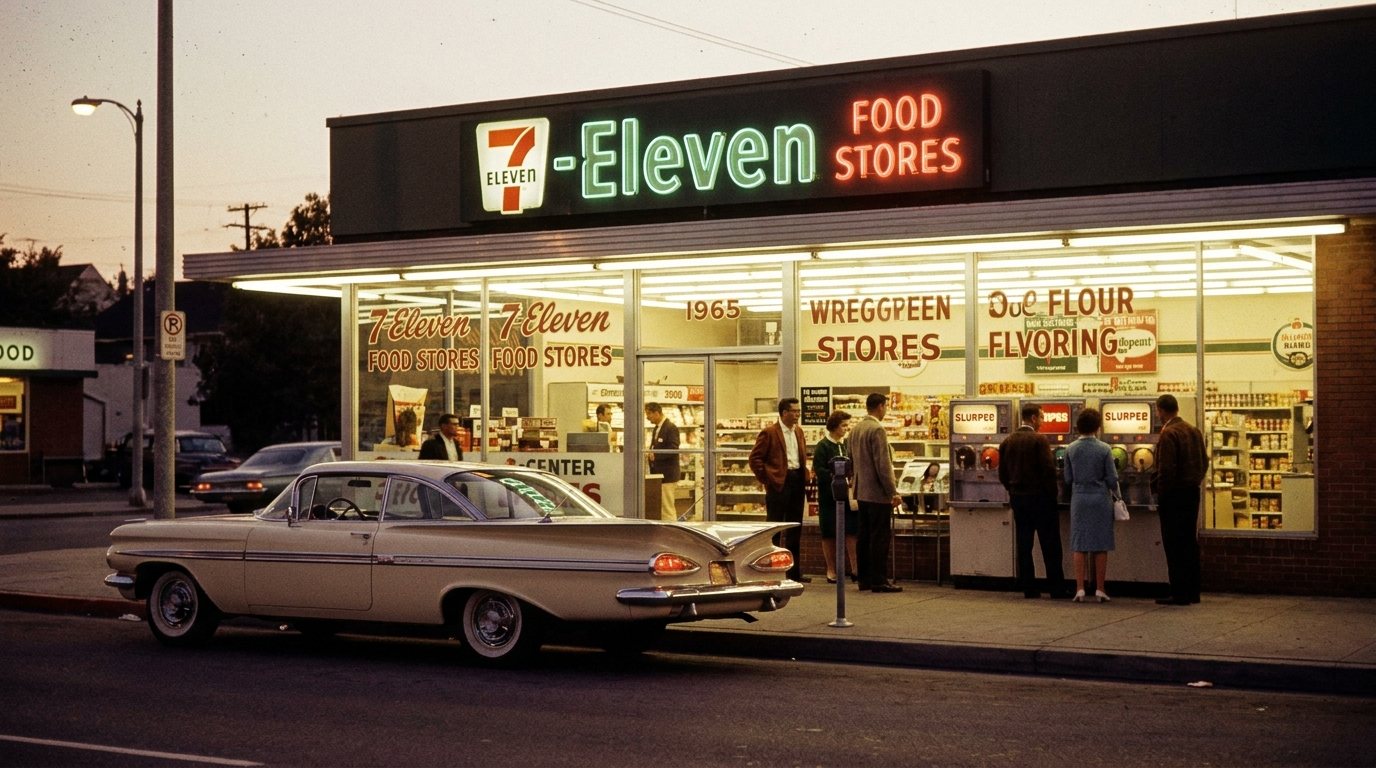
7-Eleven ranks #20 on NRF's Top 100 Retailers 2026 with $25.30B in U.S. sales. The ice-dock origin story behind the world's biggest convenience chain.

AI shopping agents are reranking skincare catalogs in real time. Here's why thin product data gets skipped and what machine-readable data looks like.

Jewelry and watch shoppers filter on metal, carat, movement, and water resistance — here's why missing those attributes hides products from search and AI.

Style-level sofa reports hide the attribute breaks that actually drive furniture demand. Here's how to see the white space and fix the data underneath.
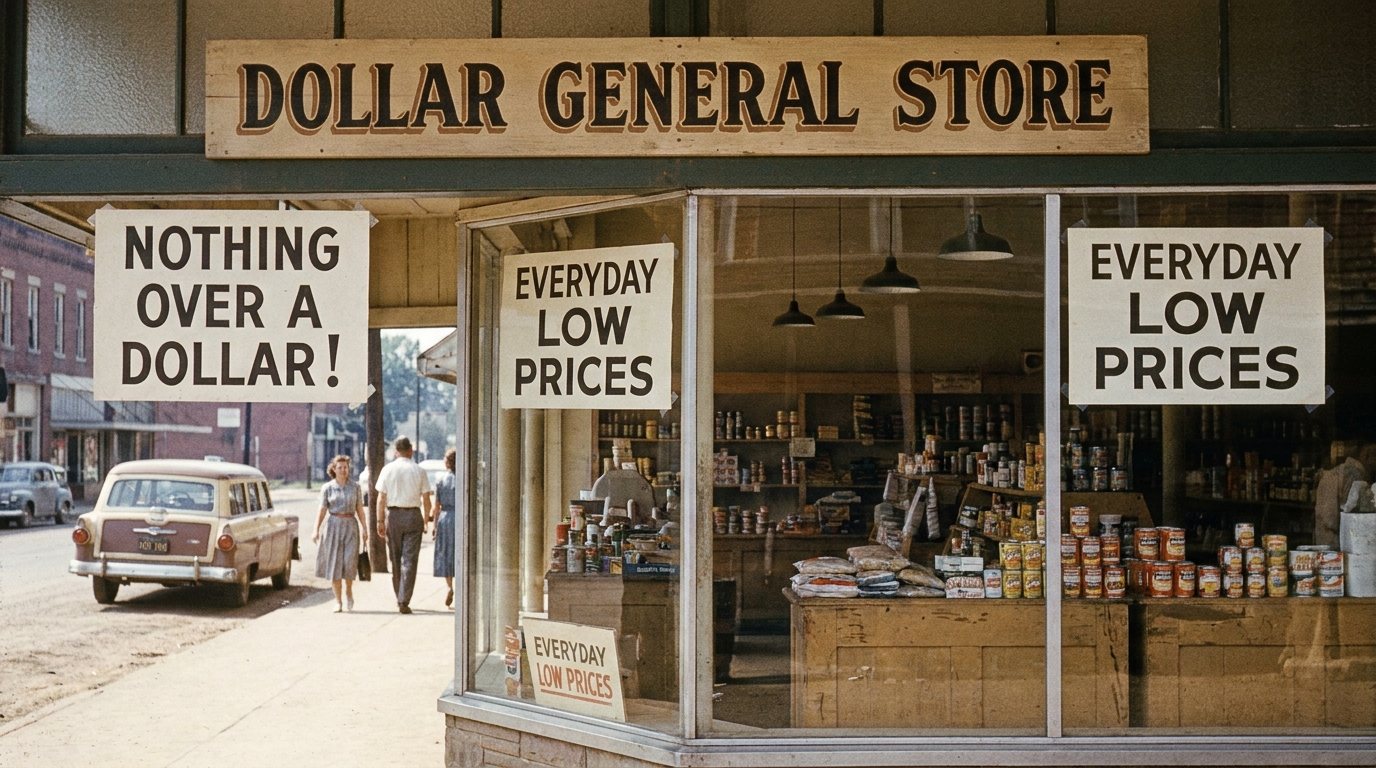
How J.L. Turner's Depression-era liquidation business became Dollar General, and why a brutal 2007 buyout timed perfectly for the recession that followed.

How to map commercetools Product Projections to schema.org Product JSON-LD, handle GTIN/brand/ratings, and keep markup synced with the rendered PDP.
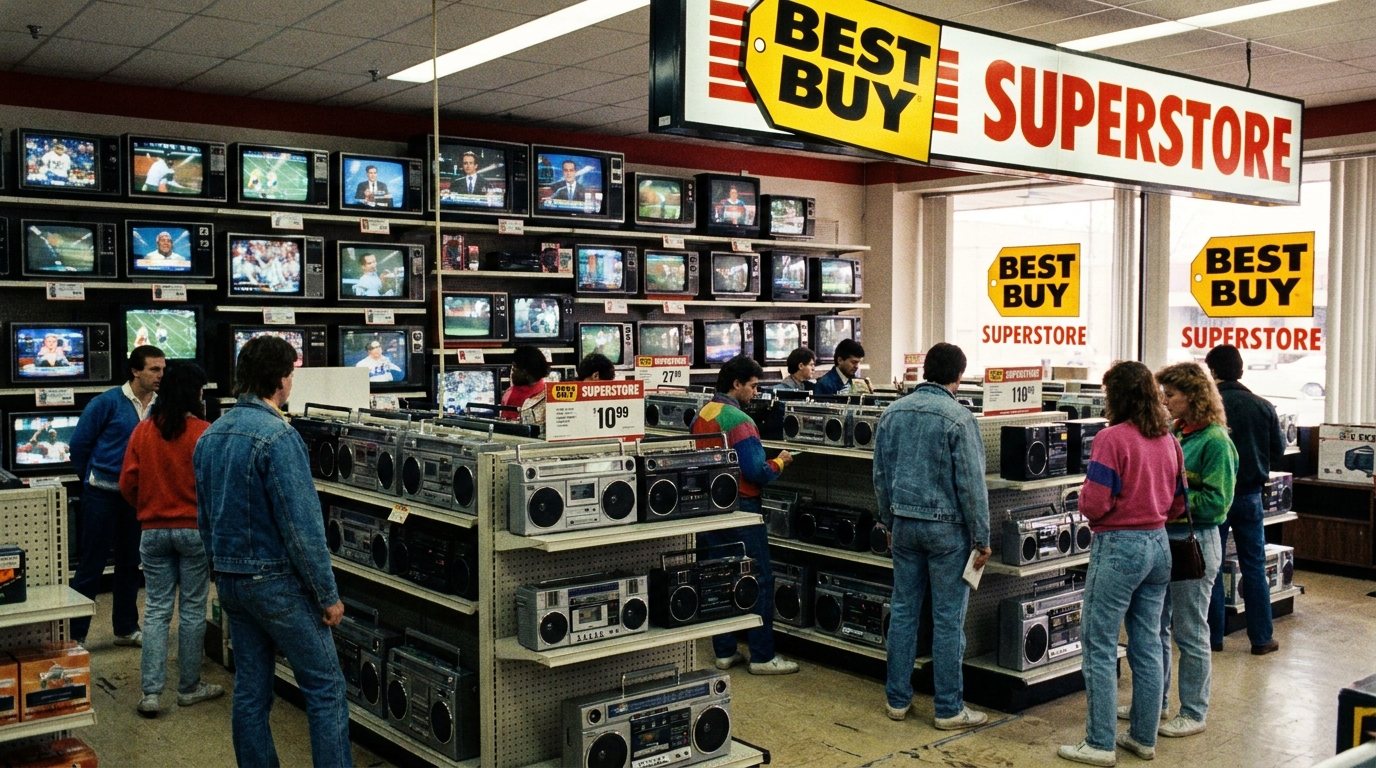
How Best Buy survived a tornado, a 1997 near-collapse, and the showrooming era that killed Circuit City, per NRF's 2026 Top 100 Retailers list.
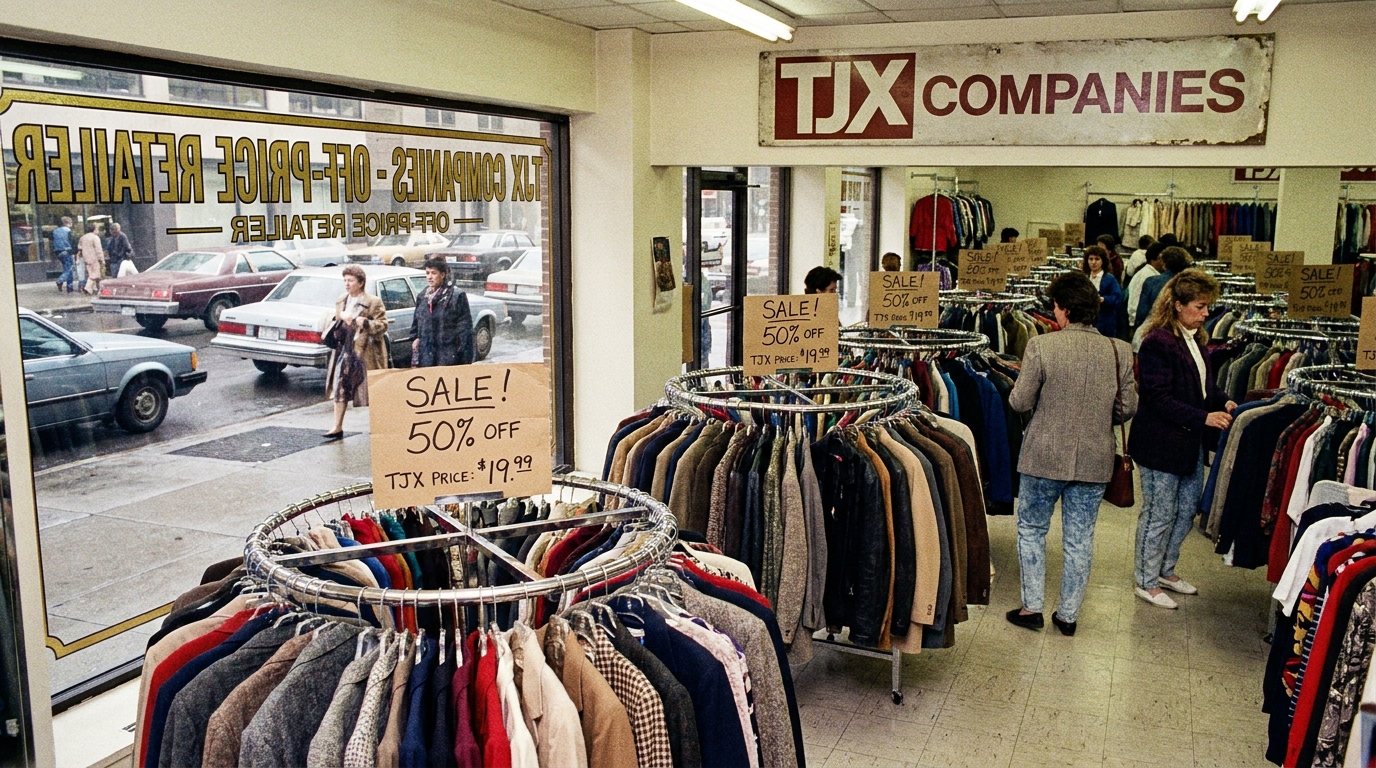
TJX ranks #15 on NRF's 2026 Top 100 with $46.30B in U.S. sales, built from a failing discounter's side project into the empire behind TJ Maxx and Marshalls.

A blank GTIN field doesn't throw an error. It just makes your product harder for a machine to identify, trust, and recommend — so it gets passed over.
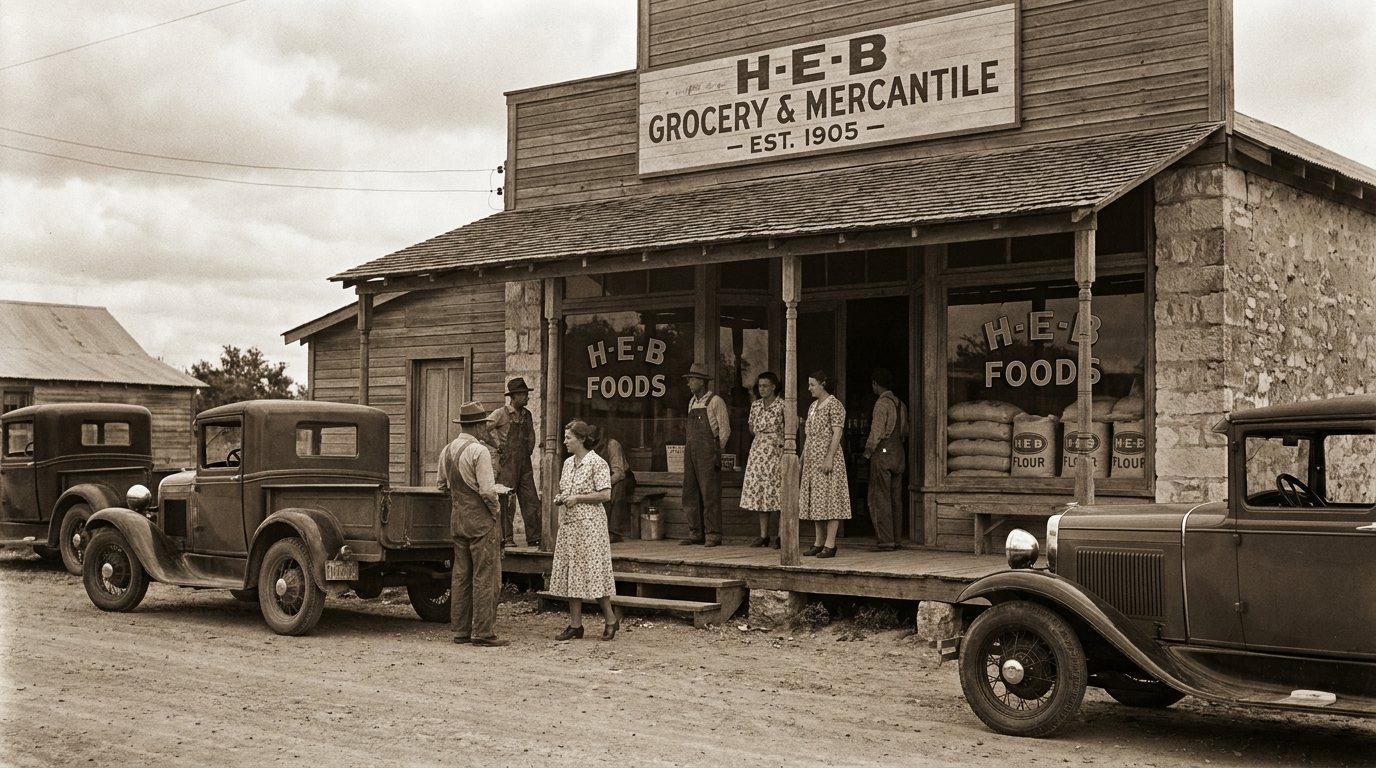
H-E-B ranks No. 16 on the NRF Top 100 with $44.16B in 2025 sales. Here is how a Kerrville dry goods store became the retailer Texans will not let go.

Grocery and CPG catalogs are still thin and inconsistent in 2026, and AI shopping agents now punish that instantly. Here is the real cost and what to fix first.

Grocery and CPG shoppers ask the same handful of questions before every cart click. Here's the checklist for answering them on the product page.

AI shopping agents now rerank consumer electronics by data quality, not domain authority. See why thin spec sheets go invisible and what fixes it.

A new SKU has no sales history, so its forecast borrows one from a similar item. Here's why that similarity match is only as good as your attributes.

How to make a BigCommerce catalog agent-readable: structured attributes, Product JSON-LD, and server-rendered content AI shopping agents can actually parse.
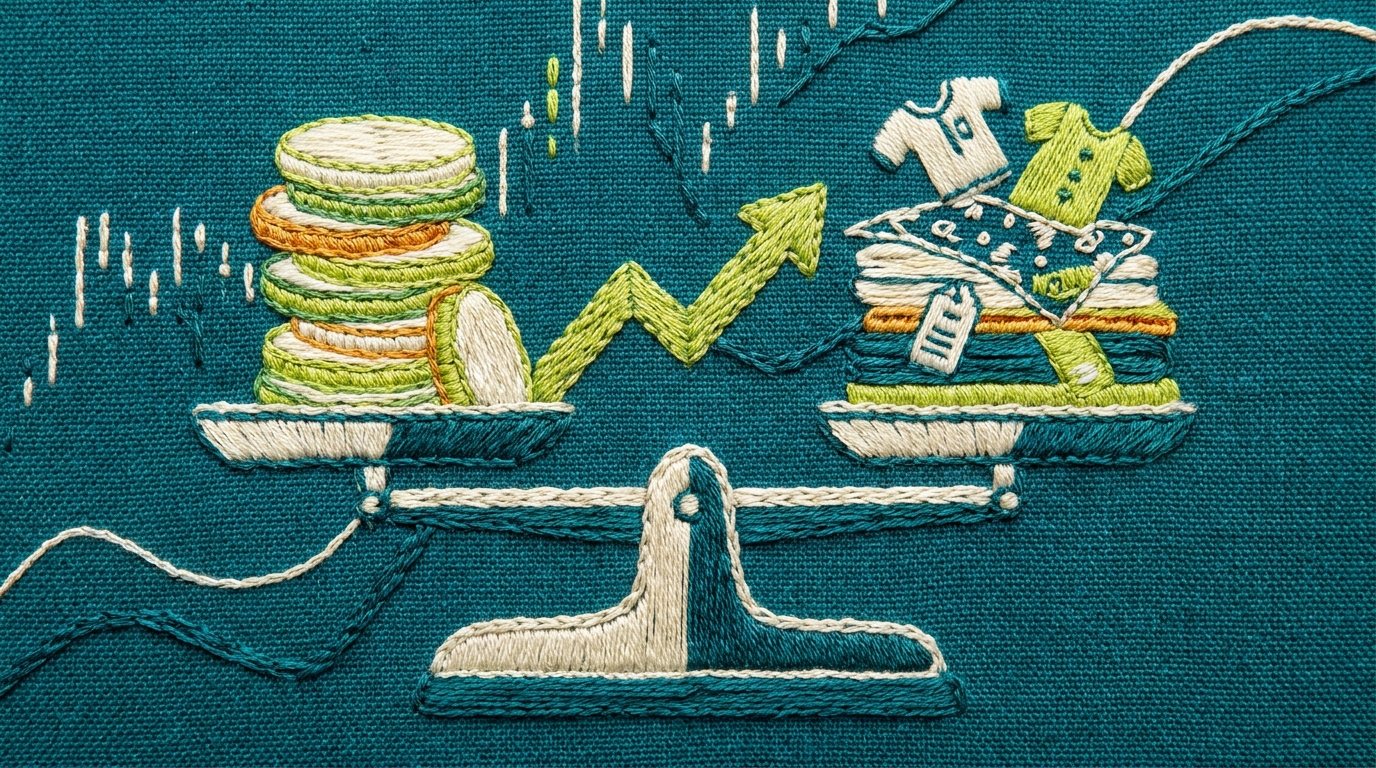
Style-color sell-through is noisy. Roll up the same sales history by attribute value and the winners, losers, and white space stop hiding.

How to add schema.org Product JSON-LD on Adobe Commerce PDPs, which fields (gtin, offers, aggregateRating) matter, and how to keep markup synced with the page.
Publix ranks #12 on NRF's 2026 Top 100 with $62.75B in U.S. sales. The story of its founder's rejected idea and the ESOP that outlasted Winn-Dixie.

PDP conversion is where product data becomes revenue. Here's which fields move add-to-cart, a before/after page, and how to measure it by completeness tier.

Ten spellings of "short sleeve" split one sales history into ten fragments. Here's why free-text attributes break forecasting and how pick lists fix it.

Beauty catalogs are full of missing shades, vague claims, and inconsistent INCI lists. Here's what that actually costs, and why AI shopping agents raise the stakes.

Beauty shoppers ask five questions before buying: shade, finish, ingredients, claims, wear. Here's what happens when your product page can't answer them.
Aldi is #14 on NRF's 2026 Top 100 Retailers list with $58.36B in 2025 U.S. sales. How a 1960 sibling split built two of America's grocery chains at once.
Ahold Delhaize USA ranks #13 on NRF's Top 100 with $59.83B in 2025 sales. The history behind Stop & Shop, Giant, Food Lion, and Hannaford, unified.

When an AI agent does the shopping, it never sees your homepage, your hero image, or your brand video. It reads your feed. That's the whole storefront now.
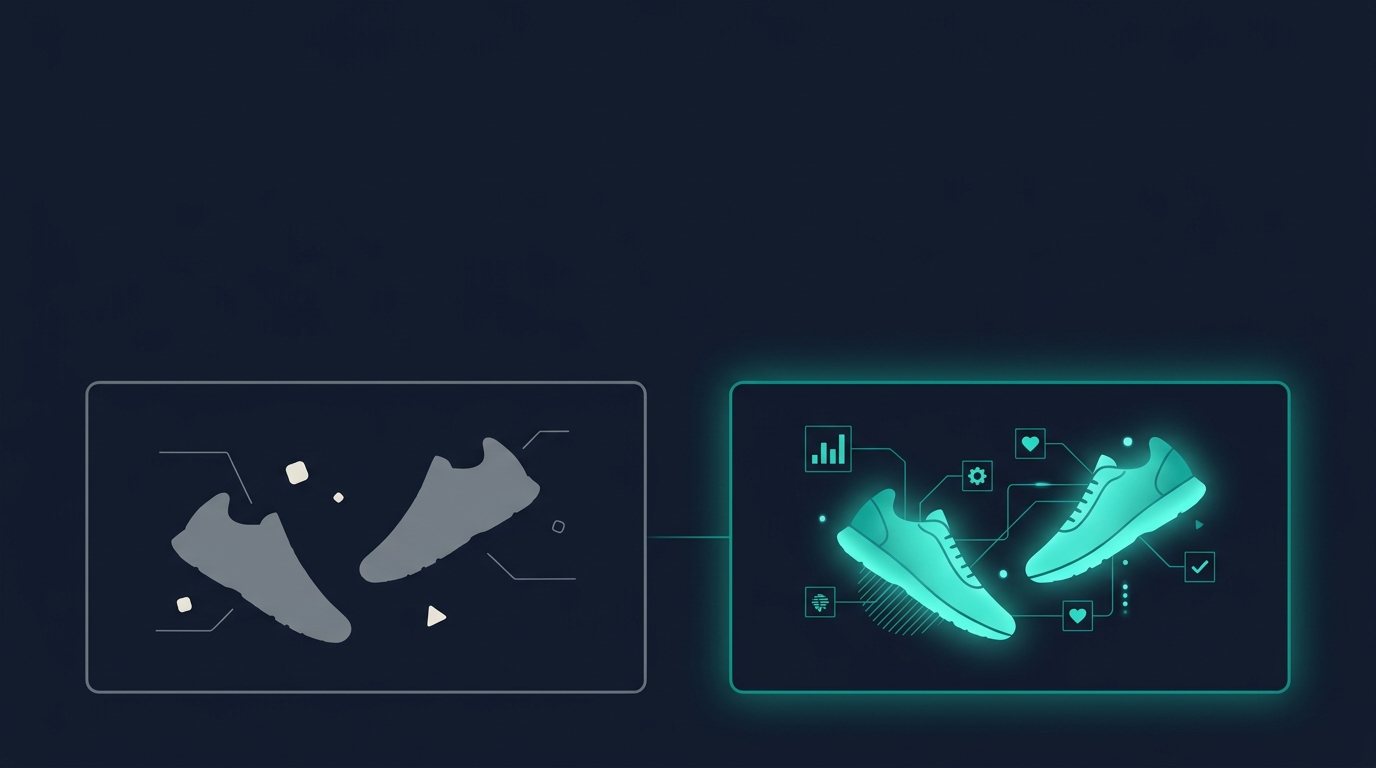
Width, drop, stack height, lacing: the footwear attributes shoppers actually filter on, and why missing them silently drops products from search.
Style-level assortment reviews hide the attribute-level gaps in footwear lines. Here's how to see white space, over-assortment, and break points before you buy.

Why thin beauty feeds lose the buy box on Amazon, the attribute and identifier bar marketplaces enforce, and how brands reach channel-ready completeness.
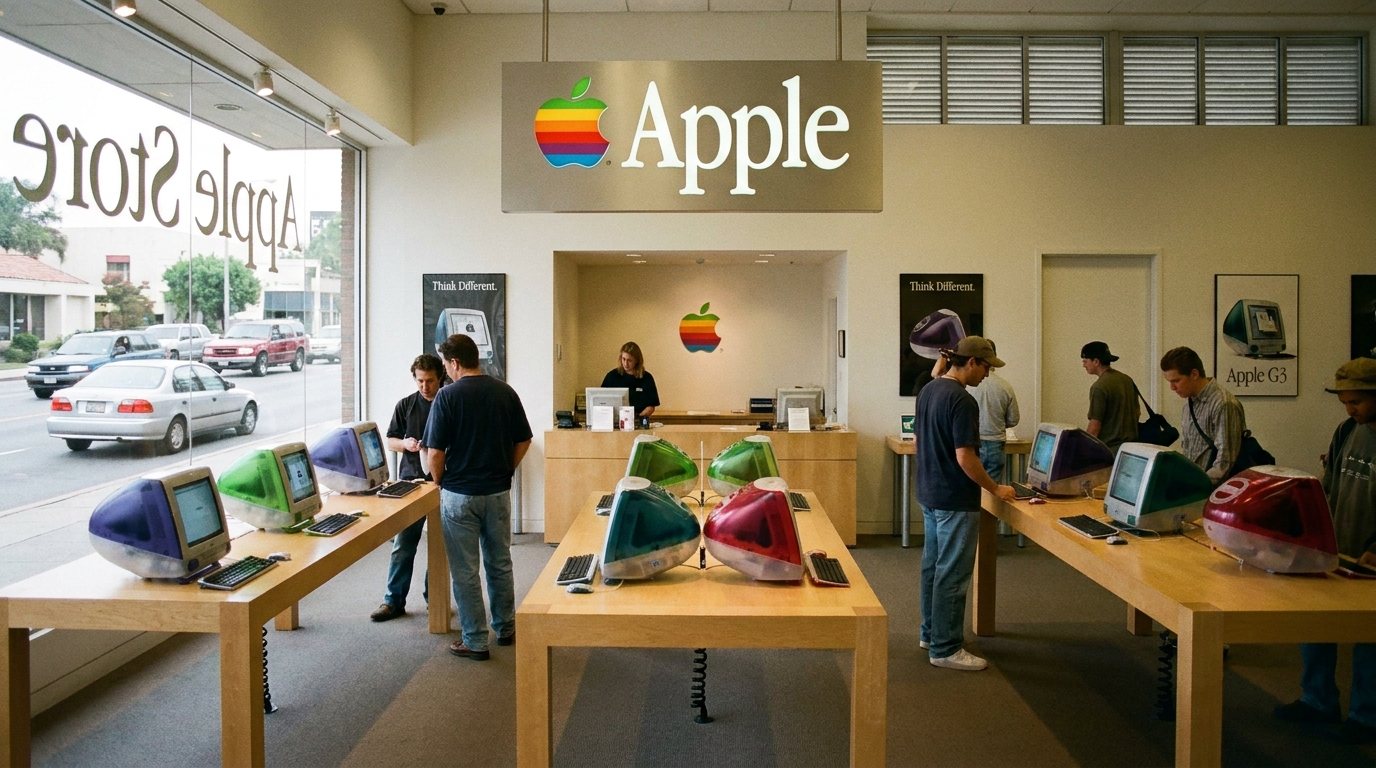
Apple ranks #11 on the NRF Top 100 with $75.9B in 2025 U.S. retail sales. Here's how a store idea the press mocked in 2001 became a retail model everyone now copies.
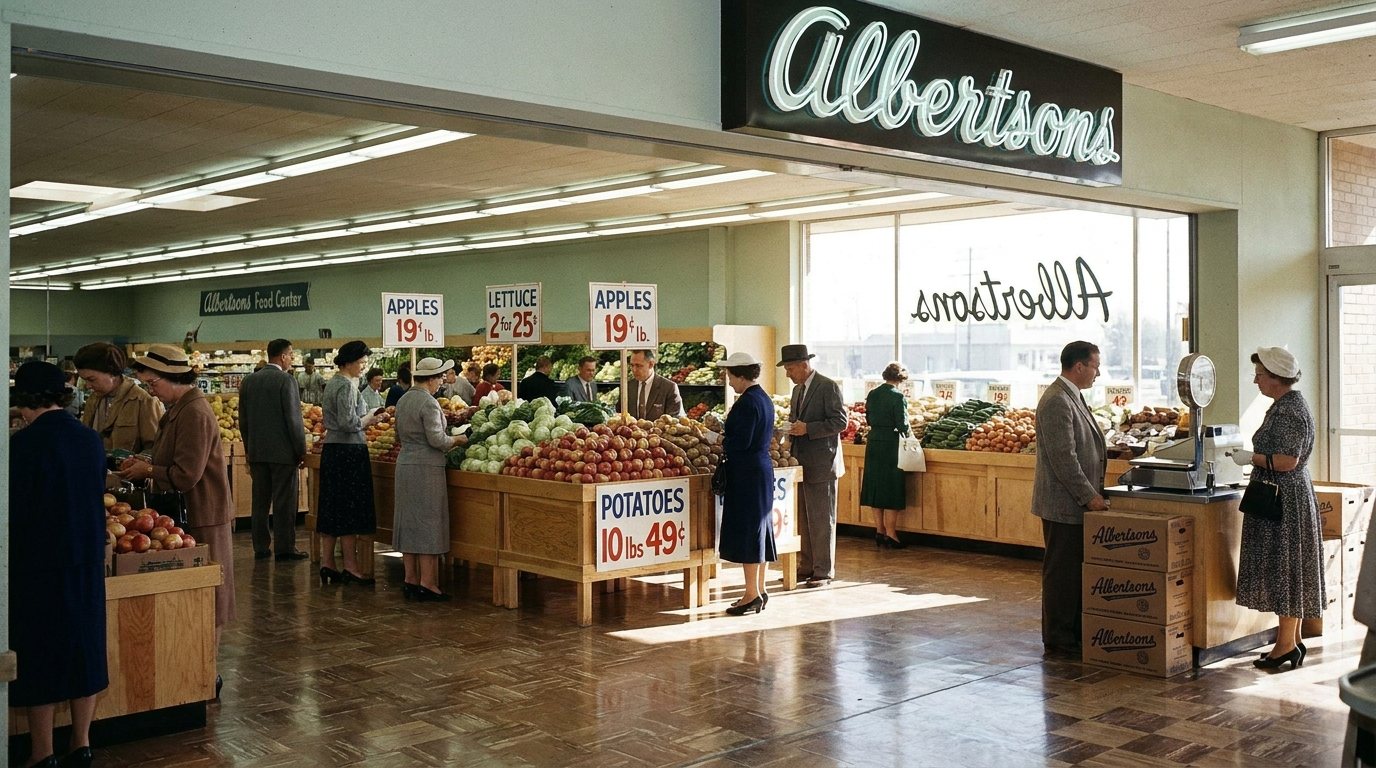
Albertsons ranks #10 on NRF's Top 100 Retailers 2026 with $81.77B in U.S. sales. Here is how a 1939 Boise store survived private equity to get there.
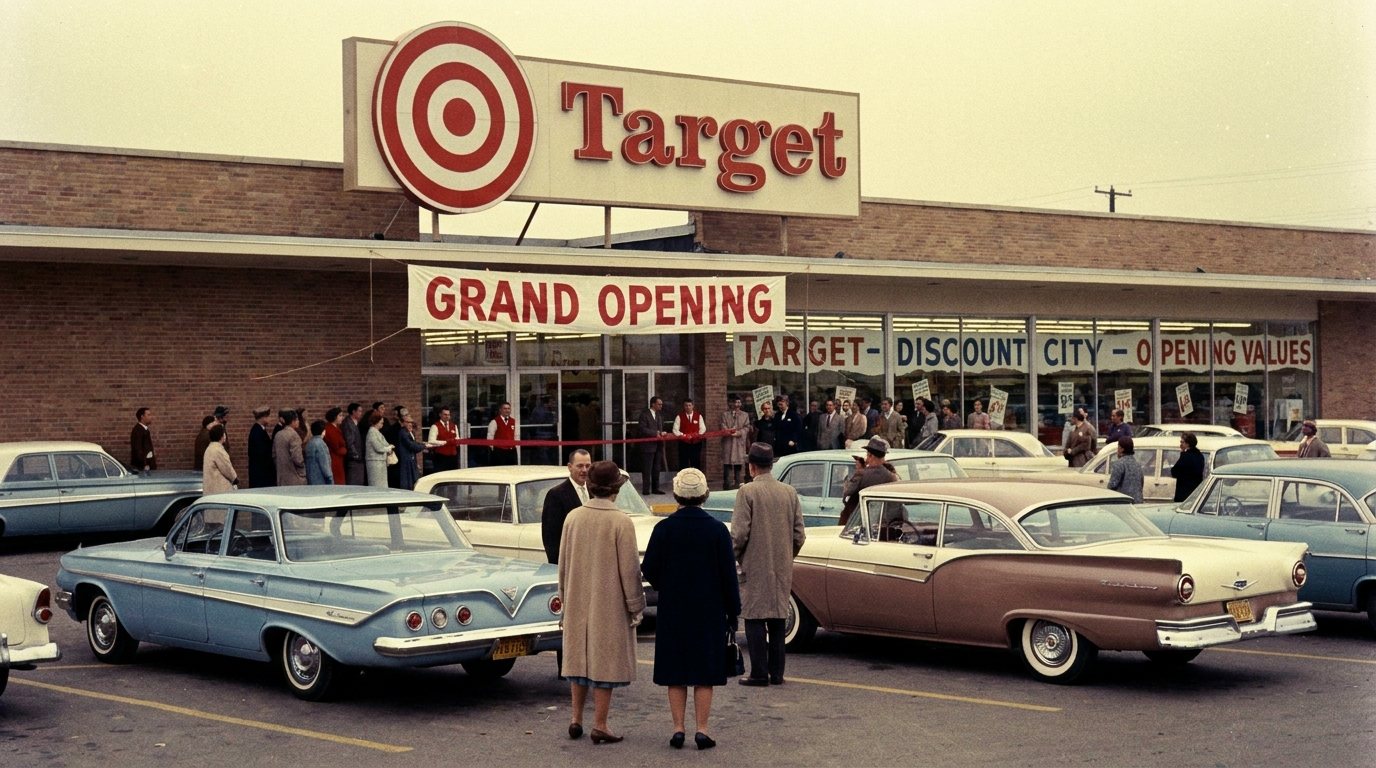
Target ranks #8 on NRF's 2026 Top 100 with $102.72B in U.S. sales. Its real edge traces to a department-store pedigree its 1962 rivals never had.
Lowe's ranks #9 on NRF's 2026 Top 100 with $83.96B in sales. Its real history: it built the big-box home-improvement model before Home Depot existed.
A vitamin bottle's supplement facts panel isn't a product attribute schema. Here's the one that keeps supplements filterable and AI-recommendable.

How to add schema.org Product JSON-LD to a headless storefront, which fields matter most, and how to keep markup in sync with the rendered page.
Footwear shoppers now ask ChatGPT and Gemini for recommendations before a search engine. Here's why thin product data keeps brands invisible to AI.

The beauty and cosmetics KPIs that actually prove product data drives revenue: attribute completeness, PDP conversion, zero-results, returns, AOV.
Walgreens ranks #7 on NRF's Top 100 Retailers 2026 list. Here's how a single Chicago drugstore built an empire, then got taken apart by its own ambitions.

Office supplies feeds fail on Amazon for predictable reasons: missing GTINs, thin attributes, generic titles. Here's the bar and how a toner SKU clears it.
Why vitamin and supplement listings stall on Amazon and marketplaces, the content bar retailers must clear, and how to syndicate without re-keying every SKU by hand.

How an enriched product attribute travels from Shopify's Storefront API into a headless PDP template and shows up as real, crawlable HTML.
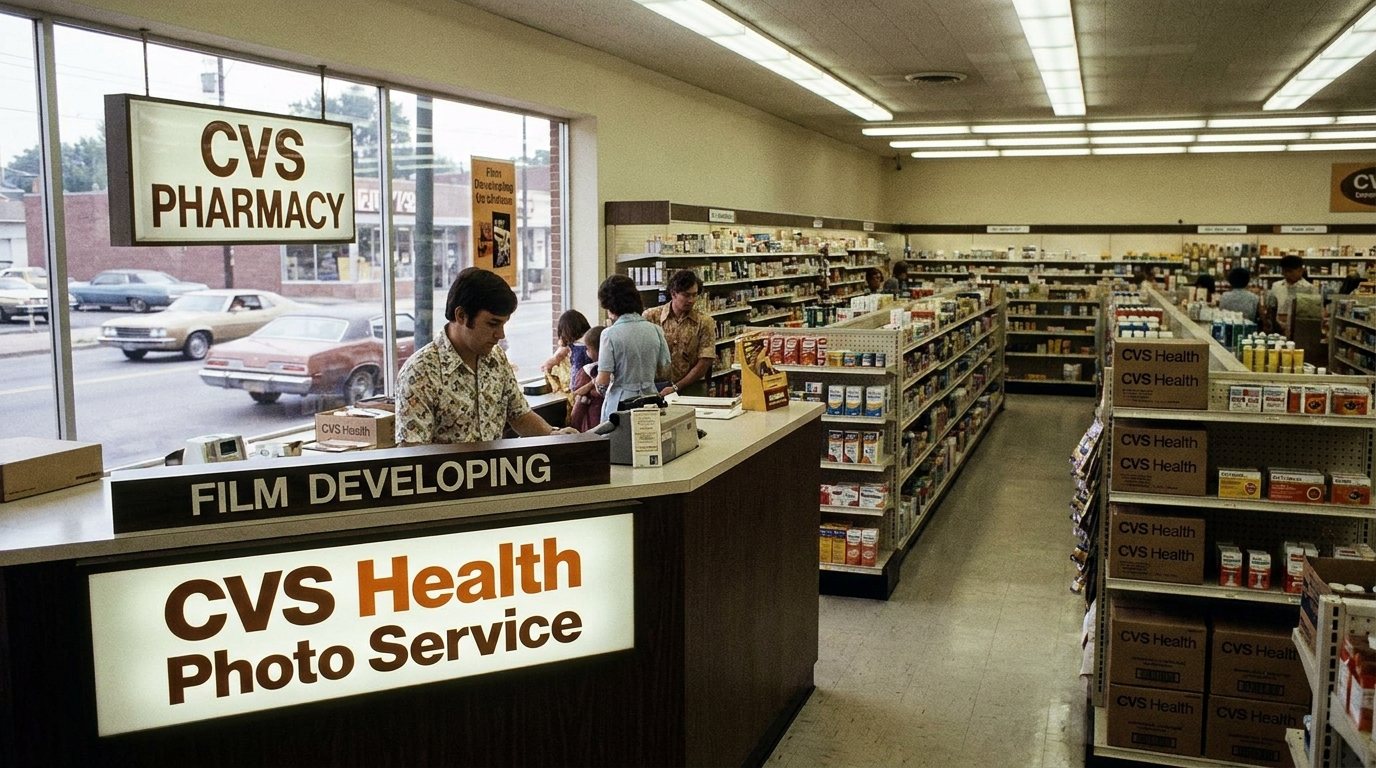
CVS Health ranks #6 on NRF's Top 100 Retailers with $139.37B in 2025 U.S. sales. Here's how a self-service discount store became a health-care pipeline.

AI shopping engines don't reject your products loudly. They filter quietly, on data they can't read. Here are the 5 gaps that do it most — and how to close them.

Reviews hide structured returns-risk signal in plain text. Here's how to mine it into attributes planning and merchandising can act on.

How enriched product data travels from PIM or metafield through the template layer to a rendered PDP and its JSON-LD, and where the chain breaks.
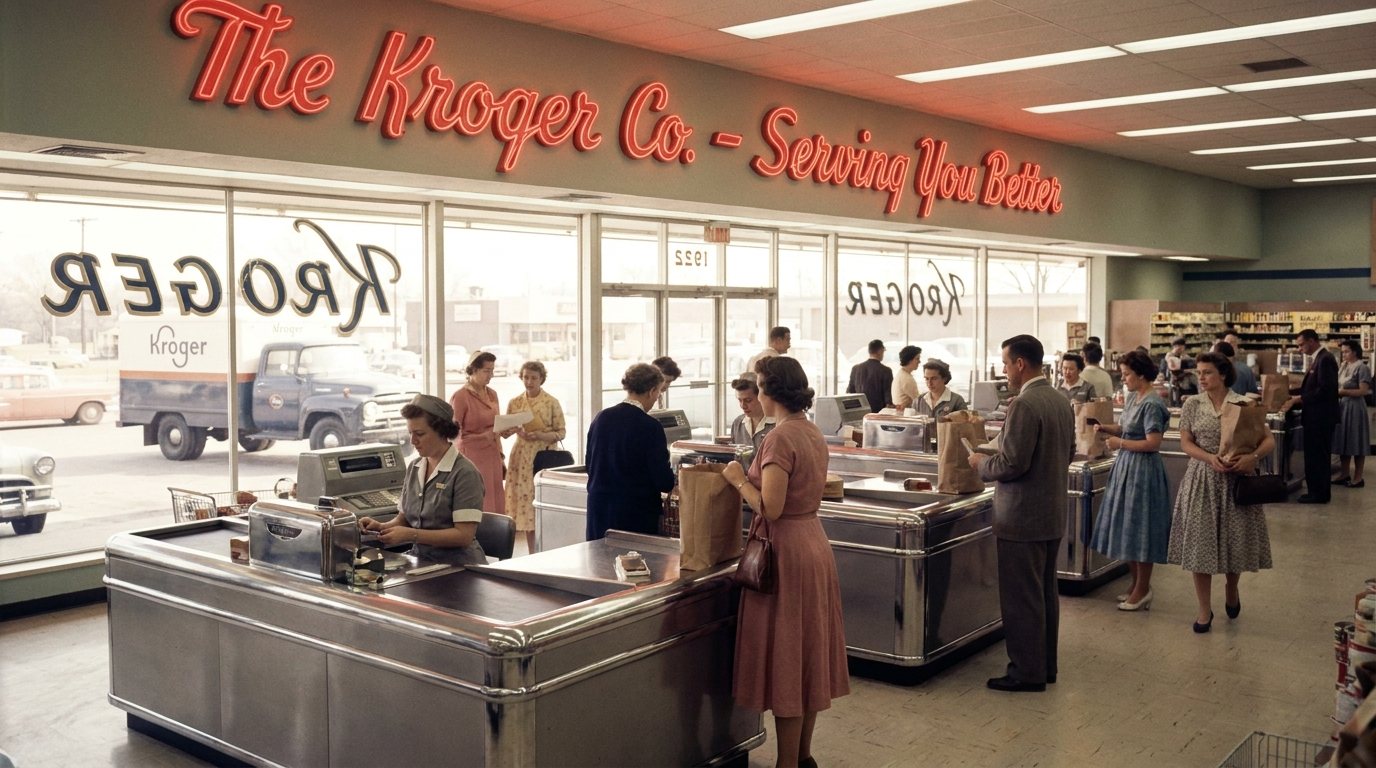
Kroger ranks #4 on NRF's Top 100 Retailers with $154.74B in 2025 U.S. sales, and its history includes rejecting the supermarket concept it later had to relearn.
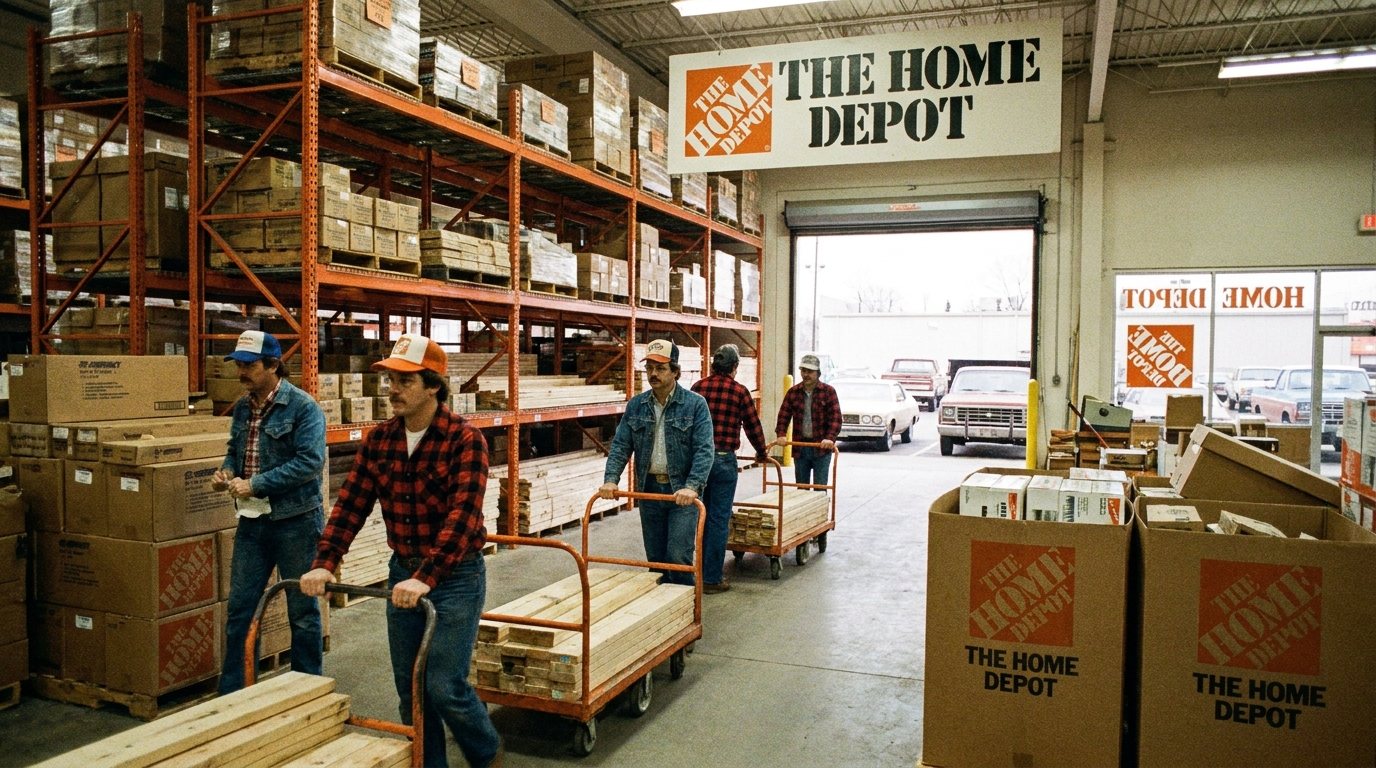
How two fired executives turned a rejected pitch into Home Depot, now ranked No. 5 on the NRF Top 100 Retailers list with $141.12B in 2025 sales.
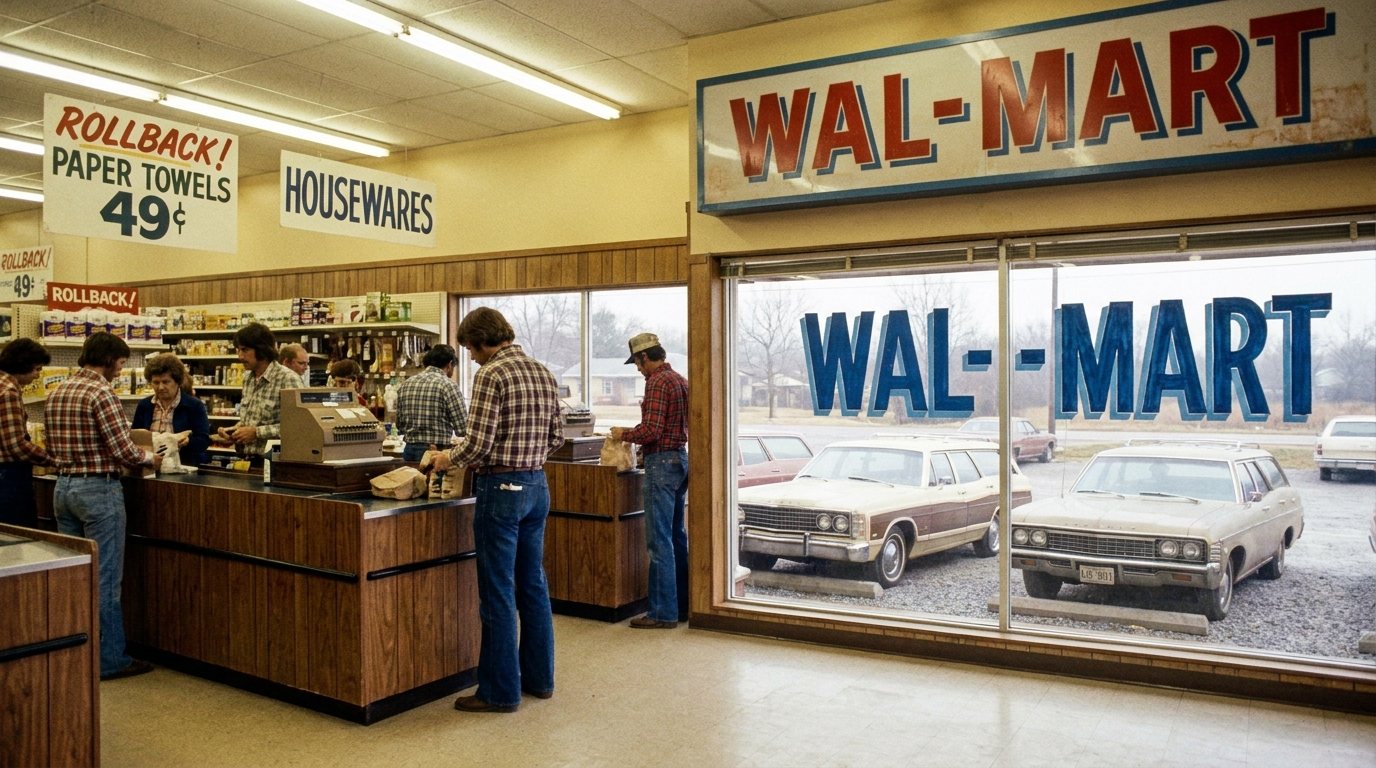
Walmart ranks #1 on the NRF Top 100 with $575.99B in 2025 U.S. sales. Here's how a lost lease in Newport, Arkansas built the world's largest retailer.
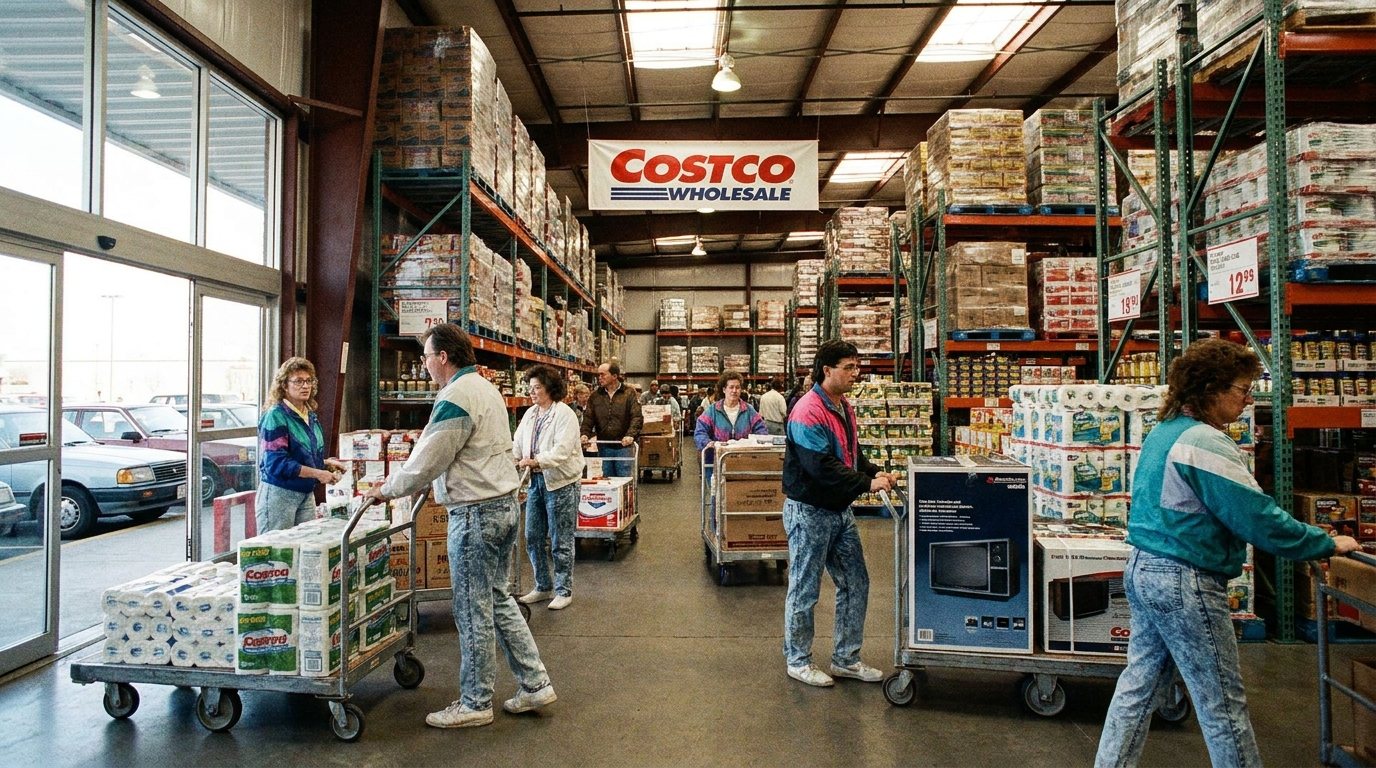
Costco is #3 on NRF's 2026 Top 100 Retailers list with $198.73B in U.S. sales. The real story: an apprentice who out-built his own mentor's company.

Buyers increasingly start in ChatGPT, Perplexity, and AI Overviews — not a search box. Here's what it takes for your products to be the answer.

Amazon ranks #2 on NRF's 2026 Top 100 Retailers with $293.85B in U.S. sales. The history behind how a 1994 bookstore built retail's infrastructure.

How enriched product attributes move from Adobe Commerce's EAV model to the PDP: layout XML, block/template binding, schema markup, and validation.

How enriched product attributes actually reach WooCommerce product pages: where the data lives, which hooks render it, and how to check the HTML.

Get complete schema.org Product JSON-LD onto Salesforce Commerce Cloud PDPs: what SFRA already builds for you, what it's missing, how to extend it from the catalog API, and how to keep it in sync.

A stage-by-stage map of where bad product data leaks buyers from impression to purchase to return, plus the exact metric that exposes each leak.

Assortment planning and MFP rollouts stall when item attributes are messy. Here's what "data ready" actually means before go-live day arrives.

The furniture attributes shoppers filter on, why missing ones drop products from search and AI answers, and how to structure them, with a sofa before/after.

How BigCommerce product pages render server-side vs client-side, why that matters for Google and AI crawlers, and how to verify with curl and view-source.

How to turn a product-data quality score into a revenue forecast using cohort analysis by score band, conversion lift, and return-rate deltas.

Why the facet list on your PDP can't double as your planning taxonomy, and how to design the attribute schema demand forecasting actually depends on.

Medallion pipelines clean product data for nulls and duplicates, but skip attribute enrichment - so gold-layer forecasts still train on noise.

How auto parts distributors and retailers can build a finance-grade ROI case for product data: PDP conversion, returns, traffic, and AOV.

Five near-duplicate columns for one concept split your forecasting signal five ways. How to audit, merge, retire, and govern a splintered schema.

A one-day audit for fill rate, cardinality, consistency, and staleness before you trust any attribute-driven forecast or assortment report.

Pet shoppers now ask AI for recommendations, not just search terms. Here's why thin product data makes your catalog invisible — and what to fix first.

You compete to sell the same parts as everyone else. The catalog isn't the bottleneck — the content is. Here's how to think about it.

Electronics catalogs are thinner than they look. Here's what's breaking in 2026, what it costs in returns and lost search, and why AI agents raise the stakes.

The product-data KPIs consumer electronics teams should baseline, how to instrument each one, and how to prove which moves came from data work.

Five ways to prove a product-data enrichment project worked, from cohort analysis to holdout tests, and how to guard each one against a false positive.

How to track referrals from ChatGPT, Perplexity, and Google AI Overviews using GA4, Search Console, and server logs, plus the attribution gaps to stay honest about.

A practical Adobe Commerce PDP checklist covering rendering, structured data, canonicals, images, and crawl budget for buyers and AI agents.

The questions earbud shoppers actually ask before buying, why gaps trigger returns, and a checklist to close them on your product page.

The product-data KPIs auto parts distributors should baseline: fitment completeness, zero-results rate, return rate, and how to measure each honestly.

SSR, CSR, and pre-rendering explained for PDPs: what Google and AI crawlers actually see in the raw HTML, and how to test which one you're shipping.

Skincare needs a real attribute schema, not five generic facets. Here's what to capture, why gaps hide products from search and AI, and a serum example.
Style-level assortment reports hide the attribute gaps in consumer electronics lines. Here's how to find white space, over-assortment, and break points.

commercetools is headless, so nothing renders until your frontend does. Learn how to verify product data lands in server-side HTML, not just the browser DOM.

Which product-data metrics actually move beauty ROI: PDP conversion, returns, traffic, AOV. Real benchmarks and how to build the finance-ready case.

Why appliance listings lose the buy box on Amazon and marketplaces, the identifier/content bar sellers must hit, and a French-door fridge before/after.

Skincare catalogs are thinner than they look. Here's what's actually missing, what it costs in returns and lost search, and why 2026 raises the stakes.
Skincare shoppers ask specific questions before buying. When your product page doesn't answer them, they guess, buy wrong, and return it. Here's the fix.
Reviews contain next season's product brief. Here's how to extract fit, praise, and complaint signals into structured data that planning and product teams can actually use.

Appliance shoppers now ask AI to shortlist fridges and dishwashers. Thin product feeds get skipped. Here's what machine-readable data looks like.
Apparel forecasts run on attributes, not SKUs. See why free-text fit, fabric, and closure fields quietly wreck like-item matching and rollups.
AI shopping agents now rerank apparel by fit, fabric, and care data, not just keywords. Here's what thin product data costs you and what fixes it.

Sporting goods catalogs are full of gaps in size, fit, and use-case data. Here's what that actually costs in search, conversion, and returns.

Sporting goods returns run 10-15%, and a bike helmet PDP shows exactly why. A practical checklist to close the size, sport, and use-case gaps.

Add schema.org Product JSON-LD on Oracle Commerce — map name, brand, GTIN, SKU, offers, and ratings, then keep the markup in sync with the live page.

How to design a real holdout test for product-data enrichment: randomization unit, sample size, contamination guardrails, and reading the lift.

AI shopping agents now rank supplements by dosage, form, and certification data. Thin product feeds get skipped. Here's what readable catalogs look like.

Apparel feeds get rejected for missing size, GTIN, and material fields. Here's the completeness bar marketplaces enforce, and how to hit it without re-keying.

Thin pet product catalogs cost more than lost sales. Here's what messy data does to search, conversion, and AI shopping visibility in 2026.

A practical checklist for fixing species, size, and ingredient gaps on pet product pages before they become returns or invisible to AI shopping agents.
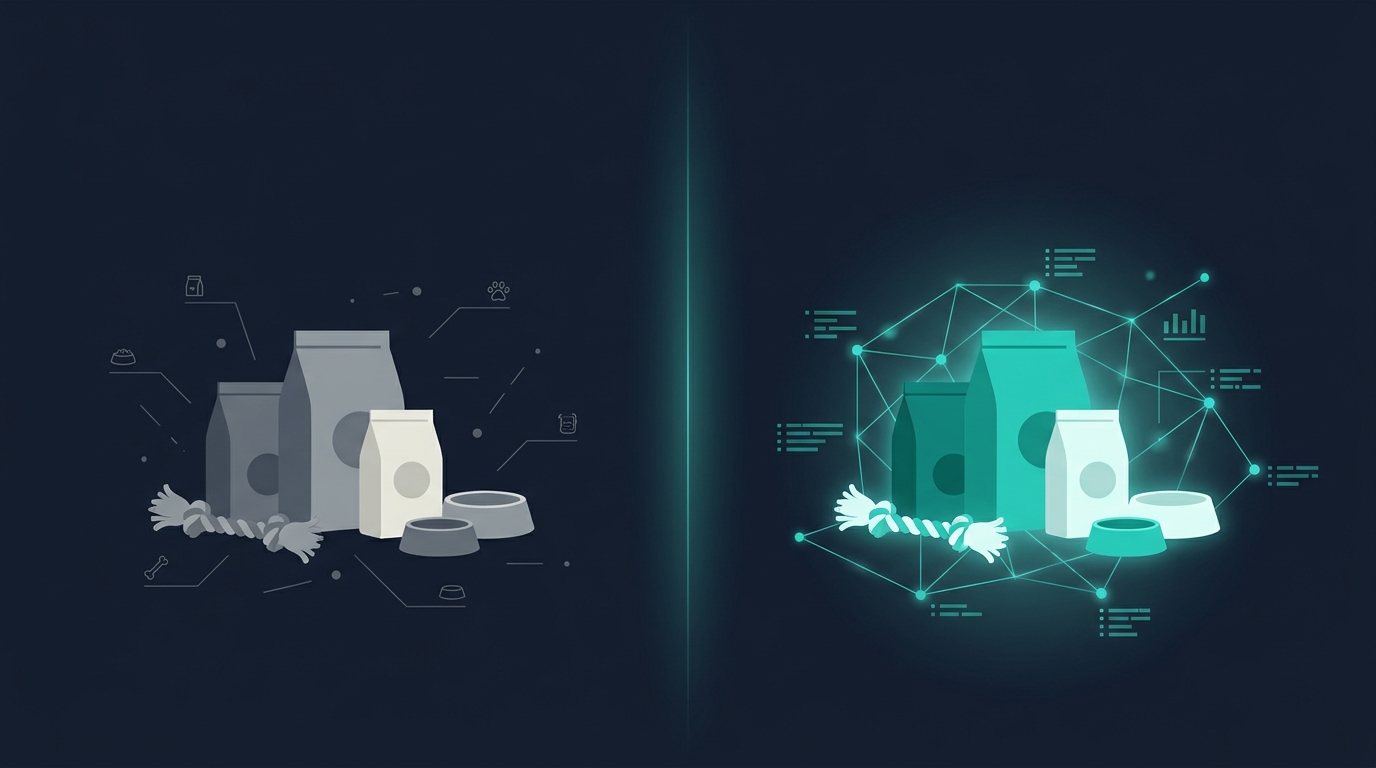
Missing breed size, life stage, or protein source data silently drops pet products from filters and AI answers. Here's how to fix the attribute gaps.

Furniture feeds fail Amazon's content bar more than any other category. Here's the attribute, identifier, and image checklist that gets a sofa listing channel-ready.

How Salesforce Commerce Cloud renders PDPs server- vs client-side, why that determines what Google and AI crawlers see, and how to check it.

Furniture and home retailers: which product-data fixes actually move PDP conversion, returns, and AOV, and how to build the finance-ready case.
The furniture and home KPIs that actually prove product data drives revenue, from attribute completeness to returns, and how to measure each honestly.

If your product pages use the same copy as every other distributor, search has no reason to rank yours. Differentiated content is the fix.

Why consumer electronics listings get suppressed on Amazon, the attribute bar marketplaces enforce, and how to hit channel-ready data without re-keying it.

Why sporting goods listings lose the buy box over missing attributes and identifiers, and what a channel-ready bike helmet feed actually looks like.
Sporting goods products drop out of filtered search and AI answers over missing specs like MIPS or CPSC certification. Here's how to fix the taxonomy.

Sporting goods shoppers now ask AI agents for gear picks by spec, not brand. See why thin product data makes catalogs invisible — and what fixes it.

AI shopping agents now shop for groceries. Thin CPG product data makes brands invisible to them — here's what machine-readable attributes look like.

Thin, inconsistent appliance product data is quietly costing retailers search visibility, conversion, and margin — and 2025-2026 AI shopping raises the stakes.

Why missing dimensions and capacity specs on appliance listings drive returns and lost sales, plus a fix-it checklist for French door refrigerators and beyond.

Five rendering pitfalls — CSR, lazy loading, hidden tabs, blocked resources, slow hydration — that hide product data from crawlers and AI agents, with fixes.

What actually moves PDP conversion, returns, and AOV in consumer electronics, and how to build a product-data ROI case finance will believe.

A BigCommerce product-page technical SEO checklist covering rendering, JSON-LD, titles, canonicals, alt text, links, speed, and crawlability.

How to add schema.org Product JSON-LD to a Shopify theme, which fields (gtin, sku, offers) matter, and how to keep the markup synced with the live page.

A technical checklist for WooCommerce product pages — rendering, schema, titles, canonicals, images, links, speed — built for buyers and AI agents

Turn your support queue into an enrichment backlog: tag tickets by missing PDP attribute, measure deflection, and tie it to cost-per-contact and CVR.

How enriched product attributes travel from BigCommerce custom fields and metafields into Stencil templates, the rendered DOM, and product JSON-LD.

What "agent-readable" actually means for retail catalogs in 2026, and how retailers close the attribute and context gaps AI shopping agents penalize.

Catalog migrations lose search rankings from broken redirects and thin PDPs, not the new platform. Here's how to migrate without losing discovery.

A CFO-ready framework for pricing the cost of bad product data, projecting the lift from fixing it, and phasing the investment to de-risk approval.
Footwear returns run as high as 35% and fit confidence swings conversion 2-4x. Here's how to measure product data's real ROI and build the case finance believes.

How to make a commercetools PDP agent-readable: structured attributes, Product JSON-LD, and server-rendered answers AI systems can parse.

Why "waterproof hiking boot size 10 wide" fails at the exact moment of intent, and the search metrics that show you where attributes are missing.

How to add and validate Product JSON-LD on WooCommerce — which fields Google actually checks, and how to keep markup synced with the page.

One wrong spec teaches buyers to distrust your whole catalog. Here's how to measure trust erosion and rebuild it with consistent product data.

Returns aren't just a shipping cost. Here's the full model - reverse logistics to lost trust - and how much of it traces back to bad product data.

The five product-page facts that convert a hesitant, ready-to-buy shopper, and exactly how to measure their lift in cart-add and checkout rates.

A platform-specific technical SEO checklist for commercetools product pages: rendering, JSON-LD, meta tags, canonicals, images, and crawlability.

How Adobe Commerce renders PDPs server- vs client-side, why that hides enriched product data from crawlers and AI agents, and how to check and fix it.

How to add schema.org Product JSON-LD on BigCommerce, which fields (gtin, brand, offers) actually matter, and how to keep markup synced with the live page.

How Shopify renders product pages, why client-only content hides data from Google and AI crawlers, and how to confirm it's in the server HTML.

A practical KPI framework for grocery and CPG teams: which product-data metrics to baseline, how to instrument them, and how to attribute lift honestly.

A defensible attribution model for product-data investment: holdouts, geo tests, staged rollouts, and matched pairs finance will actually accept.

Why AI shopping agents are the new storefront, and how retailers and distributors keep product data complete enough to win the agent's pick.

How to make a Shopify PDP agent-readable: structured attributes, Product JSON-LD, server-rendered specs, and clear answers AI agents can parse.

How an enriched attribute moves from the Product system object through SFRA templates onto a rendered SFCC product page, plus how to validate it.

How an enriched Oracle Commerce catalog attribute travels from a product type property to rendered PDP HTML and JSON-LD, with steps to validate.

How to make WooCommerce product pages agent-readable: complete attributes, correct Product JSON-LD, and server-rendered content AI agents can parse.

How to turn enriched Salesforce Commerce Cloud product data into Page Meta Tag Rules, Product JSON-LD, and server-rendered content AI agents can parse.

How richer, structured product attributes create indexable long-tail PDPs — and the Search Console methods to prove the organic traffic lift.

How Oracle Commerce's storefront frameworks decide what Googlebot, Bing, and AI crawlers actually see on a product page, and how to check it.

A technical SEO checklist for Shopify product pages: rendering, JSON-LD, titles, canonicals, alt text, internal links, speed, and crawlability.

Google AI Mode and AI Overviews now shop from your data feed, not your homepage. Here is what product pages need to earn the citation.
A footwear KPI playbook: which product-data metrics are leading vs lagging, how to instrument each one, and how to attribute lift back to data work honestly.

How Elastic Path storefronts render product data, why client-only rendering hides it from crawlers, and how to verify with curl and view-source.

How to add schema.org Product JSON-LD to an Elastic Path storefront, map PXM fields like gtin and sku correctly, and keep markup synced with the live page.
A practical KPI guide for apparel and decorated-apparel sellers: which product-data metrics to baseline, how to instrument them, and how to attribute lift honestly.
Wrong-item returns rarely start on the truck. They start in the product record. Here's the attribute-level root cause and a 30-day fix.

Your on-site search logs already show which attributes are missing. Here's how to read zero-results, filter gaps, and exit rate as an enrichment queue.

Onboarding thousands of new SKUs at once breaks manual enrichment math. Here's why the catalog cold-start problem is operational, not creative, and how to fix it.
PIMs store product data well but don't gap-fill, normalize, or keep it current on their own. Here's why AI buttons don't close that gap, and what does.

Reviews and Q&A tell buyers and AI agents what a product is for. Here's why voice-of-customer data closes gaps spec sheets can't and how to enrich with it.

Faceted and on-site search run entirely on structured attributes — here's why thin product data quietly kills conversion, and how enrichment fixes it.