
Product Data & Enrichment
How to prioritize which SKUs to enrich first
Prioritize SKUs to enrich by value times gap: score revenue, search demand, margin, returns and channel blockers, then multiply by how much data is missing.
Topic
Collecting, normalizing, and enriching product data at scale, without the manual grind.
Prioritize SKUs to enrich by value times gap: score revenue, search demand, margin, returns and channel blockers, then multiply by how much data is missing.

Electrical distributors get manufacturer content from IDEA Connector (the IDW), then fill gaps with ETIM feeds, manufacturer portals and content providers.

Bad B2B product data comes from ERP item masters built for orders, supplier files in many formats, free-text specs, no data owner, and cleanups that decay.

Yes, when each AI-generated attribute traces to a source document and passes schema, conflict, and confidence checks. Untraced values need human review.

Distributors sync ERP item data to their site via a native connector, middleware, a PIM in the middle, or scheduled file exports. The ERP owns price and stock.

A product taxonomy decides which category a product belongs to; an attribute schema defines the fields every product in that category must carry.

Self-serve AI tools publish $0.30 to $0.75 per SKU; technical B2B items run several dollars each once review and upkeep count. Pricing models and the math.
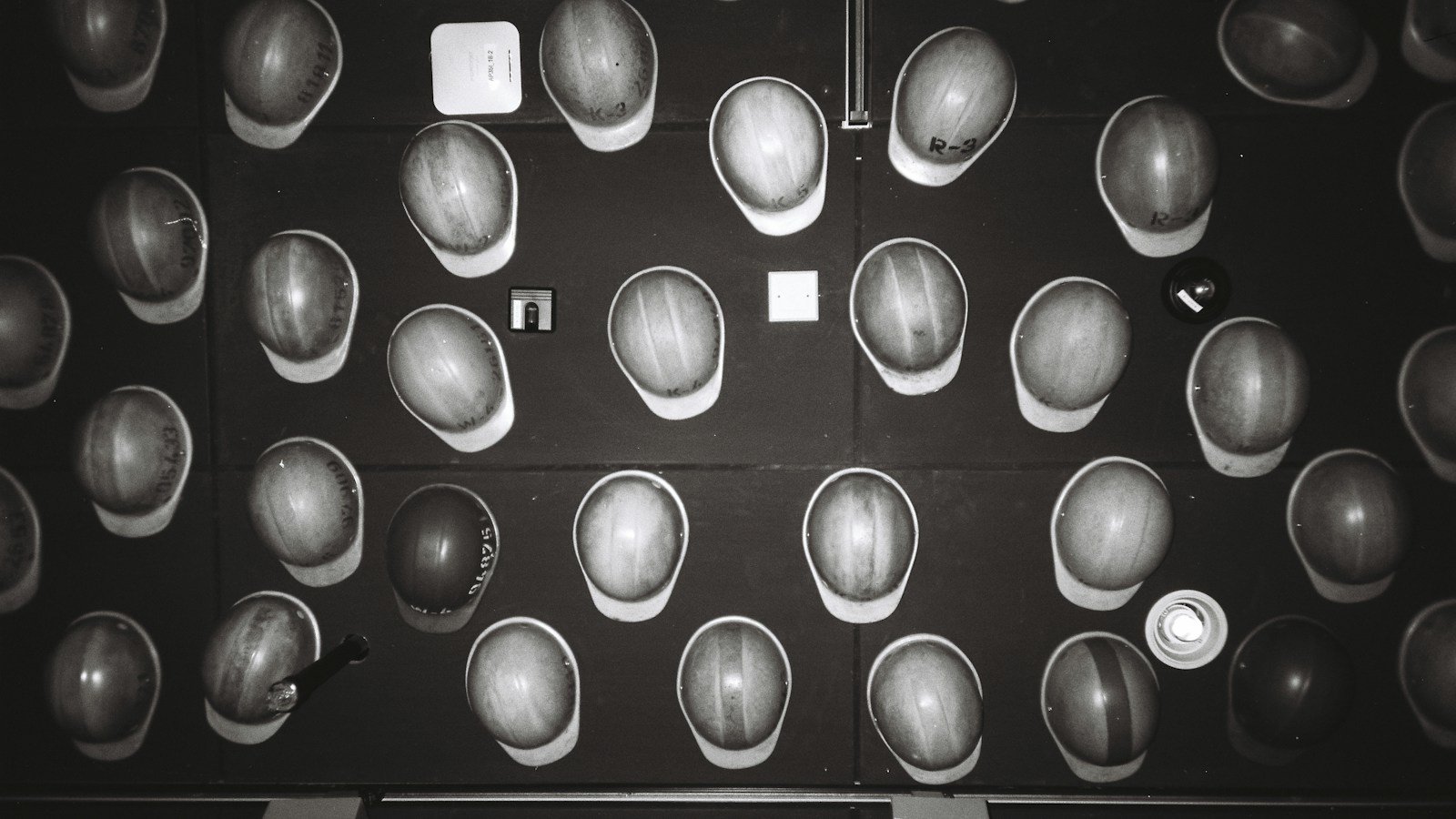
List each PPE certification as structured fields: the standard with its edition year, the exact rating earned, and the approval ID, verified against the source.

Plumbing wholesalers get manufacturer content via price files, EDI 832, spec sheets, content providers, and the ASA template, then fill PVF attribute gaps.

A PIM stores, governs and publishes product data. Enrichment is the work of finding, extracting and validating the attribute values that fill it.

Offshore product data entry runs about $0.20 to $2.00 per SKU on published rate cards, at $4 to $8 an hour. QA, rework and spec changes decide the real cost.

MRO distributors run millions of SKUs by classifying each item, applying a per-class attribute template, automating supplier intake and enriching continuously.

LBM dealers need nominal and actual sizes, species, grade, treatment, selling units, code documents, account pricing and live inventory on each SKU online.

Lighting distributors store manufacturer IES files as SKU assets, then extract lumens, CCT, CRI, efficacy and DLC status into filterable fields per variant.

Jan/san distributors keep product data in an ERP item master, a PIM or ecommerce layer, and supplier feeds, then normalize case pack, SDS, and specs.

HVAC distributors key each replacement part to the OEM numbers it replaces, the models it fits, and specs like voltage, HP, RPM, rotation and refrigerant.

HVAC distributors list AHRI-certified matchups as records linking outdoor unit, coil or air handler, and furnace to a reference number and SEER2/EER2/HSPF2.

Manufacturers send product data to distributors via spreadsheets, EDI 832 catalogs, GS1 GDSN data pools, industry hubs like IDEA, content providers, and APIs.

Manual enrichment of 50,000 SKUs takes roughly 3,300 to 25,000 hours, 4 to 30 minutes per SKU by depth. Here is the per-SKU math, FTE count and timeline.

Foodservice equipment dealers pull manufacturer data from AutoQuotes, KCL, Specifi and the FEDA Data Portal into ERP and quoting, then enrich it for ecommerce.

Fluid power distributors keep part numbers and stock in the ERP, specs in a PIM or site, and decode model codes into pressure, port, and seal fields.
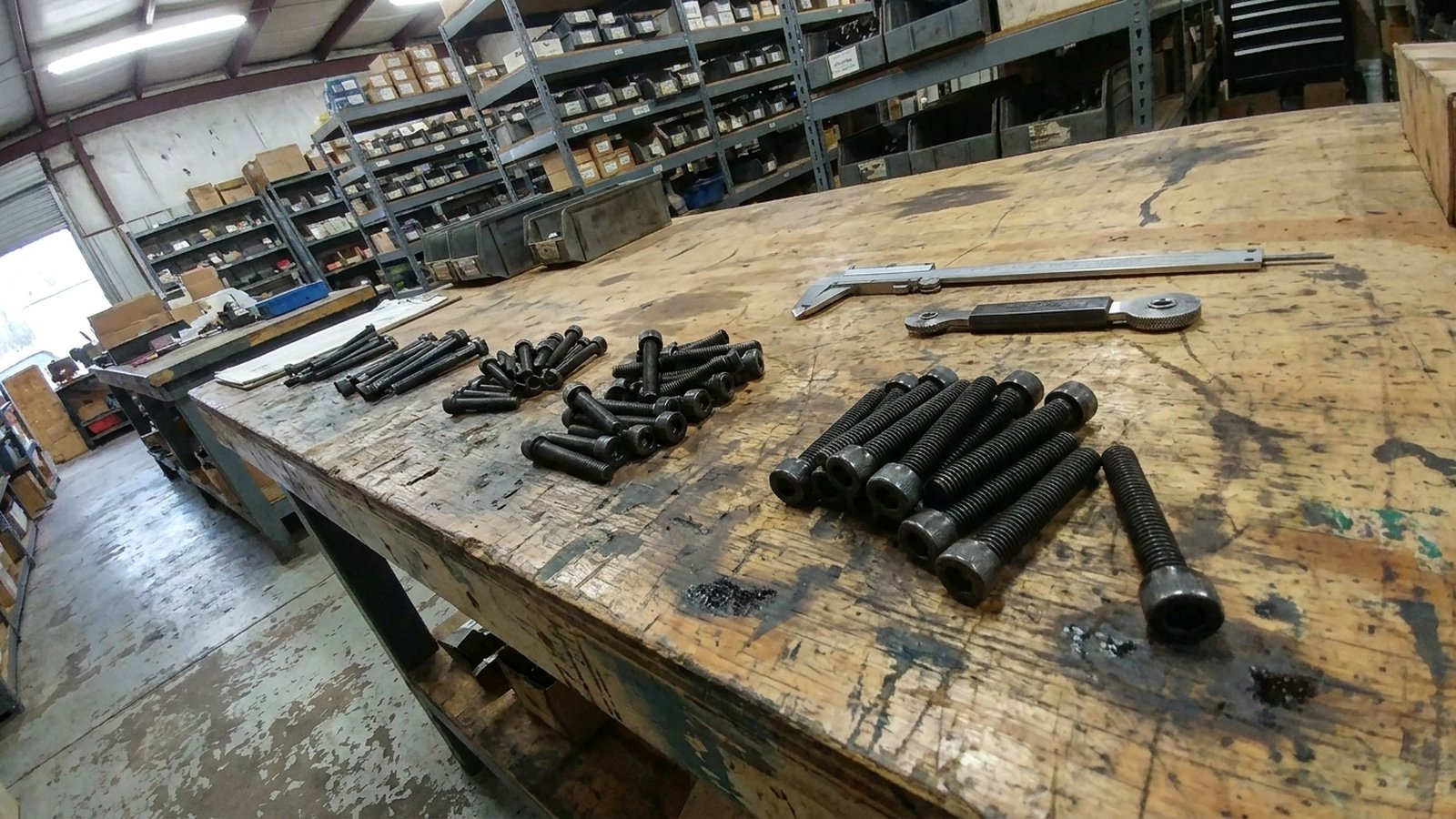
Fastener distributors manage thousands of SKUs by storing each part as structured attributes per category, then generating titles, filters, and feeds from them.

Run OCR and table extraction on the spec sheet PDF, then map cells to your attribute schema, normalize units, split model rows into SKUs, and validate.

Yes. Enrichment is work done to product data and a PIM is where it is stored, so you can enrich an ERP export or CSV and load it into ERP, store, or feed.

Yes, if AI writes from verified attributes extracted from datasheets. From only a part number and ERP short text, it produces plausible specs that may be wrong.

AI shopping assistants compare mattresses by reading fields, not by lying on them. Five product data priorities for mattress brands and retailers.
ASAP Network hands member dealers import-ready files for 303 aftermarket brands. Here is what that actually gets you, what it structurally cannot get you, and what to add.
A trail rider, an upfitter, a shop foreman, a fleet manager and a restorer ask five different questions about one part number. Network files answer the average. Here's what per-persona enrichment looks like.
Fitment data gets your part into the filtered result. It does nothing to decide between the four parts that all fit. That second layer is where aftermarket catalogs lose the sale.
Distributing one product record across your whole dealer channel makes every listing identical — so price becomes the only lever left. What aftermarket brands should ship instead.
PIM, enrichment, syndication, feeds, copy generation and digital shelf analytics solve six different problems and share one vocabulary. Here's how to tell which layer is actually blocking you before you sign anything.
Catalogs are organised in manufacturer language and shopped in buyer language. The gap shows up as null-result searches, unused facets, and products that answer engines never surface — and it's fixable in the attribute layer.

Agents read fields, not pages. What a distributor or manufacturer catalog actually needs — MPN-first identity, UNSPSC/ETIM classification, spec attributes, UOM and pack hierarchies — and how to get it into schema and feeds.

In industrial distribution, most SKUs will never have a GTIN. Brand plus manufacturer part number is the key that actually resolves — and supersession is what breaks it.

Required feed fields make a SKU eligible. Fitment, ratings, certifications, install requirements, and companion parts are what actually win the agent's pick.

Ninety-odd terms from the AI search vocabulary, organized by where they bite in a real catalog — crawler access, rendering, retrieval mechanics, surfaces, the product record, feeds and protocols, entity trust, and measurement. Each term links to a full definition.
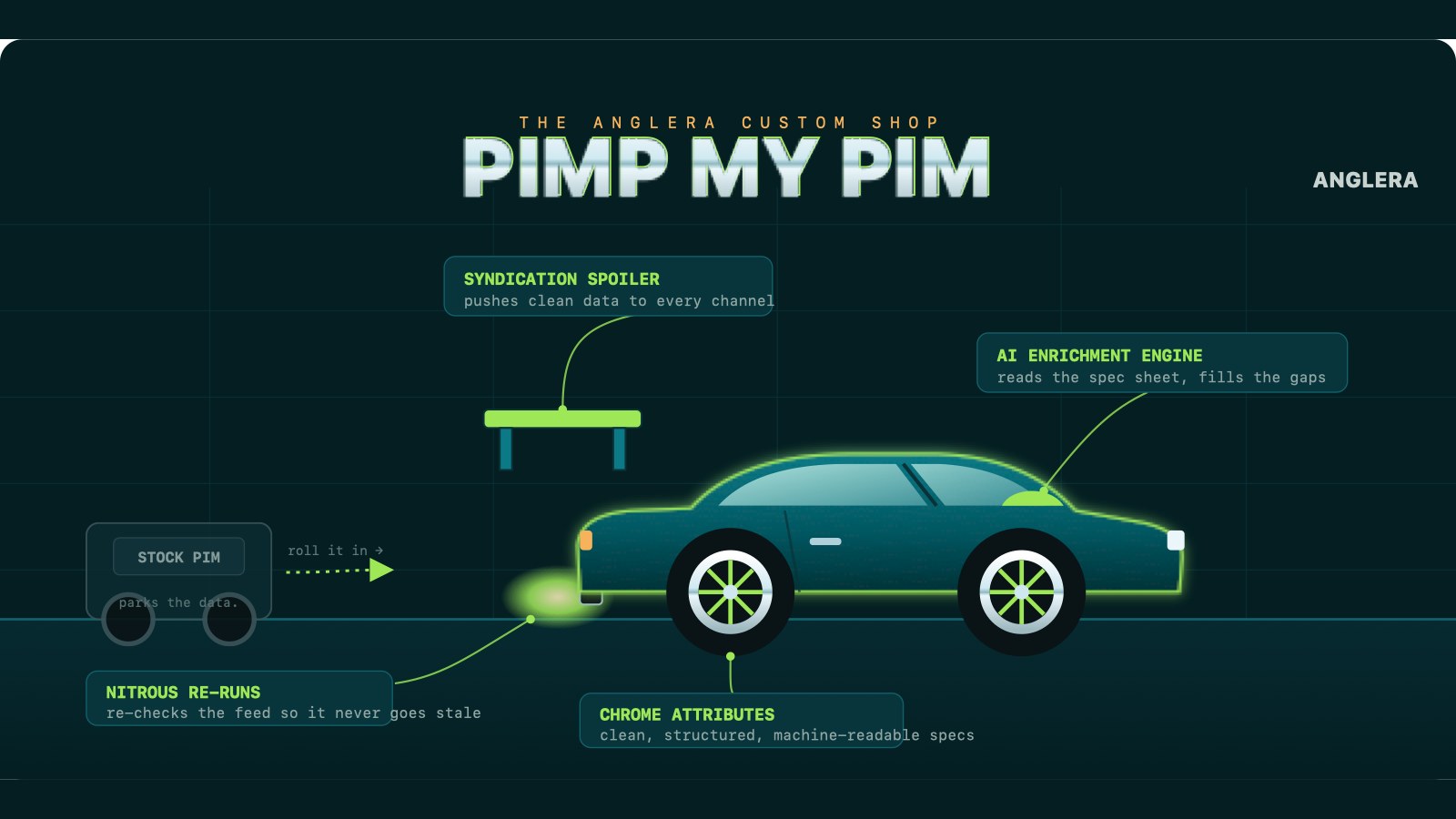
A PIM is a beautiful garage for your product data. It still won't fill the gaps, clean the specs, or push to every channel. Here's the tune-up it's missing.

Content subscriptions promise a finished catalog. What they deliver is the same catalog as every other subscriber — with the gaps in exactly the SKUs where you make your margin.

AI shopping assistants retrieve products by noun phrase, not keyword. Here's the five-question anatomy of a product phrase — and the attribute column behind each answer.

Consumer electronics forecasts run on product attributes, not just sales history. See where thin or free-text specs quietly wreck accuracy.

Every keynote at Applied AI for Distributors agreed the real bottleneck isn't the AI model — it's your product data. Here's the part the mainstage left out.

Footwear returns run 17-30% and fit is the top cause. Here's the exact data a shoe PDP needs to stop the guessing, with a running-shoe example.

Apparel shoppers ask the same handful of questions before every purchase. Answer them on the page, and returns and lost sales both drop.

Footwear forecasts run on attributes, not SKUs. See how thin or free-text data on upper, cushioning, and width quietly wrecks accuracy.

The real stakeholder for your product content doesn't work at your company. It's your buyer. Most enrichment scrapes the supplier and reformats it — and never gives the buyer a seat at the table.

The 2025 switch from R-410A to A2L refrigerants replaced a generation of model numbers overnight. The distributors winning the aftermath treated it as a product-data problem, not a refrigerant one.

Forecasts are rollups along product attributes. When those attributes are missing, free-text, or wrong, every cohort and like-item match quietly breaks.

Tech packs and BOMs hold the truest product data in the company. Here's how to turn them into attribute columns a planning system can query.

Beauty forecasts fail on new shades and finishes because the attributes behind them are thin. Here is where the data breaks and how to fix it.

Furniture returns cost $55-90+ per item to process. Most start with a product page that never answered the shopper's real questions. Here's the fix.

Feed management enriches the printout, not the document. The correction never flows back to your source of truth — so you redo the same work on every channel, forever. Fix it upstream instead.

How an enriched attribute moves from Elastic Path PXM through catalog publishing to the Shopper Catalog API and renders on a live product page.

Why office supplies get returned so often, the toner cartridge questions shoppers actually ask, and a checklist to close the gaps before checkout.

Grocery and CPG shoppers filter on allergens, diet, and pack size. Here's the attribute schema that keeps products visible in search and AI answers.

No new ad budget, no new channel, no replatform. Just the product data you already own, made complete enough to get found, get chosen, and get kept. Here's what that takes — and where the work actually belongs.

Furniture forecasts fail on new SKUs and thin attributes, not bad models. Here's how attribute quality drives cold-start accuracy and markdown risk.

A concrete, current walkthrough of how a commercetools product attribute travels from Product Type to rendered HTML, with API, GraphQL, and validation steps.

Beauty catalogs lose sales to missing shade, finish, and ingredient data. Here's the attribute set that keeps products in filters and AI answers.

PIM AI assists a person filling one field at a time. That's genuinely useful — and it's not the same as owning the work across a hundred thousand SKUs. Knowing the difference is the difference between a tool and an outcome.

Product data has one job: get the right buyer to the right product at the moment of intent, then remove every reason not to buy.

Jewelry and watch returns trace back to missing specs, not bad taste. Here's the exact data a ring or watch PDP needs, with a diamond ring example.

Sporting goods forecasts run on attribute rollups and like-item matching. See where thin or free-text product data quietly wrecks accuracy.

Wireless earbuds get filtered out of search and AI answers when specs like ANC, codec, and IP rating go missing. Here's the schema that fixes it.

Apparel sellers lose sales to fit uncertainty, not just weak traffic. Here's how to measure what product data actually moves and build a case finance believes.

The product-data KPIs that actually predict revenue, the vanity metrics wasting your team's time, and a four-metric starter scorecard to track both.

Why grocery and CPG demand forecasts break at the attribute layer, and what clean pack size, shelf life, and variant data fix.

A French-door fridge with no depth, capacity, or ENERGY STAR data disappears from filters and AI answers. Here's how to fix the attribute set.

A grounded ROI framework for MRO and industrial distributors: which product-data metrics move, how to measure them, and how to build a case finance believes.

Office supplies attributes like page yield, GSM, and ring size decide filter and AI-answer visibility. See a toner cartridge before/after fix.

Data cleansing fixes what's already there. Enrichment adds what was never captured. Most catalogs are spotless and still thin — and a tidy listing with nothing in it converts no better than a messy one.

The apparel attributes that actually drive filters, size logic, and AI shopping answers, with a men's dress shirt before/after schema you can copy.

Swapping the language is the easy 20%. Sizing conventions, units, regulatory disclosures, and the words people actually search — that's the part that decides whether a listing sells or just exists in a new market.

How enriched Shopify product attributes move from metafields into rendered HTML and JSON-LD, with Liquid code and a view-source validation checklist.

Product data compounds like any asset. Here's how to measure what a complete, accurate catalog actually returns across search, PDP, and support.

Health and supplements shoppers ask specific questions before they buy. Here's the checklist for product pages that answer them, and why gaps drive returns.

How grocery and CPG teams tie product data quality to PDP conversion, returns, and traffic, and build an ROI case finance actually signs off on.

Structured attributes drive cross-sell and bundle accuracy. Here's how to measure the AOV, units-per-order, and attach-rate lift from better product data.

A PIM stores product data beautifully. It doesn't gather it, clean it, enrich it, or fix it when it's wrong. That gap is where most catalogs quietly fall apart.

Google's UCP lets shoppers buy straight from AI Mode and Gemini — but your product feed decides whether you even show up. Here are the 6 things that put you in the cart (and keep you out).

Jewelry and watch shoppers filter on metal, carat, movement, and water resistance — here's why missing those attributes hides products from search and AI.

In 2023, NAED found poor product data costs electrical distribution over $2B a year. In 2026, that same data decides whether AI engines and a younger generation of buyers ever find you.

A blank GTIN field doesn't throw an error. It just makes your product harder for a machine to identify, trust, and recommend — so it gets passed over.

Grocery and CPG shoppers ask the same handful of questions before every cart click. Here's the checklist for answering them on the product page.

A new SKU has no sales history, so its forecast borrows one from a similar item. Here's why that similarity match is only as good as your attributes.

How an enriched product attribute travels from SAP Commerce Cloud's data model to a rendered PDP, across Accelerator and Composable Storefront.

Beauty shoppers ask five questions before buying: shade, finish, ingredients, claims, wear. Here's what happens when your product page can't answer them.

When an AI agent does the shopping, it never sees your homepage, your hero image, or your brand video. It reads your feed. That's the whole storefront now.

Width, drop, stack height, lacing: the footwear attributes shoppers actually filter on, and why missing them silently drops products from search.

A vitamin bottle's supplement facts panel isn't a product attribute schema. Here's the one that keeps supplements filterable and AI-recommendable.

How an enriched product attribute travels from Shopify's Storefront API into a headless PDP template and shows up as real, crawlable HTML.

AI shopping engines don't reject your products loudly. They filter quietly, on data they can't read. Here are the 5 gaps that do it most — and how to close them.

How enriched product data travels from PIM or metafield through the template layer to a rendered PDP and its JSON-LD, and where the chain breaks.

How enriched product attributes move from Adobe Commerce's EAV model to the PDP: layout XML, block/template binding, schema markup, and validation.

How enriched product attributes actually reach WooCommerce product pages: where the data lives, which hooks render it, and how to check the HTML.

The furniture attributes shoppers filter on, why missing ones drop products from search and AI answers, and how to structure them, with a sofa before/after.

How auto parts distributors and retailers can build a finance-grade ROI case for product data: PDP conversion, returns, traffic, and AOV.

You compete to sell the same parts as everyone else. The catalog isn't the bottleneck — the content is. Here's how to think about it.

The questions earbud shoppers actually ask before buying, why gaps trigger returns, and a checklist to close them on your product page.

Skincare needs a real attribute schema, not five generic facets. Here's what to capture, why gaps hide products from search and AI, and a serum example.

Which product-data metrics actually move beauty ROI: PDP conversion, returns, traffic, AOV. Real benchmarks and how to build the finance-ready case.

Skincare shoppers ask specific questions before buying. When your product page doesn't answer them, they guess, buy wrong, and return it. Here's the fix.

Reviews contain next season's product brief. Here's how to extract fit, praise, and complaint signals into structured data that planning and product teams can actually use.

Apparel forecasts run on attributes, not SKUs. See why free-text fit, fabric, and closure fields quietly wreck like-item matching and rollups.

Sporting goods returns run 10-15%, and a bike helmet PDP shows exactly why. A practical checklist to close the size, sport, and use-case gaps.

How enriched attributes move from OroCommerce's product families into storefront HTML — attribute config, layout blocks, Twig, and validation.

HVAC/R buyers filter by refrigerant, SEER2, MCA/MOP and AHRI match, not just tonnage. Here's how to structure condensing unit data so it survives search.

How missing electrical attributes like AIC rating and trip type block circuit breakers from filtered search and AI answer engines, and how to fix it

The gate valve attribute schema waterworks distributors need — stem type, pressure class, coating, and certs — before AI and filtered search skip the SKU.

A practical checklist for fixing species, size, and ingredient gaps on pet product pages before they become returns or invisible to AI shopping agents.

The five questions datacom buyers ask before checkout, why gaps drive wrong-part returns, and a 48-port PoE switch checklist for distributors.

Welding & gas buyers ask five specific questions before they order a spool of wire. See what happens to returns and support load when your page can't answer them.

How an enriched attribute moves from Unilog's CX1 PIM through approval workflow and workspace publishing to render in HTML on a live distributor product detail page.

Missing breed size, life stage, or protein source data silently drops pet products from filters and AI answers. Here's how to fix the attribute gaps.

Furniture and home retailers: which product-data fixes actually move PDP conversion, returns, and AOV, and how to build the finance-ready case.

Sporting goods products drop out of filtered search and AI answers over missing specs like MIPS or CPSC certification. Here's how to fix the taxonomy.

Why missing dimensions and capacity specs on appliance listings drive returns and lost sales, plus a fix-it checklist for French door refrigerators and beyond.

Why pool and spa buyers return the wrong pump, filter, or heater part - and the product-page checklist that stops it before the RMA is filed.

How enriched PIM attributes reach an Optimizely Configured Commerce (Spire) product page — data model, widget binding, and validating the rendered HTML.

What actually moves PDP conversion, returns, and AOV in consumer electronics, and how to build a product-data ROI case finance will believe.

Why plumbing & PVF distributors lose margin to wrong-part returns, the exact fields buyers need on a valve page, and a checklist to close the gap.

Why gaps in reach-in refrigerator spec data drive wrong-part returns for foodservice equipment distributors, plus a practical checklist to close them.

How enriched product attributes travel from BigCommerce custom fields and metafields into Stencil templates, the rendered DOM, and product JSON-LD.

What "agent-readable" actually means for retail catalogs in 2026, and how retailers close the attribute and context gaps AI shopping agents penalize.

A CFO-ready framework for pricing the cost of bad product data, projecting the lift from fixing it, and phasing the investment to de-risk approval.

A box of exam gloves has a dozen specs that determine fit. Here's how gapped product data drives wrong-part returns in medical & dental distribution, and how to fix it.

Footwear returns run as high as 35% and fit confidence swings conversion 2-4x. Here's how to measure product data's real ROI and build the case finance believes.

The ag & turf attributes buyers actually filter on, why missing specs like bore diameter drop SKUs from search, and how to structure them for humans and AI.

Datacom & networking catalogs lose SKUs to bad filters. See the exact attributes buyers and AI engines expect, worked through a 48-port PoE switch example.

Why LVL beams and other building materials SKUs vanish from filtered search and AI answers, and the attribute schema that keeps them visible.

A distributor's guide to fixing spec-critical oilfield product data, using a forged steel gate valve to show how gaps drive wrong-part returns.

Why missing curve, port, and pressure data on pump product pages drives wrong-part returns, and a concrete checklist distributors can use to fix it.

AI vision reads pixels, not specs. The alt text, image metadata, and structured attributes that make a product page understandable to buyers and AI.

The lighting spec fields buyers actually filter on, why missing them removes SKUs from search and AI answers, and how to structure a high-bay attribute schema

A defensible attribution model for product-data investment: holdouts, geo tests, staged rollouts, and matched pairs finance will actually accept.

How an enriched attribute moves from the Product system object through SFRA templates onto a rendered SFCC product page, plus how to validate it.

How an enriched Oracle Commerce catalog attribute travels from a product type property to rendered PDP HTML and JSON-LD, with steps to validate.

A distributor's checklist for submittal-ready waterworks product data, shown through a resilient-wedge gate valve and what buyers need to approve it.

Why brake rotor listings without diameter, thickness, stud count, and fitment data vanish from filtered search and AI answers, and how to fix it

Missing standard, pressure class, or trim data pushes oilfield valves and fittings out of filtered search. Here's how to build the attribute schema right.

Why incomplete MLCC and passive component listings drive wrong-part returns for distributors, and a practical checklist for closing the data gaps that cause them.

Cut level, coating, gauge, cuff style, ANSI class - the exact Safety & PPE attribute fields buyers filter on and why missing ones erase SKUs

Missing dielectric, tolerance, or termination attributes push electronic component SKUs out of filtered search and AI answers. Here's how to fix the data.

Wrong-item returns rarely start on the truck. They start in the product record. Here's the attribute-level root cause and a 30-day fix.

Onboarding thousands of new SKUs at once breaks manual enrichment math. Here's why the catalog cold-start problem is operational, not creative, and how to fix it.

Wrong-part fastener returns trace back to missing bolt data. A grade 8 hex bolt example and the checklist distributors need to fix product pages.

PIMs store product data well but don't gap-fill, normalize, or keep it current on their own. Here's why AI buttons don't close that gap, and what does.

What attribute schema pumps and fluid power distributors need so filtered search, GTIN feeds, and AI answer engines can actually surface a SKU.

Why incomplete MRO product data drives wrong-part returns and support tickets, with a mounted ball bearing example and a distributor checklist to fix it.

Reviews and Q&A tell buyers and AI agents what a product is for. Here's why voice-of-customer data closes gaps spec sheets can't and how to enrich with it.

Why missing bore, housing, and load-rating fields drop MRO bearings from filtered search and AI answers, and how to structure the schema right

Jan/San and packaging buyers filter by dilution ratio, EPA reg number, and case pack, not marketing copy. Here's how to structure the data so it survives search.

Missing GPM, TDH, WEF, or motor type on a pool pump listing removes it from filtered search and AI answers. Here's the attribute schema that fixes it.

The Excel-and-re-key handoff between manufacturers and distributors quietly delays SKU launches and costs sales. Here's what distributor-ready data actually looks like.

Why fitment gaps drive wrong-part returns in auto parts ecommerce, the ACES/PIES fields a buyer actually checks, and a brake-rotor checklist to fix it.

A grade-8 hex bolt feed becomes invisible in filtered search and AI answers without thread, grade, and finish data structured as attributes, not prose.

When distributors carry the same SKUs as three competitors, product data is the only lever left besides price — for search, AI answer engines, and margin.

Why incomplete LVL beam and building-materials product data drives wrong-part returns, and the checklist distributors can use to fix it fast.

Jan/San and packaging buyers abandon carts over dilution ratios and SDS gaps. Here are the five questions your product page must answer, and how to fix them.

Why thin breaker, wire, and gear listings drive wrong-part returns for electrical distributors, and a checklist to fix product pages before the next RMA.

The five questions HVAC/R buyers actually ask before checkout, and why gaps on those fields drive wrong-part returns and support tickets.

The AWS classification, wire diameter, gas mix, and CGA fitting fields welding buyers filter on — and why a blank one deletes a spool from search results

Faceted and on-site search run entirely on structured attributes — here's why thin product data quietly kills conversion, and how enrichment fixes it.

Safety and PPE buyers ask five specific questions before they click buy. See what happens to returns and support tickets when your product pages don't answer them.

Why exam glove and dental SKUs vanish from filtered search and AI answers when AQL, ASTM rating, or GMDN code are missing — and how to fix it

Why reach-in refrigerator SKUs disappear from filtered search and AI answers, and the exact attributes distributors and manufacturers need to fix it.

Ag & turf buyers ask five specific questions before ordering a mower spindle assembly. Answer them on the product page, or absorb the wrong-part return.

A missing connection type or pressure rating drops a PVF SKU from filtered search entirely. Here's the attribute set that keeps valves and fittings findable.

Five questions LED high-bay buyers ask before checkout, why gaps in mounting, DLC, and driver data drive returns, and a fix-it checklist for distributors.