The frame for this comparisonProduct data is a practice, not a project.
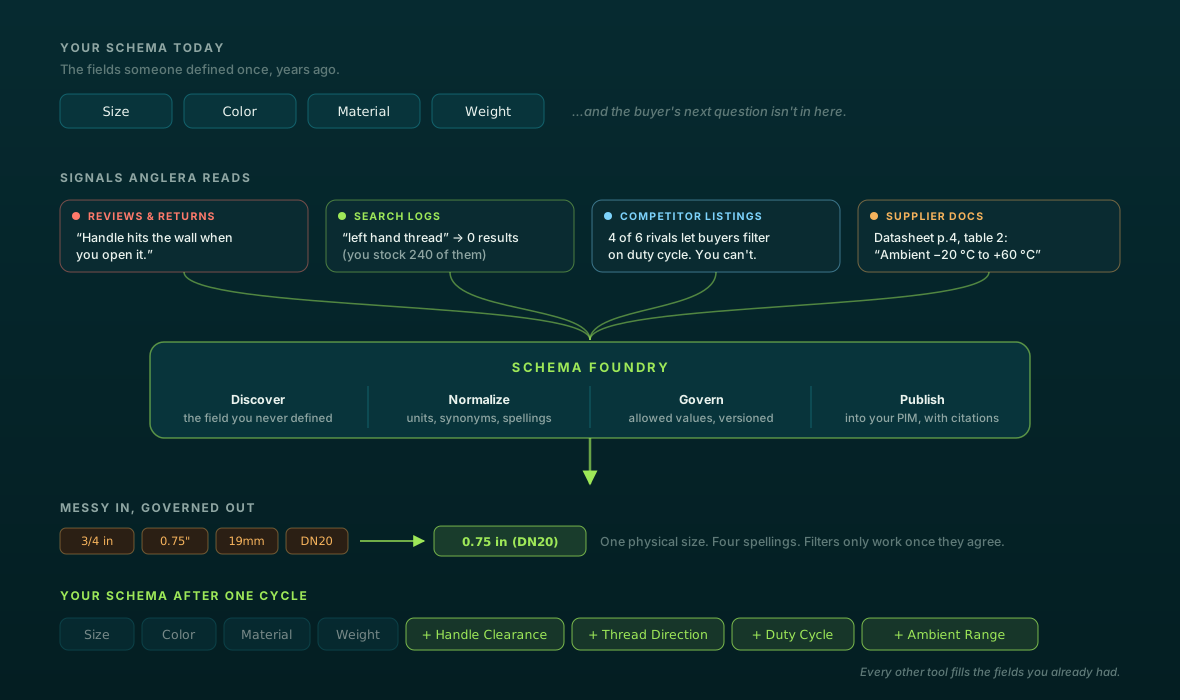
Harmonya is built as an attribute-and-insight layer over a category — the market's language about products, read across retailers and normalized at the UPC level — so the comparison isn't the quality of that first pass, it's who owns the record afterward: the field a retailer added on Tuesday, the spec that exists only on a supplier's PDF, and the resolution rule someone has to author once and re-apply every season.
01
Ground it
Mine every spec from every source.
Every value traced to a document you can open. The catalog is only as honest as what it was built from.
02
Align it
Aim the catalog at the buyer who actually buys.
Grounded data still loses if it answers questions nobody asked. Alignment is what turns specs into conversion.
03
Keep it alive
Product data is a practice, not a project.
Markets move, suppliers reissue, buyers change what they ask for. A catalog that is right in March is wrong by August unless something is watching.