inriver vs Plytix: PIM Comparison for 2026
inriver and Plytix are both cloud-based PIMs that centralize product content and push it to channels — but they are built for fundamentally different buyers. inriver targets enterprise manufacturers, global brands, and large retailers that need supplier onboarding, digital shelf analytics, and multi-market governance in one composable platform. Plytix targets SMB and mid-market teams that want an affordable, self-service tool with unlimited users, built-in AI copy generation, and fast time-to-value.
If you are an enterprise operation with hundreds of suppliers and thousands of SKUs spread across locales and channels, the comparison is relatively clear. If you are a growing mid-market brand that has outgrown spreadsheets but is not yet at enterprise scale, it is a closer call — and Plytix's pricing transparency makes the decision easier to model.
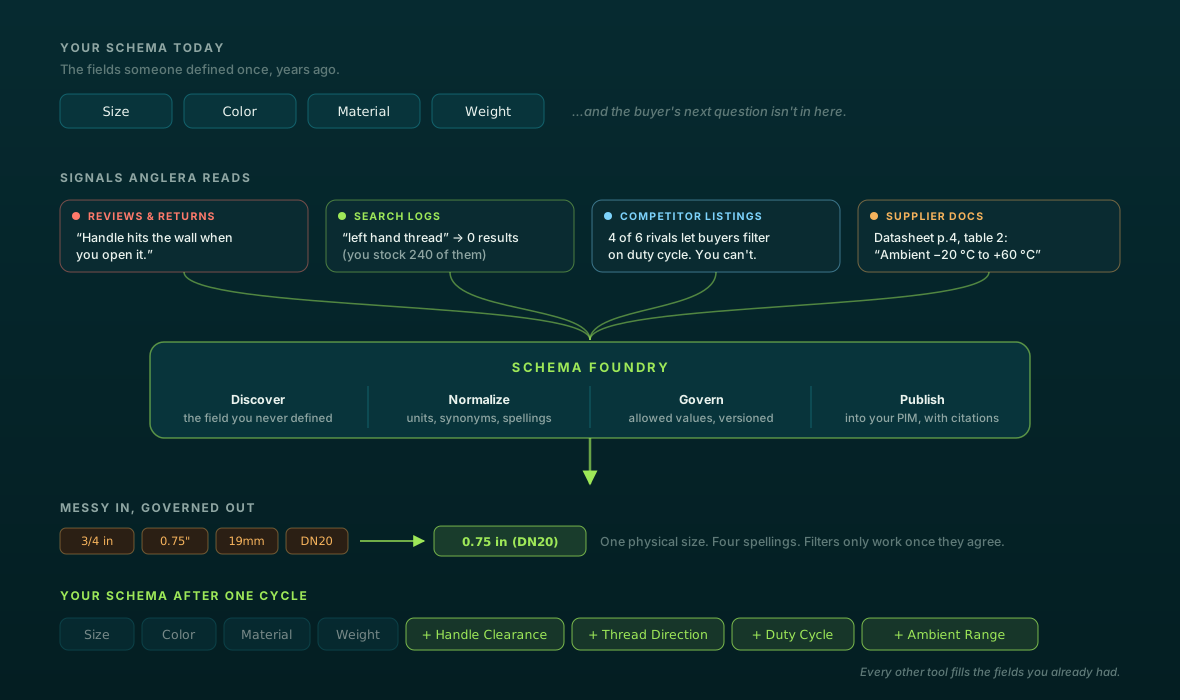
One thing both platforms share: they assume the product data you load into them is already reasonably complete. In practice, it rarely is. Supplier feeds are partial, specs are inconsistent across sources, and descriptions optimized for one channel underperform on another. That gap is where Anglera operates — enriching SKUs against buyer signals before syndication, then writing the improved records back to whichever PIM you pick.
| inriver | Plytix | Anglera | |
|---|---|---|---|
| Target buyer | Enterprise manufacturers, global brands, and large retailers with complex multi-channel, multi-locale catalogs and dedicated IT/PIM resources. | SMB and mid-market teams that need a single tool to manage content and publish to ecommerce channels without a large implementation budget. | Works at any scale. Connects to the PIM you already have, enriches SKUs against buyer signals, and writes back — independent of company size. |
| Pricing model | Custom enterprise quotes only. Core, Professional, and Enterprise tiers priced by users, modules, and data volume. Expect a meaningful investment before any line-item is shared. | Freemium entry point. Paid plans start around $733/month and scale by catalog size, not seat count. Add-ons available for AI credits and additional distribution channels. | Flat enrichment-layer pricing that sits outside your PIM contract. Cost does not scale with the number of users or channels you syndicate to. |
| Syndication and channel distribution | Built-in syndication to retailers and marketplaces, plus a native digital shelf analytics module to monitor content performance after it is published. | Channel feed syndication via product sheets and direct integrations; strong for ecommerce and marketplace publishing. No native digital shelf analytics. | Not a syndication tool. Enriches and scores data upstream so what you syndicate is complete and accurate before it reaches any channel. |
| AI and content generation | AI-driven enrichment and content workflows embedded in the platform, oriented around governing and automating content at enterprise scale across locales. | Built-in AI generates and translates product descriptions on demand. AI credits are available as an add-on; designed for lean teams that need copy fast. | Sources missing attributes from external references — supplier sites, distributor data, web signals — and scores each field against what buyers need to convert. Complementary to, not a replacement for, copy generation. |
| User access and collaboration | User-based licensing. Seat costs accumulate at scale, which can be a meaningful budget line for large cross-functional teams or agency partners. | Unlimited users on all paid plans. The whole team — including external agencies and partners — can collaborate without adding per-seat cost. | Operates in the background as a data pipeline. Does not require user seats on your PIM plan and does not change how your team accesses the PIM. |
| Implementation complexity | Enterprise-grade implementation; expect months of data modeling, supplier onboarding configuration, and integration work. Professional services typically required. | Self-service onboarding aimed at lean teams. Most customers are productive in weeks, not months, without a dedicated implementation partner. | Approximately 30-day implementation on top of whichever PIM you choose. Connects via API, maps your data model, and begins enriching without a parallel re-implementation. |
| DAM capabilities | Digital asset management is included as part of the composable platform, supporting media linked to product records at enterprise scale. | DAM is included in Plytix at all paid tiers — a meaningful differentiator for SMB teams that would otherwise pay for a separate DAM tool. | Not a DAM. Anglera enriches structured product attributes and scores them for completeness; asset management remains in the PIM or a dedicated DAM. |
How to choose between inriver and Plytix
Choose inriver if you are a manufacturer, large brand, or enterprise retailer managing thousands of SKUs across multiple markets, channels, and locales. If you need supplier onboarding workflows, digital shelf analytics, and enterprise governance in a single platform — and have the IT resources and implementation budget to support a multi-month rollout — inriver is built for that complexity. The lack of public pricing is a signal about who the platform is designed for: organizations where a custom commercial conversation is normal.
Choose Plytix if you are an SMB or mid-market team that needs to centralize product content and push it to ecommerce channels quickly. If your priority is getting a lean team productive without paying per seat, keeping costs predictable from a published price sheet, and accessing built-in AI copy generation out of the box, Plytix's all-in-one approach at its price point is difficult to beat. The freemium tier also makes it practical to evaluate before committing.
The edge case to watch: A mid-market company that is growing fast may find Plytix sufficient today but bump into its limits — particularly around governance workflows, multi-locale complexity, and digital shelf analytics — within 12 to 18 months. If that trajectory sounds familiar, it is worth stress-testing Plytix against your 24-month roadmap before signing.
Whichever you pick, the data still has to get done
Both inriver and Plytix are built to distribute product content — but both assume the data going in is already complete. That assumption breaks in practice. Suppliers send partial attribute lists. Specs are inconsistent across sources. Descriptions written for one channel underperform on another. Neither platform is designed to go find the missing data; they manage and distribute what you give them.
Anglera fills that upstream gap. It connects to your PIM via API — inriver or Plytix — pulls every SKU, gathers missing attributes from authoritative external sources, scores each field against what buyers actually need to make a purchase decision, and writes the enriched records back to your PIM. Your PIM then stores and syndicates data that has already been validated for completeness.
Implementation is approximately 30 days and does not require re-implementing your PIM. The result is the same regardless of which platform you pick: whatever you syndicate is more complete, more consistent, and more likely to convert. Whichever side of this comparison you land on, the enrichment problem does not go away — Anglera is where it gets solved.
Frequently asked questions
Can Plytix handle enterprise-scale catalogs?
Plytix scales by catalog size, not complexity. It works well for mid-market teams with straightforward catalog structures. If you need multi-locale governance, supplier onboarding workflows, or digital shelf analytics, inriver is better equipped for that level of operational complexity.
Does inriver include a DAM?
Yes. inriver includes digital asset management as part of its composable platform. Plytix also includes DAM at all paid tiers. Neither is a replacement for a dedicated enterprise DAM if you need advanced rights management or large-scale asset operations, but both handle media linked to product records.
If my PIM already has AI content generation, what does Anglera add?
PIM-native AI generates copy from the data already in your system. Anglera works upstream: it finds data that is not in the system yet — missing specs, supplier attributes, technical details — by sourcing from external references, then scores completeness against real buyer signals before writing back. Those are different problems. Copy generation does not help a record that is missing half its attributes.
Is Plytix actually free to start?
Plytix has a freemium tier that lets small teams test the platform with a limited catalog. Paid plans start around $733/month and scale with catalog size. AI features and additional distribution channels are available as paid add-ons.
How long does it take to deploy Anglera on top of inriver or Plytix?
Approximately 30 days. Anglera connects to your PIM via API, maps your data model, and begins enriching SKUs without requiring a parallel re-implementation or changes to how your team uses the PIM day-to-day.