Anglera + Plytix
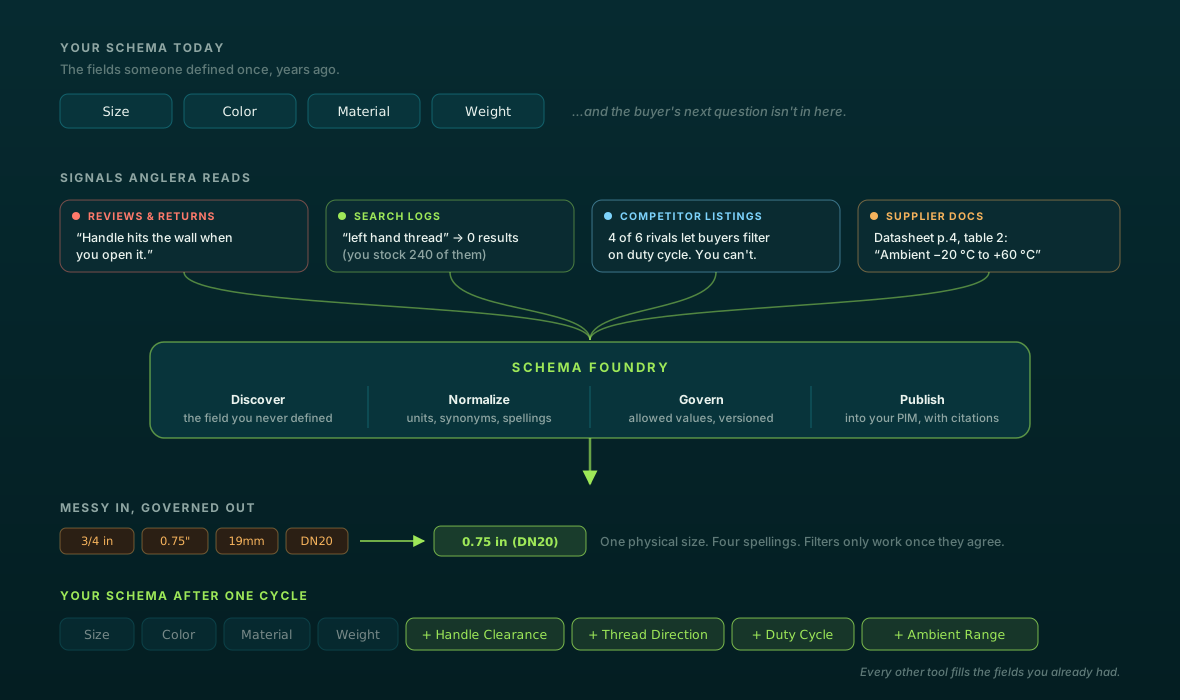
Plytix stores and distributes product content — but it assumes that content is already good. Its AI generates descriptions from your existing data, which means if the underlying attributes are thin, sparse, or supplier-copied, the output is too. Anglera fills that gap upstream: it sources missing specs, aligns every attribute to how buyers actually search, scores completeness against real purchase signals, and writes the enriched record back into Plytix. Plytix becomes the clean, buyer-ready source of truth instead of just a better-organized version of the same incomplete data.
What Plytix does
Plytix is a cloud-based Product Information Management (PIM) platform built for small and mid-sized businesses. It combines PIM, Digital Asset Management (DAM), AI content generation, and channel feed syndication in a single tool, letting teams centralize product data and publish it across ecommerce channels and marketplaces.
Pricing: Freemium; paid plans start around $733/month. Catalog-size-based tiers; add-ons for AI credits and extra distribution channels. Unlimited users on all plans.
Plytix vs Anglera, side by side
| Plytix | Anglera | |
|---|---|---|
| Primary job | Store, organize, and syndicate product content across channels | Enrich every SKU with buyer-signal intelligence before it enters the PIM |
| AI content generation | Generates descriptions and tags from your existing product data | Researches and fills missing attributes from external sources first, then enriches — so the source data is complete, not just reformatted |
| Buyer-signal alignment | Not part of the platform — content is organized around your internal taxonomy | Every attribute and description is scored and shaped against how target buyers actually search, compare, and decide |
| Manual effort required | Teams still need to populate missing specs, source images, and audit completeness manually | Automated enrichment pipeline fills gaps, flags anomalies, and scores readiness — minimal human gruntwork |
| Target customer | SMBs selling on multiple ecommerce channels who need a centralized content store | B2B distributors, retailers, and manufacturers whose PIM holds incomplete or supplier-raw data that costs them conversions |
| Time to value | Self-serve onboarding; value depends on how long it takes the team to populate and clean data | ~30-day implementation; enriched, buyer-ready data flowing into the PIM within the first month |