
AI Search & Discovery
How B2B buyers use ChatGPT to research suppliers, and what they find
B2B buyers ask ChatGPT to frame a category, build a supplier shortlist and compare vendors; the engine runs web searches and cites pages with specific facts.
Topic
How to get your products surfaced by AI answer engines and LLMs — the new front door to discovery.
B2B buyers ask ChatGPT to frame a category, build a supplier shortlist and compare vendors; the engine runs web searches and cites pages with specific facts.

Yes, if AI writes from verified attributes extracted from datasheets. From only a part number and ERP short text, it produces plausible specs that may be wrong.
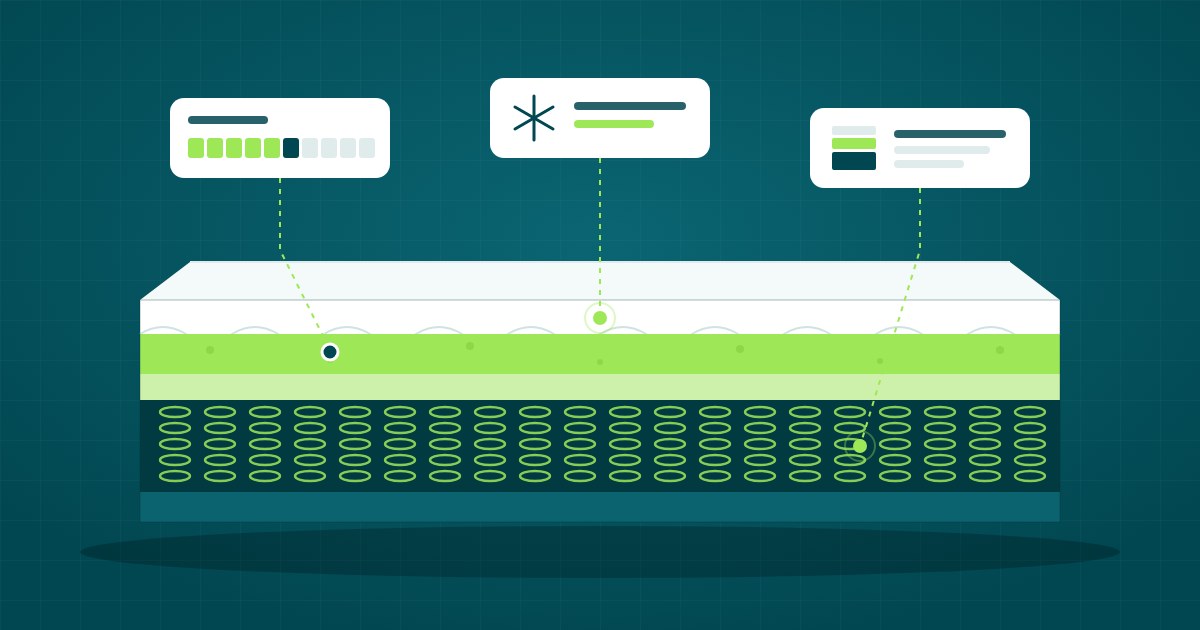
AI shopping assistants compare mattresses by reading fields, not by lying on them. Five product data priorities for mattress brands and retailers.

We rebuilt our own crawler to measure 73 distributor storefronts. 37 let a plain HTTP client reach a product page. The other half needed proxies, headless browsers, or a second unblocking vendor — infrastructure no AI shopping agent has.
A trail rider, an upfitter, a shop foreman, a fleet manager and a restorer ask five different questions about one part number. Network files answer the average. Here's what per-persona enrichment looks like.

Pilots don't die from bad models, they die from output nobody can count. A selection test for which AI project actually ships first, and why.

We measured 37 distributor catalogs against 14 machine-readability signals. Median score: 58/100. Most SKUs are still invisible to AI buying agents.

Agents read fields, not pages. What a distributor or manufacturer catalog actually needs — MPN-first identity, UNSPSC/ETIM classification, spec attributes, UOM and pack hierarchies — and how to get it into schema and feeds.

A revenue-weighted sampling audit that tells you whether enrichment is worth funding — which gaps block retrieval, which only weaken it, and what an AI crawler really sees.

Required feed fields make a SKU eligible. Fitment, ratings, certifications, install requirements, and companion parts are what actually win the agent's pick.

Ninety-odd terms from the AI search vocabulary, organized by where they bite in a real catalog — crawler access, rendering, retrieval mechanics, surfaces, the product record, feeds and protocols, entity trust, and measurement. Each term links to a full definition.

Four protocol names land in the same meeting and get treated as one decision. They aren't. Here is which is a feed, which is checkout, which is live data, and what a distributor should ship first.

Syndicated content makes every distributor's product page identical. Search consolidates duplicates, AI engines cite one answer, and the only lever left is price.

AI shopping assistants retrieve products by noun phrase, not keyword. Here's the five-question anatomy of a product phrase — and the attribute column behind each answer.

Amazon's procurement AI wins on catalog completeness, not price. The threat hits commodity SKUs first — and your technical long tail is the defensible ground.

Every keynote at Applied AI for Distributors agreed the real bottleneck isn't the AI model — it's your product data. Here's the part the mainstage left out.

DSG's AI Top 25 runs on earnings calls and executive interviews. We scored distributors' live sites instead, and the winners aren't the same companies.

Why waiting for clean product data before deploying AI gets the sequence backwards: for catalogs, AI enrichment is the cleanup, not the reward for it.

Why thin jewelry and watch listings vanish from ChatGPT, Gemini, and Google AI Mode, and the attribute-level data that gets them recommended.

The 2025 switch from R-410A to A2L refrigerants replaced a generation of model numbers overnight. The distributors winning the aftermath treated it as a product-data problem, not a refrigerant one.

Why a $150M distributor hiring AI engineers or a Chief AI Officer is copying a $1B+ company's org chart it can't afford to run.

Feed management enriches the printout, not the document. The correction never flows back to your source of truth — so you redo the same work on every channel, forever. Fix it upstream instead.

How to make Adobe Commerce PDPs agent-readable: structured attributes, complete Product JSON-LD, server-rendered HTML, and clear buyer answers.

Retiring counter pros take cross-reference and fit knowledge with them. The fix isn't a chatbot, it's writing that judgment into catalog attributes.

How GPTBot, ClaudeBot, and Perplexity actually fetch pages, why client-rendered PDP data goes invisible to them, and the SSR/JSON-LD fix that makes it readable.

No new ad budget, no new channel, no replatform. Just the product data you already own, made complete enough to get found, get chosen, and get kept. Here's what that takes — and where the work actually belongs.

Every planning vendor is shipping ML forecasting now. The real differentiator won't be the algorithm, it'll be the attribute data feeding it.

JSON-LD that disagrees with the visible page gets flagged as untrustworthy rather than averaged out. Why drift happens, and how to fix it for good.

Office supplies shoppers now ask ChatGPT and Gemini to pick the product for them. Here's why thin catalog data loses that pick, and what actually fixes it.

Which schema.org Product and Offer fields drive Google rich results and AI citations, how to populate them, and the mistakes that disqualify a page.

JSON-LD, microdata, and visible text explained: what Google, GPTBot, and other AI agents actually parse, and why your markup must match the page.

How to keep Salsify attributes and product JSON-LD in sync with the rendered page, so buyers and AI agents both read your source of truth.

Beauty shoppers now ask AI to recommend products before they ever open your site. Here's why thin catalog data keeps you out of the answer.

Google's UCP lets shoppers buy straight from AI Mode and Gemini — but your product feed decides whether you even show up. Here are the 6 things that put you in the cart (and keep you out).

Furniture shoppers now ask ChatGPT and Gemini to pick the sofa. If your product data is thin, the AI recommends a competitor instead.
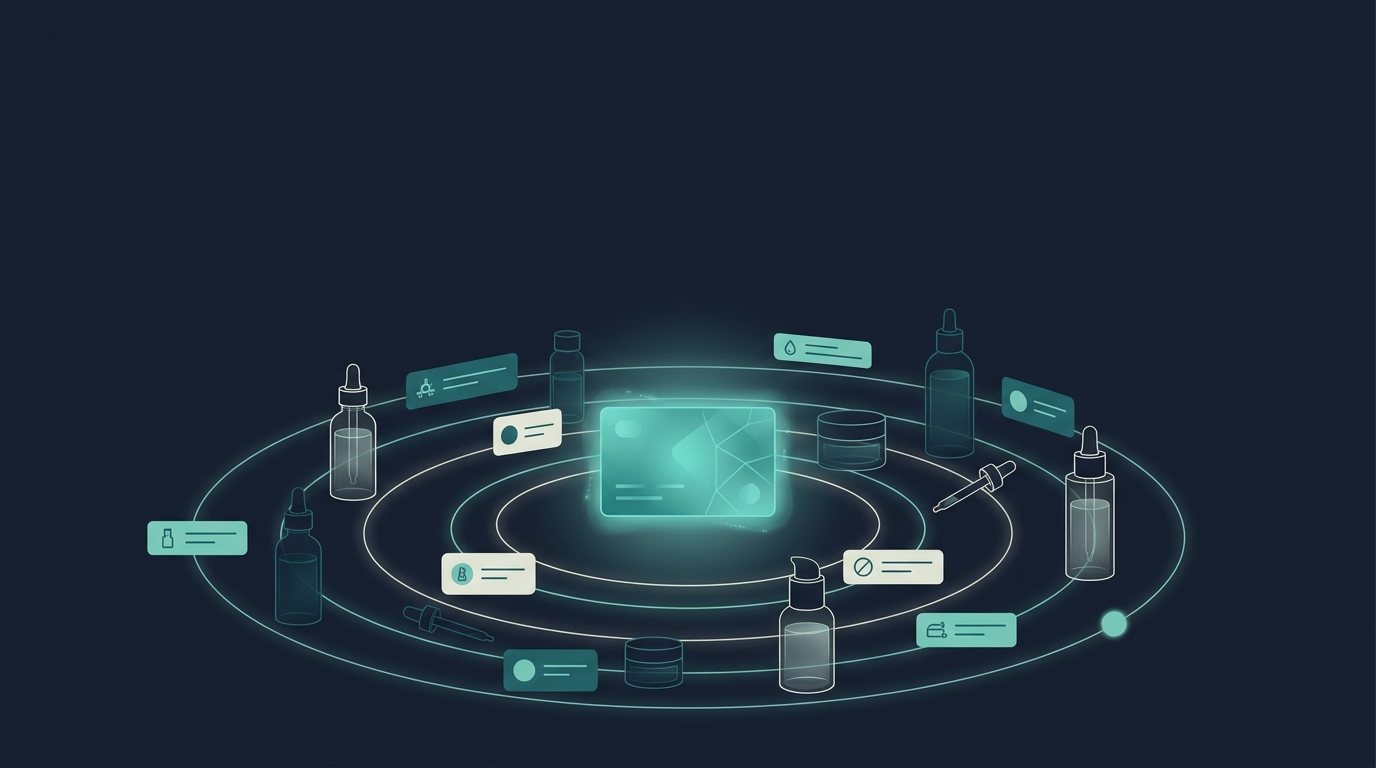
AI shopping agents are reranking skincare catalogs in real time. Here's why thin product data gets skipped and what machine-readable data looks like.

In 2023, NAED found poor product data costs electrical distribution over $2B a year. In 2026, that same data decides whether AI engines and a younger generation of buyers ever find you.

How to map commercetools Product Projections to schema.org Product JSON-LD, handle GTIN/brand/ratings, and keep markup synced with the rendered PDP.

A blank GTIN field doesn't throw an error. It just makes your product harder for a machine to identify, trust, and recommend — so it gets passed over.

AI shopping agents now rerank consumer electronics by data quality, not domain authority. See why thin spec sheets go invisible and what fixes it.

How to make a BigCommerce catalog agent-readable: structured attributes, Product JSON-LD, and server-rendered content AI shopping agents can actually parse.

How to add schema.org Product JSON-LD on Adobe Commerce PDPs, which fields (gtin, offers, aggregateRating) matter, and how to keep markup synced with the page.

When an AI agent does the shopping, it never sees your homepage, your hero image, or your brand video. It reads your feed. That's the whole storefront now.

How to add schema.org Product JSON-LD to a headless storefront, which fields matter most, and how to keep markup in sync with the rendered page.

Footwear shoppers now ask ChatGPT and Gemini for recommendations before a search engine. Here's why thin product data keeps brands invisible to AI.

AI shopping engines don't reject your products loudly. They filter quietly, on data they can't read. Here are the 5 gaps that do it most — and how to close them.

Buyers increasingly start in ChatGPT, Perplexity, and AI Overviews — not a search box. Here's what it takes for your products to be the answer.

How to turn Salsify-managed product data into complete attributes, real identifiers, and valid Product JSON-LD that AI agents and shoppers can both read.

Get complete schema.org Product JSON-LD onto Salesforce Commerce Cloud PDPs: what SFRA already builds for you, what it's missing, how to extend it from the catalog API, and how to keep it in sync.

How distributors add schema.org Product JSON-LD to Unilog CX1 pages, which fields matter, and how to keep markup synced with live price and stock.

How to turn Syndigo-managed catalog content into agent-readable storefront pages: identifier mapping, Product JSON-LD, and validation steps for manufacturers.

Pet shoppers now ask AI for recommendations, not just search terms. Here's why thin product data makes your catalog invisible — and what to fix first.

You compete to sell the same parts as everyone else. The catalog isn't the bottleneck — the content is. Here's how to think about it.

How to track referrals from ChatGPT, Perplexity, and Google AI Overviews using GA4, Search Console, and server logs, plus the attribution gaps to stay honest about.

Appliance shoppers now ask AI to shortlist fridges and dishwashers. Thin product feeds get skipped. Here's what machine-readable data looks like.

AI shopping agents now rerank apparel by fit, fabric, and care data, not just keywords. Here's what thin product data costs you and what fixes it.

Add schema.org Product JSON-LD on Oracle Commerce — map name, brand, GTIN, SKU, offers, and ratings, then keep the markup in sync with the live page.

AI shopping agents now rank supplements by dosage, form, and certification data. Thin product feeds get skipped. Here's what readable catalogs look like.

How distributors make an Optimizely Configured Commerce catalog agent-readable: attributes, Product JSON-LD, SSR, and clear buyer-question answers.

If your product pages use the same copy as every other distributor, search has no reason to rank yours. Differentiated content is the fix.

Sporting goods shoppers now ask AI agents for gear picks by spec, not brand. See why thin product data makes catalogs invisible — and what fixes it.

MRO and industrial buyers now ask AI before they call a distributor. Thin ERP-style product data makes a catalog invisible to those engines.

AI shopping agents now shop for groceries. Thin CPG product data makes brands invisible to them — here's what machine-readable attributes look like.

Datacom and networking buyers now ask ChatGPT and Perplexity before opening a distributor site. See why ERP-style feeds go uncited and what fixes it.

How to add schema.org Product JSON-LD to a Shopify theme, which fields (gtin, sku, offers) matter, and how to keep the markup synced with the live page.

AI answer engines now rerank oilfield distributor catalogs by data completeness, not keywords. Here's why thin ERP feeds go invisible and what fixes it.

Ag & turf equipment buyers now ask ChatGPT and Perplexity before visiting a dealer site. See why abbreviated parts feeds go uncited and what actually fixes it.

How to keep Syndigo product attributes and JSON-LD in sync from PIM through to the rendered product page, so shoppers and AI agents see one source of truth.

What "agent-readable" actually means for retail catalogs in 2026, and how retailers close the attribute and context gaps AI shopping agents penalize.

How to make a commercetools PDP agent-readable: structured attributes, Product JSON-LD, and server-rendered answers AI systems can parse.

How to map Akeneo product attributes into page-ready JSON-LD and keep them synced end to end, so AI agents and buyers always read the same data your PIM holds.

A technical guide for manufacturers and distributors: turn complete Akeneo attributes, identifiers, and GTIN/MPN data into agent-readable PDPs with Product JSON-LD.

How to add and validate Product JSON-LD on WooCommerce — which fields Google actually checks, and how to keep markup synced with the page.

How distributors add schema.org Product JSON-LD in Optimizely Configured Commerce and keep it synced with the live PDP, with a validated example.

Jan/San and packaging buyers now shortlist suppliers inside ChatGPT and Perplexity. Thin ERP feeds make distributor catalogs invisible to those engines.

How to add schema.org Product JSON-LD on SAP Commerce Cloud, which fields matter most (gtin, sku, offers, aggregateRating), and how to keep it in sync.

How to add schema.org Product JSON-LD to OroCommerce PDPs via a layout update, map GTIN/SKU/brand/offers correctly, and keep the markup in sync with the page.

Once your products hit retailer feeds and AI answers, someone else writes the story. Here is how brands recapture control with authoritative, structured product data.

How to add schema.org Product JSON-LD on BigCommerce, which fields (gtin, brand, offers) actually matter, and how to keep markup synced with the live page.

How to make SAP Commerce Cloud PDPs agent-readable: complete attributes, Product JSON-LD, SSR checks, and buyer-question content that AI can parse.

AI vision reads pixels, not specs. The alt text, image metadata, and structured attributes that make a product page understandable to buyers and AI.

Why AI shopping agents are the new storefront, and how retailers and distributors keep product data complete enough to win the agent's pick.

How to make a Shopify PDP agent-readable: structured attributes, Product JSON-LD, server-rendered specs, and clear answers AI agents can parse.

How to make WooCommerce product pages agent-readable: complete attributes, correct Product JSON-LD, and server-rendered content AI agents can parse.

How to turn enriched Salesforce Commerce Cloud product data into Page Meta Tag Rules, Product JSON-LD, and server-rendered content AI agents can parse.

Pool and spa buyers now ask AI engines to verify pump specs and DOE compliance before calling a distributor. Thin ERP data means you get skipped.

Google AI Mode and AI Overviews now shop from your data feed, not your homepage. Here is what product pages need to earn the citation.

How to add schema.org Product JSON-LD to an Elastic Path storefront, map PXM fields like gtin and sku correctly, and keep markup synced with the live page.

How distributors get cited by ChatGPT, Perplexity, and AI Overviews: what AEO means, how it differs from SEO, and a concrete product-data playbook.

Automotive aftermarket buyers now ask AI before they search a part number. See why ACES/PIES feeds go uncited and what fitment-ready data looks like.

Plumbing and PVF buyers now ask AI answer engines before they open a distributor site. Thin ERP feeds make catalogs invisible to those engines.

Building materials buyers now ask AI before they call a distributor. See why thin, ERP-style catalog data gets skipped and what machine-readable specs look like.

Foodservice equipment buyers now ask AI before they call a distributor. Here's why thin, ERP-style catalog data goes uncited and what fixes it.

Reviews and Q&A tell buyers and AI agents what a product is for. Here's why voice-of-customer data closes gaps spec sheets can't and how to enrich with it.

Medical & dental buyers now ask AI answer engines before they open a distributor catalog. Here's why thin ERP feeds get skipped and what fixes it.

Lighting distributors are losing quote requests to competitors AI answer engines can actually read. Here's what machine-readable lighting data looks like.

HVAC/R buyers now ask ChatGPT and Perplexity before they open a distributor site. See why thin ERP feeds go uncited and what structured product data fixes.

Component buyers now ask ChatGPT and Perplexity before opening a distributor site. See why ERP-style part feeds go uncited and what fixes it.

Fastener buyers now ask AI engines before opening your catalog. Thin ERP descriptions can't answer their questions — here's what data has to look like instead.

Welding & gas buyers now ask ChatGPT and Perplexity before a distributor site. See why thin ERP feeds go uncited and what machine-readable data fixes.

Waterworks and utility buyers now vet specs through AI before calling a distributor. Thin ERP data means AI engines skip your catalog entirely.

AI answer engines now shortlist electrical distributors before buyers ever visit a site. Thin ERP feeds get skipped. Here's what readable data looks like.

Pumps and fluid power buyers now ask ChatGPT before they call a distributor. See why ERP-style spec strings go uncited and what fixes it.

Safety & PPE buyers now ask ChatGPT and Perplexity before a distributor site. See why thin ERP feeds go uncited and what machine-readable data fixes.