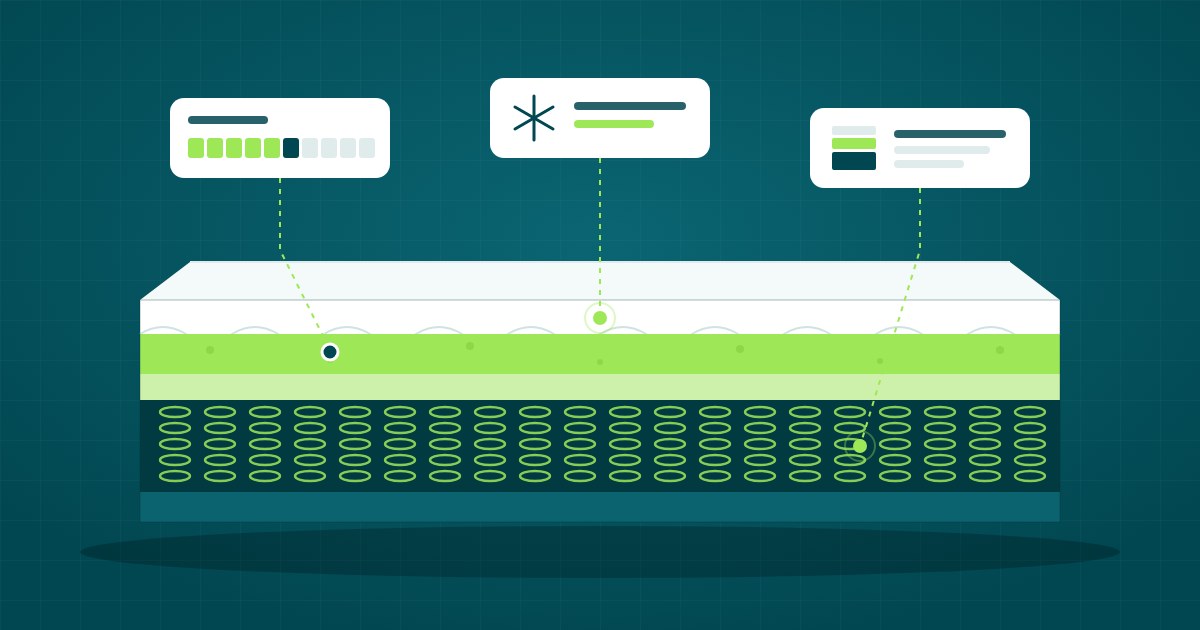
Furniture & Home
What mattress companies need to focus on as AI starts doing the shopping
AI shopping assistants compare mattresses by reading fields, not by lying on them. Five product data priorities for mattress brands and retailers.
For
How brands and DTC teams control how their products show up — in retail feeds, marketplaces, and AI answers.
AI shopping assistants compare mattresses by reading fields, not by lying on them. Five product data priorities for mattress brands and retailers.
Distributing one product record across your whole dealer channel makes every listing identical — so price becomes the only lever left. What aftermarket brands should ship instead.
PIM, enrichment, syndication, feeds, copy generation and digital shelf analytics solve six different problems and share one vocabulary. Here's how to tell which layer is actually blocking you before you sign anything.

AI shopping assistants retrieve products by noun phrase, not keyword. Here's the five-question anatomy of a product phrase — and the attribute column behind each answer.

Consumer electronics forecasts run on product attributes, not just sales history. See where thin or free-text specs quietly wreck accuracy.

Style-level assortment reports hide the attribute gaps that actually decide sell-through. Here's how to find them and what the data has to look like first.

Footwear catalogs are full of gaps in width, last, and material data. Here's what that costs in 2026, and why AI shopping agents make it worse.

Footwear returns run 17-30% and fit is the top cause. Here's the exact data a shoe PDP needs to stop the guessing, with a running-shoe example.

Apparel product data is still thin and inconsistent in 2026 — here's what it costs in returns and lost AI visibility, and how to fix it.

Apparel shoppers ask the same handful of questions before every purchase. Answer them on the page, and returns and lost sales both drop.

Footwear forecasts run on attributes, not SKUs. See how thin or free-text data on upper, cushioning, and width quietly wrecks accuracy.

ERP migrations validate structure and financial fields, not attribute content. Here's how to audit what came across and enrich what didn't.

Why thin jewelry and watch listings vanish from ChatGPT, Gemini, and Google AI Mode, and the attribute-level data that gets them recommended.

Style-level assortment reports hide white space and over-assortment in grocery and CPG. Here's how attribute-level data fixes the blind spot.

Reviews already know a style runs small. Here's how to turn that fit consensus into structured data your size curve and PDP can both use.

Forecasts are rollups along product attributes. When those attributes are missing, free-text, or wrong, every cohort and like-item match quietly breaks.

Tech packs and BOMs hold the truest product data in the company. Here's how to turn them into attribute columns a planning system can query.

Beauty forecasts fail on new shades and finishes because the attributes behind them are thin. Here is where the data breaks and how to fix it.

Jewelry and watches feeds fail Amazon's stricter attribute bar more than any other category. Here's the exact data gap and how to close it.

Furniture and home catalogs still ship thin, inconsistent product data — and in 2026, AI shopping agents and marketplaces are done tolerating it.

Furniture returns cost $55-90+ per item to process. Most start with a product page that never answered the shopper's real questions. Here's the fix.

How an enriched attribute moves from Elastic Path PXM through catalog publishing to the Shopper Catalog API and renders on a live product page.

Why beauty assortment reviews built on style-level rollups miss whitespace and over-assortment, and what attribute data has to look like to fix it.

Style-level sell-through hides the assortment gaps that matter. How sporting goods planners find white space using clean attribute data, not SKU counts.

A practical SFCC checklist covering rendering, structured data, meta tags, canonicals, images, links, and speed — for buyers and AI crawlers alike.

Office supplies catalogs are riddled with thin, inconsistent product data — and in 2026, AI shopping agents make that a revenue problem, not just an annoyance.

Why office supplies get returned so often, the toner cartridge questions shoppers actually ask, and a checklist to close the gaps before checkout.

Grocery and CPG shoppers filter on allergens, diet, and pack size. Here's the attribute schema that keeps products visible in search and AI answers.

Every planning vendor is shipping ML forecasting now. The real differentiator won't be the algorithm, it'll be the attribute data feeding it.

Furniture forecasts fail on new SKUs and thin attributes, not bad models. Here's how attribute quality drives cold-start accuracy and markdown risk.

A concrete, current walkthrough of how a commercetools product attribute travels from Product Type to rendered HTML, with API, GraphQL, and validation steps.

Beauty catalogs lose sales to missing shade, finish, and ingredient data. Here's the attribute set that keeps products in filters and AI answers.

Why incomplete skincare feeds get suppressed on Amazon and marketplaces, the content bar retailers actually need to clear, and how to hit it without re-keying.

Office supplies shoppers now ask ChatGPT and Gemini to pick the product for them. Here's why thin catalog data loses that pick, and what actually fixes it.

Jewelry and watch catalogs are thin on the attributes shoppers and AI agents both need. Here's what that's costing brands in 2026, and how to fix it.

Jewelry and watch returns trace back to missing specs, not bad taste. Here's the exact data a ring or watch PDP needs, with a diamond ring example.
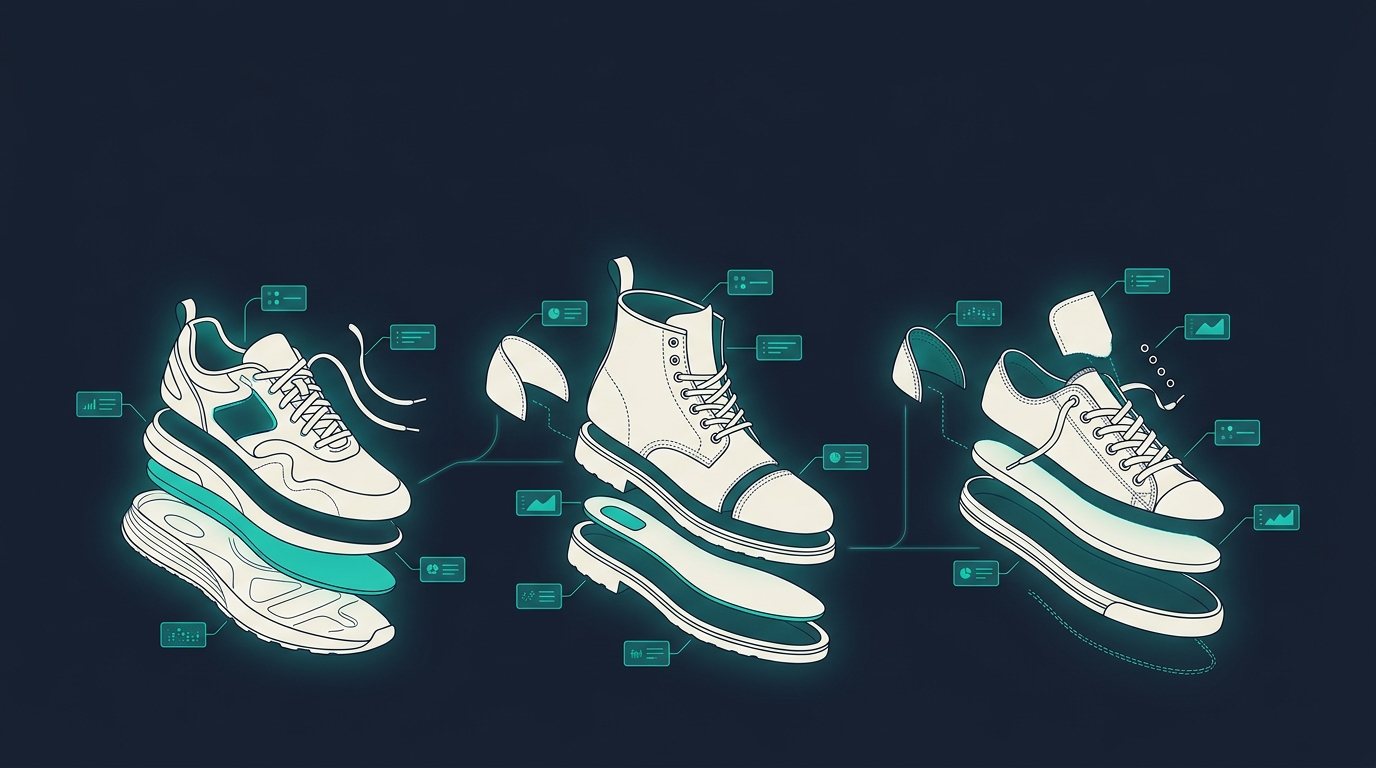
Footwear listings get suppressed on Amazon more than almost any other category. Here's the attribute, identifier, and image bar you have to clear.
Sporting goods forecasts run on attribute rollups and like-item matching. See where thin or free-text product data quietly wrecks accuracy.

Wireless earbuds get filtered out of search and AI answers when specs like ANC, codec, and IP rating go missing. Here's the schema that fixes it.

Apparel sellers lose sales to fit uncertainty, not just weak traffic. Here's how to measure what product data actually moves and build a case finance believes.

How to keep Salsify attributes and product JSON-LD in sync with the rendered page, so buyers and AI agents both read your source of truth.

Why grocery & CPG listings get suppressed on Amazon and marketplaces, the identifier/content bar each channel enforces, and how to hit channel-ready completeness without re-keying.

Why grocery and CPG demand forecasts break at the attribute layer, and what clean pack size, shelf life, and variant data fix.

A French-door fridge with no depth, capacity, or ENERGY STAR data disappears from filters and AI answers. Here's how to fix the attribute set.

Beauty shoppers now ask AI to recommend products before they ever open your site. Here's why thin catalog data keeps you out of the answer.

Thin product data forces every wholesale partner to re-key your catalog differently. An enriched, attribute-complete dataset fixes that once.

Office supplies attributes like page yield, GSM, and ring size decide filter and AI-answer visibility. See a toner cartridge before/after fix.

How headless storefronts render product pages, why client-only rendering hides product data from crawlers, and how to fix it and verify with curl.

Heritage and replenishment brands don't need continuous enrichment. Here's the project-plus-cadence model that fits an 80-90% carryover catalog.

The apparel attributes that actually drive filters, size logic, and AI shopping answers, with a men's dress shirt before/after schema you can copy.

How enriched Shopify product attributes move from metafields into rendered HTML and JSON-LD, with Liquid code and a view-source validation checklist.

Product data compounds like any asset. Here's how to measure what a complete, accurate catalog actually returns across search, PDP, and support.

Why pet supplies listings lose the buy box on Amazon and marketplaces, the attribute and identifier bar retailers now enforce, and how to close the gap.

Health & Supplements product data is thinner than the $72.9B category can afford — here's what it's costing retailers and why 2026 raises the stakes.

Health and supplements shoppers ask specific questions before they buy. Here's the checklist for product pages that answer them, and why gaps drive returns.

How grocery and CPG teams tie product data quality to PDP conversion, returns, and traffic, and build an ROI case finance actually signs off on.

Structured attributes drive cross-sell and bundle accuracy. Here's how to measure the AOV, units-per-order, and attach-rate lift from better product data.

How WooCommerce renders product pages server-side, where JS-only setups hide data from crawlers, and how to confirm your PDP HTML is fully readable.

A planning leader's CFO-ready case for product data: where the markdown, dead-stock, and returns money actually hides, and how to size it.

Furniture shoppers now ask ChatGPT and Gemini to pick the sofa. If your product data is thin, the AI recommends a competitor instead.

Style-color sell-through reports average away the demand breaks that matter. Here's how attribute-level aggregation finds real assortment white space.

AI shopping agents are reranking skincare catalogs in real time. Here's why thin product data gets skipped and what machine-readable data looks like.

Jewelry and watch shoppers filter on metal, carat, movement, and water resistance — here's why missing those attributes hides products from search and AI.

Style-level sofa reports hide the attribute breaks that actually drive furniture demand. Here's how to see the white space and fix the data underneath.

How to map commercetools Product Projections to schema.org Product JSON-LD, handle GTIN/brand/ratings, and keep markup synced with the rendered PDP.

Grocery and CPG catalogs are still thin and inconsistent in 2026, and AI shopping agents now punish that instantly. Here is the real cost and what to fix first.

Grocery and CPG shoppers ask the same handful of questions before every cart click. Here's the checklist for answering them on the product page.

AI shopping agents now rerank consumer electronics by data quality, not domain authority. See why thin spec sheets go invisible and what fixes it.

A new SKU has no sales history, so its forecast borrows one from a similar item. Here's why that similarity match is only as good as your attributes.

Style-color sell-through is noisy. Roll up the same sales history by attribute value and the winners, losers, and white space stop hiding.

Beauty catalogs are full of missing shades, vague claims, and inconsistent INCI lists. Here's what that actually costs, and why AI shopping agents raise the stakes.

Beauty shoppers ask five questions before buying: shade, finish, ingredients, claims, wear. Here's what happens when your product page can't answer them.

Width, drop, stack height, lacing: the footwear attributes shoppers actually filter on, and why missing them silently drops products from search.

Style-level assortment reviews hide the attribute-level gaps in footwear lines. Here's how to see white space, over-assortment, and break points before you buy.

Why thin beauty feeds lose the buy box on Amazon, the attribute and identifier bar marketplaces enforce, and how brands reach channel-ready completeness.

A vitamin bottle's supplement facts panel isn't a product attribute schema. Here's the one that keeps supplements filterable and AI-recommendable.

How to add schema.org Product JSON-LD to a headless storefront, which fields matter most, and how to keep markup in sync with the rendered page.

Footwear shoppers now ask ChatGPT and Gemini for recommendations before a search engine. Here's why thin product data keeps brands invisible to AI.

The beauty and cosmetics KPIs that actually prove product data drives revenue: attribute completeness, PDP conversion, zero-results, returns, AOV.

Office supplies feeds fail on Amazon for predictable reasons: missing GTINs, thin attributes, generic titles. Here's the bar and how a toner SKU clears it.

Why vitamin and supplement listings stall on Amazon and marketplaces, the content bar retailers must clear, and how to syndicate without re-keying every SKU by hand.

How an enriched product attribute travels from Shopify's Storefront API into a headless PDP template and shows up as real, crawlable HTML.

Reviews hide structured returns-risk signal in plain text. Here's how to mine it into attributes planning and merchandising can act on.

How to turn Salsify-managed product data into complete attributes, real identifiers, and valid Product JSON-LD that AI agents and shoppers can both read.

How enriched product attributes actually reach WooCommerce product pages: where the data lives, which hooks render it, and how to check the HTML.

Get complete schema.org Product JSON-LD onto Salesforce Commerce Cloud PDPs: what SFRA already builds for you, what it's missing, how to extend it from the catalog API, and how to keep it in sync.

Assortment planning and MFP rollouts stall when item attributes are messy. Here's what "data ready" actually means before go-live day arrives.

The furniture attributes shoppers filter on, why missing ones drop products from search and AI answers, and how to structure them, with a sofa before/after.

Why the facet list on your PDP can't double as your planning taxonomy, and how to design the attribute schema demand forecasting actually depends on.

Pet shoppers now ask AI for recommendations, not just search terms. Here's why thin product data makes your catalog invisible — and what to fix first.

Electronics catalogs are thinner than they look. Here's what's breaking in 2026, what it costs in returns and lost search, and why AI agents raise the stakes.

The product-data KPIs consumer electronics teams should baseline, how to instrument each one, and how to prove which moves came from data work.

The questions earbud shoppers actually ask before buying, why gaps trigger returns, and a checklist to close them on your product page.

Skincare needs a real attribute schema, not five generic facets. Here's what to capture, why gaps hide products from search and AI, and a serum example.

Style-level assortment reports hide the attribute gaps in consumer electronics lines. Here's how to find white space, over-assortment, and break points.

commercetools is headless, so nothing renders until your frontend does. Learn how to verify product data lands in server-side HTML, not just the browser DOM.

Which product-data metrics actually move beauty ROI: PDP conversion, returns, traffic, AOV. Real benchmarks and how to build the finance-ready case.

Why appliance listings lose the buy box on Amazon and marketplaces, the identifier/content bar sellers must hit, and a French-door fridge before/after.

Skincare catalogs are thinner than they look. Here's what's actually missing, what it costs in returns and lost search, and why 2026 raises the stakes.

Skincare shoppers ask specific questions before buying. When your product page doesn't answer them, they guess, buy wrong, and return it. Here's the fix.

Reviews contain next season's product brief. Here's how to extract fit, praise, and complaint signals into structured data that planning and product teams can actually use.

Appliance shoppers now ask AI to shortlist fridges and dishwashers. Thin product feeds get skipped. Here's what machine-readable data looks like.

Apparel forecasts run on attributes, not SKUs. See why free-text fit, fabric, and closure fields quietly wreck like-item matching and rollups.

AI shopping agents now rerank apparel by fit, fabric, and care data, not just keywords. Here's what thin product data costs you and what fixes it.

Sporting goods catalogs are full of gaps in size, fit, and use-case data. Here's what that actually costs in search, conversion, and returns.

Sporting goods returns run 10-15%, and a bike helmet PDP shows exactly why. A practical checklist to close the size, sport, and use-case gaps.

AI shopping agents now rank supplements by dosage, form, and certification data. Thin product feeds get skipped. Here's what readable catalogs look like.

Apparel feeds get rejected for missing size, GTIN, and material fields. Here's the completeness bar marketplaces enforce, and how to hit it without re-keying.

Thin pet product catalogs cost more than lost sales. Here's what messy data does to search, conversion, and AI shopping visibility in 2026.

A practical checklist for fixing species, size, and ingredient gaps on pet product pages before they become returns or invisible to AI shopping agents.

Missing breed size, life stage, or protein source data silently drops pet products from filters and AI answers. Here's how to fix the attribute gaps.

Furniture feeds fail Amazon's content bar more than any other category. Here's the attribute, identifier, and image checklist that gets a sofa listing channel-ready.

How Salesforce Commerce Cloud renders PDPs server- vs client-side, why that determines what Google and AI crawlers see, and how to check it.

Furniture and home retailers: which product-data fixes actually move PDP conversion, returns, and AOV, and how to build the finance-ready case.

The furniture and home KPIs that actually prove product data drives revenue, from attribute completeness to returns, and how to measure each honestly.

Why consumer electronics listings get suppressed on Amazon, the attribute bar marketplaces enforce, and how to hit channel-ready data without re-keying it.

Why sporting goods listings lose the buy box over missing attributes and identifiers, and what a channel-ready bike helmet feed actually looks like.

Sporting goods products drop out of filtered search and AI answers over missing specs like MIPS or CPSC certification. Here's how to fix the taxonomy.

Sporting goods shoppers now ask AI agents for gear picks by spec, not brand. See why thin product data makes catalogs invisible — and what fixes it.

AI shopping agents now shop for groceries. Thin CPG product data makes brands invisible to them — here's what machine-readable attributes look like.

Thin, inconsistent appliance product data is quietly costing retailers search visibility, conversion, and margin — and 2025-2026 AI shopping raises the stakes.

Why missing dimensions and capacity specs on appliance listings drive returns and lost sales, plus a fix-it checklist for French door refrigerators and beyond.

What actually moves PDP conversion, returns, and AOV in consumer electronics, and how to build a product-data ROI case finance will believe.

How to add schema.org Product JSON-LD to a Shopify theme, which fields (gtin, sku, offers) matter, and how to keep the markup synced with the live page.

A technical checklist for WooCommerce product pages — rendering, schema, titles, canonicals, images, links, speed — built for buyers and AI agents

What "agent-readable" actually means for retail catalogs in 2026, and how retailers close the attribute and context gaps AI shopping agents penalize.

Footwear returns run as high as 35% and fit confidence swings conversion 2-4x. Here's how to measure product data's real ROI and build the case finance believes.

How to make a commercetools PDP agent-readable: structured attributes, Product JSON-LD, and server-rendered answers AI systems can parse.

How to add and validate Product JSON-LD on WooCommerce — which fields Google actually checks, and how to keep markup synced with the page.

How Salsify channels, exports, and storefront connectors move enriched product data downstream — and why it still needs a template to reach the actual page.

One wrong spec teaches buyers to distrust your whole catalog. Here's how to measure trust erosion and rebuild it with consistent product data.

A platform-specific technical SEO checklist for commercetools product pages: rendering, JSON-LD, meta tags, canonicals, images, and crawlability.

Once your products hit retailer feeds and AI answers, someone else writes the story. Here is how brands recapture control with authoritative, structured product data.

AI vision reads pixels, not specs. The alt text, image metadata, and structured attributes that make a product page understandable to buyers and AI.

How Shopify renders product pages, why client-only content hides data from Google and AI crawlers, and how to confirm it's in the server HTML.

A practical KPI framework for grocery and CPG teams: which product-data metrics to baseline, how to instrument them, and how to attribute lift honestly.

How to make a Shopify PDP agent-readable: structured attributes, Product JSON-LD, server-rendered specs, and clear answers AI agents can parse.

How an enriched attribute moves from the Product system object through SFRA templates onto a rendered SFCC product page, plus how to validate it.

How to make WooCommerce product pages agent-readable: complete attributes, correct Product JSON-LD, and server-rendered content AI agents can parse.

How to turn enriched Salesforce Commerce Cloud product data into Page Meta Tag Rules, Product JSON-LD, and server-rendered content AI agents can parse.

A technical SEO checklist for Shopify product pages: rendering, JSON-LD, titles, canonicals, alt text, internal links, speed, and crawlability.

A footwear KPI playbook: which product-data metrics are leading vs lagging, how to instrument each one, and how to attribute lift back to data work honestly.

How Elastic Path storefronts render product data, why client-only rendering hides it from crawlers, and how to verify with curl and view-source.

How to add schema.org Product JSON-LD to an Elastic Path storefront, map PXM fields like gtin and sku correctly, and keep markup synced with the live page.
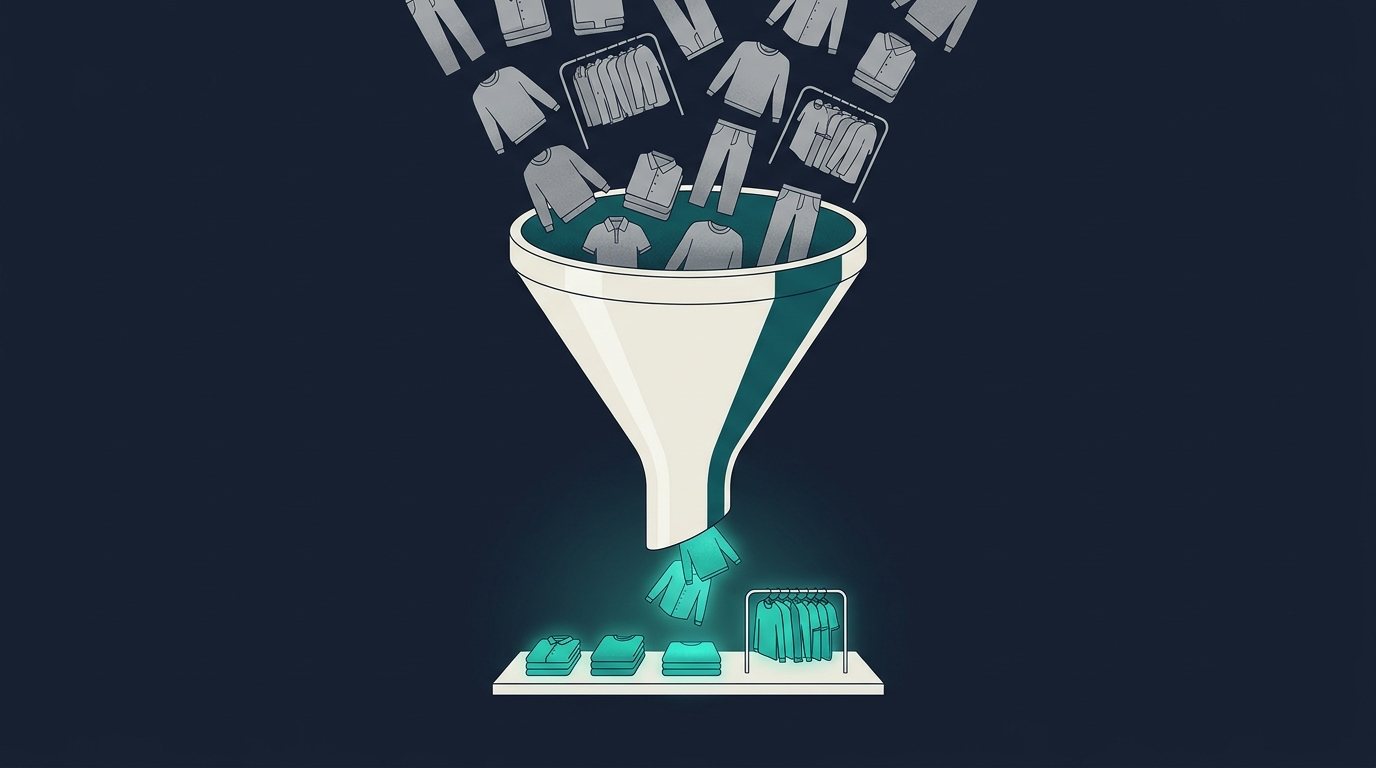
A practical KPI guide for apparel and decorated-apparel sellers: which product-data metrics to baseline, how to instrument them, and how to attribute lift honestly.

Amazon, Walmart, and Target Plus all suppress listings for the same root cause: incomplete attributes. Here's how to pass every gate at scale.

Reviews and Q&A tell buyers and AI agents what a product is for. Here's why voice-of-customer data closes gaps spec sheets can't and how to enrich with it.

Localizing a catalog means new units, standards, taxonomy nodes, and search vocabulary — not translated strings. Here's how to do it without losing rankings.